Why do I have ants in my house? Ants come into your home, especially your kitchen, mainly looking for three things: food, water, and shelter. They are small creatures always trying to find resources to feed their colony. Your kitchen offers easy access to crumbs, spills, moisture, and warmth, making it a perfect target for them to invade and build a nest or find supplies.
Ants are tiny explorers. They send out scouts to find new places with food and water. Once a scout finds something good, it leaves a scent trail. This trail tells other ants how to get there. Soon, you see a line of ants following that trail right into your kitchen. Knowing what attracts them helps you stop them. It also helps you learn how to get rid of ants in kitchen areas once they are already there. Stopping ants means dealing with the reasons they came inside. It also means blocking their paths and cleaning up what they want.
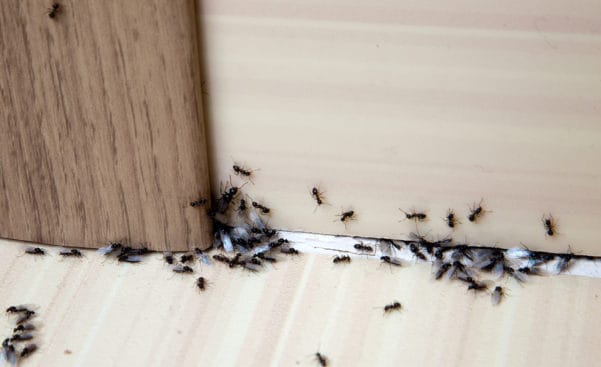
Image Source: www.callnorthwest.com
Grasping Why Ants Invade Your Kitchen
Ants do not come inside just to bother you. They are driven by simple needs. These needs are survival for their colony. Your kitchen is like a giant store for them. It has many things they need close by. Let’s look at the main reasons ants decide to visit your kitchen.
Ants are Attracted to Food
This is the biggest reason. Ants love food. Any food left out is a feast for them.
- Sweet Stuff: Sugar ants in kitchen areas got their name for a reason. They really like sugar. This includes sugar bowls, spilled juice, soda drops, honey, syrup, and anything else sweet. A tiny drop is a huge meal for a tiny ant.
- Greasy and Oily Food: Some ants prefer fats and oils. Grease splatters on the stove or floor are very appealing. Leftover food residue in pots and pans is also a big draw.
- Protein: Other ants look for protein. This can be meat scraps, pet food, or even dead insects.
- Crumbs: Even small crumbs on the counter or floor are like mountains of food for ants. A single cookie crumb can feed many ants. Bread crumbs, cereal bits, and snack pieces are all on their menu.
- Food in Containers: If food containers are not sealed well, ants can get in. Sugar bags, cereal boxes, and cookie jars need tight lids.
Ants use their sense of smell to find food sources. The scent trails they leave guide others to the food. This is why you often see a line of ants going to one spot. They are all following the scent path to the food discovery.
Ants Need Water
Just like all living things, ants need water to live. Kitchens are full of water sources.
- Leaky Pipes: A small leak under the sink provides a constant water supply.
- Condensation: Sweat on cold pipes under the sink can be a water source.
- Standing Water: Water left in sinks, pet bowls, or under plants offers easy access.
- Wet Sponges or Cloths: Damp cleaning tools left out are like water wells for ants.
- Humidity: High moisture in the air can also attract ants.
Ants are small and can drown easily. But they are good at finding small drops or damp spots. They do not need much water.
Ants Look for Shelter
Sometimes ants come inside to find a safe place to live.
- Bad Weather: Heavy rain or very hot sun can drive ants indoors. Your home is a safe haven.
- Nesting Sites: Some ant species will build their nests inside walls, cabinets, or under floors. They look for quiet, dark, moist areas. These areas offer protection from weather and predators.
An ant infestation causes problems because ants not only look for food and water but also potential nesting spots. If they find a good spot with nearby food and water, they may decide to stay and build a colony inside your house.
Identifying Common Ant Entry Points
Ants are tiny. They can get into your house through very small openings. Finding these entry points is a big part of preventing ants in kitchen areas.
- Cracks in Walls and Foundations: Even a small crack is like a doorway for an ant.
- Gaps Around Windows and Doors: Seals can wear down or have small spaces. Ants walk right through these gaps.
- Utility Lines: Pipes or wires coming into the house often have small spaces around them where ants can enter.
- Vents and Air Bricks: These have openings for air flow but can also be entry points for insects.
- Under Doors: If there is a gap between the bottom of the door and the floor, ants can crawl under.
- Through Floors: Cracks in floor tiles or gaps around baseboards can be entry points, especially if there is a nest under the house.
Knowing where they come in helps you seal ant entry points. This is a key step in stopping them.
Different Kinds of Ants in the Kitchen
Not all ants are the same. Different types of ants might be in your kitchen. Knowing the type can help you figure out the best way how to get rid of ants in kitchen spaces.
Tiny Ants in Kitchen Areas
Many ants that invade kitchens are small. These can be several species.
- Odorous House Ants: These are one of the most common. They are tiny, dark brown or black. When crushed, they smell like rotten coconut. They love sweets but will eat anything. They follow clear trails.
- Argentine Ants: Small, light to dark brown. They live in huge colonies. They leave scent trails. They like sweets.
- Pharaoh Ants: Very small, yellow or light brown. These are tricky to deal with. They live in large colonies inside walls. They like greasy and sweet food. Using regular ant sprays can make their colony split into more colonies, making the problem worse.
These tiny ants in kitchen spaces are often the most annoying because they are hard to see at first. You might only notice them once a large group has arrived.
Sugar Ants in Kitchens
The term “sugar ants” is often used for any small ant that is attracted to sweet foods. This can include Odorous House Ants, Pavement Ants, or others depending on where you live. True sugar ants (like Banded Sugar Ants in Australia) are less common kitchen pests in North America and Europe. However, the term is widely used for the little ants heading for your candy bowl. These ants are primarily drawn to sugary spills and unsealed sweet foods. Dealing with sugar ants in kitchen requires focusing on cleaning sweet things.
Other Possible Kitchen Ants
- Carpenter Ants: Larger than most kitchen ants (about 1/4 to 1/2 inch long). They can be black, red, or brown. They do not eat wood, but they tunnel into wet or damaged wood to build nests. If you see large ants, especially near sinks or windows with moisture damage, they might be carpenter ants. This is a more serious issue as they can damage your home’s structure.
- Pavement Ants: Small, dark brown to black. They are often seen nesting in cracks in pavement or sidewalks. They come inside looking for food, especially sweets, grease, and protein. You might see trails coming from outside cracks into your house.
Understanding which type of ant you have can sometimes help with treatment. However, for many common kitchen invaders (the tiny ones), the prevention and removal steps are similar.
Deciphering Ant Behavior and Trails
Ants are very organized. They work together for the good of the colony.
- Scouting: An ant leaves the nest alone to find food or water. This is a scout ant.
- Finding Resources: When a scout finds something good, it drinks or eats some. Then it heads back to the nest.
- Leaving a Trail: On the way back, the scout ant leaves a chemical scent trail called pheromones. This trail is invisible to us.
- Recruiting Others: When the scout gets back, it tells other ants about the find. They follow the scent trail back to the food or water.
- Trail Following: More and more ants follow the trail. This makes the scent stronger. A stronger scent trail means more ants are sent out. This is why you see a line.
If you wipe away the ants but not the trail, new ants will just follow the scent to the same spot. You need to clean the trail too. This stops more ants from coming.
Preventing Ants in Kitchen Areas
Stopping ants from coming in is easier than getting rid of them once they are there. Preventing ants in kitchen involves cleaning and sealing your home.
Cleaning is Key
Ants come for food and water. Taking away their source is the best defense.
- Wipe Spills Right Away: Any spilled liquid, especially juice or soda, is a major attractant. Wipe it up immediately with a damp cloth. Then wipe again with a cleaner.
- Sweep or Vacuum Floors Often: Crumbs fall on the floor all the time. Sweep or vacuum daily, especially in eating areas and near counters.
- Clean Counters and Tables: Wipe down all surfaces where food is prepared or eaten after every meal or snack. Use a general cleaner or soapy water.
- Wash Dishes Promptly: Dirty dishes in the sink with food bits and water are an ant magnet. Wash dishes right after eating. If you cannot wash them, rinse them thoroughly and stack them neatly.
- Clean Under Appliances: Food and grease can fall under stoves, refrigerators, and dishwashers. Pull them out and clean underneath regularly.
- Empty Trash Cans Often: Food waste in trash cans attracts ants. Use a trash can with a tight-fitting lid. Take the trash out daily, especially if it contains food scraps. Keep the trash can clean too. Rinse it out regularly.
- Rinse Food Containers for Recycling: Cans or bottles with sugary drinks or food residue should be rinsed before putting them in the recycling bin.
Proper Food Storage
How you store food is very important.
- Use Airtight Containers: Store sugar, cereal, pasta, snacks, and pet food in containers with tight lids. This keeps ants out and keeps food fresh. Plastic, glass, or metal containers with secure seals work well.
- Do Not Leave Pet Food Out: If your pet does not eat all their food, put it away. Do not leave bowls of pet food sitting out, especially overnight.
- Store Fruits and Vegetables Properly: Keep ripe fruit in the refrigerator. Check potatoes and onions for soft spots; these can attract ants.
Control Moisture
Fixing water problems removes a big attractant.
- Fix Leaks: Repair any leaky pipes under sinks or elsewhere in your kitchen quickly.
- Dry Wet Areas: Wipe up spills and standing water right away. Make sure sinks are dry after use.
- Empty Drip Trays: Empty drip trays from refrigerators or under potted plants.
- Check for Condensation: If you have pipes that sweat, consider adding insulation to reduce condensation.
Seal Ant Entry Points
This is a physical barrier to stop ants from getting in.
- Caulk Cracks and Gaps: Use caulk to seal cracks around baseboards, walls, and windows. Look for openings where pipes or wires enter the house. Seal these gaps.
- Repair Window and Door Screens: Make sure screens are in good repair. Fix any holes or tears.
- Check Door Sweeps: Ensure the sweep at the bottom of exterior doors is tight against the floor to prevent ants from crawling under.
- Seal Gaps Around Vents: Check vents or exhaust fans that go outside. Make sure they are sealed where they meet the wall.
Sealing entry points makes it harder for ants to find a way into your home. It supports your efforts in preventing ants in kitchen areas.
How to Get Rid of Ants in Kitchen (When They Are Already There)
If ants are already marching in your kitchen, you need a plan to remove them. There are several ways to do this. The best method depends on the type of ant and how large the problem is.
Cleaning Up the Trail
Your first step should always be to clean the ant trail.
- Mix Cleaner: Use soapy water, a mix of vinegar and water (50/50), or a general household cleaner.
- Wipe the Path: Wipe down the path the ants are using. This removes the pheromone trail. This stops more ants from following.
- Do Not Just Kill the Ants: Simply killing the ants you see does not solve the problem. More ants will come if the trail and the food source are still there.
Using Ant Baits
Baits are one of the most effective ways how to get rid of ants in kitchen and address the whole colony, not just the ants you see.
- How Baits Work: Baits contain a slow-acting poison mixed with something the ants want to eat (sugar or protein). Ants eat the bait and carry it back to their nest. They share it with the queen and other ants. The poison spreads through the colony, killing it.
- Place Baits Correctly: Put bait stations near the ant trail, but not directly on it. Do not clean the trail right where the bait is. Let the ants find the bait and take it.
- Be Patient: Baits take time to work, usually a few days to a couple of weeks. You might see more ants around the bait at first. This is good; it means they are taking the poison back.
- Do Not Use Sprays Near Baits: Do not use insect sprays near bait stations. Sprays will kill the ants before they can take the bait back to the nest. This makes the bait useless.
- Choose the Right Bait: Different baits work for different ants. Sugar-based baits work well for sugar ants. Protein or grease-based baits might be needed for other types. If you are not sure, use a general ant bait or offer two types.
- Replace Bait: Keep the bait fresh. Replace bait stations as needed until you stop seeing ants.
Using Insecticide Sprays
Sprays can kill ants quickly but are best used to create barriers or for specific spots.
- Barrier Sprays: You can spray a line of insecticide where ants are entering your house (like along baseboards or window sills). When ants cross the line, they die.
- Spot Treatment: Use a spray to kill a large group of ants you see.
- Use Carefully: Follow instructions on the spray product exactly. Be careful using sprays around food areas or where children and pets are.
- Sprays vs. Baits: Sprays kill the ants you see but do not affect the colony. This is why baits are often better for solving the main problem. Using sprays can sometimes scatter certain ant types (like Pharaoh ants) and create multiple new colonies, making the problem worse.
Natural Ant Repellent for Kitchen Use
Many people prefer using natural methods. These can repel ants or kill them without harsh chemicals.
- Vinegar: Ants hate the smell of vinegar. Mix equal parts white vinegar and water in a spray bottle. Use it to clean counters and floors. Spray it along entry points or ant trails. It cleans the surface and removes the scent trail.
- Lemon Juice: Similar to vinegar, the acid in lemon juice can disrupt ant trails. Spray diluted lemon juice on surfaces or wipe counters with it.
- Peppermint Oil: Ants do not like strong smells, especially peppermint. Mix about 10-15 drops of peppermint essential oil with a cup of water in a spray bottle. Spray it around windows, doors, and cracks. You can also put a few drops on cotton balls and place them in problem areas. Be careful with essential oils around pets.
- Cinnamon: Ground cinnamon or cinnamon oil can act as a barrier. Ants are hesitant to cross lines of cinnamon. Sprinkle it in places you think ants are coming in.
- Coffee Grounds: Used coffee grounds sprinkled near entry points or ant hills outside can sometimes deter them.
- Cornstarch: You can pour cornstarch on a group of ants. It will smother them. Then sweep up the cornstarch and ants and put them outside.
- Borax and Sugar Bait (Homemade): A common homemade bait uses borax (a laundry booster found in the cleaning aisle) and sugar. Mix 1 part borax with 3 parts sugar. Add just enough water or corn syrup to make a thick paste or liquid. Place small amounts on bottle caps or pieces of cardboard near ant trails. The sugar attracts the ants, and the borax is the slow-acting poison they take back. Keep this away from children and pets as borax is toxic if eaten.
Important Note: Natural repellents often repel ants but do not kill the colony. They are good for cleaning trails or creating barriers. Baits (even homemade ones with borax) are usually needed to get rid of the source of the problem.
Here is a quick look at some options:
| Method | How it Works | Best For | Notes |
|---|---|---|---|
| Cleaning Trails | Removes scent path | First step for any ant sighting | Use soap, vinegar, or cleaner. |
| Ant Baits | Ants take poison back to colony | Killing the whole colony | Slow-acting. Requires patience. Don’t spray near bait. |
| Insecticide Sprays | Kills ants on contact | Killing visible ants, creating barriers | Use carefully. May not solve colony problem. |
| Vinegar/Lemon Spray | Repels ants, removes scent | Repelling, cleaning | Needs frequent reapplication. |
| Peppermint Oil Spray | Repels ants with strong smell | Creating barriers, repelling | Reapply as scent fades. |
| Borax/Sugar Bait | Homemade bait for colony control | Killing the whole colony | Use carefully. Keep away from kids/pets. |
Addressing an Ant Infestation Causes and Kitchen Pest Control
When you have a lot of ants, it is an infestation. This happens because the ant colony is likely close by or even inside your house. Understanding ant infestation causes helps deal with them.
- Untreated Attractants: Leaving food or water sources available for a long time is a major cause. Ants keep coming back if the reward is there.
- Easy Entry: If you have many unsealed cracks or gaps, ants have open doors into your home.
- Nearby Colony: The source of the ants might be a large colony right outside your home, or even a satellite nest inside a wall void.
- Failure to Address the Colony: Just killing visible ants does not stop an infestation. The queen keeps laying eggs. You must deal with the source, usually through baiting.
Kitchen pest control is a larger term. It includes not just ants but also other pests like cockroaches or rodents. For ants, effective kitchen pest control involves a mix of:
- Prevention: Regular cleaning, proper food storage, and moisture control.
- Exclusion: Sealing all possible entry points.
- Treatment: Using baits or targeted insecticides to eliminate the colony.
If you have a large or ongoing ant problem, you might need help from a professional pest control service. They can find the type of ant, locate the nest, and use stronger or more specific treatments.
Long-Term Strategies for Keeping Ants Out
Keeping ants out is an ongoing process. It is not a one-time fix.
- Regular Cleaning Schedule: Make cleaning a habit. Daily counter wiping and floor sweeping are essential.
- Seasonal Checks: Check around your home each season for new cracks or gaps that need sealing.
- Outside Management: Some ants nesting outside can become indoor problems.
- Keep plants, mulch, and firewood away from your home’s foundation. These can be nesting sites.
- Trim back trees and bushes so they do not touch your house. They can be bridges for ants.
- Look for ant hills near your house. You can try treating these directly if you can find them.
By staying on top of cleaning, sealing, and being aware of potential problems, you can greatly reduce the chances of ants coming into your kitchen.
Specific Tactics for Tiny Ants and Sugar Ants
Dealing with tiny ants in kitchen areas and sugar ants in kitchen spots requires specific focus.
- Follow the Trail: Because they are tiny, it is hard to see them alone. Look for the trail of ants. This tells you where they are coming from and going.
- Focus on Sweets: For sugar ants, be extra careful with anything sweet. Wipe up honey drips, sugar spills, and juice splashes right away. Store all sweet items in sealed containers.
- Use Sugar-Based Baits: Sugar ants are very attracted to sweet baits. This is often the most effective way to eliminate their colony. Place small drops of liquid or gel bait near their trail but not directly on it.
- Clean Entry Points Vigorously: Tiny ants can get through incredibly small holes. Use vinegar or soapy water to wipe down windowsills, door frames, and baseboards where you see them entering. Then seal the entry points once the trail is gone.
Tiny ants can also be Pharaoh ants, which require special care. If you suspect you have Pharaoh ants (very small, pale yellow), do not use repellent sprays. This will cause them to bud off and create many new colonies. You must use specific baits designed for Pharaoh ants. If you are unsure, getting professional help is wise for Pharaoh ants.
Reviewing Ant Infestation Causes
Let’s look again at why infestations happen. It’s not just one thing. It’s usually a combination.
- Leaving the Welcome Mat Out: This means easy food (crumbs, spills), easy water (leaks, damp spots), and easy shelter (clutter, cracks).
- Ignoring the First Few Ants: Seeing a few scout ants is a warning. If you do not act, they will bring the colony.
- Using Wrong Treatment Methods: Spraying everything might kill some ants but does not deal with the nest. It can even make some problems worse.
- Failing to Seal Entry Points: Even if you clean perfectly, ants will keep coming in if there is an open door.
- Hidden Problems: Sometimes, the cause is a hidden leak or a nest inside a wall that you do not know about.
Preventing future infestations means fixing all these causes together. It’s a whole-house approach, not just treating the kitchen.
The Role of Kitchen Pest Control
Kitchen pest control for ants is about being proactive.
- Regular Inspections: Look for signs of ants regularly, not just when you see a line. Check under sinks, in cabinets, and near doors and windows.
- Seasonal Prevention: Take steps before ant season (usually spring and summer) to seal entry points and clean thoroughly.
- Using Products Safely: If you use baits or sprays, read the labels carefully. Store products safely away from food, children, and pets.
- Knowing When to Call for Help: If the problem is too big, you cannot find the source, or you have tricky ants like Pharaoh ants, a pest control professional has the knowledge and tools to handle it safely and effectively.
A good kitchen pest control plan keeps your kitchen clean, sealed, and unattractive to ants and other pests.
Frequently Asked Questions (FAQ)
Q: Can ants harm me or my family?
A: Most common kitchen ants are not harmful. They do not spread disease easily. They can be annoying and contaminate food. Some ants, like fire ants (though less common in kitchens), can sting. Carpenter ants can damage wood over time.
Q: Will killing the queen stop the ants?
A: Yes. The queen is the one laying all the eggs. If the queen dies, the colony cannot make new ants and will eventually die out. Ant baits are designed to get the poison back to the queen.
Q: How long does it take to get rid of ants?
A: If you use bait, it can take several days to two weeks to see the colony disappear. Cleaning up trails and sealing entry points will stop new ants from coming in much faster. A bad infestation might take longer or need repeated treatments.
Q: Do natural repellents really work?
A: Natural methods like vinegar or peppermint oil can repel ants and disrupt their scent trails. They are good for cleaning and creating barriers. However, they usually do not kill the colony. You might need bait or other methods for that.
Q: Should I step on ants when I see them?
A: Stepping on ants or squishing them just kills that one ant. It does not affect the colony. It can also release a scent that might even attract more ants (a distress signal or a call for others). It is better to clean the trail or use bait.
Q: How do I know if I have a serious ant infestation?
A: Seeing large numbers of ants regularly, finding ants in many different areas of your home, or noticing large numbers of winged ants (swarmers, indicating a mature colony looking to start new nests) can mean a serious infestation. If you see sawdust-like material (frass), it could mean carpenter ants.
Q: Are tiny ants harder to get rid of?
A: Tiny ants can be hard to track back to their source because they are small. Some tiny ants, like Pharaoh ants, are harder to get rid of because they multiply if you use the wrong methods. For common tiny ants like Odorous House Ants, baits and cleaning are usually very effective.
Q: Can ants chew through containers?
A: Most common kitchen ants cannot chew through hard plastic or glass containers. They can exploit gaps or poor seals on lids. Carpenter ants can chew through wood.
Stopping ants in your kitchen starts with knowing why they are there: they want your food, water, and shelter. By keeping your kitchen clean, storing food properly, fixing leaks, and sealing up holes, you take away what ants need and block their paths. If ants are already inside, using baits is often the best way to get rid of the whole colony. Natural methods can help with cleaning and repelling. Staying watchful and taking action quickly will help keep your kitchen ant-free.