Have you ever noticed a bad smell coming from your kitchen sink? You know, that kind of musty or even rotten egg smell? It’s really common! It usually happens because of food bits, grease, and other stuff getting stuck in the drain or garbage disposal. Don’t worry, though. Getting rid of that nasty kitchen sink drain smell is often quite simple. You can usually fix it yourself with things you already have at home. This guide will show you easy ways to make your sink smell fresh again.
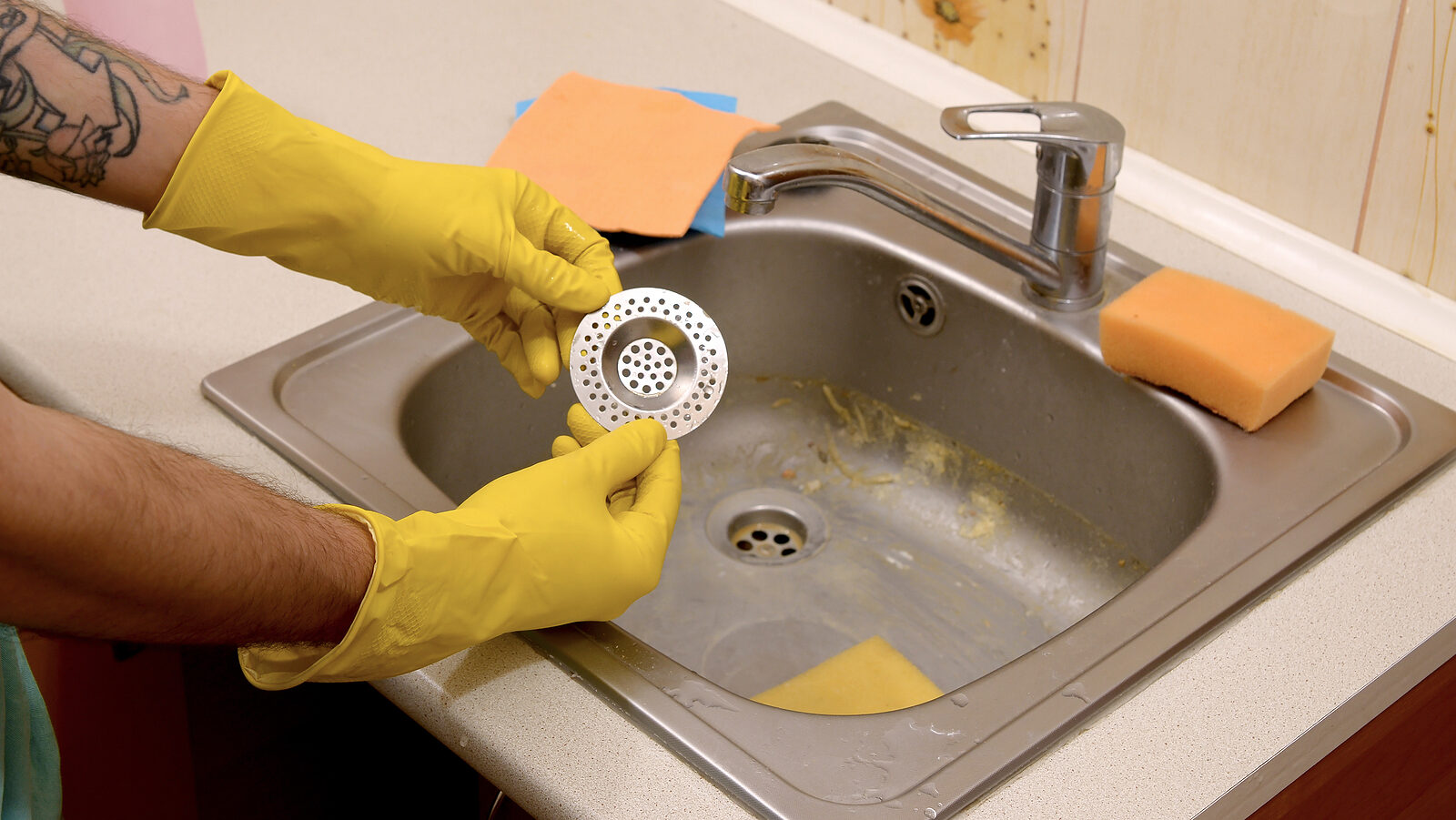
Image Source: blockbusters.co.uk
Figuring Out Why Your Sink Smells Bad
Before you can fix the smell, it helps to know what’s causing it. Different smells mean different problems.
Why Your Sink Might Smell
Lots of things can make your sink smell bad. Let’s look at the main reasons.
- Stuck Food Bits: This is the most common reason. Small pieces of food go down the drain. They get stuck in the pipes or in the garbage disposal. As they sit there, they rot. This makes a bad smell.
- Grease Buildup: Pouring grease, fat, or oils down the drain is a big no-no. It cools down and sticks to the sides of your pipes. Other stuff gets stuck in the grease. This thick, greasy mess becomes a breeding ground for smelly bacteria. This is a classic cause of grease buildup sink smell.
- Bacteria and Mold: Wet, dark places are perfect for bacteria and mold to grow. The inside of your sink drain and pipes is exactly like this. These tiny living things eat the stuck food and grease. Their waste smells bad.
- Partial Clogs: Sometimes, the drain isn’t fully blocked, but stuff moves very slowly. This partial clog lets food and gunk sit longer in the pipe. The sitting gunk rots and smells. A clogged drain bad smell is often stronger than a smell from a clean but dirty drain.
- Garbage Disposal Gunk: The garbage disposal has blades and parts where food can get stuck. Bits of fruit, veggies, meat, or even coffee grounds can hide in there. Over time, these bits rot and cause a strong garbage disposal odor.
- Sewer Gas: This smell is less common but more serious. It smells like rotten eggs (a classic rotten egg smell from drain). This gas, called hydrogen sulfide, can come from your sewer system. It happens when the trap under your sink (the curved pipe) dries out or is broken. The trap is supposed to hold water. This water seal stops sewer gas from coming up into your house.
Understanding the cause helps you pick the right fix. Most times, it’s just stuck food or grease.
Simple Ways to Make Your Sink Smell Nice Again
You don’t always need harsh chemicals to fix a smelly sink. Many simple, natural drain cleaner for smell options work great. They are safer for you, your pipes, and the environment.
Easy Home Remedies for Smelly Drains
These methods use everyday items to clean and freshen your drain. They are great smelly sink drain remedies to try first.
Method 1: Hot Water Power
This is the simplest thing to try. Hot water can help break down grease and wash away loose food bits.
- How To Do It:
- Boil a big pot of water.
- Carefully pour the boiling water slowly down the drain. Be careful not to splash yourself.
- Repeat this a few times if needed.
- Why It Works: The heat helps melt grease a little and loosens up some of the stuck gunk.
- Good For: Light smells, minor grease issues, basic flushing.
- Not Great For: Bad clogs, heavy grease buildup, smells from deep in the pipes or sewer gas.
Method 2: Baking Soda and Vinegar Magic
This is a popular and very effective natural method. Baking soda (a base) and vinegar (an acid) react when mixed. They bubble and fizz. This reaction helps break up gunk and clean the pipe walls. This is the classic baking soda vinegar sink smell fix.
- How To Do It:
- Pour about half a cup of baking soda down the drain. Try to get as much as possible into the drain opening.
- Slowly pour one cup of white vinegar down the drain. You will see it fizz and bubble.
- Let this mix sit in the drain for at least 15-30 minutes. The longer, the better, sometimes even overnight.
- After waiting, pour a pot of hot or boiling water down the drain to wash away the loosened gunk.
- Why It Works: The fizzing action helps lift and loosen debris stuck to the pipes. Baking soda also helps absorb odors. Vinegar helps break down grease and grime.
- Good For: Most common food and grease smells, minor clogs, general cleaning. It’s a great way to clean a smelly sink drain regularly.
- Not Great For: Very bad, solid clogs or sewer gas smells.
Method 3: Salt and Hot Water Scrub
Salt can act like a gentle scrub inside the pipes.
- How To Do It:
- Pour half a cup of salt down the drain.
- Follow with a pot of hot water (not necessarily boiling, but hot tap water is fine).
- Let it sit for a few minutes.
- Rinse with more hot water.
- Why It Works: The salt can help scrape against the pipe walls as it goes down, helping to loosen stuff. The hot water washes it away.
- Good For: Light smells, helping to clear minor buildup.
- Not Great For: Heavy grease or tough clogs.
Method 4: Lemon Peels (For Garbage Disposals)
If the smell is definitely coming from your garbage disposal, citrus peels can help.
- How To Do It:
- Cut up a lemon, lime, or orange peel into small pieces.
- Turn on a slow stream of cold water in the sink.
- Turn on the garbage disposal.
- Carefully drop the citrus peels into the running disposal one piece at a time.
- Let the disposal run for about 30 seconds after the last peel is added.
- Turn off the disposal, then turn off the water.
- Why It Works: The peels scrape the inside of the disposal chamber and blades. The citrus oils leave a fresh, clean smell.
- Good For: Smells coming directly from the garbage disposal unit (garbage disposal odor).
- Not Great For: Smells coming from the pipes further down or from drains without disposals.
Step-by-Step: Using Baking Soda and Vinegar
Let’s go over the baking soda and vinegar method again, step by step, as it’s often the most effective simple fix for baking soda vinegar sink smell.
Step 1: Gather Your Stuff
You need:
* Baking soda (about half a cup)
* White vinegar (about one cup)
* A pot for heating water
* Hot or boiling water
Step 2: Clear the Drain
Remove any strainers from the drain opening. Make sure there are no visible food bits right at the top.
Step 3: Pour in Baking Soda
Carefully pour about half a cup of baking soda directly into the drain opening. Try not to spill it in the sink basin.
Step 4: Add Vinegar
Slowly pour one cup of white vinegar down the drain. Pouring slowly helps the reaction happen inside the drain pipe. Watch and listen for the fizzing sound.
Step 5: Let it Sit
Put the sink stopper in, or cover the drain opening somehow (a cloth works). This helps keep the reaction focused inside the pipe. Let the mixture work for at least 15-30 minutes. For stubborn smells, leave it for an hour or even overnight.
Step 6: Flush with Hot Water
Boil a pot of water while the mixture is sitting. After the waiting time is up, remove the stopper. Carefully pour the hot or boiling water down the drain to rinse everything away.
Step 7: Check the Smell
Does the smell seem better? You might need to repeat the baking soda and vinegar steps for strong smells or grease buildup sink smell.
Cleaning Specific Parts of Your Sink Drain
Sometimes, focusing on specific areas helps get rid of the smell for good. This is key to learning how to clean a smelly sink drain fully.
The Drain Opening and Stopper
Food and gunk can build up right around and under the drain cover or stopper.
- How To Clean:
- Remove the drain stopper or cover if you can.
- Use an old toothbrush or a small cleaning brush.
- Dip the brush in hot, soapy water or a mix of baking soda and water.
- Scrub the drain opening and the stopper itself. Clean around the edges and any small holes.
- Rinse with clean water.
The Garbage Disposal
If you have a disposal, it’s a common source of garbage disposal odor. Cleaning it regularly is important.
- Methods:
- Ice Cubes and Salt: Put a few ice cubes and a handful of salt down the disposal. Run cold water and turn on the disposal. The ice and salt scrape the blades and chamber walls.
- Citrus Peels: As mentioned before, lemon, lime, or orange peels leave a fresh scent and help scrub (see Method 4 above).
- Baking Soda and Vinegar: You can also use the baking soda and vinegar method (Method 2) in a sink with a disposal. Follow the steps, just make sure the disposal is off when the mixture is sitting!
- Special Disposal Cleaner: There are specific cleaning pods or foams for disposals. Follow the product instructions carefully.
The Overflow
Most kitchen sinks have a small hole near the top of the basin. This is the overflow drain. It stops the sink from overflowing if the main drain is blocked. Gunk and mold can grow in the overflow channel, causing smells.
- How To Clean:
- Mix a solution of hot water and a little bleach (about a tablespoon of bleach per quart of water) OR hot water and white vinegar (equal parts).
- Using a funnel or a small cup, carefully pour the cleaning mix into the overflow hole.
- Let it sit for 10-15 minutes.
- Flush with clean water poured into the overflow hole.
- Important: Do not mix bleach and vinegar! Use one or the other.
When Simple Fixes Aren’t Enough
If the natural methods don’t completely get rid of the smell, or if you have a slow drain or a full clog, you might need stronger steps. A clogged drain bad smell is often harder to fix with just baking soda and vinegar.
Using Stronger Cleaners or Tools
Sometimes, you need more power to break through tougher clogs and smells.
Option 1: Commercial Drain Cleaners (Use with Caution!)
There are many drain cleaner for odor products on the market. They come in liquid, gel, or foam form.
- Types:
- Chemical Cleaners: These often use strong chemicals (like lye or sulfuric acid) to dissolve clogs and gunk. They can be effective for grease buildup sink smell or organic matter clogs.
- Enzymatic Cleaners: These use enzymes or bacteria that “eat” away at organic matter (food, grease, hair). They work slower but are much safer for your pipes and the environment. They are good for maintenance and preventing smells.
- How To Use: Always read and follow the instructions on the bottle exactly. Use gloves and make sure the area is well-aired out.
- Pros: Can be effective for tough clogs and smells. Quick results (for chemical types).
- Cons:
- Dangerous: Harsh chemicals can burn skin and eyes. Breathing the fumes is bad.
- Pipe Damage: Some chemicals can damage certain types of pipes, especially older ones.
- Environmental Harm: Chemicals go down the drain and can harm water systems.
- May Not Work: If the clog is too solid, chemicals might just sit there and create a dangerous pool.
- Recommendation: If you use a commercial cleaner, try an enzymatic one first. If you use a chemical one, use it rarely and with extreme care. Never mix different types of chemical cleaners!
Option 2: Mechanical Tools
These tools physically remove the clog or gunk.
- Plunger: A good old plunger can create suction and pressure to dislodge clogs causing a clogged drain bad smell. Make sure you have a good seal over the drain. If you have a double sink, plug the other drain opening tightly.
- Drain Snake or Auger: This is a long, flexible tool that you push into the drainpipe. It can reach clogs further down and break them up or pull them out. Small hand-held snakes are good for sink drains.
- How To Use: Push the snake into the drain until you feel resistance (the clog). Twist the handle to grab or break up the clog. Slowly pull the snake out, cleaning off any gunk as you go. Repeat as needed.
- Pros: Physically removes the clog. No chemicals needed. Can fix serious clogs.
- Cons: Can be a bit messy. Takes some effort. You need to know how to use it without damaging pipes (though sink snakes are generally safe).
Facing Persistent or Unusual Smells
What if the smell doesn’t go away, or it smells like rotten eggs?
Dealing with Stubborn Smells
If you’ve tried the natural methods and a simple drain cleaner for odor, but the smell is still there, especially a strong grease buildup sink smell or a constant foul odor:
- Check the P-Trap: The curved pipe under your sink is called the P-trap (or U-trap). It catches debris and holds a small amount of water to block sewer gases. Sometimes, the gunk is stuck in the trap. You can place a bucket under it, loosen the nuts (you might need a wrench), and carefully remove the trap to clean it out. This can reveal surprising amounts of gunk! Make sure to put it back together tightly to prevent leaks.
- Clean the Main Drain Line: The issue might be further down the main drain line that connects your sink to the house’s main plumbing. This is often where grease buildup sink smell problems start. Professional help might be needed here.
What if it Smells Like Rotten Eggs?
A rotten egg smell from drain almost always means sewer gas. This gas contains hydrogen sulfide, which is smelly and can be harmful in large amounts.
- Check the Trap Water Seal: The most common reason for sewer gas is a dry P-trap. This happens in sinks you don’t use often (like a guest bathroom sink). The water in the trap evaporates.
- Fix: Run the water in the sink for a minute or two. This should refill the trap and restore the water seal.
- Check for Leaks or Damaged Pipes: If the smell persists even after refilling the trap, there might be a leak in the drainpipe or the trap itself. This lets gas escape. Look for wet spots under the sink. Damaged drain vent pipes in the walls or roof can also cause this.
- Call a Plumber: If the rotten egg smell from drain doesn’t go away after running water, or if you suspect pipe damage or vent issues, it’s time to call a professional plumber. Sewer gas is not something to ignore.
Keeping Your Kitchen Sink Smelling Fresh
Prevention is much easier than fixing a bad smell later! Regular simple care stops those pesky odors from coming back. These are crucial smelly sink drain remedies for the long term.
Simple Habits for a Fresh Drain
Make these a part of your kitchen routine.
- Scrape Plates Before Rinsing: Scrape as much food waste as possible into the trash or compost bin before washing or rinsing dishes. This is the single best way to reduce the amount of food going down the drain.
- Don’t Pour Grease Down the Drain: Never pour cooking grease, oils, or fat down the sink. Let it cool and harden. Scrape it into a can or old container and throw it in the trash. This prevents grease buildup sink smell.
- Use Your Garbage Disposal Properly: If you have one, use it for small amounts of food scraps. Always run cold water when using the disposal and for about 30 seconds afterward. Cold water helps food bits stay solid so they can be chopped better. Running water flushes them away. Avoid putting tough or stringy things (like celery, corn husks), coffee grounds (can pack down), or large amounts of anything into the disposal.
- Regular Hot Water Flush: Get in the habit of running very hot tap water down the drain for 30-60 seconds after doing dishes. This helps flush away leftover grease and food particles.
- Monthly Baking Soda and Vinegar Treatment: Even if there’s no smell, doing the baking soda and vinegar soak (Method 2) once a month is a great way to prevent smells and minor buildup. It acts as a proactive natural drain cleaner for smell.
- Clean the Drain Opening Regularly: Scrub the drain cover and opening with hot, soapy water every week or two.
Comparing Drain Cleaning Methods
Here is a quick comparison of the methods we’ve discussed. This can help you choose the right smelly sink drain remedies for your situation.
| Method | How it Works | Best For | Pros | Cons |
|---|---|---|---|---|
| Boiling Water | Melts minor grease, flushes loose gunk | Light smells, minor issues | Very simple, free, safe | Not effective for heavy smells or clogs |
| Baking Soda & Vinegar | Fizzing action loosens gunk, absorbs odors | Common food/grease smells, minor clogs | Natural, safe, inexpensive, effective for most issues | May need repeat treatments for tough smells, doesn’t clear solid clogs |
| Salt & Hot Water | Salt scrapes, hot water flushes | Light smells, minor buildup | Simple, inexpensive | Limited effectiveness on tough problems |
| Citrus Peels | Scrubs disposal chamber, adds fresh scent | Garbage disposal odor | Pleasant smell, helps clean disposal | Only works for disposals, doesn’t clean pipes |
| Plunger | Physical force dislodges clogs | Physical clogs, slow drains | No chemicals, effective for many clogs | Can be messy, requires effort, may not clear buildup |
| Drain Snake/Auger | Physically removes clogs and buildup | Clogs, significant buildup, clogged drain bad smell | Clears physical blockages, no chemicals | Can be messy, requires tool, potential to scratch pipes if not careful |
| Commercial Chemical Cleaner | Dissolves organic matter with strong chemicals | Tough grease, organic clogs | Fast acting on certain clogs | DANGEROUS, harms pipes, bad for environment, may not work on all clogs |
| Commercial Enzymatic Cleaner | Enzymes/bacteria eat organic matter | Maintenance, preventative, light smells | Safer than chemical, good for long-term use | Works slowly, not for active clogs |
| Cleaning P-Trap | Physically removes gunk from the trap | Gunk stuck in trap, recurring smells | Targets a common problem area | Requires tools, involves getting hands dirty |
| Calling a Plumber | Uses professional tools and knowledge | Severe clogs, persistent smells, rotten egg smell from drain, pipe issues | Solves complex problems, expert knowledge | Costs money |
Using the right tool or method for the job makes a big difference in getting rid of that kitchen sink drain smell.
Frequently Asked Questions About Smelly Kitchen Sinks
Here are answers to common questions people ask about smelly sink drain remedies and prevention.
Q1: Why does my sink smell like rotten eggs?
A: This is usually caused by sewer gas (hydrogen sulfide) coming up from the drain. The most common reason is that the water seal in the P-trap under your sink has dried out. This happens if the sink hasn’t been used for a while. Run the water for a minute to refill the trap. If the smell doesn’t go away, it could mean a leak in the drainpipe or a problem with your home’s plumbing vent system. In that case, you should call a plumber.
Q2: Can I use bleach to clean my smelly sink drain?
A: You can pour a small amount of bleach (like half a cup) down the drain followed by water. Bleach kills bacteria and mold, which can cause smells. However, bleach does not break down grease or clogs. Also, bleach is a strong chemical. It produces harsh fumes and should never be mixed with other cleaners like vinegar or ammonia, as this creates dangerous gases. It’s generally better to try natural methods first. If you use bleach, do so rarely and with good ventilation.
Q3: How often should I clean my sink drain to prevent smells?
A: It’s a good idea to do a simple natural cleaning, like the baking soda and vinegar method (Method 2), about once a month. Regular flushing with hot water after doing dishes also helps a lot. Cleaning the drain opening and stopper every week prevents buildup right at the top. Prevention is key to avoiding that stubborn kitchen sink drain smell.
Q4: What’s the best drain cleaner for odor?
A: “Best” depends on the cause. For most common smells from food and grease, baking soda and vinegar or enzymatic cleaners are great natural drain cleaner for smell options. If you have a significant grease buildup sink smell or a clog, you might need a mechanical method like a snake or, as a last resort, a chemical drain cleaner for odor (used carefully!). For a rotten egg smell from drain, the issue is likely sewer gas, not just smelly gunk, so you need to address the trap seal or call a plumber.
Q5: Is a slow drain related to the smell?
A: Yes, often! A slow drain means water and gunk are sitting in the pipes longer instead of washing away quickly. This sitting debris rots and causes a clogged drain bad smell. Fixing the slow drain will usually get rid of the smell as well.
Q6: My garbage disposal smells bad, even after running water. What should I do?
A: This is a common garbage disposal odor issue. Food bits get stuck under the blades or in the disposal chamber. Try the citrus peel method (Method 4) or the ice and salt method. You can also try pouring baking soda into the disposal, letting it sit for a bit, then flushing with hot water and running the disposal with cold water.
Q7: Will pouring grease down the drain if I run hot water prevent smells?
A: No! This is a myth. Hot water only pushes the grease a little further down the pipe before it cools and hardens. Over time, this creates a major grease buildup sink smell and can lead to serious clogs deep in your plumbing. Always put grease in the trash.
Wrapping Up
Dealing with a bad smell in your kitchen sink is annoying, but it’s a problem you can almost always fix yourself. Most kitchen sink drain smell problems come from simple things like stuck food and grease.
Start with the easy, natural smelly sink drain remedies like boiling water or the baking soda and vinegar mix. Clean the drain opening and your garbage disposal.
If those don’t work, you might have a bigger clog that needs a tool like a plunger or snake, or maybe a careful use of a commercial drain cleaner for odor (preferably an enzymatic one).
Remember that a rotten egg smell from drain could mean sewer gas, which needs quick action to check your trap or call a plumber.
Most importantly, get into good habits to prevent smells in the first place. Scrape plates, never pour grease, and do regular simple cleanings. With a little bit of care, you can keep your kitchen sink smelling fresh and clean, day after day!