How tall is a kitchen island? A kitchen island typically stands at one of two main heights: either standard counter height, which is about 36 inches, or bar height, which is roughly 42 inches. These heights match common kitchen counters and bar tables. The right height depends on how you plan to use the island, like for cooking, eating, or both. This guide will cover the common heights and help you choose what works best for your home.
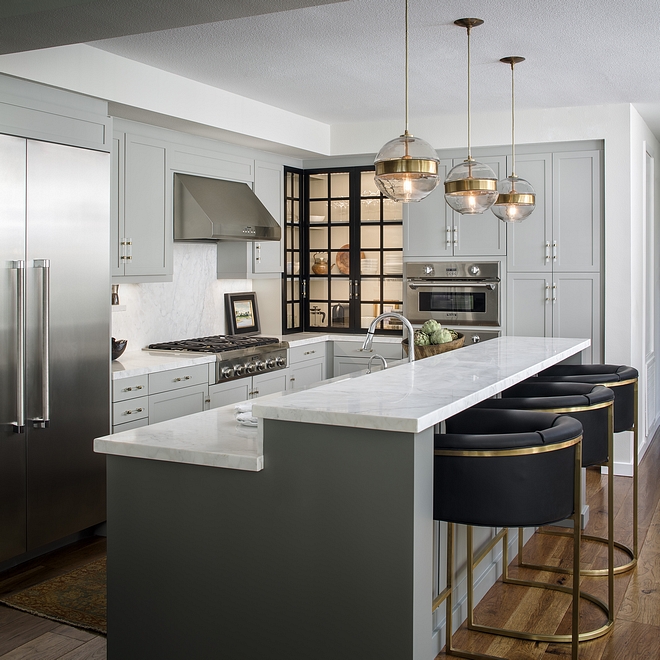
Image Source: www.clarkandaldine.com
Deciphering Standard Heights
Most kitchen islands follow standard heights. These heights line up with other parts of your kitchen. Knowing these sizes helps you plan your space well.
The two main standard kitchen island height options are:
- Counter Height: This is the most common height. It matches standard kitchen counters.
- Bar Height: This is taller than counter height. It’s good for casual eating or drinks.
Let’s look at each one closely.
Grasping Counter Height Islands
Counter height is the go-to choice for many homes. This height is usually between 35 and 36 inches from the floor to the top of the counter. This lines up with the standard height for kitchen counters in most homes.
Choosing counter height has several benefits:
- Matches Counters: It creates a smooth look in your kitchen. The tops are all at the same level.
- Easy to Work On: This height is good for preparing food. It feels natural for chopping, mixing, and other cooking tasks.
- Versatile Use: You can use it for cooking, eating, or a workspace.
- Seating: You can add stools that fit under the counter. These stools are lower than bar stools.
The standard height for kitchen counter is 36 inches. So, a counter height island will also be around 36 inches tall. This makes it easy to move items from the counter to the island and back. It feels like one large workspace.
Counter height island dimensions usually include this 36-inch height. The width and length can change a lot. But the height stays pretty much the same to match your counters.
Think about how you cook. Do you roll dough? Do you need space to spread out? A counter height island gives you that space at a comfortable height. It feels like an extension of your main counters.
Here’s a simple look at counter height:
- Height: About 35-36 inches.
- Purpose: Food prep, cooking, homework, casual eating.
- Seating: Needs stools with seat heights around 24-26 inches.
- Matches: Standard kitchen counters.
This height is very popular because it works for most kitchen tasks. It blends well with the rest of the kitchen design.
Composing Bar Height Islands
Bar height islands are taller. They usually stand around 41 to 43 inches tall. This is about 6 inches taller than counter height. This height is like a pub table or a bar you might see in a restaurant.
A bar height kitchen island is often used for eating. People can sit on taller stools. It creates a separate area for dining or drinks.
Why pick bar height?
- Separate Zone: It clearly sets apart the cooking area from the eating area.
- Casual Dining: Great for quick breakfasts, snacks, or drinks with friends.
- Hides Mess: The taller height can hide clutter on the counter side.
- Different Look: It gives your kitchen a different style.
When you have a bar height island, you need special stools. These are taller than counter height stools. Proper island height for seating is key here. Bar stools usually have seats that are 28 to 30 inches high.
A bar height island can have two levels. One side might be counter height for cooking. The other side might be raised to bar height for seating. This design gives you the best of both worlds. You get a good height for cooking and a good height for eating.
Kitchen island design heights often include both counter and bar heights. Some islands even have three levels! But two levels (counter and bar) are most common if you mix heights.
Think about how you use your kitchen. Do you entertain often? A bar height island with stools is a great spot for guests to gather while you cook. Do your kids do homework at the island? Bar height might be too tall for young children.
Here’s a simple look at bar height:
- Height: About 41-43 inches.
- Purpose: Eating, drinking, socializing, quick meals.
- Seating: Needs stools with seat heights around 28-30 inches.
- Matches: Bar or pub tables.
Choosing between counter height and bar height depends on your needs. Do you need more workspace or more seating space? How do you live in your kitchen?
Standard Island Height Measurements
Let’s break down the numbers. Standard kitchen island height is usually 36 inches. This matches the standard height for kitchen counter. This includes the cabinet base and the countertop thickness.
A typical base cabinet is about 34.5 inches tall. The countertop sits on top of this. Countertops are usually 1.5 inches thick. 34.5 inches + 1.5 inches = 36 inches. That’s how you get the standard height.
For a bar height kitchen island, the total height is about 42 inches. If you have a single-level bar height island, the base will be taller. Or the countertop edge might be thicker.
If you have a two-level island:
* The lower part (counter height) is 36 inches.
* The upper part (bar height) is 42 inches.
* There’s often a riser or support between the two levels.
These Island height measurements are industry standards. Most pre-built islands follow these rules. Custom islands can be any height you want. But sticking to standard heights makes it easier to find stools and appliances.
Kitchen island specifications height will always mention these standard sizes. When you buy an island, check the specs. Make sure the height is what you need for how you plan to use it.
Here is a table showing the common heights:
| Island Type | Total Height (approx.) | Base Cabinet Height (approx.) | Countertop Thickness (approx.) | Seating Height (approx.) | Stool Seat Height (approx.) |
|---|---|---|---|---|---|
| Counter Height | 36 inches | 34.5 inches | 1.5 inches | 36 inches | 24-26 inches |
| Bar Height | 42 inches | Varies (often raised) | Varies | 42 inches | 28-30 inches |
Note: These are average kitchen island height numbers. Small differences can happen.
Proper Island Height for Seating
Getting the seating right is very important. The comfort of your island depends on it. The stool height must match the island height.
For a counter height island (36 inches tall):
* You need counter stools.
* The seat height of the stool should be around 24 to 26 inches.
* This leaves about 10-12 inches between the stool seat and the island top.
* This space is good for people’s legs and makes sitting comfortable.
For a bar height kitchen island (42 inches tall):
* You need bar stools.
* The seat height of the stool should be around 28 to 30 inches.
* Again, this leaves about 10-12 inches of space.
Using the wrong stool height is uncomfortable. Your legs won’t fit well. Or the island will be too low or too high for eating or working.
When choosing stools, think about who will use them. Do you need backs on the stools? Do you need arms? Swiveling seats? All these things matter for comfort. But the seat height is the most important first step.
Always measure your island height before buying stools. Don’t just guess. Measure from the floor to the top of the island counter where you will sit. Then look for stools with the right seat height range.
Kitchen Island Design Heights and Considerations
Beyond the standard heights, kitchen island design heights involve other choices. These choices affect how the island looks and works in your kitchen.
- Single Level vs. Multi-Level: Will the island top be one flat surface? Or will it have different heights? A multi-level island might have a counter height section for prep. It might have a bar height section for seating. Or even a lower table-height section (around 30 inches) for dining like a table.
- Countertop Thickness: The material and thickness of your countertop add to the total height. A thick butcher block or stone slab will make the island slightly taller than a thin laminate top, even with the same base cabinet height. Standard countertop thickness is about 1.5 inches. But some designs use much thicker tops (2 inches, 3 inches, or more) for a bold look.
- Base Design: The base of the island also affects the height. Is it made of standard cabinets? Is it a furniture-style base with legs? Legs can change the overall height slightly. The base needs to be strong to hold the heavy countertop.
- Toe Kick: Most kitchen cabinets have a toe kick space at the bottom. This is a recessed area about 4 inches high and 3 inches deep. It’s there so you can stand closer to the counter comfortably. Islands made from cabinets will have this. Furniture-style islands might not. This doesn’t change the total height but affects how you stand or sit at the island.
- Appliances and Features: Will your island have a sink? A cooktop? A dishwasher? These features need certain clearances and hookups below. The height of the island needs to work with the plumbing and electrical needs of these items. For example, a sink needs space for the basin and pipes below. A cooktop needs space for burners and ventilation parts. These things are part of the overall kitchen island specifications height planning.
All these factors play a role in the final island height. They also impact the function and style of your kitchen.
Choosing the right height is about more than just a number. It’s about how you use your kitchen every day. It’s about making the space work for you and your family.
Island Height Measurements Explained
Let’s look closer at island height measurements. When we say 36 inches or 42 inches, this is the total height. It’s measured from the finished floor to the highest point of the island’s usable surface.
If your island has a decorative edge on the countertop that hangs down, the total height is still measured to the top surface.
The base of the island is usually a cabinet box or frame. Standard base cabinets are 34.5 inches tall. Adding a 1.5-inch countertop makes it 36 inches.
If you have a custom height needed, say 38 inches, you might use a standard 34.5-inch base cabinet and add a thicker countertop (3.5 inches). Or the cabinet maker might build a custom base that is 36.5 inches tall to use a standard 1.5-inch top.
For bar height (42 inches), the structure is different.
* A single-level 42-inch island would have a taller base cabinet (around 40.5 inches) plus a 1.5-inch top.
* A two-level island has the 36-inch base. Then a wall or riser is built on top of the 36-inch counter. This riser is about 6 inches tall. It holds the 42-inch bar top. The 42-inch top might also have an overhang for seating.
Understanding these Island height measurements helps you work with designers or contractors. It helps you check that the finished product will be the height you need.
Kitchen Island Clearance Height
This is a very important part of planning. Kitchen island clearance height refers to the open space around the island. This space lets you walk around it. It lets you open cabinets and appliances. It lets people sit at the island comfortably.
There are rules and guides for how much space you should leave. These guides come from kitchen design experts and building codes.
-
Walkway Clearance: The space between the island and other counters or walls.
- A minimum of 36 inches (3 feet) is needed for a walkway. This is okay for one person to walk by.
- A better size is 42 inches (3.5 feet). This is good for one person working while another walks by.
- If you have two people working back-to-back, like at an island and a counter behind it, you need at least 48 inches (4 feet) between them. This gives space for both to move and for oven doors or dishwasher doors to open.
-
Seating Clearance: The space behind stools at the island.
- If there’s a wall or obstacle right behind the seating, you need about 32 inches from the back of the island to the wall. This allows space for someone to pull out the stool and sit down.
- If there is a walkway behind the seating, you need more space. About 36 inches is the minimum if the walkway is not the main path.
- If the walkway behind the seating is a main path through the kitchen, aim for 44 inches or more. This lets people walk behind someone seated at the island.
Not leaving enough Kitchen island clearance height is a common mistake. It makes your kitchen feel cramped. It makes it hard to move around. It can even make it unsafe.
Before you put in an island, measure your space carefully. Draw out the island size on the floor with tape. See how much space is left around it. Make sure you have enough room to walk, work, and sit.
The height of the island itself doesn’t directly change the width of the clearance needed. But a taller island might feel more imposing in a small space. So scale matters. A big, tall island in a small kitchen can feel overwhelming.
Good planning of island clearance height makes your kitchen flow well. It makes it easy to use and enjoy.
Average Kitchen Island Height and Variations
We talked about the standard heights: 36 inches (counter height) and 42 inches (bar height). These are the average kitchen island height options you will find.
However, kitchens and homes are different. Some islands might be slightly lower or higher.
- Table Height: Some islands are designed to be like a kitchen table. These are around 30 inches tall. You use regular dining chairs with them. This is a good choice if your main goal is casual dining, not extra workspace matching the counters.
- Custom Heights: If you are building a custom kitchen, your island can be any height you want.
- Someone very tall might want a 38 or 40-inch counter height island for more comfortable food prep.
- Someone who uses a wheelchair will need a lower section, possibly 28-34 inches high, with knee space below. This requires careful planning for the base design.
Kitchen island design heights are not set in stone. They are guidelines based on what works for most people and most tasks.
Think about everyone in your home. Who will use the island most? What will they use it for? If you are a family with young children, a very tall bar height might not be practical for them. If you are an avid baker, you might prefer a height slightly lower than standard counter height for rolling dough.
The average kitchen island height works for most people doing most tasks. But knowing these averages helps you decide if you are “average” in your needs or if you need something different.
Further Kitchen Island Specifications Height Details
When getting into the specifics, kitchen island specifications height includes more than just the overall top height.
- Base Cabinet Height: As mentioned, standard bases are 34.5 inches. Custom heights are possible.
- Adjustable Legs: Some islands or island kits come with adjustable legs. This lets you fine-tune the height slightly. This is helpful if your floor isn’t perfectly level.
- Wheels (Casters): Some smaller, movable islands have wheels. Wheels add height. Make sure the total height with wheels is right for you. Look for wheels that can lock so the island stays put when you use it.
- Countertop Overhang: If you plan to have seating, you need a countertop overhang. This is where the counter extends past the cabinet base. It gives knee space.
- For counter height (36 inches), you need at least 10-11 inches of overhang depth for comfortable seating.
- For bar height (42 inches), you need at least 8-9 inches of overhang depth. Taller seats mean less need to tuck legs far under.
- The overhang thickness is part of the total height. The material choice affects how far the counter can extend without extra support. Stone might need supports if the overhang is very deep.
All these details are part of the Kitchen island specifications height. They matter for how the island functions and how strong it is.
Getting the specifications right ensures your island is not just the right height overall, but also built correctly for how you will use it, including seating.
Interpreting Common Island Sizes and Heights
Let’s put it all together. When you see kitchen island sizes and heights listed, they are usually giving you the total height.
- An island listed as “36 inches high” is standard counter height. It’s designed to match your kitchen counters and is good for prep and casual seating.
- An island listed as “42 inches high” is standard bar height. It’s designed for taller stools and often used more for eating or socializing.
- An island listed as “30 inches high” is table height. It’s meant to be used like a kitchen table with chairs.
These are the three most common island height measurements you will find.
Sometimes, an island might be described by its function, which tells you its likely height:
* “Prep Island”: Likely counter height (36 inches).
* “Seating Island”: Could be counter height (36 inches) or bar height (42 inches), depending on the design. Check the specifications.
* “Dining Island”: Likely table height (30 inches) or possibly bar height (42 inches) if using bar stools.
Always confirm the exact height in the kitchen island specifications height list before buying.
Also, remember the standard height for kitchen counter is 36 inches. This is the key number that counter height islands match.
Kitchen Island Clearance Height in Practice
Visualizing clearance is hard just by reading numbers. Here’s how to think about it in your kitchen:
Imagine you have base cabinets along one wall. The counter sticks out about 25 inches from the wall.
You want to put an island in front of it.
If you have 42 inches of space between the counter edge and the island edge, you have good clearance. You can open dishwasher doors easily. You can work at the counter while someone walks behind you.
Now imagine adding stools to the island.
The island is 24 inches deep (front to back).
You have a 10-inch overhang for seating. The total depth is 34 inches.
Behind the island, you have a wall.
You need 32 inches minimum from the back edge of the island (including overhang) to the wall.
34 inches (island depth) + 32 inches (clearance) = 66 inches needed from the front of the island to the wall behind it.
If that space behind the island is a walkway:
You need 36 inches minimum, better 44 inches.
Let’s use 44 inches.
34 inches (island depth) + 44 inches (clearance) = 78 inches needed from the front of the island to the wall/obstacle behind the walkway.
These Kitchen island clearance height numbers show why planning is vital. An island that is too big or placed poorly will make your kitchen feel small and hard to use.
Always measure your available space. Don’t just look at the total room size. Look at the space between existing cabinets, walls, and appliances. Then see what size island (width, depth, and height) fits while keeping good clearance.
The height of the island doesn’t change these horizontal clearance rules. But a taller island can feel bigger in the space. So, in a smaller kitchen, a counter height island might feel more open than a bar height one, even if the dimensions are the same.
Proper planning ensures your island is a helpful addition, not an obstacle.
Summarizing Island Height Options
To wrap up the height options:
- 30 inches (Table Height): Like a regular table. Good for dining with chairs. Not typical for prep matching counter height.
- 36 inches (Counter Height): The most common. Matches standard kitchen counters. Great for food prep and seating with counter stools (24-26 inch seat height). This is the standard kitchen island height and standard height for kitchen counter.
- 42 inches (Bar Height): Taller than counters. Good for casual eating and socializing with bar stools (28-30 inch seat height). This is the bar height kitchen island.
These are the main Kitchen island specifications height choices.
When choosing, ask yourself:
1. What will I use the island for most? (Prep, eating, homework, socializing?)
2. Who will use the island? (Adults, kids, people with mobility needs?)
3. What is the style of my kitchen? (Does a multi-level island fit the look?)
4. How much space do I have around the island? (Crucial for Kitchen island clearance height).
Thinking about these questions helps you pick the best height.
Remember the average kitchen island height is 36 inches for counter height and 42 inches for bar height. These are based on what is comfortable for most people and typical kitchen tasks. Island height measurements are usually total height from the floor.
Why Height Matters for Function and Comfort
The height of your kitchen island impacts how comfortable you are while using it.
If you use the island for food prep:
* A counter height (36-inch) island is usually the best height for chopping, mixing, and other tasks. It’s the same height as your other counters, which is designed for comfortable standing work.
* If the island is too low, you might have to bend over, which can hurt your back.
* If the island is too high, it can be awkward to lean over it to work.
If you use the island for eating:
* Both counter height (36-inch) and bar height (42-inch) work, but they need the right stools.
* Counter height with counter stools feels more like sitting at a table, but higher.
* Bar height with bar stools puts you higher up, which can feel more like a casual bar setting. Some people find this height better for standing and leaning.
* Table height (30-inch) is like a normal dining table, most comfortable for longer meals.
Proper island height for seating means having the right gap between the seat and the counter. Too little space is cramped. Too much space makes you reach too far down. The 10-12 inch gap is the sweet spot.
The island height measurements are tied directly to how well the island functions. A beautiful island at the wrong height for your needs will be less useful.
Kitchen island design heights should always start with how the space will be used. Form follows function. The height supports the intended use.
Consider multi-generational living. If elderly family members or young children will use the island, a counter height or even table height section might be more accessible than bar height.
The importance of Kitchen island clearance height also ties into function. If you can’t move freely around the island, the kitchen is less functional. If people sitting at the island block a walkway, it creates problems.
So, while 36 and 42 inches are standard, thinking through your specific needs is key to picking the perfect height for your kitchen island.
Table of Standard Dimensions (Including Width and Depth)
While height is the main topic, here are some typical width and depth ranges for islands, along with standard heights. Remember, these are averages.
| Dimension Type | Counter Height (36″) Ranges | Bar Height (42″) Ranges | Table Height (30″) Ranges | Notes |
|---|---|---|---|---|
| Height | 35-36 inches | 41-43 inches | 29-30 inches | Floor to top of usable surface |
| Width | 24-48 inches | 24-36 inches | 24-48 inches | Side-to-side dimension |
| Depth | 30-40 inches | 24-30 inches | 30-40 inches | Front-to-back dimension (excluding overhang) |
| Seating Overhang | 10-11 inches minimum | 8-9 inches minimum | 18-24 inches minimum | Space for knees/legs under counter |
| Base Cabinet Ht | 34.5 inches | Varies (often taller base or riser) | 28.5 inches | Height of the structure supporting top |
| Countertop Thick | 1.5 inches (standard) | Varies | Varies | Adds to total height |
Counter height island dimensions for depth (front to back) are often deeper if they contain cabinets on both sides or appliances. Bar height sections can be less deep because they are mainly for seating.
The total size (width and depth) of your island must fit your kitchen space while leaving enough Kitchen island clearance height. A good rule of thumb is that for every foot of island length, you need at least 4 feet of clearance width around it, especially if it’s a main walkway.
These average kitchen island height and dimension numbers give you a starting point. Always measure your own space and think about function before deciding on the final size and height.
Kitchen island specifications height and dimensions go hand-in-hand. You can’t pick one without considering the others and how they fit into your overall kitchen layout.
Planning Your Island Height
So, how do you choose the right height for your kitchen?
- Look at Your Kitchen: What height are your current counters? Do you want the island to match?
- Think About Use: Will it be mainly for cooking? Eating? A place for kids to do homework?
- Consider Seating: How many people need to sit? What height stools or chairs do you want? Do you need space for knees (overhang)?
- Measure Your Space: Crucial for ensuring proper Kitchen island clearance height around the island.
- Think About Style: Does a single level or multi-level island fit your kitchen’s look?
Most people choose standard counter height (36 inches) because it’s versatile. It works for cooking and seating. It matches the rest of the kitchen. It’s the average kitchen island height for good reason – it fits many needs.
But if your main goal is a separate, casual eating spot, a bar height kitchen island (42 inches) might be better.
If you need extra workspace and also a casual dining spot but have limited space for both, a multi-level island could be the answer. Part at 36 inches, part at 42 inches.
Don’t forget the standard height for kitchen counter is 36 inches. This is your base number if you want a matching island.
Island height measurements are not just numbers on a page. They are about creating a space that works for you. Take your time, measure twice, and think about how you live in your kitchen.
Kitchen island design heights are flexible. You have options. By understanding the standard sizes and how they are used, you can make the best choice for your home.
Conclusion
Choosing the right kitchen island height is a key step in designing your dream kitchen. The standard options are counter height (36 inches) and bar height (42 inches). Counter height matches typical counters, making it great for food prep and versatile use. Bar height is taller, perfect for casual eating and socializing with bar stools.
Getting the proper island height for seating is vital for comfort. Counter height needs 24-26 inch stools, while bar height needs 28-30 inch stools. Always check island height measurements before buying stools.
Kitchen island specifications height also includes details like base height, countertop thickness, and overhangs. Planning for Kitchen island clearance height is just as important as the island’s size and height. You need enough space to move around easily.
The average kitchen island height is 36 or 42 inches, but table height (30 inches) and custom heights are also options. Your choice depends on how you plan to use the island, who will use it, and the space you have.
By considering all these factors – standard sizes, seating needs, specifications, clearance, and your personal preferences – you can pick the perfect height to make your kitchen island both functional and beautiful.
Frequently Asked Questions
Q: What is the most common kitchen island height?
A: The most common height is 36 inches. This is standard counter height.
Q: How much space do I need for seating at a counter height island?
A: For comfortable seating at a 36-inch counter height island, you need about 10-11 inches of countertop overhang for knee space.
Q: What height stools do I need for a 42-inch bar height island?
A: For a 42-inch bar height island, you need bar stools with a seat height of about 28 to 30 inches.
Q: Can a kitchen island be table height?
A: Yes, some islands are designed to be table height, around 30 inches. These are used with regular dining chairs and are best for dining rather than food prep matching counters.
Q: How much space should be around a kitchen island?
A: You should aim for at least 36 inches (3 feet) of clear space around the island for walkways. If it’s a main walkway or two people will work back-to-back, 42-48 inches is better. For seating areas with a wall behind, allow about 32 inches from the island edge to the wall.
Q: Does the countertop thickness affect the island height?
A: Yes, the thickness of the countertop is part of the total height measurement. Standard countertops are about 1.5 inches thick, but thicker tops can be used and will increase the overall height if the base height isn’t adjusted.