Can you use Drano on a clogged kitchen sink? While you can pour Drano down a clogged kitchen sink, it is generally not recommended and comes with significant risks to your pipes, your health, and the environment. There are often safer and more effective alternatives to Drano for sink clogs, especially in the kitchen where grease and food particles are common culprits.
Using strong chemical drain cleaners might seem like an easy fix, but they can cause long-term problems. This post will explore why Drano is risky for kitchen sinks and share better ways to clear blocked drains.
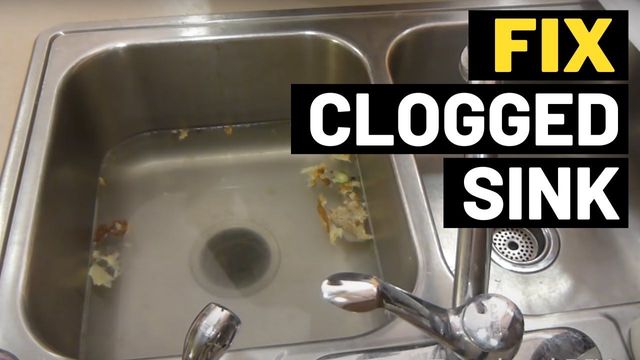
Image Source: lirp.cdn-website.com
Deciphering How Drano Works
Drano is a well-known brand of drain cleaner. It uses powerful chemicals to break down clogs. Most Drano products contain ingredients like sodium hydroxide (lye) and sodium hypochlorite (bleach).
When you pour Drano into a drain, these chemicals react with the clog.
* Sodium hydroxide creates heat. This heat can melt grease and break down soft stuff like hair and soap scum.
* Sodium hypochlorite is bleach. It helps break down organic material.
* Some types also have aluminum. Aluminum reacts with the lye and water. This makes the mixture fizz and bubble. This action can help stir up the clog.
The idea is that these reactions will eat away at the blockage. This should open up the pipe.
Risks When Using Drano in Your Kitchen Sink
Pouring harsh chemicals like Drano down your kitchen drain is risky. The risks of using Drano are many. These risks affect your pipes, your health, and the world around us.
Let’s look at the dangers.
Hurting Your Pipes
One big risk is pipe damage. Drano makes heat inside the pipe. It also uses strong chemicals.
Will Drano Damage PVC Pipes?
Yes, will Drano damage PVC pipes is a key concern. Many homes have PVC (plastic) pipes under the sink. Drano’s heat and chemicals can soften PVC pipes. They can even warp or melt them if the reaction is strong or if you use Drano often.
Softened pipes are weak. They can bend or break easily. This can lead to leaks. Fixing leaks costs money and causes a mess.
Older metal pipes, like brass or copper, are not safe either. The harsh chemicals can eat away at the metal over time. They can make the pipes weak or cause corrosion. This can also lead to leaks and breaks.
Using Drano once might not destroy pipes right away. But repeated use is a big problem. It causes damage little by little.
Making Dangerous Fumes
Drano contains strong chemicals. When these chemicals react, they can make fumes. These fumes are not safe to breathe.
Mixing Drano with other cleaners is very dangerous. People might pour Drano first. Then they might try another cleaner or even hot water if Drano does not work. Mixing chemicals can make toxic gases. Breathing these gases can hurt your lungs. It can cause coughing, breathing problems, or worse. Always read warning labels carefully. They tell you not to mix Drano with anything else.
Splashing and Burning Skin
Drano is very corrosive. This means it can burn living tissue. If Drano splashes on your skin or in your eyes, it can cause serious burns.
It is hard to use Drano safely. You need gloves and eye protection. Even then, spills can happen. This is especially true when dealing with a clogged sink. The water is sitting there. Pouring Drano in can cause it to splash back.
Hurting the Environment
The chemicals in Drano do not just disappear. They go down your drain. They enter the water system. These chemicals are bad for rivers, lakes, and the plants and animals that live there. They are hard to remove at water treatment plants.
Using safe drain cleaning methods helps protect our planet.
Not Always Working
Drano works best on things like hair and soap scum. This is common in bathroom drains. Kitchen clogs are often different. They are usually caused by grease, food bits, and coffee grounds.
Grease clogs can be thick and sticky. Drano’s heat might melt grease a little. But it can also push it further down the pipe. As the grease cools, it hardens again. This can make the clog bigger and harder to remove.
If Drano does not clear the clog, you still have a problem. Now you have a clog and a pipe full of harsh chemicals.
Making a Plumber’s Job Harder
If Drano fails, you will likely call a plumber. Plumbers use tools like snakes or hydro-jetters. These tools work directly on the clog.
When a plumber arrives, they have to deal with the Drano left in the pipe. This is dangerous for them. They risk chemical burns or breathing fumes. They might need to take extra steps to remove the chemical before they can even start on the clog. This can make the repair take longer and cost more money.
Comprehending Kitchen Sink Clogs
Kitchen sinks face unique challenges. The things that go down the drain are different from bathrooms.
Common things that clog kitchen sinks are:
* Grease and fat (from cooking oil, butter, meat fats)
* Food particles (rice, pasta, vegetable scraps, coffee grounds)
* Soap scum (from dish soap)
* Sometimes small objects (utensil, toy)
Grease is a major issue. It is liquid when hot. But it cools quickly in the drain pipes. It sticks to the pipe walls. Other food bits stick to the grease. Over time, this builds up. It makes the pipe opening smaller and smaller. This leads to slow drains and eventually full clogs.
Bathroom clogs are more often hair mixed with soap scum. Drano can be more effective on hair because the chemicals dissolve it. But kitchen grease is different. Drano often struggles with thick grease blockages. This is why the best way to unclog grease buildup usually involves different methods.
Exploring Safe Alternatives to Drano
Good news! You can unclog your kitchen sink without using harsh chemicals. There are many how to unclog kitchen sink without Drano methods. These methods are safer, cheaper, and often more effective for kitchen clogs. They are also safe drain cleaning methods.
Here are some options:
The Hot Water Method
This is the simplest method. It works best on clogs caused by grease.
- Boil a large pot of water.
- Let the water cool for a minute or two. Very hot water can still harm some pipes, though less likely than Drano. You want it hot enough to melt grease, but not boiling point pouring straight in.
- Carefully pour the hot water directly down the drain opening. Pour it slowly in stages. Do not just dump it all at once.
- You might hear gurgling sounds as it works.
- Repeat if needed.
Sometimes, this is all it takes to melt a small grease clog.
The Plunger Method
A plunger is a powerful tool for clogs. You need a good plunger designed for sinks (usually flat-bottomed).
- Make sure there is some water in the sink. If not, add an inch or two. This helps the plunger make a seal.
- Block off any other openings. If you have a double sink, plug the other drain with a stopper or wet cloth. If you have an overflow drain (usually near the top of the sink), cover it tightly with a wet cloth or tape. This makes sure all the force goes to the clog.
- Place the plunger cup firmly over the drain opening. Make sure it covers the drain completely and makes a seal.
- Push the plunger handle down firmly and quickly. Then pull it up sharply. Do this up and down motion 15-20 times. Keep the seal tight.
- On the last pull, lift the plunger quickly away from the drain. This breaks the seal and creates strong suction.
- Check if the water drains.
- Repeat if the clog is still there. Add more water if needed.
Plunging creates pressure and suction. This back-and-forth movement can dislodge many types of clogs. It is especially good for clogs near the drain opening or in the trap.
The Baking Soda and Vinegar Method
This is a popular and natural way to clean drains. It uses common household items. It is a great baking soda and vinegar drain cleaner.
- Pour about half a cup of baking soda down the clogged drain.
- Slowly pour about one cup of white vinegar down the drain.
- The baking soda and vinegar will react. They will fizz and bubble. This reaction helps loosen the clog. It can break down grease and grime.
- Let the mixture sit for 15-30 minutes. The longer it sits, the more it can work.
- After waiting, pour hot (not boiling) water down the drain to flush it.
This method is gentle and does not harm pipes. It creates a physical reaction (fizzing) and uses mild acids to help clean. It might not clear very tough or deep clogs, but it works well for minor ones and for freshening drains.
The Drain Snake Method
A drain snake for sink clogs is a very effective tool. It is a long, flexible piece of metal or plastic. It goes into the drain and pipe. It can reach and break up clogs that are further down.
There are different types of drain snakes:
* Hand augers: These are common for sinks. They have a handle you turn. Turning the handle pushes the snake down the pipe. It also helps the end twist into the clog.
* Closet augers: These are for toilets, not sinks.
* Power augers: These use electricity to turn the snake. Plumbers often use these for tough clogs further down the line.
How to use a hand auger for a sink:
- Put the tip of the snake into the drain opening.
- Slowly feed the snake down the pipe. You might feel resistance.
- When you hit the clog, you will feel a stop.
- Start turning the handle of the snake. While turning, gently push the snake further. The end of the snake (it might have a hook or corkscrew shape) will grab onto the clog or break it up.
- Keep working the snake until you feel the clog break apart or you can pull some of the clog back out.
- Once the water starts to drain, slowly pull the snake back out of the pipe. Clean the snake as you pull it out (it will be dirty!).
- Run hot water down the drain for several minutes to flush away any leftover bits of the clog.
Using a drain snake takes a little practice. Be careful not to force the snake too hard, especially around bends in the pipe. This can damage the pipe. But it is a powerful tool for removing physical blockages.
Taking Apart the P-Trap
Under your sink is a curved pipe section. This is called the P-trap (or S-trap). Its curve holds a little water. This water acts as a seal to stop sewer gases from coming up into your house.
The P-trap is also where many sink clogs happen. Food bits, grease, and other things get caught in the bend.
You can usually take the P-trap apart to clean it.
- Put a bucket or pan under the P-trap. This will catch the water and gunk inside.
- Use pliers (or sometimes you can use your hands) to loosen the large nuts on both ends of the P-trap.
- Carefully remove the P-trap.
- Empty the water and blockage into the bucket.
- Use an old toothbrush or a bottle brush to clean the inside of the trap. Remove all the gunk.
- Check the pipes leading to and from the trap as well. You might see the clog there.
- Rinse the P-trap with water.
- Put the P-trap back in place. Hand-tighten the nuts first. Then use pliers to gently tighten them a bit more. Do not overtighten, as this can crack plastic nuts or pipes.
- Run water slowly at first to check for leaks. Tighten a little more if needed.
Cleaning the P-trap is one of the most effective ways to fix a stubborn kitchen sink clog. It is a direct way to remove the blockage.
Summary of Safe Drain Cleaning Methods
Here is a quick look at safe ways to clean your kitchen sink drain:
| Method | What it Does | Best For | Pros | Cons |
|---|---|---|---|---|
| Hot Water | Melts grease | Minor grease clogs | Easy, cheap, very safe | Only works on minor grease |
| Plunger | Uses pressure and suction to push/pull clog | Clogs near drain/trap | Effective, no chemicals | Need a good seal, requires physical effort |
| Baking Soda & Vinegar | Creates fizzing reaction, loosens grime | Light clogs, odor removal | Safe, natural, easy | Not for heavy clogs, slower acting |
| Drain Snake (Hand Auger) | Physically breaks up or pulls out clog | Deeper clogs, various types | Very effective on many clog types | Requires some skill, can scratch pipes if rough |
| Cleaning the P-Trap | Direct removal of blockage in the trap | Clogs in the trap area | Highly effective for trap clogs | Requires basic tools, involves handling gunk |
| Safe Drain Cleaning Methods | Avoids harsh chemicals, protects pipes/health | General drain maintenance/clogs | Protects pipes, environment, and health | May require more effort than pouring liquid |
These alternatives to Drano for sink clogs are better choices for your home plumbing.
Pinpointing the Best Way to Unclog Grease Buildup
As mentioned, grease is a common kitchen sink problem. The best way to unclog grease buildup often uses a mix of the safe methods.
- Start with Hot Water: Pouring hot water can melt the top layer of grease or soften it. This might get things moving or make the clog easier to deal with.
- Try the Plunger: If hot water doesn’t work, plunging can sometimes break up the softened grease clog or push it through. The pressure can help.
- Use Baking Soda and Vinegar: The fizzing action of baking soda and vinegar can help break down grease buildup on the pipe walls. Follow it with hot water.
- Clean the P-Trap: If the grease clog is right under the sink, taking apart and cleaning the P-trap is highly effective. You can directly remove the solid grease mass.
- Use a Drain Snake: For grease clogs further down the pipe, a drain snake can break through the hardened grease. The tip of the snake can churn up the blockage.
Using a combination of these methods is usually the best way to unclog grease buildup. It’s safer and more effective than relying on chemicals that might just push the grease further down or damage your pipes.
Preventing Kitchen Sink Clogs
Stopping clogs before they start is the smartest approach. Preventing kitchen sink clogs saves you time, money, and frustration.
Here are simple steps you can take:
- Do Not Pour Grease Down the Drain: This is the most important rule. Let cooking grease cool and harden. Scrape it into the trash bin. Wipe greasy pans with a paper towel before washing. Even small amounts of liquid grease add up over time.
- Use a Sink Strainer: Place strainers in your drain openings. These catch food particles and other debris before they go down the pipe. Empty the strainer into the trash regularly.
- Scrape Plates Before Washing: Scrape leftover food into the trash or compost bin before rinsing plates or putting them in the dishwasher.
- Avoid Putting Coffee Grounds or Eggshells Down the Drain: These items do not break down easily in water. They can clump together and cause blockages.
- Run Cold Water When Using the Garbage Disposal: If you have a garbage disposal, always run cold water before, during, and for 30 seconds after using it. Cold water helps harden grease so it can be chopped better and flushed through the pipes. Do not overload the disposal.
- Never Put Expandable Foods Down the Drain: Rice and pasta can expand in water. This makes clogs worse.
- Regularly Flush with Hot Water: Once a week, pour a kettle of hot (not boiling) water down your drain. This can help melt away minor grease buildup before it becomes a problem.
- Consider Regular Baking Soda and Vinegar Treatments: Pouring half a cup of baking soda followed by one cup of vinegar down the drain monthly can help keep it clean and free-flowing. Let it sit for 15 minutes, then flush with hot water. This is a simple safe drain cleaning method for maintenance.
By following these steps, you can greatly reduce the chances of a kitchen sink clog happening in the first place.
Grasping When to Call a Plumber
Sometimes, a clog is too tough for DIY methods. You might need professional help. Knowing when to call a plumber for clogged sink issues is important. Trying to fix a problem that is too big for you can make it worse or even damage your plumbing.
Call a plumber if:
- The clog does not clear after trying safe methods: If hot water, plunging, baking soda/vinegar, cleaning the P-trap, and snaking don’t work, the clog might be deep or very stubborn.
- You have slow drains in multiple fixtures: If your kitchen sink, bathroom sink, and maybe a tub or shower are all draining slowly, it could mean a clog is further down the main drain line of your house. This is a bigger problem that requires a professional.
- You smell sewage gas: This can mean a serious blockage or a problem with your drain system that needs expert attention.
- Water backs up into other fixtures: If using one drain causes water to come up in another drain (like using the washing machine makes the kitchen sink overflow), it is likely a main line issue.
- You suspect a broken pipe: If you see water leaking from pipes or wet spots on walls or floors near drain lines, stop using the water and call a plumber right away.
- You are not comfortable trying DIY methods: If you are unsure about using a drain snake or taking apart the P-trap, it is better to call a professional than risk damaging your pipes.
- You already used Drano and it did not work: Do not use more Drano or other chemicals. Call a plumber and tell them you used Drano. They will take safety steps.
Plumbers have special tools and knowledge to find and clear stubborn clogs safely. They can use cameras to see inside pipes or use strong hydro-jetting tools to blast away blockages like hardened grease. It is worth the cost to fix the problem right and avoid damaging your plumbing.
Interpreting Why Drano Is Not the Best Choice for Kitchen Sinks
Let’s summarize why reaching for Drano for your kitchen sink clog is not a good idea, especially when compared to safe drain cleaning methods:
- Kitchen Clogs are Different: Often caused by grease and food. Drano struggles with these. It works better on hair and soap scum found in bathrooms.
- Pipe Damage Risk: Will Drano damage PVC pipes and other types? Yes. The heat and chemicals can weaken, melt, or corrode pipes over time, leading to leaks and breaks.
- Safety Hazards: Drano creates dangerous fumes, can cause severe chemical burns on contact, and is harmful if swallowed.
- Environmental Harm: The chemicals are bad for water systems and wildlife.
- Can Make Clogs Worse: Drano might only partially clear a grease clog or push it further down, making the problem harder to fix.
- Makes Plumber’s Job Dangerous and Costly: Leftover chemicals pose a risk to plumbers and require extra steps, adding to the repair bill.
- Better Alternatives Exist: Methods like hot water, plunging, baking soda and vinegar drain cleaner, drain snake for sink, and cleaning the P-trap are safer and often more effective for kitchen clogs.
Choosing alternatives to Drano for sink problems protects your home, your health, and the planet.
Fathoming When Chemicals Might (Maybe) Be Used (With Extreme Caution)
In some rare plumbing situations, a plumber might consider a professional-grade chemical treatment. These are not the same as store-bought products like Drano. They are much stronger and are used by trained professionals who understand the risks and pipe materials.
Even then, plumbers prefer other methods first. Chemicals are a last resort.
For a homeowner dealing with a kitchen sink clog, the risks of using products like Drano far outweigh any potential benefit. The damage they can cause is often more expensive to fix than the clog itself.
Stick to physical methods and natural cleaners first. They are the basis of safe drain cleaning methods.
FAQ: Your Questions About Kitchen Sink Clogs Answered
h5: Can I use hot water after using Drano?
No, do not pour hot water (or anything else) down the drain after using Drano. Mixing Drano with water, especially hot water, can cause a strong, sudden reaction. It can produce dangerous fumes and cause the chemical to splash back out of the drain. If Drano didn’t work, there are likely chemicals sitting in your pipe. Call a plumber and inform them that you used Drano.
h5: Is it okay to use Drano regularly for slow drains?
No, using Drano regularly is a bad idea. Each time you use it, it puts stress on your pipes, especially plastic ones. Regular use increases the risk of damage like weakening, warping, or corrosion over time. This will lead to leaks or bursts. It is much better to address the cause of the slow drain, often by preventing grease and food buildup.
h5: What is the best chemical drain cleaner for grease?
Most chemical drain cleaners like Drano are not the best way to unclog grease buildup. They often contain lye, which turns grease into a soap-like substance, and bleach, which breaks down organic matter. However, the heat and chemicals can push the grease further or damage pipes. Enzyme-based cleaners are a safer type of chemical cleaner. They use helpful bacteria to eat away at organic matter slowly. They are much slower than Drano but are safe for pipes and the environment. They are better for maintenance than for clearing a full clog. For a real grease clog, physical removal (like cleaning the P-trap or snaking) or very hot water is usually better.
h5: Will Drano work on a garbage disposal clog?
You should never use Drano or similar chemical drain cleaners on a garbage disposal clog. The chemicals can harm the blades, housing, and seals of the disposal unit. They can also sit in the disposal chamber, posing a splash hazard when you try to clear the clog or repair the unit. Always turn off the power to the disposal first. Then try methods like plunging or using a special garbage disposal wrench or hex key from the bottom to free the jam. If that does not work, call a plumber who is familiar with disposals.
h5: Are enzyme drain cleaners safer than Drano?
Yes, enzyme-based drain cleaners are much safer than chemical drain cleaners like Drano. They do not create heat or harsh fumes. They use natural enzymes and bacteria to break down organic material (like food, grease, hair) slowly over time. They are non-corrosive and safe for all types of pipes. They are best used for maintenance to prevent clogs or deal with very slow drains, not for clearing a completely blocked sink. They require time to work (often overnight).
In Conclusion
While you might be tempted to pour Drano down your clogged kitchen sink for a quick fix, it’s clear that the potential harms far outweigh the benefits. The risks of using Drano, from damaging your pipes (especially asking will Drano damage PVC pipes is wise) to creating safety hazards and harming the environment, are significant.
Kitchen clogs, often made of grease and food, are best handled with methods designed for them. Safe drain cleaning methods like using hot water, a plunger, baking soda and vinegar drain cleaner, a drain snake for sink, or cleaning the P-trap are effective and protect your plumbing.
Learning how to unclog kitchen sink without Drano is a valuable skill for any homeowner. Focusing on preventing kitchen sink clogs by keeping grease and food scraps out of the drain is the very best way to unclog grease buildup – by not letting it build up at all!
If you face a stubborn clog that safe DIY methods cannot fix, or if you have symptoms of a bigger problem, knowing when to call a plumber for clogged sink issues is the responsible choice. A professional can fix the problem correctly and safely.
Choose safety, protect your pipes, and help the environment. Skip the Drano and opt for safer, proven alternatives to Drano for sink clogs in your kitchen.