Yes, you can replace kitchen cabinet doors relatively easily, especially if you’re looking to update the look of your kitchen without a complete remodel. This is a popular DIY project that can significantly refresh your space.
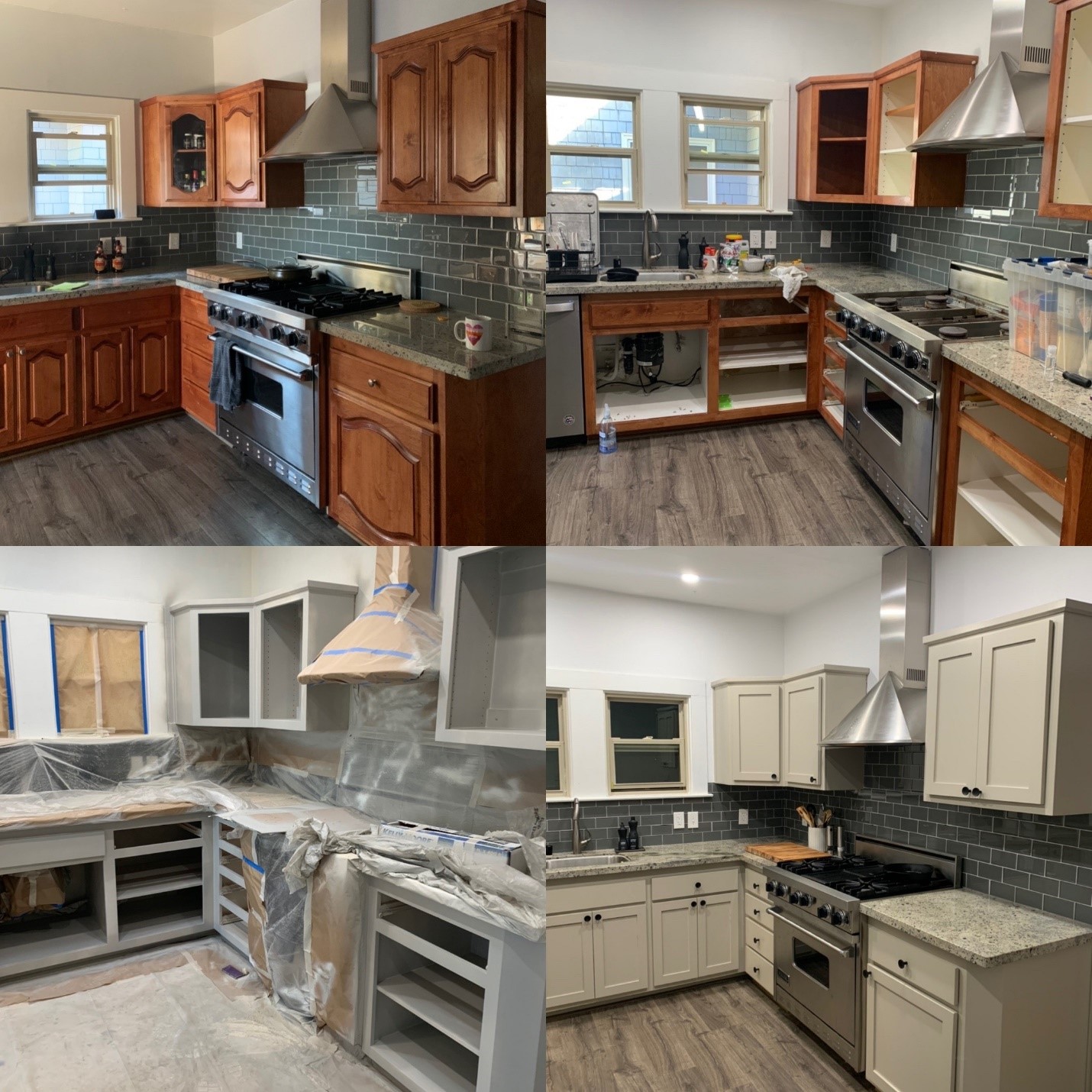
Image Source: cdn11.bigcommerce.com
Giving Your Kitchen a Fresh Look: Replacing Cabinet Doors
Is your kitchen cabinetry looking a bit tired? Maybe the style is outdated, or the finish is worn. Fortunately, you don’t always need a full kitchen renovation to make a big impact. Replacing your kitchen cabinet doors can be a surprisingly straightforward and effective way to update your kitchen’s appearance. This guide will walk you through the process, from deciding if it’s the right move for you to choosing the perfect new doors.
Why Replace Cabinet Doors?
There are several compelling reasons why homeowners choose to replace their cabinet doors:
- Aesthetic Update: Kitchen trends change. What was once stylish might now feel dated. New kitchen cabinet door styles can instantly modernize your kitchen.
- Wear and Tear: Over time, doors can get scratched, dented, or their finish can fade or peel. Replacing them is often more practical than trying to repair extensive damage.
- Functionality: While less common, if your existing doors are warped or don’t close properly (and the hinges are fine), replacement might be a solution.
- Budget-Friendly Remodel: Compared to replacing entire cabinets, cabinet door replacement cost is significantly lower. It’s a cost-effective way to achieve a dramatic transformation.
- Personalization: You might want to change the material, color, or design to better reflect your personal style.
The Difference Between Replacing Doors and Refacing
It’s important to distinguish between replacing doors and cabinet door refacing.
- Replacing Doors: This involves removing your old cabinet doors and drawer fronts and installing entirely new ones. The cabinet boxes (the frames) remain in place. This is the most common approach for a significant visual change.
- Cabinet Door Refacing: This process typically involves applying a new veneer or laminate over the existing cabinet boxes and doors. It can also include replacing hardware and, sometimes, adding new doors. It’s a good option if the underlying cabinet boxes are in excellent condition.
This article primarily focuses on the process of replacing the doors themselves, which is often simpler and offers more design flexibility.
Assessing Your Current Cabinetry
Before you embark on replacing your cabinet doors, take a good look at your existing cabinets.
The Cabinet Boxes
Are the cabinet boxes themselves in good condition? Check for:
- Structural Integrity: Are they solid? Is the wood or particleboard warped, water-damaged, or rotten?
- Alignment: Do the boxes sit squarely and are they securely attached to the wall?
- Hinge Mounts: Are the holes where the hinges attach still sound? If they are stripped out, this can complicate installation.
If the cabinet boxes are in poor shape, you might need to consider a more extensive renovation or cabinet door refacing. However, for most kitchens with solid boxes, replacing the doors is a viable option.
Measuring for New Doors
Accurate measurements are crucial for ordering new cabinet doors. You’ll need to measure each door and drawer front precisely.
How to Measure Cabinet Doors:
- For Overlay Doors: These doors sit on top of the cabinet frame. Measure the width and height of the opening within the cabinet frame, and then add the desired overlay. A common overlay is ½ inch on all sides. So, if your opening is 10 inches wide by 12 inches high, and you want a ½ inch overlay, you’d order doors that are 11 inches wide by 13 inches high.
- For Inset Doors: These doors fit inside the cabinet frame, flush with the frame’s face. Measure the width and height of the opening precisely. You typically want the door to be 1/8 inch smaller in both width and height than the opening to allow for easy opening and closing.
- Drawer Fronts: Measure the width and height of the visible drawer front.
Tip: It’s always a good idea to measure a few doors of the same size to ensure consistency. If you’re unsure, order one sample door first to check the fit.
Choosing Your New Kitchen Cabinet Doors
This is the fun part! You have a vast array of choices when it comes to kitchen cabinet door styles, materials, and finishes.
Popular Kitchen Cabinet Door Styles
- Shaker: Clean lines, a recessed center panel, and a simple frame. Extremely popular for its versatility and timeless appeal.
- Slab (or Flat Panel): A single, flat piece of material. Modern and minimalist, great for contemporary kitchens.
- Raised Panel: Features a center panel that is raised, often with decorative detailing. Offers a more traditional or formal look.
- Recessed Panel: Similar to Shaker, but the panel is recessed deeper, creating more visual depth.
- Beadboard: Features vertical grooves that resemble beadboard paneling, offering a cottage or farmhouse feel.
- Glass Inserts: Some or all of your doors can have glass panels, allowing you to display decorative items or create a lighter feel. You can choose clear, frosted, or seeded glass.
Materials for Cabinet Doors
- Solid Wood: Oak, maple, cherry, birch, and alder are common. Solid wood offers natural beauty and durability, and can be painted or stained.
- MDF (Medium-Density Fibreboard): A composite wood product. It’s stable, smooth, and takes paint exceptionally well, making it a great choice for painted cabinets. It’s also generally less expensive than solid wood.
- Thermo-foil: A vinyl film applied to an MDF core. It’s durable, easy to clean, and available in many colors and finishes, including wood grain.
- Veneer: A thin layer of real wood applied over a substrate like MDF or plywood. Offers the look of solid wood at a potentially lower cost.
- Laminate: A synthetic material applied over a substrate. Very durable and easy to clean, often used in modern designs.
Finishes and Colors
The finish dramatically impacts the look of your kitchen.
- Painted: White, grey, and navy are popular choices. Painted doors offer a clean, modern look.
- Stained: Natural wood tones can be enhanced with stains ranging from light to dark, highlighting the wood grain.
- Glazed: A secondary finish applied over paint or stain to add depth, highlight details, and create an aged or antiqued look.
- Natural: For woods like maple or birch, a clear coat can showcase the wood’s inherent beauty.
Ordering Custom Cabinet Doors
For a perfect fit and the exact style you envision, consider ordering custom cabinet doors. Many online companies and local cabinet shops specialize in manufacturing doors to your exact specifications. This ensures a professional look, even for a DIY project. You can often choose the style, material, dimensions, and even the bore holes for hinges.
The Cabinet Door Replacement Cost Factor
The cabinet door replacement cost can vary widely depending on several factors:
- Material: Solid wood is typically the most expensive, followed by MDF, thermo-foil, and laminate.
- Style: Complex door styles with intricate molding or multiple panels can cost more than simple slab doors.
- Finish: Custom paint colors or special finishes might add to the cost.
- Size and Quantity: The more doors and drawer fronts you need, the higher the overall cost.
- Custom vs. Stock: Custom-made doors will generally be more expensive than standard sizes, but offer a perfect fit.
- Hardware: Don’t forget the cost of new hinges and knobs/pulls.
Ballpark Estimate: For standard-sized, good-quality replacement doors (like Shaker style in MDF or painted wood), you might expect to pay anywhere from $30 to $100 per door, and similar for drawer fronts. High-end custom wood doors can cost significantly more, upwards of $150-$300+ per door.
DIY Cabinet Door Replacement: A Step-by-Step Guide
With the right preparation, diy cabinet door replacement is very achievable.
Tools and Materials You’ll Need:
- New Cabinet Doors and Drawer Fronts: Measured and ordered correctly.
- New Hinges: Ensure they are compatible with your cabinet boxes and new doors. Soft-close hinges are a popular upgrade.
- New Cabinet Door Hardware: Knobs or pulls.
- Screwdriver Set: Both Phillips and flathead.
- Drill/Driver: With appropriate bits for screws.
- Measuring Tape: For confirming measurements and hinge placement.
- Pencil: For marking.
- Level: To ensure doors hang straight.
- Safety Glasses: Always wear eye protection.
- Work Gloves: To protect your hands.
- Drop Cloth or Old Sheets: To protect your countertops and floor.
- Cabinet Door Alignment Tool (Optional): Helps ensure consistent door spacing.
- Shims (Optional): For minor adjustments.
- Wood Filler or Dowels (If mounting hinges to stripped holes): For repairs.
The Replacement Process:
- Prepare Your Workspace: Lay down drop cloths to protect your surfaces. Clear the area around your cabinets.
- Remove Old Doors and Drawer Fronts:
- For each door, support it with one hand or have a helper.
- Use your screwdriver to loosen the screws holding the hinges to the cabinet box.
- Once the screws are removed, carefully take the door off.
- Important: If you are reusing existing hinge locations, you might want to label each door and its corresponding cabinet opening so you know where each one goes. If you’re installing new hinges, this step isn’t as critical, but it’s still good practice.
- Remove drawer fronts by unscrewing them from the drawer box itself, usually from the inside.
- Install New Hardware (Knobs/Pulls):
- If your new doors don’t have pre-drilled holes, you’ll need to drill them.
- Measure carefully to ensure the hardware is centered or aligned as desired. A template can be very helpful here.
- Install the knobs or pulls onto the new doors and drawer fronts.
- Install New Hinges:
- If reusing existing hinge mounting plates: Most modern cabinet hinges have a mounting plate that screws to the cabinet box. If your new hinges are compatible, simply screw the new hinges into the existing plates.
- If installing new hinge mounting plates:
- Place the new hinge into the cup of the cabinet door and secure it with the provided screws.
- Hold the cabinet door up to the cabinet box.
- Position the mounting plate on the cabinet box where the old one was, or in the correct position for your door overlay. Use a level to ensure it’s straight.
- Screw the mounting plate to the cabinet box.
- Drawer Fronts: Similar process, screwing the new drawer front to the existing drawer box.
- Hang the Doors and Attach Drawer Fronts:
- Carefully align the hinges on the door with the mounting plates on the cabinet box.
- Attach the hinges to the plates.
- For drawer fronts, align the front with the drawer box and screw it on from the inside of the drawer box.
- Adjust and Align:
- Most cabinet hinges have adjustment screws. These allow you to fine-tune the door’s position:
- Up/Down: Adjusts the height of the door.
- In/Out: Adjusts how far the door sits from the cabinet box.
- Left/Right: Adjusts the horizontal position of the door.
- Adjust each door until they are all level, plumb, and have even gaps between them.
- Ensure the drawer fronts are aligned with each other and the doors.
- Most cabinet hinges have adjustment screws. These allow you to fine-tune the door’s position:
- Clean Up: Remove drop cloths and dispose of old doors and hardware responsibly.
Tips for a Smooth DIY Cabinet Door Replacement:
- Take Your Time: Don’t rush the process. Precision is key, especially when measuring and installing hinges.
- One Door at a Time: If you’re nervous, try replacing one door first to get the hang of it before tackling the whole kitchen.
- Use a Helper: Having an extra pair of hands can be invaluable, especially for holding doors while attaching hinges.
- Check Hinge Compatibility: This is critical! Ensure your new hinges will work with your existing cabinet boxes and the style of your new doors. Overlay, setback, and screw patterns need to match or be accounted for.
- Don’t Forget Drawer Fronts: These are often overlooked but make a big difference in the overall look.
- Consider Upgrading Hardware: New hinges can offer better functionality (like soft-close), and new knobs or pulls can further enhance the updated look.
- Order Extras: It’s a good idea to order one extra door or drawer front if your budget allows, in case of damage during installation or if you need to replace one later.
When to Call a Professional
While diy cabinet door replacement is manageable, there are situations where hiring a professional might be wiser:
- Extensive Cabinet Box Damage: If the cabinet frames are compromised, a professional can assess if repair is feasible or if a larger renovation is needed.
- Complex Cabinetry: Specialty cabinets, like those with intricate molding or unique mounting systems, might require expert handling.
- Lack of Time or Confidence: If you’re short on time or simply don’t feel comfortable tackling the project, a professional installer can do it efficiently and correctly.
- Need for Customization Beyond Door Replacement: If you need to alter the cabinet boxes themselves, add molding, or change the overall layout, a cabinet maker or remodeler is necessary.
Frequently Asked Questions (FAQ)
Q1: How much does it cost to replace kitchen cabinet doors?
A1: The cabinet door replacement cost varies, but expect to pay roughly $30-$100 per door for standard materials and styles, and potentially much more for custom wood or premium finishes. This doesn’t include hardware, which can add another $5-$20+ per door.
Q2: Can I reuse my old hinges?
A2: Sometimes, but it depends on compatibility. If your new doors have the exact same hinge cup size and placement, and your old hinge mounting plates are in good condition, you might be able to reuse them. However, it’s often recommended to replace hinges for a seamless installation and to take advantage of modern features like soft-close.
Q3: What if my new doors don’t fit perfectly?
A3: This usually points to an issue with the measurements taken or the ordering process. If the doors are slightly off, minor adjustments with hinge screws might help. For significant discrepancies, you may need to contact the supplier or consider custom modifications. Always double-check measurements before ordering.
Q4: How do I know what size doors to order?
A4: Measure your existing doors or the cabinet openings very carefully. For overlay doors, measure the opening and add the desired overlay (typically ½ inch on all sides). For inset doors, measure the opening precisely and subtract a small amount (about 1/8 inch) for clearance. Ordering a sample door first can prevent costly mistakes.
Q5: What’s the difference between cabinet refacing and replacing doors?
A5: Cabinet refacing typically involves applying a new veneer or laminate to the existing cabinet boxes and doors, giving them a fresh look. Replacing cabinet doors means completely removing the old doors and drawer fronts and installing entirely new ones, while keeping the original cabinet boxes.
Q6: Are MDF cabinet doors a good option?
A6: Yes, MDF doors are an excellent option, especially for painted cabinets. They offer a smooth, consistent surface that takes paint very well, leading to a professional finish. They are also generally more stable than solid wood and less prone to warping or expanding with humidity changes.
Q7: How do I match new cabinet doors to my existing cabinets if I’m only replacing some?
A7: This can be challenging. Your best bet is to identify the exact style and finish of your existing doors. If they are original to the cabinets, you might need to contact the cabinet manufacturer if they are still in business. Otherwise, look for companies that offer custom cabinet doors and can try to match your existing style and color as closely as possible. Bringing a sample door to a cabinet shop can also help them replicate it.
By carefully planning, measuring, and choosing the right new cabinet doors, you can successfully transform your kitchen’s appearance and enjoy a refreshed space. Whether you opt for a full set of kitchen cupboard doors or just a few to refresh a certain area, the impact can be significant and rewarding.