Are you looking at kitchen sinks and wondering why some cost so much? The simple answer is that a sink’s price comes from many things. These include the stuff it is made from, how it is made, the special features it has, and the company that makes it. Getting a sink might seem easy, but a lot goes into its cost.
Let’s look at why kitchen sinks carry such varied and sometimes high price tags.
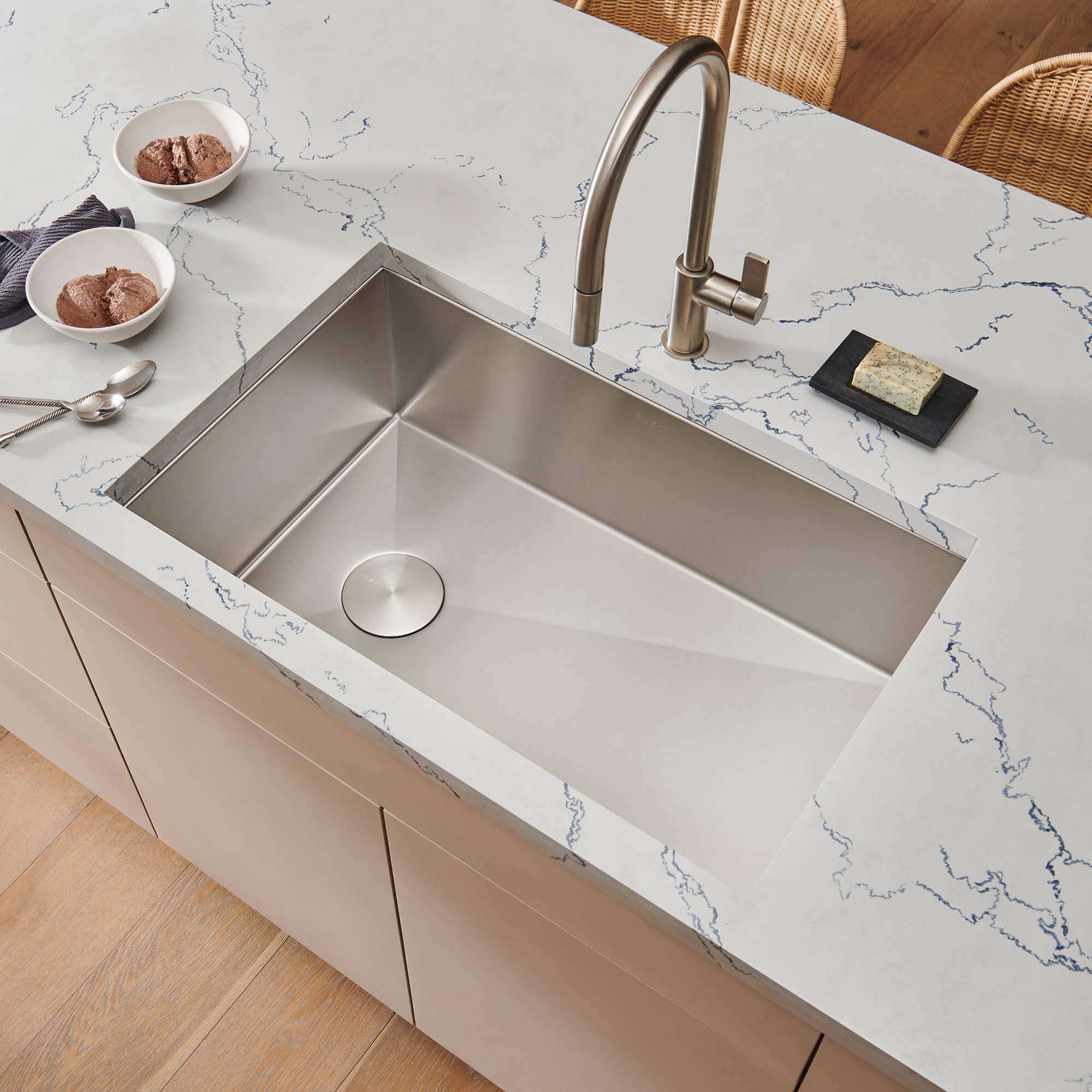
Image Source: www.ruvati.com
Decoding Sink Costs: The Material Story
The stuff a sink is made of is a big part of its price. Different materials cost different amounts to get and work with. Some materials are strong and last a long time. Others might be cheaper but may not hold up as well.
Kitchen Sink Materials Cost
Think of it like buying clothes. A cotton t-shirt costs less than a silk shirt. Sink materials work the same way.
- Stainless Steel: This is very common. It is popular because it is strong and easy to clean. But not all stainless steel is the same.
- Granite Composite: This material looks like stone but is made from stone bits and plastic. It is tough and looks nice.
- Fireclay: This is clay that is heated very hot. It makes a strong, smooth surface. It is often used for big, deep sinks.
- Cast Iron: This is metal covered with a hard, shiny coating (enamel). It is very heavy and lasts a long time.
- Acrylic: This is a type of plastic. It is light and comes in many colors. It is often a cheaper choice.
Each of these materials has its own costs tied to how it is found or made and how hard it is to shape into a sink.
Stainless Steel Sink Price Factors
Stainless steel sinks are everywhere. Their price changes based on a few things:
- Steel Grade: This is like the quality number for steel. Higher grades have more nickel and chromium. This makes the steel better at fighting rust and stains. Grade 304 is common and good. It costs more than lower grades like 430.
- Steel Thickness (Gauge): This number tells you how thick the steel is. A smaller gauge number means thicker steel. For example, 16-gauge steel is thicker and costs more than 18-gauge or 20-gauge steel. Thicker steel is stronger. It makes the sink feel more solid. It helps stop noise from dishes and water.
- Finish: How the steel looks matters. A brushed finish hides scratches better than a shiny, polished finish. Special finishes or coatings can add to the cost.
- How it is Made: Some stainless steel sinks are made from one piece of steel stretched into shape (drawn). Others are made by putting pieces together (fabricated). Fabricated sinks often have sharper corners and flat bottoms. They can use thicker steel and cost more to make. This adds to the price.
So, a thick, high-grade stainless steel sink with a special finish that is put together by hand might cost a lot more than a thin, lower-grade, machine-made one. This is why you see big differences in stainless steel sink prices.
Granite Composite Sink Expense
Granite composite sinks cost more than basic stainless steel sinks. They are made from crushed granite stone mixed with a tough resin (a type of plastic). The mix is about 80% stone and 20% resin.
Here is what makes them cost more:
- Material Cost: Crushed granite and the special resin cost money. Getting the right mix is key.
- Molding Process: These sinks are made in molds. Making and using these molds adds to the cost. The process is different from stamping metal.
- Strength and Looks: The mix creates a sink that looks like real stone. It is very hard. It fights scratches, chips, and heat well. These good qualities come at a higher price.
- Weight: They are heavy, though not as heavy as cast iron or fireclay. This can add to shipping costs.
People like granite composite sinks for their look and toughness. They offer a good mix of style and strength, which is reflected in their cost, sitting often between stainless steel and materials like fireclay.
Fireclay Sink Cost Comparison
Fireclay sinks are often seen in kitchen pictures. They are known for their deep bowls and smooth, durable surface. They are typically more expensive than stainless steel or granite composite.
Why do they cost more?
- Material: Fireclay is a special type of clay. It is shaped by hand or using special methods.
- Firing Process: The sinks are dried and then heated in a very hot oven (a kiln) not once, but often twice or more. This firing takes a long time and uses a lot of energy. It makes the clay very hard and non-porous (water can’t soak in). This process can sometimes lead to sinks breaking, which means wasted effort and materials.
- Glaze: A thick, hard glaze is put on the sink before the final firing. This glaze gives it a smooth, easy-to-clean surface. The glaze and the process add to the cost.
- Size and Weight: Many fireclay sinks are large and heavy. This requires more material and makes them harder to handle during making and shipping.
- Look and Feel: Fireclay sinks have a certain look. They often have a thick rim and a smooth, deep basin. This classic style is popular and adds to their value and price tag.
Comparing costs, stainless steel is often the lowest entry point, granite composite is a step up, and fireclay is usually among the higher-priced options for common materials.
Making Sinks: The Manufacturing Story
How a sink is made also adds a lot to its final price. This involves machines, people working, and steps to make sure the sink is good quality.
Sink Manufacturing Process Cost
Making a sink is more than just shaping some material. Here are some steps and costs involved:
- Getting Materials: Buying the raw stuff like steel, stone bits, resin, or clay. The quality and amount needed affect this cost.
- Shaping:
- For stainless steel, this might be big machines that press and stretch the metal. These machines cost a lot to buy and run.
- For composite or fireclay, it involves molds and careful handwork to smooth and shape the material before heating. Skilled workers are needed for this.
- Heating/Firing: For fireclay and some other materials, the high-heat process is expensive due to the energy needed (gas or electricity for kilns). This is a key part of the ‘Sink manufacturing process cost’.
- Finishing: Adding coatings (like enamel to cast iron or glaze to fireclay), polishing stainless steel, or applying soundproofing pads. This takes time and materials.
- Quality Control: Checking each sink to make sure it has no flaws, is the right size, and meets standards. Sinks that don’t pass have to be fixed or thrown away, adding to the cost of the good ones.
- Labor: People are needed at every step, from running machines to checking quality and packing sinks. The cost of paying skilled workers is part of the price.
- Tools and Machines: The equipment used to make sinks is expensive to buy, run, and fix.
- Energy and Factory Costs: Paying for the building, electricity, water, and other things needed to run the factory.
All these steps add up. A sink made with simple machines and less checking will cost less to make than a sink made with careful handwork, special processes, and strict quality checks.
The Cost of Features and Design
Beyond just the material and how it is made, what a sink does or looks like plays a big role in its price.
Farmhouse Sink Price
Farmhouse sinks, also called apron-front sinks, are popular. They have a large, deep basin and the front of the sink sticks out over the cabinet below. They often cost more than standard drop-in or undermount sinks of the same material.
Reasons for the higher cost:
- Material Usage: Often made from thick materials like fireclay, cast iron, or heavy-gauge stainless steel. This uses more material.
- Size and Depth: Farmhouse sinks are usually quite large and deep. This requires more material and more complex manufacturing processes.
- Design Complexity: The apron front needs careful shaping and finishing. For fireclay or cast iron, getting the large apron front perfect during firing is hard. This can lead to more sinks being rejected.
- Installation: While not part of the sink’s price, these sinks often need special cabinets and supports, which adds to the overall cost of putting one in.
- Popularity: Because they are in high demand, brands can sometimes charge more for this style.
The distinctive look and often larger size make farmhouse sinks a premium option. This drives up the ‘Farmhouse sink price’ compared to other sink styles.
Workstation Sink Features Price
Workstation sinks are sinks that come with or can hold accessories like cutting boards, colanders, or drying racks that slide along ledges built into the sink. These features add convenience but also add to the price.
What makes workstation sinks more expensive?
- Built-in Ledges: The sink design is more complex. It needs ledges molded or formed into the sides. This adds steps and precision to the manufacturing.
- Included Accessories: The sink comes with things like cutting boards, roll-up drying racks, and strainer trays. These items are made separately and add to the total package price.
- Material and Size: Workstation sinks are often large. This is needed to have space for the accessories to slide. Being larger often means more material and a higher base cost.
- Design and Engineering: Designing a sink system that works well with accessories takes more thought and engineering. This design cost is passed on.
- Marketing: These are seen as higher-end, feature-rich products, and are often marketed that way, allowing for higher prices.
The ‘Workstation sink features price’ reflects the extra parts, the more complex sink structure, and the value of having an all-in-one prep and cleanup area.
Other features that add to the price tag include:
- Soundproofing: Pads or coatings on the outside of metal sinks reduce noise. This is an added material and step.
- Better Drainage: Sloped bottoms or special drain placement to help water flow out faster. This can mean a more complex mold or shape.
- Low-Divide Basins: Sinks with a short middle piece instead of a full wall between bowls. This needs a special design and might use more material.
Brand Name and Durability
Sometimes, the name on the sink matters. Well-known brands often cost more. This is for a few reasons, including quality, warranty, and reputation.
High-End Kitchen Sink Brands
Companies that have been around a long time or are known for quality often charge more. Brands like Kohler, Franke, Blanco, and Elkay are examples of ‘High-end kitchen sink brands’.
Why do their sinks cost more?
- Quality Materials: They tend to use the best grades of steel, the purest fireclay, or the best granite composite mix.
- Better Manufacturing: They invest in good equipment and skilled workers. They have strict quality checks. This leads to fewer defects.
- Design and Innovation: These companies put money into designing new styles and features (like workstation ledges or special finishes).
- Warranty and Service: They often offer better warranties (longer periods, covering more issues) and have good customer support.
- Reputation: You are paying for the trust built over years. People expect a sink from a top brand to be well-made and last.
You might find a very cheap sink that looks similar to a high-end one. But the materials might be lower quality, the steel thinner, the finish less durable, or the shape less perfect. The ‘High-end kitchen sink brands’ sell more than just a sink; they sell reliability and a certain level of quality.
Durability of Expensive Sinks
One major reason people pay more is the hope that the sink will last a very long time. The ‘Durability of expensive sinks’ is often much better than cheaper ones.
- Better Materials: Thicker steel, harder composite, or properly fired fireclay resists dents, scratches, chips, and stains better.
- Stronger Construction: Good manufacturing means parts are joined well (if applicable), the shape is solid, and it is less likely to warp or crack.
- Quality Finish: The surface is less likely to wear away, stain, or lose its look quickly.
An expensive sink is an investment. It might cost more upfront, but if it lasts 15-20 years without needing to be replaced, it can be cheaper in the long run than replacing a cheaper sink every 5-10 years. The ‘Durability of expensive sinks’ means they handle daily use better and keep looking good longer.
Custom and Installation Factors
Sometimes, a sink costs more because it is not a standard size or shape, or because it is harder to put in.
Custom Kitchen Sink Price
Need a sink that is a special size to fit an old countertop hole? Want a specific color not commonly made? Looking for a unique shape? Then you might need a custom sink. The ‘Custom kitchen sink price’ is always higher than buying one off the shelf.
Why custom costs more:
- Special Production: It is not made on a standard production line. It requires special setup, different molds, or hand crafting.
- Material Use: Making one special sink can be less efficient with materials than making many standard ones.
- Labor: More skilled labor is often needed for planning, making, and finishing a custom piece.
- No Bulk Discount: Factories give discounts for making large numbers of the same thing. A custom sink is one-of-a-kind.
- Design Time: Someone has to draw up plans and make sure the design works.
If you need a ‘Custom kitchen sink price’, be prepared for it to be significantly higher than standard options, even for similar materials. You are paying for the unique fit or look.
Installation Costs (Not part of sink price, but related)
While the cost to install a sink is not part of the sink’s price tag itself, it is part of the total project cost and can be affected by the sink type.
- Drop-in Sinks: These are usually the easiest and cheapest to install. They fit into a hole from the top, and the rim holds them in place.
- Undermount Sinks: These are put in from below the countertop. They need special clips and support. This takes more time and skill, costing more for installation.
- Farmhouse Sinks: These need the cabinet modified or specially built to hold the apron front. They are heavy and need strong support. This is often the most complex and costly type to install.
So, when thinking about the total cost of a new sink, remember to add in the price of installation, which varies based on the sink type.
Bringing It All Together: Why the Price Tag?
So, a kitchen sink’s price is not just one thing. It is a mix of many things adding up.
Think of it like building a house. The cost depends on:
- Materials: Wood, bricks, windows – how much they cost and their quality. (Like sink material: stainless steel grade, fireclay purity).
- Building Process: Machines used, workers’ pay, time taken. (Like sink manufacturing process cost: tooling, labor, firing time).
- Design: A simple box house vs. one with many angles and features. (Like sink features: workstation ledges, special shapes, depth).
- Builder: A famous builder known for quality vs. a new one. (Like High-end kitchen sink brands vs. basic brands).
- Extra Details: Fancy paint, custom cabinets. (Like custom kitchen sink price, special finishes).
- How Hard it is to Build: Building on flat land vs. a steep hill. (Like installation complexity, though this is separate from sink price).
All these parts together create the final price. A sink using cheap, thin material, made simply in a factory with basic checks, and sold by a lesser-known brand will be inexpensive. A sink using thick, high-grade material, made with careful steps, special heating, hand finishing, built-in features, and sold by a trusted luxury brand will be expensive.
Are Expensive Sinks Worth It?
For many people, paying more for a sink is worth the cost. Why? Because of the ‘Durability of expensive sinks’.
- They Last Longer: A well-made sink from good materials resists wear and tear for many years. This means you don’t have to replace it soon.
- They Look Better, Longer: High-quality finishes and materials resist stains, scratches, and fading. The sink stays looking new.
- They Perform Better: Thicker materials can be quieter. Well-designed drains work better. Workstation features add real use.
- Less Hassle: A durable sink means fewer problems, fewer repairs, and no need for early replacement.
If you plan to stay in your home for a long time or want a kitchen that looks and works great for years, investing in a more expensive, high-quality sink often makes sense. It is part of building a kitchen that lasts.
Finding Value
You don’t always have to buy the most expensive sink. You can find a good sink that fits your budget by thinking about what matters most to you.
- Material: Basic stainless steel (18 gauge, 304 grade) is a solid, affordable choice. Granite composite offers good toughness at a mid-range price.
- Style: A standard drop-in sink is less expensive than an undermount or farmhouse sink, both for the sink itself and often for installation.
- Features: Do you really need a workstation sink with all the parts? A simpler sink might save money.
- Brand: Look at reputable mid-range brands. They can offer good quality without the highest price tag of luxury brands.
- Sales: Check for sales at home improvement stores or online.
- Standard Sizes: Choosing a common size means more options and often lower prices.
Knowing what makes sinks expensive helps you decide what you are willing to pay for. You can balance cost, style, and durability based on your needs and budget.
A Simple Comparison Table
Here is a quick look at how some materials stack up in terms of typical price and traits:
| Material | Typical Price Range (Relative) | Key Traits |
|---|---|---|
| Acrylic | Low | Light, many colors, can scratch/melt easily |
| Stainless Steel | Low to Mid | Durable, easy to clean, can dent/scratch |
| Granite Composite | Mid to High | Tough, resists heat/scratches, looks like stone |
| Cast Iron | High | Very durable enamel, heavy, can chip if hit hard |
| Fireclay | High | Very durable, smooth surface, heavy, classic look |
Note: This is a general guide. Prices vary greatly based on brand, size, gauge (for steel), and features.
Frequently Asked Questions
Q: Why is a thick stainless steel sink better?
A: A thicker stainless steel sink (lower gauge number like 16 gauge) is stronger. It resists dents better than thinner steel. It also helps soak up noise from running water or hitting dishes against the sink.
Q: Do expensive sinks come with a better warranty?
A: Often, yes. High-end brands that charge more for their sinks usually back them up with longer warranties. They might offer lifetime warranties against defects, while cheaper sinks might only have a one-year warranty. This is part of the value you get when paying more for quality.
Q: Is granite composite as strong as real granite?
A: Granite composite is made mostly from real granite stone bits, but it’s mixed with a strong resin. It is designed to be very tough for sink use. It resists scratches, chips, and heat well, often performing better in a sink environment than a solid slab of real granite might for impact or thermal shock.
Q: Are farmhouse sinks harder to clean?
A: The large, deep basin of a farmhouse sink can be easy to clean because there are no corners where gunk can hide easily (compared to some divided sinks). However, the apron front might stick out, which some people find needs more wiping to keep clean. The cleaning difficulty depends more on the material’s surface than the sink style itself. A smooth fireclay or enamel surface is very easy to wipe clean.
Q: Can I install an expensive sink myself?
A: Installing a sink can be a DIY job, but it depends on the sink type and your skill level. Drop-in sinks are the easiest. Undermount and farmhouse sinks are much harder because they are heavy and need special support and sealing. If you are not experienced, especially with heavy or costly sinks, hiring a plumber or contractor is often a better idea to avoid damage or leaks.
Final Thoughts
Buying a kitchen sink is a key part of building or updating your kitchen. It is easy to be surprised by the cost. But by looking at the materials used, how it is made, its features, the brand name, and even installation needs, you can see why prices differ so much. Knowing these factors helps you choose a sink that fits your needs and budget, giving you good value for your money. An expensive sink isn’t just a higher price tag; it often means better materials, better building, and greater lasting power.