Can you see your kitchen cabinets in a different color without actually painting them? Yes, you absolutely can! There are several effective ways to visualize new cabinet colors before committing to a kitchen cabinet renovation. These methods range from digital tools to physical samples, allowing you to experiment and discover the perfect hue for your space.
Redecorating your kitchen can feel like a huge undertaking. The cabinets are often the largest visual element in the room, so changing their color can dramatically alter the entire feel. But how do you choose the right shade? How can you be sure that “Coastal Blue” won’t look like “Ocean Disaster” once it’s on your cabinets? This is where the art and science of visualizing cabinet colors comes into play. This guide will walk you through the best strategies to see your kitchen cabinets in a different color, ensuring your next cabinet makeover is a resounding success.
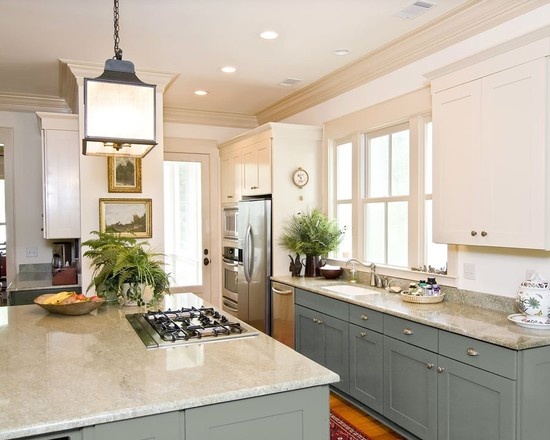
Image Source: thedecorologist.com
Exploring Cabinet Color Ideas
The first step in transforming your kitchen cabinets is to explore the vast world of cabinet color ideas. What’s trending? What suits your home’s style? What makes you happy when you walk into your kitchen?
Popular Cabinet Colors Today
- Whites and Off-Whites: Always a classic, these colors create a bright, airy feel. Think creamy whites, soft ivories, and subtle off-whites.
- Grays: From light, cool grays to deep charcoal, grays offer a sophisticated and modern look.
- Blues and Greens: Sage green, deep navy, muted teal, and dusty blue are popular choices that bring a sense of calm and nature indoors.
- Black: Bold and dramatic, black cabinets make a strong statement and pair well with metallic hardware.
- Wood Tones: Natural wood finishes, especially warmer tones, are making a comeback, offering a cozy and organic feel.
- Two-Tone Kitchens: Combining different colors for upper and lower cabinets, or for islands, adds visual interest and personality.
Factors to Consider When Choosing Colors
- Your Kitchen’s Natural Light: Rooms with lots of natural light can handle darker or bolder colors. Rooms with less light might benefit from lighter, brighter shades to maximize the sense of space.
- The Overall Kitchen Style: Modern kitchens might lean towards crisp whites, grays, or blacks. Farmhouse styles often suit whites, creams, and soft blues or greens. Traditional kitchens can accommodate a wider range, including richer wood tones or classic whites.
- Your Countertops and Backsplash: The cabinet color should complement, not clash with, these other key elements. Bring samples of your countertops and backsplash material with you when choosing cabinet colors.
- Your Flooring: Similar to countertops, your floor color needs to harmonize with your chosen cabinet hue.
- Your Personal Style and Lifestyle: Do you love a bright, energetic space, or do you prefer a calm, serene retreat? Are you a meticulous cleaner who doesn’t mind showing every speck of dust, or do you need a color that hides everyday wear and tear?
Methods to Visualize Cabinet Colors
Once you have a few cabinet color ideas in mind, it’s time to see how they’ll actually look in your kitchen. Here are the most effective ways to achieve this:
1. Digital Visualization Tools
Technology offers incredible ways to “try on” different cabinet colors without lifting a paintbrush.
Virtual Kitchen Design Software and Apps
Many brands and independent companies offer free or low-cost software and apps. These tools allow you to upload a photo of your current kitchen or use a pre-designed template. You can then select from a palette of cabinet colors and apply them virtually.
How to Use Them:
- Take Clear Photos: Stand in your kitchen and take well-lit photos from multiple angles, ensuring the cabinets are clearly visible and there’s minimal clutter.
- Upload Your Photo: Most apps will let you upload your own images.
- Select Cabinet Areas: You’ll typically need to “trace” or select the areas you want to color (doors, drawer fronts, frames).
- Experiment with Colors: Browse the color palettes and apply them to your cabinets. Many allow you to change hardware and even countertop colors simultaneously.
- Save and Compare: Save different versions to compare them side-by-side.
Popular Options (Examples):
- IKEA Kitchen Planner: Excellent for visualizing IKEA cabinets, but can also be used for general kitchen design.
- Home Depot’s Project Color App: Allows you to virtually paint walls, but some users have adapted it for cabinets.
- Sherwin-Williams ColorSnap® Visualizer: Primarily for wall colors, but can give you a general idea.
- Benjamin Moore Color Capture App: Similar to Sherwin-Williams, good for wall colors.
- Houzz App: Often features virtual renovation tools within product listings.
- Dedicated Cabinet Visualizers: Many cabinet manufacturers have their own tools on their websites.
Pros of Digital Tools:
- Speed: You can change colors in seconds.
- Variety: Access to a huge range of colors.
- Cost-Effective: Most are free or very inexpensive.
- See the Whole Picture: You can often visualize new hardware, countertops, and backsplashes too.
Cons of Digital Tools:
- Accuracy: The colors might not be perfectly true to life due to screen calibration and lighting in your photo.
- Learning Curve: Some software can be a bit complex to use.
- Detail: They might not capture the texture or sheen of real paint accurately.
2. Physical Cabinet Color Samples
Nothing beats seeing a color in your actual kitchen light. This is where physical cabinet color samples are invaluable.
Obtaining Cabinet Color Samples
- Paint Swatches: The most common method is to get paint swatches from paint manufacturers like Sherwin-Williams, Benjamin Moore, Behr, etc.
- Sample Pots: For a more accurate representation, buy small sample pots of your top color choices.
- Pre-Painted Cabinet Doors: Some cabinet manufacturers or refacing companies offer small, pre-painted sample doors.
How to Use Cabinet Color Samples Effectively
- Paint Directly onto Cabinet Doors (Temporary Method):
- Clean a small, inconspicuous area of a cabinet door thoroughly with a degreaser.
- Lightly scuff the area with fine-grit sandpaper (around 220-grit) if recommended by the paint manufacturer (especially for glossy finishes).
- Apply a thin coat of your chosen paint color.
- Let it dry completely and apply a second coat if needed.
- Crucially: Use painter’s tape to mark off the edges of your painted sample. You can then easily peel the tape off to reveal a clean line and remove the paint later with minimal damage (often using a heat gun on a low setting or specific paint removers designed for cabinets). Always test this removal method in a very hidden spot first!
- Paint onto Cardboard or Wood Scraps:
- Get thick cardstock or small wood scraps (like poplar or pine, which are commonly used for cabinets).
- Paint these samples with two coats of your chosen colors.
- Mount these samples onto your existing cabinet doors using double-sided tape or Blu-Tack. This avoids any risk of damaging your actual cabinets.
- Attach Large Paint Swatches:
- Use painter’s tape to affix large paint swatches directly onto your cabinet doors.
- Observe them throughout the day.
Observing Your Samples
- Natural Light is Key: Look at the samples at different times of the day: morning, noon, and evening. Natural light changes dramatically, and a color that looks great in the morning might appear dull or too yellow in the afternoon.
- Artificial Light Matters: Also check how the colors look under your kitchen’s artificial lighting (incandescent, LED, fluorescent).
- View from Different Angles: Step back and look at the cabinets from across the room. See how the color interacts with your countertops, backsplash, and appliances.
- Consider Sheen: The finish (sheen) of the paint significantly impacts how a color looks. Matte, eggshell, satin, semi-gloss, and high-gloss finishes will all present the same color differently due to how they reflect light. Satin or semi-gloss are common for cabinets as they offer durability and a slight sheen without being overly reflective.
Pros of Physical Samples:
- Real-Life Accuracy: Shows you exactly how the color will look in your specific kitchen environment.
- Material Interaction: You can see how the color works with your actual countertops, floors, and appliances.
- Sheen Assessment: You can test different paint sheens directly.
Cons of Physical Samples:
- Time Consuming: Requires buying samples, painting, and observing over time.
- Potential for Damage: If not done carefully, painting directly onto cabinets can cause damage.
- Limited Palette: You might not be able to get samples for every single color you’re considering, especially custom mixes.
3. Cabinet Refacing with Sample Doors
If you’re considering cabinet refacing, the company you work with will likely provide physical cabinet color samples on actual door or drawer front materials.
What is Cabinet Refacing?
Cabinet refacing is a process where the existing cabinet boxes are kept, but the doors, drawer fronts, and exposed side panels are replaced with new ones, often veneered or laminated in your chosen color and style. This is a significant upgrade compared to just cabinet painting cost.
Using Refacing Samples
- Material and Finish: You’ll typically receive samples made of the actual material that will be used for your new doors (e.g., wood veneers, MDF, thermofoil).
- Color Matching: These samples will show the true color applied to that specific material, including any wood grain or texture.
- Viewing in Context: You can hold these samples against your existing countertops, appliances, and floors.
Pros of Refacing Samples:
- Material Specific: Shows the color on the exact material you’ll be getting.
- Professional Finish: Gives you an idea of the high-quality finish a refacing job provides.
- Durability Insight: You can feel the quality and durability of the new surfaces.
Cons of Refacing Samples:
- Commitment Required: Usually obtained as part of a quote process, indicating a higher level of interest in refacing.
- Cost: While often provided free with a quote, the refacing itself is a larger investment than painting.
4. Peel-and-Stick Wallpaper or Contact Paper
For a less permanent, but still visual, option, consider using large sheets of peel-and-stick material.
How to Use It:
- Choose Your Material: Look for high-quality, thick vinyl contact paper or removable wallpaper in colors that mimic paint finishes. You can find solid colors or even faux wood grains.
- Cut to Size: Cut pieces that are large enough to cover a significant portion of a cabinet door or drawer front.
- Apply Carefully: Follow the application instructions, smoothing out any bubbles.
- Evaluate: View the effect in your kitchen.
Pros of Peel-and-Stick:
- Non-Damaging: Generally very safe for your cabinets.
- Easy to Change: You can swap out colors quickly if you don’t like them.
- Variety of Textures: Available in many finishes, including matte, gloss, and even textured effects.
Cons of Peel-and-Stick:
- Not Paint: It’s a covering, not actual paint, so it won’t replicate the exact look and feel of a painted finish.
- Seams: If not applied perfectly, seams can be noticeable.
- Durability Concerns: Some types may not hold up as well to kitchen wear and tear over time as paint or refacing.
The Process of Cabinet Painting
If you decide that painting is the route for you, knowing the process helps in choosing the right color and finish.
Preparing to Paint Cabinets
Proper preparation is the most critical step for a professional-looking cabinet painting cost.
- Remove Hardware: Take off all knobs, pulls, and hinges. Store them safely.
- Clean Thoroughly: Use a degreaser (like TSP substitute or a specialized cabinet cleaner) to remove all grease, grime, and dirt. This is non-negotiable for paint adhesion.
- Repair Imperfections: Fill any holes or cracks with wood filler. Let it dry and sand smooth.
- Sand Surfaces: Lightly sand all cabinet surfaces with fine-grit sandpaper (150-220 grit). This creates a “tooth” for the primer and paint to adhere to. For very glossy or laminate cabinets, you might need a liquid deglosser or a higher grit sandpaper.
- Clean Again: Wipe down all surfaces with a damp cloth to remove sanding dust, then allow them to dry completely.
- Prime: Apply a high-quality primer specifically designed for cabinets or glossy surfaces. This ensures even color and prevents wood tannins from bleeding through lighter paint colors. Use 1-2 coats, allowing proper drying time between coats.
- Sand Again (Optional but Recommended): After priming, a very light sanding with ultra-fine grit sandpaper (320-400 grit) can create an even smoother surface for the paint. Wipe away dust.
Choosing the Right Paint for Cabinets
The type of paint and its sheen are crucial for durability and appearance.
- Types of Paint:
- Alkyd (Oil-Based) Enamels: Historically known for their durability and smooth finish. However, they have strong fumes, longer drying times, and can yellow over time.
- Water-Based (Acrylic/Latex) Enamels: Modern water-based paints, especially those formulated for cabinetry, offer excellent durability, flexibility, and low VOCs. They are easier to clean up and dry faster. These are generally the preferred choice today.
- Sheen:
- Matte/Flat: Hides imperfections but is less durable and harder to clean. Not recommended for cabinets.
- Eggshell: Offers a subtle sheen and better washability than matte.
- Satin: A popular choice for cabinets. It has a soft sheen, is more durable than eggshell, and offers good cleanability.
- Semi-Gloss: Provides a noticeable sheen, is very durable, and easy to wipe clean. Can highlight imperfections.
- High-Gloss: The most reflective and durable. It offers a mirror-like finish but will show every imperfection and may look too “plastic-y” for some tastes.
Application Methods: Brush, Roller, or Spray Paint Cabinets?
- Brushing:
- Pros: Good control for details and edges.
- Cons: Can leave brush strokes if not done carefully. Requires a steady hand.
- Rolling:
- Pros: Faster for large, flat surfaces. Use a high-density foam roller for a smoother finish.
- Cons: Can leave a slight orange-peel texture.
- Spray Painting Cabinets:
- Pros: Achieves the smoothest, most professional, factory-like finish. Fastest application.
- Cons: Requires significant prep work to mask off the surrounding areas (walls, floors, appliances). Needs specialized equipment (sprayer, respirator). Can be messy if not contained. Often best left to professionals for a perfect result.
Cabinet Refacing vs. Cabinet Painting
When you want to change your cabinet colors, you have two primary options besides full replacement: cabinet painting and cabinet refacing.
| Feature | Cabinet Painting | Cabinet Refacing |
|---|---|---|
| Cost | Generally lower. | Mid-range, more expensive than painting. |
| Time | Can be a DIY project over a few weekends. | Typically takes 1-3 weeks depending on the company. |
| Durability | Depends heavily on preparation and paint quality. | High, especially with quality materials. |
| Look and Feel | Can achieve a great look, but might show brush/roller marks if not sprayed. | Factory-like finish, new doors and drawer fronts. |
| Style Change | Limited by existing cabinet box style. | Can completely change the style by replacing doors/fronts. |
| Material Change | Keeps existing cabinet boxes. | Replaces visible surfaces, boxes remain. |
| DIY Friendliness | High potential for DIY if meticulous. | Generally a professional job. |
| Cabinet Painting Cost | Varies widely ($500 – $3000+ for DIY supplies or professional). | Varies widely ($3,000 – $10,000+ depending on kitchen size). |
Tips for a Successful Cabinet Makeover
- Don’t Skimp on Prep: This is where most DIY cabinet painting projects go wrong. Clean, sand, and prime properly.
- Test, Test, Test: Use your chosen visualization methods and physical samples extensively.
- Consider Hardware: New hardware can dramatically enhance the look of your cabinets, even in the same color. Think about brushed nickel, matte black, brass, or even unique ceramic pulls.
- Lighting is Everything: Ensure your kitchen lighting complements your new cabinet color. Sometimes, changing light bulbs or adding under-cabinet lighting can make a big difference.
- Get Expert Advice: If you’re unsure, consult with a kitchen designer or a professional painter. They can offer invaluable insights into choosing cabinet colors and achieving the best finish.
- Hire a Professional for Spraying: If you want that flawless, factory finish, hiring a professional cabinet painter who sprays is often the best investment. This will impact your cabinet painting cost but yield superior results.
Frequently Asked Questions (FAQ)
Q1: Can I really see my cabinets in a new color without painting them?
A1: Yes! You can use digital visualization tools, apply large paint swatches or painted sample boards directly to your cabinets, or use peel-and-stick coverings.
Q2: What is the best way to test cabinet colors?
A2: The most accurate method is to use physical cabinet color samples (painted on wood or thick cardstock) and observe them in your kitchen’s natural and artificial light at different times of day.
Q3: How much does it cost to paint kitchen cabinets?
A3: The cabinet painting cost can range from $500-$3000+ for DIY supplies or professional services, depending on the size of your kitchen, the complexity of the cabinets, and whether you hire a professional.
Q4: Should I paint my cabinets myself or hire a professional?
A4: If you’re comfortable with meticulous prep work, have patience, and are aiming for a good-to-great finish, DIY can work. For a flawless, durable, factory-like finish, especially if you want spray painting, hiring a professional is recommended.
Q5: What’s the difference between cabinet refacing and cabinet painting?
A5: Cabinet refacing involves replacing your cabinet doors and drawer fronts with new ones, while keeping the existing cabinet boxes. Cabinet painting involves cleaning, sanding, priming, and repainting your existing cabinet doors and boxes. Refacing is generally more expensive but offers a more significant style transformation.
Q6: Are there specific paints I should use for kitchen cabinets?
A6: Yes, it’s best to use durable enamel paints specifically designed for cabinets or high-traffic furniture. Water-based acrylic enamels are popular for their durability and ease of use. Satin or semi-gloss sheens are recommended for their balance of appearance and cleanability.
Choosing a new cabinet color is an exciting part of a kitchen cabinet renovation. By using these methods to visualize cabinet colors, you can confidently select the perfect hue for your cabinet makeover, ensuring your kitchen looks beautiful for years to come. Happy decorating!