Can you put a washer and dryer in a kitchen? Yes, it’s absolutely possible and often a smart solution, especially in smaller homes or apartments where dedicated laundry rooms are a luxury. Hiding your laundry unit kitchen can significantly improve your kitchen’s aesthetic appeal and functionality.
Many homeowners face the dilemma of where to place their laundry appliances. The kitchen, often the heart of the home, can be a surprisingly good location for a laundry unit kitchen if done thoughtfully. This guide will walk you through various clever design strategies to seamlessly integrate and conceal your washer and dryer within your kitchen space, transforming it into a more cohesive and attractive environment. We’ll explore everything from dedicated appliance cabinet kitchen solutions to clever laundry nook kitchen ideas.
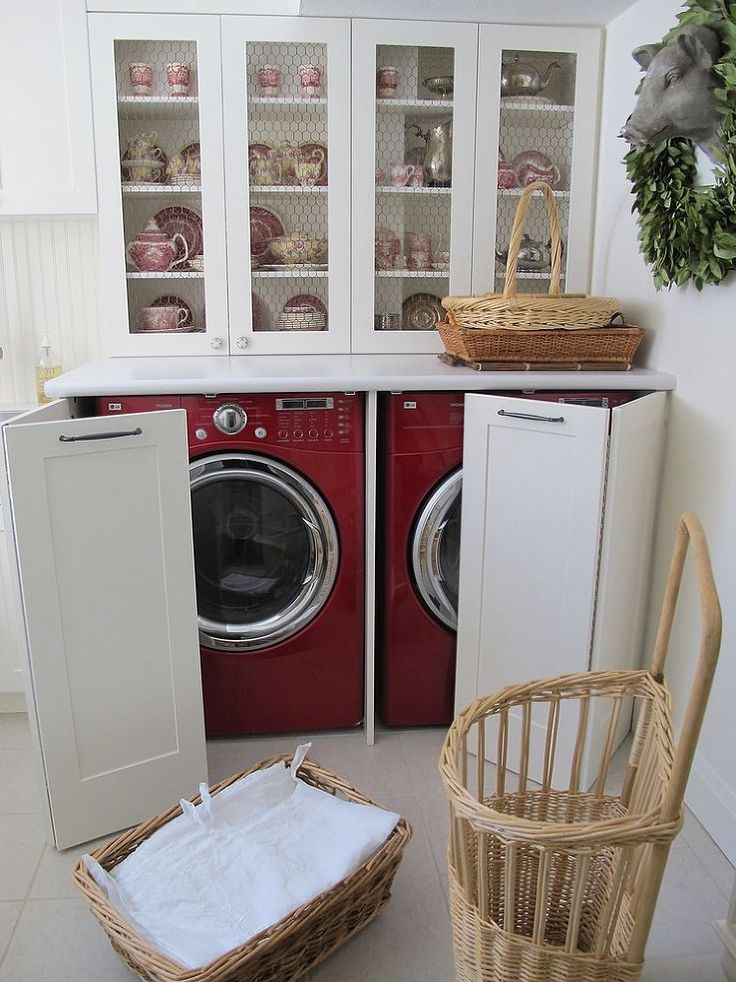
Image Source: cdn.decoist.com
The Practicality of Kitchen Laundry
Placing a washer and dryer in the kitchen offers several advantages:
- Space Saving: Eliminates the need for a separate laundry room, a valuable asset in compact living situations.
- Convenience: Having laundry facilities on the same floor as your living spaces, especially the kitchen, can make chores more manageable. You can multitask, like folding clothes while cooking.
- Plumbing Access: Kitchens typically have existing plumbing for water and drainage, simplifying installation compared to other rooms.
However, the challenge lies in making these utilitarian appliances blend in with your kitchen’s design. Exposed washers and dryers can detract from the overall look and feel. The goal is to achieve concealed laundry appliances that are both functional and aesthetically pleasing.
Designing Your Kitchen Laundry Solution
The key to successfully hiding your washer and dryer lies in thoughtful planning and design. It’s about creating a dedicated space that disguises the appliances as part of the kitchen cabinetry or architecture.
1. The Kitchen Laundry Closet: A Dedicated Space
One of the most effective ways to hide your laundry appliances is by creating a dedicated kitchen laundry closet. This involves repurposing a section of your kitchen or an adjacent space to house the washer and dryer.
Building a Custom Closet
- Location Scouting: Look for an underutilized corner, a deep pantry, or even a section of a larger kitchen that can be sectioned off. Consider proximity to water and vent lines.
- Dimensions: Ensure the closet is deep and wide enough to comfortably fit your appliances with adequate clearance for ventilation and maintenance. Standard washing machines and dryers are typically 27-30 inches wide and 30-34 inches deep.
- Ventilation: Crucial for dryer safety and efficiency. The closet needs a vent to the outside for the dryer. Proper airflow also prevents moisture buildup.
- Electrical and Plumbing: Ensure sufficient electrical outlets for both appliances and proper water supply and drainage hookups.
Cabinetry and Doors
- Sliding Doors: Pocket doors or sliding barn doors are excellent space-saving options. They can be made to match your existing kitchen cabinets, creating a seamless look.
- Bifold Doors: These fold inward, requiring less clearance than traditional swing doors. They can also be designed to look like part of your cabinetry.
- Paneled Doors: Custom cabinet doors that match your kitchen cabinetry are the ultimate solution for appliance housing kitchen integration. These doors can be solid, louvered (for better ventilation), or even incorporate decorative elements.
- Stackable Units: If you have vertical space, consider a stacked washer and dryer. This allows for a narrower closet, freeing up more kitchen floor space. Many front-loading washers and dryers are designed to be stacked with a special kit.
2. Integrated Appliances Kitchen: The Seamless Look
For a truly integrated feel, consider appliances designed to be built into cabinetry. This approach offers the most sophisticated and hidden solution.
Understanding Integrated Appliances
Integrated appliances kitchen refers to appliances that are completely concealed behind custom cabinetry panels, making them indistinguishable from the surrounding cabinets. This often means appliances with flush fronts and hidden controls.
-
Benefits:
- Unparalleled Aesthetics: Achieves a clean, minimalist, and cohesive kitchen design.
- Hides Clutter: Completely conceals the laundry appliances.
- Customization: Panels can be made from the same material as your cabinets for a perfect match.
-
Considerations:
- Cost: Integrated appliances and custom cabinetry can be more expensive than standard options.
- Appliance Selection: You’ll need to choose appliances specifically designed for integration.
- Ventilation: Proper ventilation is still paramount. Cabinet design must allow for airflow around the appliances.
Designing Integrated Laundry Cabinets
- Cabinet Construction: The cabinets housing the washer and dryer need to be robust. They should be designed to allow for easy access for loading/unloading and maintenance.
- Door Panels: Custom panels that match your existing cabinet doors are essential. These are attached to the appliance doors (for some models) or to a frame that attaches to the appliance.
- Countertop Integration: Consider extending your kitchen countertop over the appliances to create a functional workspace or an additional cabinet front appearance.
- Ventilation Grilles: Discreet ventilation grilles can be incorporated into the kick plate or the sides of the cabinetry to ensure proper airflow without being visually obvious.
3. Appliance Cabinet Kitchen: A Versatile Approach
A more general approach is the appliance cabinet kitchen, where the washer and dryer are housed within a custom-built cabinet unit that is designed to look like a standard kitchen cabinet.
Custom Cabinet Solutions
- Freestanding Cabinet: You can build a large cabinet unit that houses both the washer and dryer side-by-side or stacked. This unit can then be placed against a wall in your kitchen.
- Built-in Cabinetry: Integrate the cabinet into your existing kitchen cabinetry layout. This makes it appear as just another set of cabinets.
- Door Options:
- Full Height Doors: Doors that open to reveal the appliances.
- Drawer Fronts: For a more subtle look, you can use drawer-style fronts that pull out, revealing the appliances.
- Lift-Up Doors: Some designs incorporate lift-up doors that raise above the appliances, offering a clean look when closed.
Enhancing the Cabinet Design
- Countertop Extension: A countertop can be added over the cabinet for extra prep space.
- Shelving: Incorporate shelves above or beside the appliances for laundry supplies, folding items, or decorative pieces.
- Lighting: Install interior lighting within the cabinet to make it easier to use.
- Ventilation: Ensure the cabinet design allows for adequate ventilation. This might involve cutouts in the back, side vents, or louvered doors.
4. The Laundry Nook Kitchen: Small Space Solutions
For smaller kitchens or limited space, a laundry nook kitchen can be the perfect solution. This involves cleverly integrating the appliances into an existing nook or alcove.
Maximizing Nooks and Alcoves
- Under-Counter Installation: Some compact washing machines are designed to fit under standard kitchen counters. This is a great option for very tight spaces.
- Corner Solutions: Utilize a corner of your kitchen. You can build a custom cabinet or surround the appliances with cabinetry to create a defined laundry zone.
- Open Shelving with Concealment: If building a full cabinet is not feasible, consider using a decorative screen, curtains, or stylish baskets to hide the appliances when not in use. This is a more budget-friendly option for a hidden washing machine kitchen.
Tips for Nooks
- Space Planning: Measure the nook precisely to ensure the appliances fit comfortably with access for use.
- Aesthetic Integration: Use materials and colors that complement your kitchen.
- Soundproofing: Consider sound-dampening materials within the nook to minimize noise from the appliances.
5. The Dryer Cabinet Kitchen: Specific Considerations
When dealing specifically with the dryer, a dryer cabinet kitchen needs particular attention to ventilation and heat dissipation.
Venting Requirements
- Exterior Venting: All dryers, especially electric and gas models, require a direct vent to the outside. This is non-negotiable for safety and performance.
- Vent Hose: Use a rigid or semi-rigid metal vent hose. Flexible plastic or foil hoses are a fire hazard and should be avoided.
- Cabinet Design for Venting: Ensure the cabinet is designed with a clear pathway for the vent hose. Avoid sharp bends or kinks, which can restrict airflow and create lint buildup. Consider a dedicated vent opening in the cabinet back or side.
Heat Management
- Airflow: Provide ample airflow around the dryer. Overheating can reduce efficiency and pose a fire risk.
- Space Clearance: Leave sufficient space between the dryer and the cabinet walls.
- Louvered Doors: Consider cabinet doors with louvers to allow for better air circulation.
6. Kitchen Utility Room: Expanding the Concept
In some cases, the solution might involve creating a small, dedicated kitchen utility room. This is essentially a more robust version of a kitchen laundry closet, often incorporating additional storage for cleaning supplies.
Features of a Kitchen Utility Room
- Sink: A small utility sink can be very useful for rinsing out laundry items or cleaning.
- Storage: Ample shelving and cabinetry for detergents, stain removers, ironing boards, and other laundry essentials.
- Counter Space: A small countertop area for folding clothes or placing laundry baskets.
- Ventilation and Lighting: Ensure good ventilation and bright lighting, similar to a laundry closet.
- Door Access: A door that can be closed to keep the utility functions hidden from the main kitchen view.
7. Creating a Hidden Washing Machine Kitchen
Achieving a truly hidden washing machine kitchen means making the appliance disappear visually.
Camouflage Techniques
- Matching Cabinetry: The gold standard is to have the washing machine behind cabinet doors that perfectly match your existing kitchen cabinets. This requires custom work.
- Appliance Panels: Many high-end washing machines can accommodate custom panels that match your cabinetry.
- Decorative Screens: For a less permanent solution, attractive decorative screens or partitions can be used to visually block the appliance.
- Strategic Placement: Position the washing machine behind an island or peninsula, out of direct sightlines from the main kitchen entrance.
Design Elements and Practical Tips
No matter which approach you choose, several design elements and practical tips will help you achieve a successful concealed laundry appliances setup.
Aesthetics and Material Choices
- Cabinetry Finishes: Select cabinet finishes that complement your kitchen. This could be painted wood, laminate, or even stainless steel for a modern look.
- Hardware: Choose cabinet hardware that matches your existing kitchen hardware for a cohesive feel.
- Countertops: If you incorporate a countertop over your laundry setup, ensure it matches or complements your main kitchen countertops.
Functionality and Accessibility
- Easy Access: Design the space so that you can easily load and unload laundry, access controls, and perform maintenance.
- Noise Reduction: Washing machines and dryers can be noisy. Consider:
- Anti-vibration pads: Place these under the appliances.
- Sound-dampening materials: Line the interior of the cabinet with acoustic foam or mass-loaded vinyl.
- Thicker cabinet panels: Use denser materials for the cabinet construction.
- Lighting: Install good lighting within the appliance cabinet or laundry nook. LED strip lights are a good option.
- Shelving and Storage: Plan for storage of laundry detergents, fabric softeners, and other essentials. Pull-out shelves or baskets can be very useful.
- Ventilation: Reiterate the importance of proper ventilation for dryers to prevent overheating and moisture buildup.
Safety First
- Electrical Safety: Ensure all electrical work is done by a qualified electrician. Use appropriately rated outlets and wiring.
- Water Leaks: Consider installing a drip pan under the washing machine to catch any potential leaks. A shut-off valve easily accessible for water supply is also advisable.
- Gas Lines: If installing a gas dryer, ensure the gas line is properly installed and leak-tested by a professional.
Creative Solutions for Different Kitchen Layouts
- Small Kitchens: Opt for stacked units, under-counter appliances, or a compact laundry nook.
- Open Plan Kitchens: The goal here is seamless integration. Integrated appliances or perfectly matched cabinet fronts are ideal.
- Larger Kitchens: You might have the space to create a dedicated kitchen utility room or a more elaborate kitchen laundry closet that includes extra storage and workspace.
Table: Hiding Washer and Dryer Options
| Method | Description | Best For | Pros | Cons |
|---|---|---|---|---|
| Kitchen Laundry Closet | A dedicated, enclosed space within or adjacent to the kitchen. | Various kitchen sizes, especially those needing defined separation. | Keeps appliances completely out of sight, good for noise reduction. | Requires building or repurposing space, can reduce kitchen footprint. |
| Integrated Appliances | Appliances concealed behind cabinet panels that match kitchen cabinetry. | Modern, high-end kitchens aiming for ultimate seamlessness. | Creates a sleek, cohesive look; completely hides appliances. | Higher cost, requires specific appliance models, precise installation. |
| Appliance Cabinet Kitchen | A custom-built cabinet unit designed to house the washer and dryer, blending with kitchen cabinetry. | Most kitchen types, offering flexibility in design. | Can be customized to match existing cabinets, offers storage options. | Requires custom cabinetry, careful planning for ventilation. |
| Laundry Nook Kitchen | Utilizing existing alcoves or nooks to house appliances discreetly. | Smaller kitchens or spaces with natural nooks. | Space-efficient, can be a more budget-friendly solution. | Limited by existing space, may require clever styling for concealment. |
| Hidden Washing Machine | General term for techniques to make the washer/dryer visually disappear, often through clever cabinetry. | Any kitchen where visual clutter is a concern. | Improves kitchen aesthetics significantly. | Effectiveness depends on execution and matching design. |
| Dryer Cabinet Kitchen | Specific focus on a cabinet designed for a dryer, emphasizing ventilation. | Any kitchen housing a dryer, prioritizing safety. | Ensures proper dryer venting and heat management within cabinetry. | Requires meticulous attention to vent path and airflow. |
Frequently Asked Questions (FAQ)
Q1: Is it safe to put a washer and dryer in the kitchen?
Yes, it is safe as long as proper installation, ventilation (especially for dryers), and electrical safety measures are followed. Consulting with professionals for plumbing and electrical work is highly recommended.
Q2: Will the noise of the washer and dryer be a problem in the kitchen?
The noise can be a concern. Solutions include using anti-vibration pads, sound-dampening materials within cabinets, opting for quieter appliance models, and ensuring good cabinet sealing.
Q3: What are the plumbing requirements for a kitchen laundry setup?
You’ll need hot and cold water supply lines for the washer and a drain pipe. The dryer will need a vent to the outside. Kitchens typically have these readily available.
Q4: Can I use a stacked washer and dryer in my kitchen?
Absolutely! Stacked units are an excellent space-saving solution, particularly in smaller kitchens or when creating a kitchen laundry closet.
Q5: How do I ensure proper ventilation for a dryer in a cabinet?
Ensure the cabinet has adequate openings for air intake and a direct, unobstructed path for the vent hose to the outside. Louvered doors or vents on the cabinet sides can improve airflow. Always use the correct type of vent material.
Q6: What is the cost of hiding washer and dryer in a kitchen?
Costs can vary significantly depending on the method chosen. Simple solutions like using curtains in a nook might be inexpensive, while integrated appliances with custom cabinetry can be a substantial investment. Building a dedicated kitchen laundry closet will also involve material and labor costs.
Q7: Can I hide just the washing machine or just the dryer?
Yes, you can choose to hide either appliance. Often, they are hidden together in a cabinet or closet, but you might find creative ways to conceal just one if space or budget is a constraint. A hidden washing machine kitchen solution might involve a smaller cabinet than one housing both.
By carefully considering these design strategies and practical tips, you can successfully hide your washer and dryer in your kitchen, creating a more beautiful, organized, and functional living space. Whether you opt for a sleek integrated appliances kitchen look or a practical kitchen laundry closet, the goal is to blend utility with style.