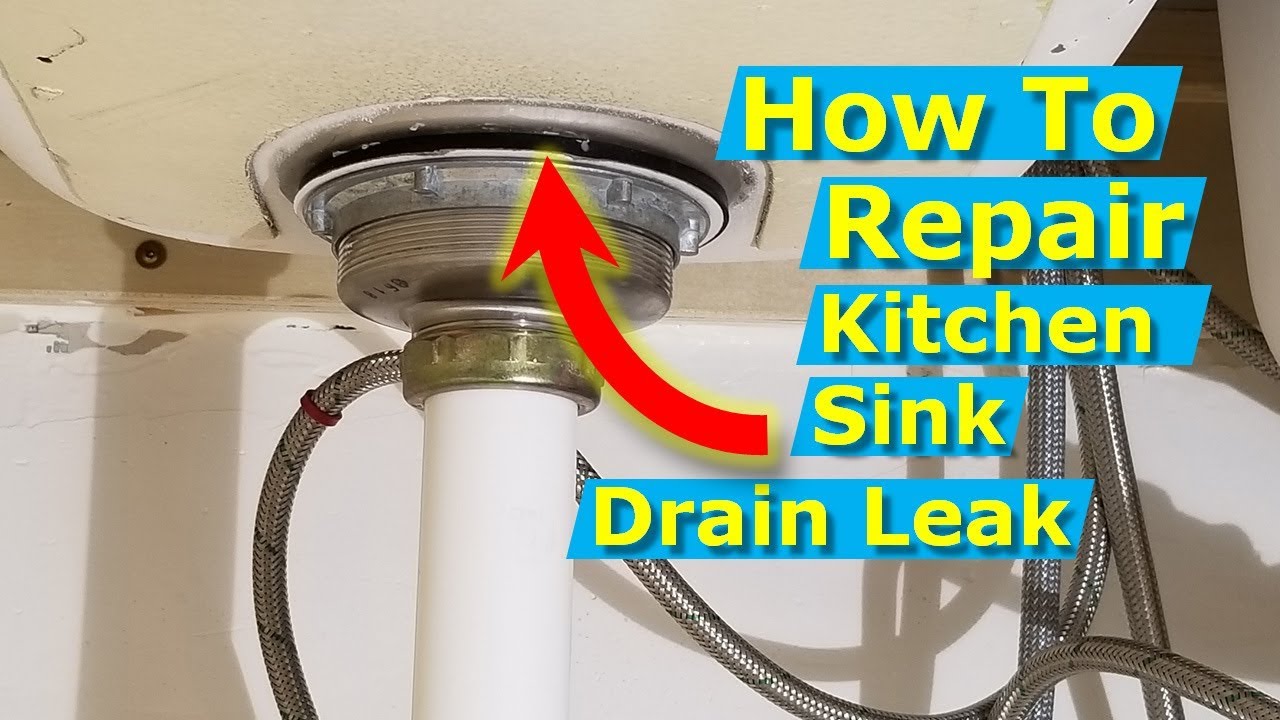
Image Source: i.ytimg.com
How To Fix A Kitchen Sink Drain Blockage
Can you fix a kitchen sink drain blockage yourself? Yes, most common kitchen sink clogs can be fixed with simple tools and methods you likely already have at home. This guide will walk you through the steps to tackle a clogged drain and restore your kitchen’s functionality.
A slow draining sink or a completely blocked drain is a frustrating kitchen plumbing problem. The buildup of grease, food scraps, soap scum, and other debris is the usual culprit. Fortunately, with a bit of know-how, you can often resolve these issues without calling a professional plumber. Let’s dive into how to effectively clear your kitchen sink.
Common Causes of Kitchen Sink Clogs
Before we start fixing, it’s helpful to know what causes these blockages. Understanding the root cause can help you prevent future issues.
- Grease and Fats: Pouring hot grease, oil, or fat down the drain is a primary cause. As they cool, they solidify and coat the inside of pipes, trapping other debris.
- Food Scraps: Small bits of food, coffee grounds, eggshells, and fibrous vegetables can accumulate and create blockages, especially if you don’t have a garbage disposal or use it improperly.
- Soap Scum: Soap, especially bar soap, contains fats and oils that can combine with minerals in the water to form a sticky residue that coats pipes.
- Foreign Objects: Small items like bottle caps, twist ties, or even utensils can accidentally fall into the drain and cause blockages.
- Hard Water Deposits: In areas with hard water, mineral deposits can build up on pipe walls over time, narrowing the passage and leading to slower drains.
- Garbage Disposal Issues: If you have a garbage disposal, improper use or mechanical problems can lead to it becoming jammed or contributing to blockages further down the line.
Tools You Might Need
Gathering the right tools beforehand will make the process smoother.
- Plunger: A cup-style plunger specifically designed for sinks.
- Drain Snake (or Auger): A flexible metal cable that can reach deeper into the pipes to break up or retrieve blockages.
- Bucket or Bowl: To catch any water or debris.
- Gloves: For hygiene and protection.
- Old Towels or Rags: For cleaning up spills.
- Screwdriver: For potential disassembly of drain components.
- Baking Soda and Vinegar: Natural cleaning agents.
- Optional: Commercial Drain Cleaner: Use with caution as a last resort.
Step-by-Step Guide to Unclogging Your Kitchen Sink
Here’s a methodical approach to unclogging sink blockages:
Step 1: Assess the Situation
Is the sink completely blocked, or is it just a slow draining sink? If it’s completely blocked, you might have a more significant issue. If it’s slow, the clog is likely not as severe.
- Remove Standing Water: If your sink is full of water, try to scoop out as much as possible with a cup or bowl into a bucket. This makes it easier to work with the drain.
- Check the Garbage Disposal: If you have a garbage disposal, ensure it’s not the source of the problem. Sometimes, foreign objects or food buildup can jam it. If you suspect a disposal issue, refer to the garbage disposal repair section later.
Step 2: Try the Plunger Method
Plunging sink is often the first and most effective DIY method.
- Create a Seal: Ensure there’s enough water in the sink to cover the rubber cup of the plunger. If you have a double sink, block the drain of the other sink with a wet rag or stopper to create a better seal and direct the pressure.
- Position the Plunger: Place the plunger firmly over the drain opening, ensuring a tight seal.
- Plunge Vigorously: Push down and pull up sharply several times, maintaining the seal. The upstroke is often more effective at dislodging the clog.
- Check for Drainage: After several plunges, remove the plunger and see if the water drains. You may need to repeat the plunging process several times.
Step 3: The Baking Soda and Vinegar Technique
This natural and safe method can be effective for minor clogs caused by grease and soap scum.
- Pour Baking Soda: Pour about half a cup to a full cup of baking soda directly into the drain.
- Add Vinegar: Immediately follow with an equal amount of white vinegar. You’ll see a fizzing reaction. This chemical reaction helps to break down grease and grime.
- Cover the Drain: Quickly cover the drain with a stopper or rag to keep the fizzing action directed downwards.
- Let it Sit: Allow the mixture to sit for at least 30 minutes, or even overnight for tougher clogs.
- Flush with Hot Water: After the waiting period, pour a kettle of boiling water down the drain. Be cautious when handling boiling water.
Step 4: Using a Drain Snake (Auger)
If plunging and baking soda/vinegar don’t work, a drain snake is your next best bet.
- Insert the Snake: Feed the end of the drain snake into the drain opening.
- Push and Turn: Gently push the snake further into the pipe. When you feel resistance, you’ve likely reached the clog.
- Engage the Clog: Turn the handle of the snake clockwise. This action allows the auger at the end of the cable to bore into the clog, breaking it up or snagging it.
- Retrieve or Break Up: Once you’ve engaged the clog, you can either try to pull it back out (if it’s a solid object) or break it up into smaller pieces that can be flushed away.
- Flush the Drain: After using the snake, flush the drain with hot water to clear out any loosened debris.
Step 5: Cleaning the P-Trap
The P-trap is the U-shaped pipe located directly beneath your sink. It’s designed to hold water, which prevents sewer gases from entering your home. It’s also a common place for clogs to form.
- Prepare for Mess: Place a bucket or large bowl directly underneath the P-trap to catch any water and debris.
- Loosen the Nuts: The P-trap is usually held in place by two slip nuts. Loosen these nuts by hand or with a wrench if they are too tight.
- Remove the Trap: Carefully slide the P-trap downwards and away from the pipes. Empty its contents into the bucket.
- Clean the P-Trap: Inspect the P-trap for any visible blockages. Use a brush or a wire to remove any accumulated gunk. You can rinse it thoroughly with hot water.
- Reassemble: Reattach the P-trap, ensuring the slip nuts are tightened securely to prevent leaks. Turn on the water to test for leaks.
Step 6: Consider a Commercial Drain Cleaner (Use with Caution)
If the above methods haven’t worked, a commercial drain cleaner might be necessary. However, these chemicals can be harsh, damage pipes, and are harmful to the environment. Always follow the product instructions precisely and wear protective gear.
- Choose the Right Product: Opt for enzyme-based cleaners for organic clogs (grease, food) or alkaline-based cleaners for tougher, more stubborn blockages. Avoid acid-based cleaners unless absolutely necessary and recommended by a professional.
- Safety First: Wear rubber gloves and eye protection. Ensure good ventilation by opening windows and turning on the exhaust fan.
- Application: Pour the recommended amount into the drain.
- Waiting Time: Let it sit for the specified time.
- Flush Thoroughly: Flush with plenty of cool water as per the product instructions.
Important Note: Never mix different drain cleaners, as this can create dangerous chemical reactions. If you have older pipes, especially galvanized steel or cast iron, be extra cautious with chemical cleaners, as they can accelerate corrosion.
Garbage Disposal Repair and Maintenance
If your kitchen sink clog is related to a garbage disposal, here’s what you can do:
Common Garbage Disposal Problems:
- Jamming: The disposal unit stops spinning due to a foreign object or overloaded capacity.
- Leaking: Seals or connections may be loose or damaged.
- Foul Odors: Food particles may be stuck inside, causing smells.
How to Address a Jammed Garbage Disposal:
- Turn Off Power: Crucially, turn off the power to the garbage disposal at the circuit breaker box. This is a vital safety step.
- Check the Reset Button: Most disposals have a small red reset button on the bottom or side of the unit. If it has tripped, press it to reset.
- Use the Allen Wrench: Locate the hex-shaped socket in the center of the bottom of the disposal unit. Insert the Allen wrench that came with your disposal (or a similar size) and rotate it back and forth to free any obstructions.
- Clear Debris: Once freed, remove the Allen wrench. Use tongs or pliers (never your hand) to remove any visible debris from the disposal chamber.
- Restore Power and Test: Turn the power back on at the breaker. Run cold water and then turn on the disposal to test it.
Garbage Disposal Maintenance to Prevent Clogs:
- Run Cold Water: Always run cold water before, during, and after using the disposal. Cold water helps solidify grease so it can be flushed away more easily.
- Grind Food Scraps Regularly: Don’t let food waste sit in the disposal. Grind small amounts at a time.
- Avoid Problematic Foods: Do not put fibrous foods (celery, corn husks), starchy foods (potato peels, rice, pasta), coffee grounds, eggshells, or large amounts of grease down the disposal.
- No Non-Food Items: Never put bones, fruit pits, glass, metal, or paper products into the disposal.
What to Do About a Stubborn Clog
If you’ve tried multiple methods and the sink remains blocked, it’s time to consider calling a professional plumber. A persistent blockage might indicate a more serious issue deeper within your kitchen plumbing, such as:
- A clog in the main sewer line, affecting multiple fixtures.
- A problem with the vent pipe, which can cause drainage issues.
- A build-up of sludge in the pipes that requires professional equipment.
Preventing Future Kitchen Sink Clogs
Prevention is always better than cure. Here are some tips to keep your kitchen sink draining smoothly:
- Use a Sink Strainer: This simple device catches food scraps and other debris before they enter the drain. Clean it out regularly.
- Dispose of Grease Properly: Never pour grease, oil, or fats down the drain. Let them cool and solidify, then scrape them into the trash or a designated container.
- Scrape Plates: Scrape food scraps from plates into the trash or compost bin before rinsing them in the sink.
- Run Hot Water Regularly: After washing dishes, run hot water for a minute to help flush away any residual grease or soap scum.
- Monthly Maintenance: Once a month, pour boiling water or the baking soda and vinegar mixture down the drain to keep it clean and prevent buildup.
- Be Mindful of What Goes Down: Educate everyone in the household about what can and cannot go down the drain.
Frequently Asked Questions (FAQ)
Q: How often should I clean my kitchen sink drain?
A: Performing a basic cleaning with hot water or the baking soda and vinegar method once a month can help prevent clogs. If you notice a slow draining sink, it’s time for a more thorough cleaning.
Q: Can I use bleach to clean my drain?
A: While bleach can kill bacteria and freshen the smell, it’s not very effective at breaking down grease or food clogs. Furthermore, mixing bleach with other drain cleaners or even vinegar can create toxic fumes. It’s best to use it sparingly and with caution, or opt for safer methods.
Q: My garbage disposal is making a loud noise, what should I do?
A: A loud grinding or knocking noise usually indicates that something hard is stuck inside. Turn off the power at the breaker immediately and follow the garbage disposal repair steps above to clear any obstructions using an Allen wrench and tongs.
Q: How do I know if the clog is in the P-trap or further down the line?
A: If the water backs up into one sink but not the other (in a double sink), the clog is likely in the P-trap or the pipe immediately after it. If both sinks back up or the water drains very slowly from all fixtures, the clog is likely further down in the main drain line.
By following these steps, you can effectively tackle most common kitchen sink drain blockages and keep your kitchen running smoothly. Remember to prioritize safety and use the least aggressive method first.