Kitchen cabinets have sizes that work for most people and kitchen setups. The main types are base cabinets (on the floor), wall cabinets (on the wall above the counter), and tall cabinets (like pantries). Their heights are set to make cooking and using the kitchen easy and comfortable. Base cabinets are usually about 34.5 inches high, making the top surface (with a standard countertop) around 36 inches. Wall cabinets come in different heights, like 30, 36, or 42 inches, and hang above the base cabinets. Tall cabinets, like pantries, often go from floor to ceiling or near it, commonly 84, 90, or 96 inches tall.
Kitchen cabinets are a big part of your kitchen. They hold your pots, pans, dishes, and food. The right height makes a kitchen easy to use. If cabinets are too high or too low, it can be hard to reach things. It can even make cooking uncomfortable. Knowing the normal sizes helps you plan your kitchen well. It helps you choose the right cabinets for your space.
Thinking about cabinet height is key. It’s not just about how much stuff you can fit inside. It’s about how the kitchen feels and works for you. The height of your cabinets affects the space above them. It affects how much counter space you have. It also changes how the kitchen looks. High cabinets can make a kitchen feel bigger. Lower cabinets might be easier for everyone in the family to use.
Let’s look at the standard sizes for different types of cabinets. We will see why they are the way they are. We will also see how they fit together in a kitchen layout.
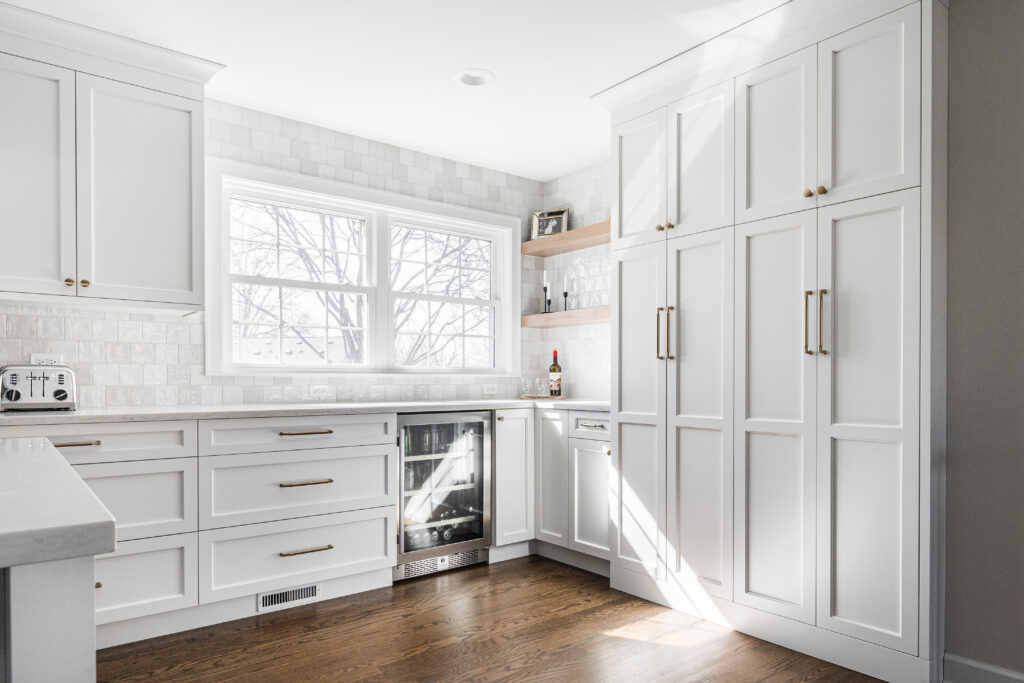
Image Source: decorcabinets.com
Grasping Base Cabinet Height
Base cabinets sit on the floor. The countertop rests on top of them. They are the main work area in most kitchens. The height of base cabinets is very important. It sets the height of your kitchen counter. This is where you do most of your chopping, mixing, and preparing food.
Standard Base Cabinet Height
The Standard kitchen cabinet height for base cabinets is 34.5 inches. This is the height of the wooden box itself. But a kitchen counter sits on top of this box. Countertops usually have a thickness of about 1.5 inches. So, the total height from the floor to the top of the counter is typically 36 inches. This 36-inch height is a common and comfortable height for most adults to work at. It helps prevent back strain from bending too much.
This height has been used for a long time. It’s based on how high people can comfortably reach and work. Think about standing at your counter to cut vegetables. A 36-inch height works well for most people. Of course, people come in different sizes. But 36 inches is the size that suits the largest number of people comfortably.
How Base Cabinet Height is Measured
When we talk about Base cabinet height, we mean the height of the cabinet box plus its toe kick. The toe kick is a small space at the bottom, recessed back a few inches. It lets you stand closer to the counter without hitting your toes. The standard toe kick height is usually 4.5 inches. The rest of the height is the cabinet box itself.
So, a standard base cabinet might have:
* Toe kick height: 4.5 inches
* Cabinet box height: 30 inches
* Total cabinet height: 34.5 inches
Then you add the countertop thickness, typically 1.5 inches, to get the final counter height of 36 inches.
Variations in Base Cabinet Height
While 34.5 inches is standard for the cabinet box, you can find other heights.
* Adjustable legs: Some cabinets come with legs that can be adjusted slightly. This helps if your floor is not perfectly flat. It can also raise the counter height slightly if needed.
* Custom heights: If you are very tall or very short, a standard 36-inch counter might not be right for you. Custom cabinets can be made to any height. You might choose 34 inches or 38 inches, for example. This makes the kitchen work better for your body.
* Different countertop thicknesses: While 1.5 inches is common, countertops can be thicker or thinner. This will change the final counter height even if the base cabinet is standard. For example, a thick granite slab could add more height.
Thinking about the people who will use the kitchen is key. If someone in the home uses a wheelchair, cabinet heights need to follow special rules. These rules are part of accessible design or ADA standards. For example, counters for wheelchair users are often lower, around 34 inches total height.
Why 36 Inches for Countertops?
The 36-inch counter height is not just a random number. It is based on ergonomics. This means designing things to fit the human body.
* It allows most people to stand comfortably without bending over too much.
* It puts the work surface at a good level for chopping and mixing.
* It sets a consistent height across most kitchens. This makes it easier to plan and install appliances like dishwashers, which are designed to fit under a 36-inch counter.
So, when you hear Base cabinet height, remember it’s usually 34.5 inches for the cabinet itself, leading to a 36-inch counter height with a standard top. This is a key Kitchen cabinet dimension.
Fathoming Wall Cabinet Height
Wall cabinets hang on the wall, typically above the base cabinets and counter. They hold things you need to reach easily, like dishes, glasses, and spices. Their height and how high they are placed are important. They affect storage space and how open your kitchen feels.
Common Wall Cabinet Heights
Wall cabinet height varies more than base cabinet height. The height you choose often depends on:
1. Your ceiling height.
2. How much storage you need.
3. How the kitchen looks.
4. How high you can comfortably reach.
The most common wall cabinet heights are:
* 30 inches tall: These are a popular choice. They work well in kitchens with standard 8-foot ceilings. They offer good storage without going too high.
* 36 inches tall: These offer more storage space than 30-inch cabinets. They are often used with 8-foot ceilings, but you might need to place them higher. They are also a good fit for taller 9-foot ceilings, leaving some space above or going almost to the ceiling.
* 42 inches tall: These are the tallest standard option. They give the most storage. They are best for kitchens with 9-foot or higher ceilings. They can reach almost to the ceiling, giving a grand look.
You can also find shorter wall cabinets, like 12, 15, 18, or 24 inches high. These are often used above refrigerators, microwaves, or stoves. They fill in spaces and provide extra storage for less-used items.
Distance Between Countertop and Upper Cabinets
A key measurement in kitchen design is the space between the top of the counter and the bottom of the wall cabinets. This is the Distance between countertop and upper cabinets. This space is important for placing appliances like coffee makers or blenders on the counter. It also affects how easy it is to see and work on the counter.
The Standard kitchen cabinet height for this space is usually 18 inches. This 18-inch gap is a common and practical height.
* It leaves enough room for most small kitchen appliances to fit under the cabinets.
* It allows enough space to work on the counter without feeling cramped.
* It works well with standard backsplash tiles, which are often 18 inches tall.
However, this distance can vary:
* It might be slightly less (e.g., 15 inches) in older kitchens or if the ceiling is very low. This limits what can fit under the cabinets.
* It might be more (e.g., 20 inches or more) if the cabinets are placed higher. This is sometimes done with very tall ceilings or to make the kitchen feel more open. But placing them too high can make it hard to reach the lower shelves of the wall cabinets.
So, while Upper cabinet height refers to the height of the cabinet box itself, the placement is also key. They are typically installed so the bottom of the cabinet is 18 inches above the 36-inch high counter. This means the bottom of a standard wall cabinet is usually 54 inches from the floor (36 inches counter height + 18 inches gap).
How Ceiling Height Affects Wall Cabinet Choices
Your ceiling height plays a big role in choosing Wall cabinet height.
* 8-foot ceilings: You have about 96 inches of height total.
* Base cabinet + counter: 36 inches
* Gap above counter: 18 inches
* Total used so far: 54 inches
* Remaining height for wall cabinet + space above: 96 – 54 = 42 inches.
* This 42 inches can fit a 30-inch or 36-inch wall cabinet, leaving space above. A 30-inch cabinet leaves 12 inches (for moulding or space). A 36-inch cabinet leaves 6 inches. A 42-inch cabinet might fit tightly but usually needs 9-foot ceilings to look right or reach the top.
* 9-foot ceilings: You have about 108 inches total.
* Base + counter + gap: 54 inches
* Remaining height: 108 – 54 = 54 inches.
* This gives you room for 30, 36, or 42-inch wall cabinets. A 42-inch cabinet leaves 12 inches above, perfect for decorative moulding to reach the ceiling.
Choosing the right Wall cabinet height helps use the vertical space well. It also makes the kitchen look balanced.
Examining Tall Kitchen Cabinets Dimensions
Tall cabinets, often called pantry or utility cabinets, go from the floor up high. They are used for storing food, cleaning supplies, or can even hide appliances like ovens or refrigerators. Their height is a big factor in how much storage they offer.
Pantry Cabinet Height and Purpose
Pantry cabinet height usually matches or comes close to the ceiling height. Common heights for tall cabinets are:
* 84 inches (7 feet): Often used with 8-foot ceilings, leaving some space above.
* 90 inches (7 feet 6 inches): Can work with 8-foot ceilings if you want less space above, or with 9-foot ceilings.
* 96 inches (8 feet): Designed to go almost to the ceiling in an 8-foot room, or leave more space in a 9-foot room.
* Beyond 96 inches: For ceilings higher than 9 feet, custom tall cabinets might be needed to reach near the top.
These cabinets are usually deeper than wall cabinets, often matching the depth of base cabinets (24 inches). This extra depth is great for storing larger items or many items deep.
Tall kitchen cabinets dimensions include their height, depth (often 24 inches), and width (common widths are 18, 24, 30, or 36 inches).
Using Tall Cabinets in Your Kitchen
Tall cabinets are powerful storage units. You might use them as:
* Food pantry: To store lots of groceries, cans, and dry goods.
* Utility cabinet: For cleaning supplies, brooms, or vacuums.
* Appliance garage: To house a built-in oven, microwave, or even a coffee station.
* Integrated look: To surround a refrigerator, making it look built-in.
Where you place tall cabinets is important. They use a lot of wall space from floor to ceiling. People often put them at the ends of a cabinet run or on their own wall. This helps the kitchen flow better.
Their height gives great storage, but reaching the top shelves can be hard. Think about putting items you use less often on the highest shelves.
Typical Kitchen Cabinet Sizes Overview
So far, we’ve looked at cabinet heights by type. But Typical kitchen cabinet sizes include more than just height. Cabinets also have standard widths and depths. These sizes are common because they work in most kitchens and make making and installing cabinets easier.
Let’s put the standard dimensions together in a simple way.
Standard Cabinet Dimensions
Here is a table showing common Kitchen cabinet dimensions:
| Cabinet Type | Standard Height (cabinet box only) | Standard Depth (cabinet box only) | Standard Widths (common options) | Notes |
|---|---|---|---|---|
| Base | 34.5 inches | 24 inches (front to back) | 9, 12, 15, 18, 21, 24, 27, 30, 33, 36, 42, 48 inches | Countertop adds ~1.5 inches height for a total 36″ counter height. Includes 4.5″ toe kick. |
| Wall | 12, 15, 18, 24, 30, 36, 42 inches | 12 inches (common), sometimes 15 inches | 9, 12, 15, 18, 21, 24, 27, 30, 33, 36 inches | Hung above counter, typically 18″ gap. |
| Tall | 84, 90, 96 inches | 24 inches (common), sometimes 12 inches | 18, 24, 30, 36 inches | Also called Pantry or Utility cabinets. |
Note: These are general Standard kitchen cabinet height and other dimensions. Sizes can vary slightly by brand and style.
Widths come in steps, usually 3-inch steps (like 12, 15, 18). This makes it easy to fit cabinets along a wall. You combine different widths to fill the space you have. For example, to fill a 60-inch space, you could use two 30-inch cabinets, or a 24-inch and a 36-inch one.
Depth is also standard. Base cabinets are deep to give good storage and counter space. Wall cabinets are less deep so you don’t hit your head on them and to make it easier to reach items in the back.
These Typical kitchen cabinet sizes provide a good starting point for planning any kitchen layout.
Deciphering Kitchen Cabinet Installation Height
Installing cabinets means fixing them to the walls and floor at the correct heights. Kitchen cabinet installation height is about making sure they are level and at the standard positions.
Installing Base Cabinets
Base cabinets sit on the floor. But installation height is still important. They need to be level across the entire kitchen. This is done by checking the floor level and using shims (thin pieces of material) to lift parts of the cabinet base as needed. The goal is to get the top surface of all base cabinets perfectly level at 34.5 inches (or the chosen height) before the countertop goes on.
The toe kick area is usually added or is part of the cabinet base, setting the bottom few inches back. This toe kick starts at floor level.
Installing Wall Cabinets
Wall cabinets are hung on the wall using screws that go into wall studs (the wood framing inside the wall). Getting the height right is key.
As mentioned, the standard rule is to place the bottom of the wall cabinets 18 inches above the finished countertop height (which is usually 36 inches from the floor).
So, the bottom of the wall cabinets is typically installed at 54 inches from the floor (36″ + 18″).
However, this 54-inch starting point can change:
* If your counter height is different (maybe 34 inches for accessibility), the bottom of the wall cabinet would be 18 inches above that, so 52 inches from the floor.
* If you want a larger gap above the counter (maybe 20 inches), the bottom of the wall cabinet would be installed at 56 inches from the floor (36″ + 20″).
* Sometimes, wall cabinets are lined up with the top of a tall cabinet or refrigerator cabinet next to them. This might change their bottom height slightly depending on the height of the adjacent tall unit.
Measuring and marking the wall accurately before hanging the cabinets is very important. A level line is drawn at 54 inches (or the desired height) from the floor. The bottom edge of the wall cabinets is then lined up with this mark during installation.
How Different Heights Work Together
The different cabinet heights – base, wall, and tall – are designed to work together in a kitchen.
* The base cabinets set the main work surface height.
* The wall cabinets sit above this work surface, keeping everyday items within reach.
* The tall cabinets use vertical space for bulk storage or built-in appliances.
The Distance between countertop and upper cabinets (the 18-inch gap) is the key connection point. It links the lower work zone with the upper storage zone.
When all these Kitchen cabinet dimensions are standard, planning is easier. Standard appliance sizes (like dishwashers, ranges, microwaves) are made to fit with these standard cabinet heights and gaps. For example, a standard range is 36 inches high to match the counter. An over-the-range microwave is designed to fit in the 18-inch space above the range.
Using Typical kitchen cabinet sizes helps create a kitchen that functions well and looks balanced.
Considering What Affects Cabinet Choices
While standard sizes are common, they might not be the best fit for every kitchen or every person. Several things can lead you to choose different cabinet heights or dimensions.
Kitchen Size and Layout
The overall size and shape of your kitchen matter.
* In a small kitchen, using taller wall cabinets (like 42 inches) can give you much-needed storage space, reaching closer to the ceiling.
* In a large kitchen with high ceilings, you might use a mix of cabinet heights. Perhaps standard height wall cabinets with smaller cabinets stacked on top to reach the ceiling. This adds visual interest and storage.
* The layout of doors, windows, and appliance locations affects where cabinets can go and how tall they can be. You can’t put a tall cabinet under a window, for example.
Ceiling Height
We’ve touched on this, but ceiling height is one of the biggest factors in choosing Wall cabinet height and Pantry cabinet height.
* Low ceilings (under 8 feet) might require shorter wall cabinets or placing them lower.
* High ceilings (9 feet or more) allow for taller cabinets and give more flexibility in design, including stacking cabinets or leaving space above.
Who Uses the Kitchen
This is perhaps the most important factor after the physical space.
* Are the main cooks very tall or short? Custom base cabinet height might make cooking more comfortable.
* Are there children or people with mobility issues? Lower base cabinets or pull-down shelves in wall cabinets can help with accessibility. The standard 36-inch counter height might be too high for someone in a wheelchair. Accessible kitchens often have variable height counters or lower counters around 34 inches.
* How much stuff do you have? If you have a lot, taller or deeper cabinets (if available) give more storage volume.
Storage Needs
Think about what you need to store.
* Do you have lots of tall pots? Make sure your base cabinet shelves or drawers are deep enough.
* Do you have many small items? Drawers might be better than shelves in base cabinets.
* Do you store large boxes of cereal or tall bottles? Ensure your Pantry cabinet height and shelf spacing work.
Style and Look
The height and type of cabinets also affect the style.
* Cabinets that go all the way to the ceiling can look modern and provide a lot of seamless storage.
* Leaving space above wall cabinets is more traditional and allows for decoration or displaying items.
* Open shelves instead of some wall cabinets change the feel and storage type completely.
Choosing Typical kitchen cabinet sizes makes planning easier and often costs less than custom options. But thinking about these factors ensures the kitchen truly fits your needs and space.
Options Beyond Standard Kitchen Cabinet Dimensions
While Standard kitchen cabinet height and widths are common, you are not always limited to them.
Semi-Custom Cabinets
Semi-custom cabinets offer more choices than basic stock cabinets. You can often get standard cabinet boxes in slightly different widths (like 1-inch increments instead of just 3-inch). You might also have more options for depth or slight height changes. This helps fit cabinets into spaces that aren’t perfect multiples of the standard sizes.
Custom Cabinets
Custom cabinets are built specifically for your kitchen space and your needs. With custom cabinets, any Kitchen cabinet dimensions are possible.
* Need a base cabinet that’s 38 inches tall? You can get it.
* Need wall cabinets that are only 10 inches deep? You can get them.
* Need a pantry cabinet exactly 102 inches tall to reach a high ceiling? A custom maker can build it.
Custom cabinets cost more than stock or semi-custom. But they offer the best fit and the most options for unique spaces or specific needs, like making counters higher or lower for comfort or accessibility.
Mixing and Matching
It’s also common to mix and match cabinet types and heights.
* You might use standard base cabinets everywhere.
* You might use 30-inch wall cabinets over most counters but use 15-inch high cabinets over the microwave and 36-inch high cabinets in a different section to go higher towards the ceiling.
* You might use a tall pantry cabinet on one wall and standard base and wall cabinets on others.
This mixing helps meet different storage needs and fits the layout of the kitchen. The key is making sure the heights flow well together and the Distance between countertop and upper cabinets is functional.
Wrapping Up Cabinet Heights
To recap, How Tall Are Cabinets For Kitchen depends on the cabinet type:
* Base cabinet height: 34.5 inches (leading to a 36-inch counter)
* Wall cabinet height: Commonly 30, 36, or 42 inches
* Pantry cabinet height (or Tall kitchen cabinets dimensions): Commonly 84, 90, or 96 inches
The Distance between countertop and upper cabinets is usually 18 inches.
Kitchen cabinet installation height for base cabinets is floor level (adjusted for levelness), and for wall cabinets, the bottom is typically 54 inches from the floor (36″ counter + 18″ gap).
These are the Standard kitchen cabinet height and Typical kitchen cabinet sizes. Knowing these numbers is the first step in planning a kitchen project. It helps you measure your space and figure out how many cabinets of what size you might need. It also helps you think about how the kitchen will work for you and your family every day.
When planning, measure your kitchen space carefully. Look at your ceiling height. Think about who will use the kitchen and what feels comfortable for them. Consider your storage needs. Then, look at the standard cabinet sizes available. If standard sizes don’t meet your needs, explore semi-custom or custom options.
Getting the cabinet heights right makes a big difference in how much you enjoy your kitchen. It makes it easier to cook, clean, and find what you need. It helps create a space that is both beautiful and practical.
Frequently Asked Questions about Cabinet Heights
Let’s answer some common questions people have about kitchen cabinet sizes and heights.
h4 What is the standard gap between counter and upper cabinets?
The standard space between the top of the kitchen counter and the bottom of the wall cabinets is 18 inches. This distance allows most small appliances to fit under the cabinets and provides comfortable workspace on the counter.
h4 Can kitchen cabinets be installed at different heights?
Yes, kitchen cabinets can be installed at different heights. While standards exist, you can adjust them based on your needs. Base cabinets can be slightly higher or lower by using adjustable legs or choosing custom sizes. Wall cabinets can be hung higher or lower than the standard 54 inches from the floor, depending on ceiling height, personal reach, and desired look.
h4 How high should cabinets go on an 8-foot ceiling?
With an 8-foot ceiling (96 inches), base cabinets and counter use the first 36 inches. The standard 18-inch gap above the counter brings you up to 54 inches. This leaves 42 inches (96 – 54) of space for wall cabinets and any moulding or gap above them. You can install 30-inch or 36-inch tall wall cabinets comfortably. A 42-inch wall cabinet might fit, but will leave very little room (only 0 inches if it goes to 96″ and the bottom is at 54″). People often choose 30 or 36-inch cabinets and leave space above for moulding or just for looks.
h4 How high should cabinets go on a 9-foot ceiling?
With a 9-foot ceiling (108 inches), base cabinets and counter use 36 inches, and the standard gap is 18 inches, totaling 54 inches from the floor to the bottom of the wall cabinets. This leaves 54 inches (108 – 54) above the gap. You can easily use 30, 36, or 42-inch wall cabinets. 42-inch cabinets are a popular choice as they leave 12 inches (54 – 42) above them, which is a good amount of space for decorative crown moulding to reach the ceiling.
h4 Are 42 inch upper cabinets too tall?
No, 42-inch upper cabinets are not too tall in kitchens with high ceilings (9 feet or more). They offer great storage space and can look very nice, extending close to the ceiling. However, they might be too tall for kitchens with standard 8-foot ceilings if you want the standard 18-inch gap above the counter, as they would fill all the space above the gap. Also, reaching the top shelves in 42-inch cabinets can be hard for people of average height; you might need a step stool.
h4 What is the standard toe kick height?
The standard height for a toe kick on a base cabinet is 4.5 inches. It is set back about 3 inches from the front of the cabinet. This space allows you to stand closer to the counter and work comfortably without hitting your feet.
h4 Does counter thickness affect cabinet height?
Yes, counter thickness affects the final height of your kitchen counter. Standard base cabinets are 34.5 inches tall. A standard countertop is usually about 1.5 inches thick. When you add the countertop to the base cabinet, the total counter height becomes 36 inches (34.5 + 1.5). If you choose a thicker or thinner countertop material, the final counter height will change.
h4 What are accessible cabinet heights?
Accessible kitchen design follows guidelines like the Americans with Disabilities Act (ADA). For counters used for work, the maximum height is typically 34 inches from the floor. This is lower than the standard 36 inches. Wall cabinets might be placed lower or include pull-down shelving systems so items are easier to reach from a seated position. Base cabinets under accessible counters might be open underneath to allow space for a wheelchair user’s knees.
h4 Can wall cabinets be different depths?
Yes, while the most common depth for wall cabinets is 12 inches, you can find them in other depths, such as 15 inches or even deeper for some custom options. Deeper wall cabinets offer more storage volume but stick out further from the wall. This can be useful over a counter but might feel too close if placed over a walkway.
Knowing these Kitchen cabinet dimensions and how they fit together is key to creating a kitchen that works well for you and your home.