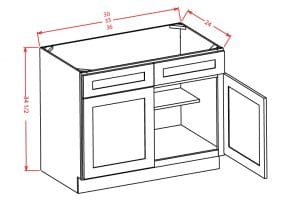
Image Source: www.cabinetcorp.com
How Tall Is A Base Kitchen Cabinet? Find Out Fast!
A base kitchen cabinet is usually 34.5 inches tall. This height does not include the countertop. When you add a standard countertop, which is often 1.5 inches thick, the total height reaches the common standard kitchen countertop height of 36 inches. This standard base cabinet height is important for good kitchen design. It helps people stand comfortably while working.
Why Cabinet Height Matters
Getting kitchen cabinet measurements right is key. The height of your lower cabinet height affects how you cook, clean, and use your kitchen every day. If cabinets are too low, your back might hurt from bending. If they are too high, reaching things inside can be hard. The usual average kitchen cabinet height makes the kitchen easy to use for most adults. It sets the countertop height standard.
Proper height also looks good. Cabinets that are the right size fit the space well. They make the kitchen look balanced and put together. Knowing the standard size helps you plan your kitchen layout. It helps you buy the right cabinets. Or it helps you tell a cabinet maker what you need. This is part of a cabinet measurement guide.
Components of Base Cabinet Height
A base cabinet is not just one solid block. It has parts that add up to its total height. Knowing these parts helps you deciphering how tall your cabinets will be.
There are three main parts that make the height of a base cabinet with a counter:
- The cabinet box itself
- The toe kick below the box
- The countertop on top
We will look at each part.
The Cabinet Box
The main part is the box. This box holds shelves or drawers. It’s where you store pots, pans, dishes, and food. The height of the cabinet box is a big part of the total height.
For a standard cabinet, the box is usually about 30 inches tall. This can change a little depending on the maker. But 30 inches is a common number you will see. This box sits on the toe kick area.
The box width and depth can change a lot. But the box height for base cabinets stays pretty close to this number for standard models.
The Toe Kick
Below the cabinet box is a space. This space is set back from the front of the cabinet. It is called the toe kick. Why have a toe kick? It is there so you can stand closer to the counter. Your toes go into this space. This lets you lean forward slightly without hitting your feet. It makes working at the counter more comfortable.
The height of the toe kick area is also standard. It is usually 4.5 inches tall. It is also typically set back about 3 inches from the cabinet front. These are common toe kick dimensions.
So, you have the 30-inch box sitting on a 4.5-inch toe kick space. Add these numbers together: 30 inches (box) + 4.5 inches (toe kick) = 34.5 inches. This gives you the standard base cabinet height without the countertop.
Toe kicks can be built into the cabinet box structure. Or they can be separate pieces attached during install. Either way, the space measurement is usually around 4.5 inches high.
The Countertop
On top of the cabinet box goes the countertop. This is the surface you work on. Countertops come in many materials. Think of granite, quartz, laminate, or wood. The thickness of the countertop adds to the total height.
A standard countertop thickness is 1.5 inches. This is a common size for many materials. So, if you put a standard 1.5-inch thick countertop on a 34.5-inch tall base cabinet, the total height becomes 36 inches.
34.5 inches (cabinet height) + 1.5 inches (countertop thickness) = 36 inches (total height to countertop surface).
This 36 inches is the widely accepted countertop height standard for kitchens. It is the goal height for most kitchen designs.
However, countertops can be thicker or thinner. Some modern designs use very thick counters, maybe 2 or 3 inches. Some thin materials might be less than 1.5 inches. If your countertop is thicker or thinner than 1.5 inches, your final counter height will be different from the standard 36 inches.
For example, if you use a 2-inch thick counter:
34.5 inches (cabinet height) + 2 inches (countertop thickness) = 36.5 inches (total height).
This shows why knowing the cabinet height and countertop thickness is part of kitchen cabinet dimensions planning.
Standard Dimensions in Detail
Let’s look closer at the usual sizes.
- Standard Base Cabinet Height (without counter): 34.5 inches. This is the height of the cabinet box plus the toe kick space. This is the most common size you will find ready-made.
- Toe Kick Height: Typically 4.5 inches. This space is at the bottom.
- Cabinet Box Height: Usually 30 inches. This box sits above the toe kick.
- Standard Countertop Thickness: Often 1.5 inches. This goes on top of the box.
- Standard Total Counter Height: 36 inches. This is the countertop height standard. It is the cabinet height plus the standard counter thickness.
These numbers are used for most standard kitchen cabinets. These are the usual base cabinet specifications.
Other Standard Kitchen Cabinet Dimensions
While focusing on height, it is good to know other standard sizes too. This gives a full picture of kitchen design dimensions.
- Base Cabinet Depth (without door/drawer front): Usually 24 inches. This is how far the cabinet goes back from the wall.
- Base Cabinet Depth (with door/drawer front): Around 25 to 25.5 inches. The front adds a little depth.
- Base Cabinet Widths: These vary a lot. They usually come in steps of 3 inches. Common widths are 9, 12, 15, 18, 21, 24, 27, 30, 33, 36, 42, 48 inches. Wider cabinets might have two doors.
Knowing these standard widths and depths, along with the height, helps in planning your kitchen layout. It helps when using a cabinet measurement guide.
Here is a quick look at standard sizes:
| Part | Standard Height (inches) | Standard Depth (inches) | Standard Widths (inches) |
|---|---|---|---|
| Base Cabinet Box | 30 | 24 | Varies (9 to 48+, steps of 3) |
| Toe Kick Space | 4.5 | 3 (setback) | Matches cabinet width |
| Countertop | 1.5 (common thickness) | 25-26 (to overhang wall cabinet) | Matches cabinet length |
| Total Counter Ht | 36 |
This table shows the key kitchen cabinet dimensions.
Why 36 Inches Became Standard
Why is 36 inches the common countertop height standard? It is mostly about ergonomics. This height is comfortable for most people who are of average height.
- Ergonomics: Standing at a counter that is about 36 inches high lets most adults work with less bending. It keeps your back straighter when chopping food or washing dishes. It allows your arms to be in a natural position. This reduces strain on your neck, shoulders, and back.
- Appliances: Kitchen appliances are designed to fit with this height. Dishwashers, ranges, and built-in microwaves are made to line up with a 36-inch counter height. This makes the kitchen look clean and works well.
- History: This height evolved over time. As kitchens became more modern, studies on how people use them helped set standards for comfort and efficiency.
So, the standard base cabinet height of 34.5 inches, leading to a 36-inch counter height, is not just a random number. It is based on how people move and work in the kitchen. It aims for a comfortable and useful space for the average person.
When Standard Height Doesn’t Work
While 36 inches is standard, it is not right for everyone or every situation. There are times you might want or need different cabinet design dimensions.
- Tall or Short Users: For someone very tall, 36 inches might be too low. They might need to bend uncomfortably. For someone very short, 36 inches might be too high. Reaching the back of the counter or into wall cabinets might be hard.
- Accessibility Needs (ADA): The Americans with Disabilities Act (ADA) has rules for accessible design. For kitchens, this means counters might need to be lower. ADA counters are often 34 inches high. This allows people in wheelchairs to use the counter comfortably. This requires different base cabinet specifications.
- Multi-Height Counters: Some kitchens have counters at different heights. A lower section might be for preparing food while sitting. A higher section might be a breakfast bar. This uses varied kitchen design dimensions.
- Specific Tasks: Sometimes, a lower counter is good for specific tasks. For example, baking or making pasta can be easier on a slightly lower surface.
- Design Choice: You might just like the look of higher or lower counters for style reasons.
In these cases, you need custom cabinet heights.
Getting Custom Cabinet Heights
If standard cabinets do not fit your needs, you can get custom ones. Custom cabinets are made to your exact size. This lets you set the lower cabinet height to whatever works best for you.
When getting custom cabinets:
- Determine Your Ideal Height: Think about who uses the kitchen most. What is their height? What tasks do they do? A good way to find your ideal height is to stand at a surface (like a table) and find a comfortable working height.
- Talk to a Cabinet Maker: Explain your needs. They can build the cabinet boxes to a different height. Remember that the toe kick height might also change. Or the cabinet box itself will be taller or shorter to reach the final needed height before the counter.
- Consider Countertop Thickness: Factor in the thickness of the counter you will use. If you want a final counter height of 38 inches and plan to use a 1.5-inch counter, your base cabinet needs to be 36.5 inches tall (38 – 1.5).
- Plan for Appliances: Make sure your custom height still works with your dishwasher, range, and other built-in items.
Custom cabinet heights give you flexibility. But they usually cost more than standard cabinets. They also take longer to get.
Learning About Cabinet Measurement
Whether you use standard or custom sizes, you need to measure carefully. A cabinet measurement guide helps you plan.
First, measure your kitchen space.
* Measure the length of each wall where cabinets will go.
* Measure the height of the room from floor to ceiling.
* Mark where windows, doors, and outlets are.
* Note where plumbing and gas lines are.
This helps you choose cabinet widths and place them.
For height, the key measurement starts from the floor.
* The standard base cabinet height measured from the floor to the top edge of the cabinet box (before the counter) is 34.5 inches.
* The standard countertop height standard measured from the floor to the top surface of the counter is 36 inches.
When measuring existing cabinets:
* Measure from the floor to the very top surface (the counter). This gives you the total height.
* If you want to find the cabinet box height, measure from the floor to the bottom of the cabinet box (top of the toe kick), then measure the toe kick height separately. Subtract the toe kick height from the total base cabinet height (34.5 inches) to see the box height (30 inches).
* Measure the toe kick: height (floor to bottom of box) and depth (how far it goes back). Note these toe kick dimensions.
Knowing these measurements helps you compare options. It helps you know if standard sizes will fit your kitchen and your needs.
Fathoming Base Cabinet Specifications
Base cabinet specifications include more than just height, but height is a key one. When you look at specs for a cabinet line, you will see numbers for:
- Height (usually 34.5 inches for standard)
- Depth (usually 24 inches box, 25-25.5 with door)
- Width (many options)
- Construction material (wood type, particle board, etc.)
- Drawer slide type
- Hinge type
- Finish color
These specs tell you exactly what you are buying. For height, pay close attention to whether the height given is the cabinet box only, the cabinet box plus toe kick (the 34.5″), or the total height with a standard counter (36″). Most often, the “base cabinet height” listed is 34.5 inches.
Example Spec Sheet Info (Simplified):
- Cabinet Type: Base Cabinet, 3 Drawer
- Series: [Manufacturer Series Name]
- Dimensions:
- Height: 34.5″
- Depth: 24″ (box), 25.25″ (overall)
- Width: 30″
- Toe Kick: Integrated, 4.5″ H x 3″ D
- Construction: All-plywood box
- Finish: White Paint
This example clearly shows the standard base cabinet height of 34.5 inches and the toe kick dimensions.
When ordering, double-check these specs match what you need for your kitchen design dimensions.
Grasping Kitchen Design Dimensions
Planning a kitchen involves many dimensions. The height of base cabinets is just one, but it impacts others.
- Relationship with Wall Cabinets: Base cabinet height affects the space between the base counter and the wall cabinets. This space is usually 18 inches. If your base cabinets are lower, this space gets bigger. If they are higher, the space gets smaller. This gap is important for fitting small appliances like coffee makers and blenders. It also affects where you place electrical outlets and lighting under wall cabinets.
- Hood Vent Height: The height of your range hood above your cooking surface depends on the counter height (which is set by the base cabinet height). Hoods need to be within a certain distance from the cooktop for safety and function.
- Appliance Fit: We already talked about ranges and dishwashers. Refrigerators and microwaves (especially over-the-range ones) also have standard placements related to cabinet heights.
Getting the kitchen cabinet dimensions right for your base cabinets sets the stage for all other vertical measurements in the kitchen.
Variations in Base Cabinet Height
While 34.5 inches is standard, you might find slight variations.
- Manufacturer Differences: Different cabinet makers might have slightly different standards. One might make their boxes 29.5 inches, leading to a 34-inch base cabinet height. Another might be exactly 30 inches box, 34.5 total. These small differences usually do not matter much if you use a standard 1.5-inch counter to reach 36 inches. But it is good to check base cabinet specifications.
- Cabinet Type: Some special base cabinets might have different heights. For instance, a kitchen island base might be slightly taller if you want a bar-height counter (around 42 inches total). But the standard “along the wall” base cabinets are usually 34.5 inches.
- Floor Issues: If your kitchen floor is not level, the actual height of the cabinet from the floor might vary a little after installation. Installers use shims (thin pieces of material) to make sure the cabinets are level and at the right height across the run.
So, while aiming for 34.5 inches (cabinet) and 36 inches (counter) is the goal, small differences can happen.
Your Cabinet Measurement Guide
Planning your cabinet heights needs careful steps. Here is a simple cabinet measurement guide:
- Measure Your Space: Get overall wall lengths and ceiling height. Mark windows, doors, and needed appliance spots.
- Decide on Counter Height: Will you use the countertop height standard of 36 inches? Or do you need higher or lower for comfort or accessibility? This is your target finished height.
- Choose Your Countertop: What material and thickness will your counter be? Common is 1.5 inches. If it is different, note the exact thickness.
- Calculate Required Cabinet Height: Subtract the countertop thickness from your target total counter height.
- Example: Target height = 36 inches. Counter thickness = 1.5 inches. Required cabinet height = 36 – 1.5 = 34.5 inches. This means you need standard cabinets.
- Example: Target height = 38 inches. Counter thickness = 1.5 inches. Required cabinet height = 38 – 1.5 = 36.5 inches. You will need custom cabinets.
- Example: Target height = 34 inches (ADA). Counter thickness = 1.5 inches. Required cabinet height = 34 – 1.5 = 32.5 inches. You will need custom cabinets.
- Check Cabinet Specifications: When buying or ordering, check the base cabinet specifications. Make sure the listed height (usually without the counter) matches the required cabinet height you calculated. Confirm the toe kick dimensions too.
- Plan Toe Kick: Standard toe kick is 4.5 inches. This is usually part of the 34.5-inch height. If you need a custom height, the toe kick might stay 4.5 inches and the box size changes, or the toe kick might change too. Discuss this with your supplier or builder.
- Consider Flooring: New flooring can change the height. If you add thick tile after cabinets are in, the counter height relative to the floor will go up slightly. Plan flooring before final cabinet measurements if possible.
Following this cabinet measurement guide helps ensure your cabinets are the right height for you and your kitchen layout. It makes sure the kitchen design dimensions work together.
In Summary: The Heights to Remember
- Standard Base Cabinet Height (cabinet only, including toe kick): 34.5 inches.
- Standard Toe Kick Height: 4.5 inches.
- Standard Cabinet Box Height (above toe kick): 30 inches.
- Standard Countertop Thickness: 1.5 inches (common).
- Standard Total Counter Height (cabinet + 1.5″ counter): 36 inches. This is the countertop height standard.
These are the key numbers for standard kitchens. They form the basis for most kitchen cabinet dimensions and base cabinet specifications. If you need something different, custom cabinet heights are an option. Using a cabinet measurement guide ensures everything fits. Knowing the lower cabinet height is step one in making your kitchen work for you.
Frequently Asked Questions (FAQ)
h4 Does 36 inches include the countertop?
Yes, the 36-inch standard height is measured from the floor to the top surface of the countertop. It includes the height of the base cabinet (usually 34.5 inches) plus the thickness of a standard countertop (usually 1.5 inches).
h4 What is the purpose of the toe kick area?
The toe kick is the recessed space at the bottom of base cabinets. It lets you stand closer to the counter without hitting your feet. This helps you maintain good posture and work comfortably for longer periods. Its standard height is 4.5 inches.
h4 Can base cabinets be higher or lower than standard?
Yes, standard height is 34.5 inches for the cabinet (36 inches with counter). But you can get custom cabinet heights. This is common for tall people, short people, or for accessible designs like ADA kitchens, which often have lower counters.
h4 How do I measure for new base cabinets?
Start by measuring your kitchen space. Get the length of walls, height of the room, and mark windows, doors, and appliances. For height, know your desired final counter height. Subtract the countertop thickness you plan to use. This gives you the needed base cabinet height. Standard is 34.5 inches for the cabinet itself.
h4 Do different countertop materials affect the height?
Yes. While 1.5 inches is a common countertop thickness, some materials or styles are thicker or thinner. A thicker counter (like 2 or 3 inches) will make the final counter height higher, even with a standard 34.5-inch base cabinet. You need to factor in the exact countertop thickness when planning your total height.
h4 Are kitchen island cabinets the same height?
Kitchen island base cabinets are often the standard 34.5 inches (leading to a 36-inch counter). However, islands are also used for seating areas. A lower section might match counter height (36″). A higher section for bar stools is usually around 42 inches tall. This requires a taller base cabinet or building a raised section on top of a standard base.
h4 What is the typical depth of base kitchen cabinets?
Standard base cabinet depth is usually 24 inches for the box itself. With the door or drawer front and a slight overhang for the countertop edge, the total depth from the wall is typically 25 to 25.5 inches.
h4 Why is 36 inches considered the standard countertop height?
It is based on ergonomics. This height is comfortable for most average-height adults to work at without excessive bending or reaching. It helps prevent back, shoulder, and neck strain during tasks like chopping or washing dishes.
h4 What are standard toe kick dimensions?
The standard toe kick is 4.5 inches tall. It is usually set back about 3 inches from the front of the cabinet doors or drawers. These toe kick dimensions provide space for your feet.
h4 Where can I find the exact dimensions of a specific cabinet?
Look at the base cabinet specifications provided by the manufacturer or seller. These specs will list the height, depth, width, and details about the toe kick and construction materials. Use this with your cabinet measurement guide when planning.