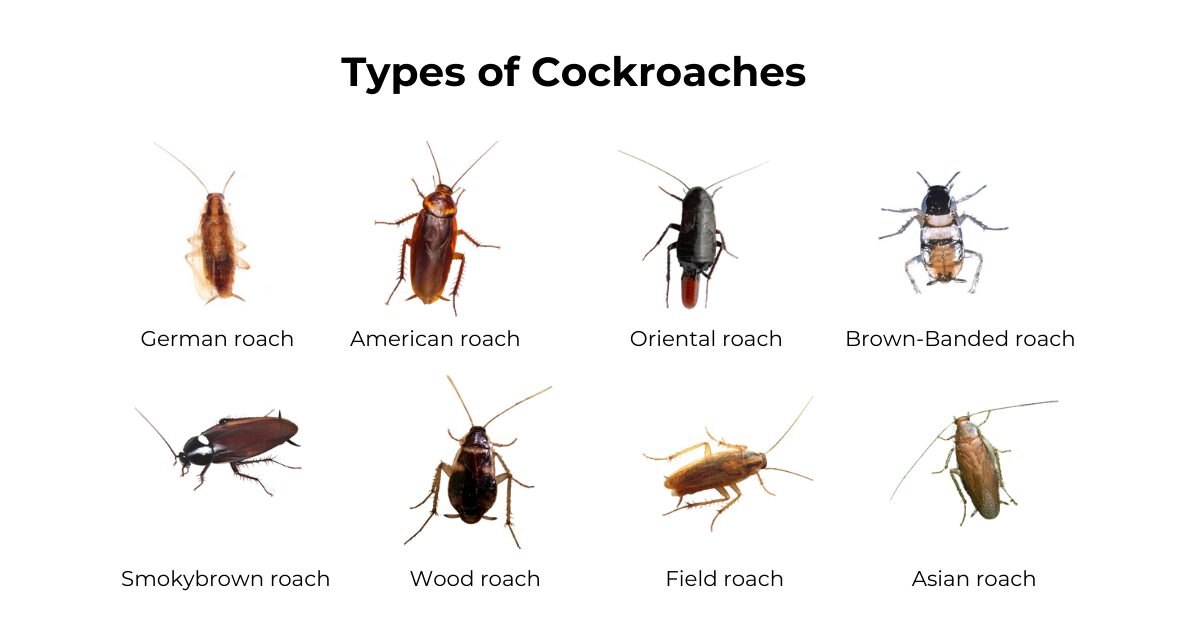
Image Source: smithspestmanagement.com
Identifying the Problem: Small Cockroaches in Your Kitchen
Seeing tiny bugs scuttling across your kitchen counter is unsettling. These small invaders are likely cockroaches, and finding them means you have housemates you didn’t invite. Getting rid of them quickly is important. This guide will walk you through effective ways to eliminate small cockroaches and keep them from coming back.
What Small Roaches Are
Most of the time, the small cockroaches you see in a kitchen are not fully grown large roaches. They are usually adults of a smaller species or young versions (nymphs) of common roaches.
Likely Culprit: The German Cockroach
The most common small cockroach in kitchens across the world is the German cockroach (Blattella germanica). Adult German cockroaches are light brown or tan and about 1/2 to 5/8 inches long. They have two dark stripes running lengthwise behind their head. The young ones, often called “baby cockroaches,” are even smaller, dark brown or black, and have a single light stripe down their back. German cockroaches are notorious for being hard to get rid of because they reproduce very quickly and can hide in tiny spaces. Knowing you’re dealing with German cockroaches is the first step in effective German cockroach removal.
Spotting Trouble: Signs of Cockroach Infestation
Sometimes you don’t see the roaches themselves right away. But they leave clues. Look for these signs of cockroach infestation:
- Seeing the roaches: This is the clearest sign. If you see them during the day, the infestation is likely large because roaches are usually active at night.
- Cockroach droppings: These look like tiny black pepper flakes or coffee grounds. You’ll find them where roaches hide or travel, like in drawers, on shelves, or under appliances.
- Egg cases (oothecae): Female German cockroaches carry a small, brown, capsule-shaped egg case until the eggs are ready to hatch. You might find these cases lying around. Each one can hold many eggs, often 30-40. Finding these means more roaches are coming soon.
- Smear marks: If water is available, roaches may leave brown or black smear marks on walls or horizontal surfaces.
- Unpleasant smell: A large infestation can create a strong, oily, or musty smell.
Playing Detective: How to Find Cockroach Hiding Places
Cockroaches are good at hiding. To get rid of them, you need to find where they are living and breeding. Learning to find cockroach hiding places is crucial for hitting them where they live.
Where Roaches Hide
Small cockroaches, especially German ones, love warm, humid, dark places near food and water. Kitchens are perfect for them. Check these common spots:
- Cracks and crevices: Tiny gaps in walls, floors, baseboards, and cabinets are perfect hideouts.
- Behind and under appliances: Refrigerators, stoves, dishwashers, microwaves, and even toasters provide warmth, darkness, and sometimes food crumbs. Pull them out and look behind them.
- Inside cabinets and drawers: Especially in corners, under shelf liners, or in the backs of drawers.
- Around pipes: Under sinks, behind dishwashers, or near any plumbing that might have leaks or condensation.
- Behind loose wallpaper or tiles: Gaps in walls offer shelter.
- Near trash cans: Both inside and outside.
- Under sinks: Dark, damp, and often near food waste.
- Around electrical outlets and switch plates: They can crawl inside wall voids through these openings.
- Inside electronics: Coffee makers, toasters, and other kitchen gadgets can become homes.
Looking for Clues
Use a flashlight to inspect these areas thoroughly, especially at night when roaches are more active. Look for the signs of cockroach infestation mentioned earlier – droppings, egg cases, and smear marks. If you see roaches scatter when you shine the light, you’ve found a hiding spot. Pay close attention to the backs of drawers, corners of cabinets, and the seals around appliance doors.
Building Your Defense: Prevent Cockroaches in Kitchen
Prevention is your first and best line of defense. Making your kitchen less appealing to roaches is key to getting rid of them and stopping new ones from moving in. These steps will help you prevent cockroaches in kitchen.
Cleaning is Key
A spotless kitchen is a hostile environment for roaches. They need food, water, and shelter. Don’t give it to them.
- Wipe up spills right away: Especially sugary drinks or grease.
- Clean counters, sinks, and stovetops daily: Remove all crumbs and food residue.
- Wash dishes immediately: Don’t leave dirty dishes in the sink overnight.
- Sweep or vacuum floors daily: Get crumbs and food particles, especially under appliances and along baseboards.
- Mop floors regularly: Clean sticky spots.
- Clean under appliances: Pull out your fridge and stove periodically to clean underneath and behind them. Grease and crumbs build up here.
- Empty trash cans often: Use a trash can with a tight-fitting lid. Take the trash out every night.
- Clean garbage cans: Wash them out regularly with soap and water to remove food smells.
- Don’t leave pet food out overnight: Store pet food in airtight containers.
- Clean crumbs from toasters and microwaves: Empty crumb trays and wipe down interiors.
Stopping Entry Points
Roaches can squeeze through tiny gaps. Seal off their ways in and their favorite hiding spots.
- Seal cracks and crevices: Use caulk to fill gaps in walls, baseboards, around pipes, and behind backsplashes.
- Seal around pipes and wires: Fill spaces where pipes or wires enter walls or cabinets.
- Fix damaged screens: Repair or replace screens on windows and doors.
- Install door sweeps: Close the gap under exterior doors.
- Check groceries and packages: Roaches or their egg cases can sometimes hitch a ride into your home this way. Inspect bags before bringing them fully inside.
Storing Food Right
Proper food storage cuts off a major food source for roaches.
- Use airtight containers: Store dry goods like cereals, pasta, sugar, and flour in plastic or glass containers with tight lids.
- Don’t leave food on counters: Put food away immediately after cooking or eating.
- Store fruits and vegetables properly: Some need refrigeration, others need proper storage to prevent spoilage that attracts pests.
Fixing Leaks
Roaches need water to survive. Even small leaks can provide enough moisture for them.
- Repair leaky faucets and pipes: Check under sinks and behind appliances for moisture.
- Fix dripping drains: Ensure all plumbing is dry.
- Reduce humidity: Use dehumidifiers in damp areas like basements if necessary. Ensure good ventilation in the kitchen.
Going on the Attack: Effective Ways to Kill Cockroaches
Once you’ve cleaned and sealed, it’s time to tackle the roaches that are already there. There are several effective ways to kill cockroaches. Combining methods usually works best.
Choosing Your Weapon: Baits and Killers
Different products work in different ways. Choosing the right ones is important.
The Power of Bait: Best Roach Bait Kitchen
Roach baits are often considered the best roach bait kitchen solution for many people, especially for German cockroaches. Here’s why:
- How they work: Baits contain a food attractant mixed with a slow-acting poison. Roaches eat the bait and carry it back to their hiding places, sharing it with others, including nymphs (baby roaches) and females with egg cases.
- Chain reaction: This transfer effect means baits can kill many roaches that never even found the bait themselves. It targets the colony where they live.
- Forms: Baits come as gels (applied with a syringe into cracks) or bait stations (small plastic containers).
- Placement: Place bait in tiny amounts near where you’ve seen roach activity or found droppings. Put it in cracks, corners, under sinks, behind appliances – near their hiding spots. Avoid putting bait near sprays or cleaning chemicals, as the smell can repel roaches.
- Benefits: Less messy than sprays, safer around people and pets when placed correctly, targets the source.
Homemade Help: Homemade Roach Killer Options
Some people prefer to try making a homemade roach killer. These use common household ingredients.
- Boric Acid: This is a common ingredient in commercial roach powders but can also be used on its own. Boric acid sticks to the roach’s body and is swallowed when they clean themselves. It also damages their outer shell.
- How to use: Dust a very thin layer in areas where roaches travel but pets and children cannot reach (like behind appliances or in wall voids). Roaches will avoid piles of powder, so a fine, invisible layer is key. Mix it with a little sugar or flour to attract them. Caution: Boric acid is toxic if swallowed in large amounts by pets or humans. Use with extreme care.
- Baking Soda and Sugar: This is a popular, less toxic homemade roach killer.
- How to use: Mix equal parts baking soda and sugar. The sugar attracts the roaches, and the baking soda creates gas in their stomach when they eat it, which they cannot expel. Place small piles or sprinkles in roach-prone areas.
- Diatomaceous Earth (Food-Grade): This natural powder is made of tiny fossilized water creatures.
- How to use: Like boric acid, dust a very thin layer in dry areas where roaches travel. The sharp edges of the diatom fossils scratch the roach’s outer shell, causing them to dry out and die. Use food-grade DE, as other types can be harmful if inhaled. Avoid breathing the dust. It only works when dry.
Natural Touches: Natural Remedies for Cockroaches
If you’re looking for even gentler or plant-based options, some consider these natural remedies for cockroaches. Their effectiveness varies compared to baits or insecticides.
- Essential Oils: Some oils like peppermint, tea tree, or eucalyptus are said to repel roaches due to their strong smell.
- How to use: Mix a few drops with water and spray in areas where roaches enter or hide. This is usually a repellent, not a killer.
- Bay Leaves: The smell of bay leaves is also thought to deter roaches.
- How to use: Place bay leaves in cabinets, drawers, and pantries. Again, this is more of a repellent.
- Catnip: Contains nepetalactone, which is a roach repellent.
- How to use: Place small sachets of dried catnip in infested areas.
It’s important to note that while some natural remedies for cockroaches might repel them from specific spots, they usually won’t eliminate an infestation, especially a German cockroach problem. They might just send the roaches somewhere else.
Dusts and Sprays
Insecticide dusts and sprays are also available.
- Dusts: Insecticide dusts (like delta dust or cymexa) can be puffed into wall voids, cracks, and crevices where roaches hide. They can provide long-lasting control in dry areas. Use a duster tool for a very fine application. Like boric acid, apply a thin layer, not piles.
- Sprays: Insecticide sprays can kill roaches on contact, but they don’t typically get to the source of the infestation in the hiding places. Some sprays also have a residual effect, killing roaches that cross the treated area later.
- Caution: Avoid spraying areas where you prepare food. Sprays can also repel roaches, making them avoid baits and spread to other areas. They are often less effective for German cockroach removal than baits.
Targeting the Next Generation: Kill Baby Cockroaches Kitchen
Killing adult roaches is important, but you must also kill baby cockroaches kitchen infestations produce. Baby roaches (nymphs) grow up to lay more eggs.
- How to kill them: Baits are excellent for killing baby roaches because they eat the contaminated droppings and vomit of adults who ate the bait. Dusts and sprays also work if the babies crawl through or are sprayed directly. Growth regulators (Insect Growth Regulators – IGRs) are another option.
- IGRs: These products don’t kill roaches directly but mess up their ability to grow and reproduce. They can prevent young roaches from becoming adults and can sterilize adult females. IGRs are often included in professional treatments and some consumer products. They are very effective at stopping the reproduction cycle, which is key for long-term control, especially with fast-breeding German roaches.
Special Focus: German Cockroach Removal Strategies
Getting rid of German cockroaches requires a focused effort because of their rapid breeding cycle and ability to hide in small places. German cockroach removal typically involves:
- Intense Cleaning: As detailed earlier, removing food and water sources is the absolutely critical first step.
- Sealing: Close up as many cracks and hiding spots as possible.
- Baiting: This is usually the cornerstone of German cockroach treatment. Placing fresh bait correctly and consistently is vital. Monitor bait spots and reapply as needed.
- IGR Use: Including an IGR helps stop future generations from developing.
- Targeted Dusting: Applying insecticide dusts into inaccessible voids where they hide provides long-term kill power in those areas.
- Vacuuming: Use a vacuum (preferably with a HEPA filter) to suck up visible roaches, egg cases, and droppings. Dispose of the vacuum bag or canister contents outside immediately in a sealed bag.
- Persistence: German cockroach removal is rarely a one-time fix. It requires consistent cleaning, monitoring, and reapplying treatments for several weeks or months to break the life cycle.
When to Call for Backup: Pest Control for Kitchen Roaches
Sometimes, the problem is too big or too persistent for DIY methods. This is when professional pest control for kitchen roaches might be necessary.
What Professionals Do
Pest control professionals have access to stronger products and know exactly where to look for roaches.
- Inspection: They perform a thorough inspection to find all hiding spots and determine the size of the infestation.
- Targeted Treatments: They use professional-grade baits, dusts, and non-repellent sprays in precise locations, often in areas you might miss or can’t safely reach.
- IGRs: They often use Insect Growth Regulators to stop the breeding cycle.
- Crack and Crevice Treatment: They focus treatments on the areas where roaches live, which is more effective than just spraying openly.
- Follow-up: Reputable companies will schedule follow-up visits to ensure the treatment worked and address any remaining roaches or new hatchlings.
When DIY Isn’t Enough
Consider calling pest control for kitchen roaches if:
- The infestation is large.
- DIY methods haven’t worked after several weeks of consistent effort.
- You are seeing roaches during the day regularly.
- You are uncomfortable using insecticides yourself.
- You want a faster resolution to the problem.
Professionals can often solve a severe German cockroach problem more quickly and completely than trying DIY methods alone.
Pulling It All Together: Your Action Plan
Here is a simple plan to follow to get rid of small cockroaches in your kitchen:
- Confirm it’s a roach: Look for the signs and identify if possible (likely German).
- Clean intensely: Wash dishes, wipe surfaces, sweep/vacuum, empty trash, clean under appliances.
- Seal entry points and hiding spots: Caulk cracks, repair gaps.
- Reduce moisture: Fix leaks.
- Deploy bait: Place best roach bait kitchen style (gel or stations) near where you’ve seen roaches, not out in the open.
- Consider other methods: Use a fine layer of dust (like boric acid or DE) in hidden voids, or try homemade roach killer options if preferred (use caution). Consider an IGR.
- Target babies: Know that baits and IGRs help kill baby cockroaches kitchen populations produce.
- Keep cleaning: Maintain a very clean kitchen consistently.
- Monitor: Look for signs of continued activity.
- Reapply: Refresh baits or dusts as needed.
- Be patient: Getting rid of roaches takes time, especially German ones.
- Get professional help: If the problem doesn’t improve, call pest control for kitchen roaches.
Here’s a quick look at some methods:
| Method | How it Works | Pros | Cons | Good For: |
|---|---|---|---|---|
| Bait (Gel/Stations) | Attracts & poisons; passed through colony | Targets source, kills hidden roaches & young ones, safe when placed | Can take time, competing food sources reduce effectiveness | German cockroach removal, general killing |
| Homemade (Baking Soda) | Attracts & causes internal reaction | Natural, relatively safe | Less proven effectiveness, mainly affects those who eat it directly | Mild issues, combined with other methods |
| Dusts (Boric Acid/DE) | Poisons or dehydrates upon contact/ingestion | Long-lasting in dry areas, gets into hidden spots | Needs very thin application, can be hazardous if inhaled/ingested | Cracks, voids, behind appliances |
| Sprays | Kills on contact, some residual effects | Fast kill for visible roaches | Repellent, doesn’t get to source, can spread infestation, safety concerns | Spot treatment of visible roaches |
| IGRs | Prevents growth & reproduction | Stops the cycle, non-toxic in method | Doesn’t kill adults directly, takes time to see effects | Long-term control, especially German roaches |
| Cleaning/Prevention | Removes food, water, shelter | Stops infestation at the root, ongoing effectiveness | Doesn’t kill existing roaches | Preventing and supporting killing methods |
Keeping Them Away: Long-Term Prevention
Getting rid of the current roaches is a big step. The next is making sure they don’t come back. Long-term prevent cockroaches in kitchen strategies are vital.
- Keep cleaning habits: Maintain your strict cleaning routine. Daily cleanup of crumbs, spills, and dishes is the most important step.
- Ongoing inspection: Regularly check for signs of roaches, especially in warm, dark, and humid areas. Early detection makes control much easier.
- Maintain seals: Re-caulk cracks and seal entry points as needed. Seals can wear down over time.
- Address moisture issues: Fix any new leaks right away.
- Proper storage: Continue using airtight containers for all food items.
- Manage waste: Always use sealed trash cans and take trash out regularly.
- Exterior prevention: Ensure trash cans outside are sealed. Trim bushes away from the house walls. Check for cracks in the foundation.
Remember, the kitchen is a prime target for roaches because it offers everything they need. Your ongoing efforts to make it less hospitable are the best way to ensure effective ways to kill cockroaches translates into long-term freedom from these pests. Be persistent, be thorough, and don’t ignore the small signs.
Frequently Asked Questions (FAQ)
Q: How long does it take to get rid of small cockroaches?
A: Getting rid of German cockroaches, the most common small kitchen roach, takes time and persistence. With diligent cleaning, sealing, and baiting, you might see a big reduction in a few weeks. But complete German cockroach removal can take 2-3 months or even longer because you need to eliminate all the eggs and newly hatched babies.
Q: Why do I see small roaches even after cleaning?
A: Cleaning is the base, but it won’t kill the roaches already hiding in cracks or walls. You need to combine cleaning with killing methods like bait or dust to get to their hiding places and kill baby cockroaches kitchen populations are producing. They are very good at finding tiny bits of food and water you might miss.
Q: Is it safe to use roach bait in the kitchen?
A: Yes, when used correctly. Best roach bait kitchen products are designed to be placed in cracks and crevices or inside bait stations where pets and children cannot easily reach them. Follow the product instructions carefully. Unlike sprays, the active ingredient is contained within the bait matrix.
Q: Can small cockroaches spread diseases?
A: Yes, cockroaches can carry bacteria and pathogens on their bodies from crawling through waste and decaying matter. They can spread these onto food preparation surfaces, potentially contaminating food and causing illness.
Q: Do natural remedies really work for getting rid of cockroaches?
A: Natural remedies for cockroaches like essential oils or bay leaves might repel roaches from certain areas, but they are generally not strong enough to eliminate an established infestation, especially of German cockroaches. They are best used as supplementary deterrents after removing the main population with other methods.
Q: When should I call professional pest control?
A: You should call pest control for kitchen roaches if you have a large infestation (seeing them often, even during the day), if your DIY efforts haven for several weeks, or if you are overwhelmed by the problem. Professionals have the experience and tools to address severe infestations effectively.
Q: How do roaches get into my kitchen?
A: Roaches can enter through cracks around windows or doors, gaps in plumbing, or even through shared walls in apartment buildings. German cockroaches are often brought in accidentally in bags, boxes, used appliances, or furniture.
Q: What is the difference between small roaches and baby roaches?
A: A small roach can be an adult of a smaller species (like the German cockroach adult) or a nymph (baby) of any species, including larger ones like the American cockroach. In kitchens, the small ones are most often adult German cockroaches or their young (kill baby cockroaches kitchen is usually talking about German cockroach nymphs).
Q: Can I use bug bombs (foggers) to get rid of them?
A: Bug bombs are generally not recommended for German cockroach removal. They often don’t reach into the cracks and crevices where roaches hide, and the roaches that are exposed might just scatter to other parts of the house or building, potentially worsening the problem. Baits and targeted dusts are much more effective for reaching hidden populations.
Q: Why are German cockroaches so hard to kill?
A: They breed extremely fast, a female can produce many egg cases in her lifetime, each with many eggs. They are small and hide in tiny places. They can quickly develop resistance to insecticides if products are not rotated or used correctly. This is why combining methods and persistence is key for effective ways to kill cockroaches.