Yes, you absolutely can paint kitchen floor tiles. It’s a popular way to give your kitchen a fresh new look without the cost and mess of removing and replacing the old tile. However, it’s not as simple as just applying paint. Painting tile floors, especially in a high-traffic area like a kitchen, requires specific preparation, the right materials, and careful application to ensure the finish lasts.
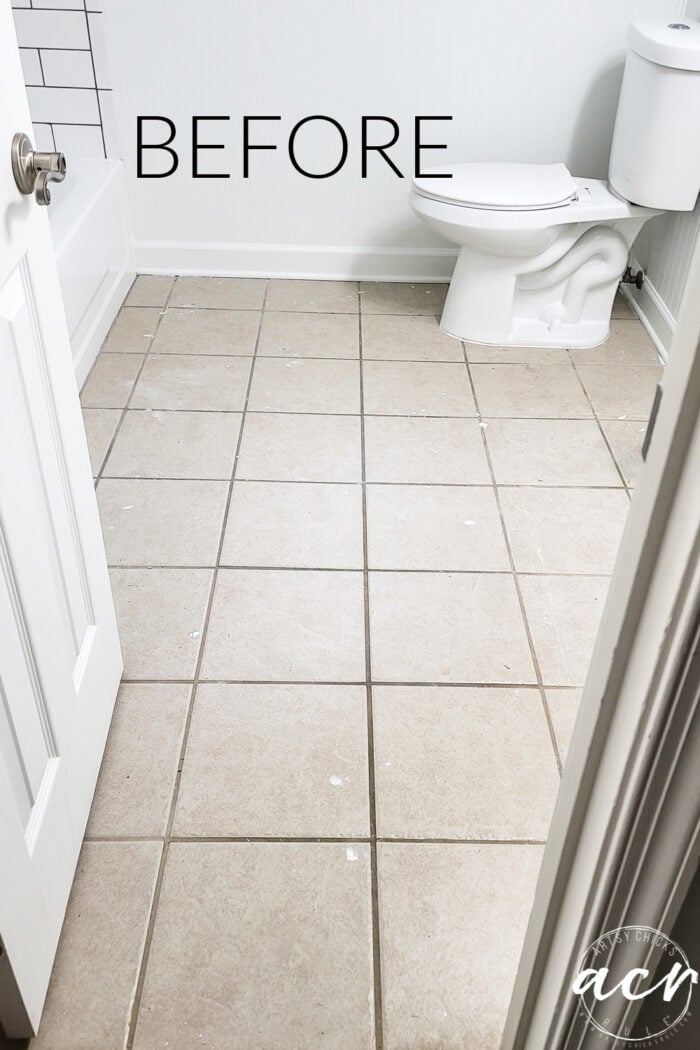
Image Source: www.artsychicksrule.com
Grasping the Basics: Why Paint Tiles?
Painting kitchen floor tiles offers a tempting alternative to costly renovations. You can completely change the look of your floor for much less money. It’s also a project you can likely do yourself. This saves on labor costs. Painting lets you update outdated colors or cover up worn-out patterns. It’s a quick visual fix for a floor that is still structurally sound but looks bad.
Pros and Cons of Painting Floor Tiles
Like any home project, painting tiles has good points and bad points. Weighing these helps you decide if it’s the right choice for you.
Pros:
- Low Cost: Much cheaper than new tiles or other flooring.
- Quick Update: Changes the look of your kitchen fast.
- DIY Friendly: Many homeowners can do it themselves.
- Design Freedom: You can pick almost any color. You can even add patterns.
- Covers Flaws: Hides stains, small cracks, or outdated colors.
Cons:
- Durability Concerns: Painted surfaces in high-traffic areas can scratch, chip, and wear down over time. This is the main worry.
- Needs Careful Prep: Skipping steps means the paint won’t stick well or last long.
- Limited Lifespan: It won’t last as long as new tile. You might need to touch it up or repaint it later.
- Surface Texture: Paint can make the tiles feel less textured or even slightly slippery depending on the finish and sealer.
- Water Issues: While sealed paint is water-resistant, constant standing water can cause problems.
Painting is a good option if you want a temporary update or are on a tight budget. If you want a floor that will last for decades with little maintenance, new tile is a better choice.
Checking Your Tiles: Can They Be Painted?
Most painting ceramic floor tiles and painting porcelain floor tiles is possible. These are the most common types of tiles found in kitchens. They have a hard, non-porous surface. This surface needs special preparation to get paint to stick well.
Other types like natural stone (marble, slate) or unglazed quarry tiles are sometimes painted. But they might need different primers or have unique surface issues. For most kitchen floors, you’ll be dealing with ceramic or porcelain. The key is the glaze. Glazed tiles are smooth. Unglazed tiles are rougher. Both can be painted, but the prep is different.
Getting Ready: Preparing Tile Floor for Painting
This is the most important step. Poor prep leads to paint peeling or wearing off fast. Think of it as building a strong base. This process needs time and effort.
Step 1: Deep Cleaning
Your floor must be perfectly clean. No dirt, grease, or soap scum can be left.
- Sweep or Vacuum: Get rid of all loose dirt and dust. Pay attention to grout lines.
- Wash Thoroughly: Use a strong cleaner or degreaser. A cleaner meant for tile and grout is best. Follow the product directions. You might need to scrub stubborn spots. Simple green or a mix of hot water and dish soap can work for grease.
- Rinse Well: Rinse the floor several times with clean water. Any cleaner left behind can stop the primer from sticking.
- Dry Completely: Let the floor dry fully. Use fans or open windows to help. Moisture trapped under paint is bad news. Wait at least 24 hours, maybe more in humid places.
Step 2: Repairing Flaws
Fix any problems with the tiles or grout now.
- Check Grout: Look for cracked or missing grout. Chip out any loose parts. Mix new grout and fill the gaps. Let it cure (dry hard) completely. This can take a few days. Follow the grout instructions.
- Fix Tiles: If any tiles are loose or broken, it’s best to replace them. Painting won’t fix a wobbly tile. If you can’t replace it, you can try filling large chips or cracks with epoxy filler or mortar repair product. Sand it smooth once dry.
Step 3: Sanding for Grip
Tile surfaces are smooth and glossy. Paint needs something to grip onto. Sanding creates tiny scratches.
- Choose Sandpaper: Use medium-grit sandpaper (like 150-grit).
- Sand the Tiles: Sand the surface of every tile. You don’t need to remove the glaze completely. Just dull the shine. A random orbital sander makes this much faster for large areas. For edges or small spaces, sand by hand.
- Sand the Grout: Lightly sand the grout lines too. This helps the primer stick there as well.
- Clean Dust: Sanding creates a lot of dust. Vacuum up the dust carefully. Then wipe the floor with a damp (not wet) cloth. Rinse the cloth often. Let the floor dry again. A tack cloth can pick up fine dust right before priming.
Step 4: Final Wipe Down
Just before priming, give the floor one last clean. Use a clean, damp cloth to wipe away any dust you missed. Let it dry fully. Your floor should now be dull, clean, and free of debris.
Picking the Right Start: Primer for Painting Tile Floors
You cannot skip primer. It’s the glue between the smooth tile surface and the paint. A good primer for painting tile floors is essential for paint adhesion and durability.
Why You Need a Special Primer
Regular wall primer won’t work. Tile is non-porous. Standard primers need to soak in a bit. Tile primers are designed to bond to smooth, tough surfaces. They create a sticky layer that paint can grab onto.
Types of Tile Primers
Look for primers specifically labeled for difficult surfaces or tiles.
- Adhesion Promoting Primers: These are made to stick to shiny, smooth surfaces like tile, glass, or laminate. They often contain special resins.
- Epoxy Primers: Two-part epoxy primers offer excellent adhesion and durability. They are very strong but can have strong fumes and a limited working time.
- Urethane Primers: Another durable option known for good adhesion to challenging surfaces.
Read product labels carefully. Make sure the primer says it works on ceramic or porcelain tile. It should also say it’s suitable for floors.
Applying Primer
- Mix Well: If using a two-part primer, mix according to the instructions. Work fast as these have a short pot life. Single-part primers just need a good stir.
- Ventilate: Open windows. Use fans. Primers can have strong smells. Wear a mask.
- Use the Right Tool: Use a brush for edges and grout lines. Use a roller for the main tile areas. A short-nap roller (1/4 inch or 3/8 inch) is good for smooth surfaces. A slightly longer nap might help get into grout.
- Apply Thinly: Apply one thin, even coat. Thick coats take longer to dry and can peel.
- Let it Dry: Let the primer dry completely. Check the product label for drying times. It’s often several hours or even overnight. Do not walk on it until it’s dry.
The floor should look uniform and dull after priming. It provides the perfect base for the paint.
Choosing Your Colors: Best Paint for Kitchen Floor Tiles
Selecting the best paint for kitchen floor tiles is key for a good-looking and long-lasting result. Not all paints can handle foot traffic, spills, and cleaning.
What Kind of Paint Works?
You need a paint that is durable, water-resistant, and made for floors.
- Epoxy Paint: This is often considered the most durable option for floors, especially in high-traffic areas like kitchens or garages. Two-part epoxy floor coatings are very hard when cured. They resist chemicals, stains, and abrasion well. They can be tricky to work with due to short working time and strong fumes.
- Acrylic Latex Floor Paint: Some acrylic paints are formulated specifically for floors. They are easier to apply than epoxy and clean up with water. Look for paints labeled “floor paint,” “porch and patio paint,” or “enamel” that mention suitability for interior floors or concrete/masonry. They are less durable than epoxy but offer more color choices and are easier for DIYers.
- Specialty Tile Paints: Some brands offer paint kits specifically for painting tiles. These often include a strong primer and a tough topcoat. Follow their system exactly.
What to Avoid
- Standard Wall Paint: It’s not tough enough for floors. It will scratch and wear away quickly.
- Chalk Paint (Without Proper Sealing): While chalk paint sticks to almost anything, it is very soft. If used on a floor, it must be covered with multiple layers of a very durable, water-based polycrylic or specialty floor sealer. It’s generally not the best choice for a high-traffic kitchen floor compared to epoxy or floor enamel.
Factors to Consider
- Durability: How much traffic does your kitchen get? Epoxy offers the best durability.
- Ease of Use: Acrylic floor paints are easier for beginners.
- Color Options: Acrylic paints usually have more colors. Epoxy colors can be limited.
- Cost: Epoxy can be more expensive but might last longer.
- Fumes/Ventilation: Epoxy has stronger fumes than acrylic.
For most kitchen floors, a high-quality acrylic latex floor paint or a two-part epoxy kit designed for floors is the way to go.
The Painting Process: How to Paint Tile Floors
Once the primer is dry, you’re ready to paint. Take your time and work carefully. This is the fun part where you see the transformation.
Step-by-Step Application
- Plan Your Escape: Start painting in the furthest corner from your exit. You don’t want to paint yourself into a corner!
- Gather Tools: You’ll need brushes (angled for edges), rollers (short nap, compatible with your paint type), a roller tray, and painter’s tape.
- Mix Paint: Stir the paint well. If using two-part epoxy, mix it according to instructions just before you start. Work in small sections as epoxy hardens fast.
- Cut In: Use a brush to paint around the edges of the room, baseboards, and any obstacles. Paint along the grout lines where they meet the wall. Don’t apply paint too thick.
- Roll the Tiles: Use the roller to paint the main tile areas. Apply paint in thin, even coats. Roll in one direction, then lightly cross-roll to get good coverage.
- Paint Tiles and Grout Together: For a solid color look, roll right over the tiles and the grout lines. The paint will cover both.
- Second Coat: Most floors will need two coats of paint for good coverage and durability. Let the first coat dry completely before applying the second. Check the paint can for recoat times. This is crucial. Applying the second coat too soon can cause problems.
- Address the Grout (Optional Separate Step): If you want the grout lines a different color, see the section below on painting grout lines.
Tips for Success
- Work in Sections: Don’t try to paint the whole floor at once. Divide it mentally or use tape if needed.
- Keep a Wet Edge: When rolling, overlap your strokes slightly to avoid harsh lines. Work quickly enough that the edge of the paint you just applied is still wet.
- Check for Drips: Look for drips or puddles, especially in the grout lines. Smooth them out as you go.
- Ventilate: Keep air moving. This helps with drying and fumes.
- Be Patient with Drying: Allow the paint to dry completely between coats and before walking on it.
Addressing the Lines: Painting Grout Lines
What you do with the grout lines affects the final look and can impact the durability of painted floor tiles. You have a few choices:
- Paint Over Everything: The simplest method. Paint the tiles and grout the same color. The grout texture will still be visible, creating a solid, textured floor. This is often the most durable method as the paint layer is continuous.
- Paint Grout a Different Color (Requires More Work):
- Method A (Paint First, Then Grout Pen): Paint the entire floor (tiles and grout) your main color. Once fully dry and sealed (optional, but can protect the paint from the grout pen), use a grout pen or a small brush with grout paint/stain to carefully color the grout lines. This is tedious but gives a classic tiled look.
- Method B (Paint Grout First, Then Tiles): You can try painting the grout lines first with a small brush. Let them dry. Then carefully paint the tiles, trying not to get paint on the grout. This is difficult to do neatly.
- Method C (Tape): Tape off the grout lines before painting the tiles, or tape off the tiles before painting the grout. Taping grout lines is very time-consuming and difficult to get right on a textured surface.
For most people, painting over the grout lines for a single, solid color is the easiest and most durable approach. If you want contrasting grout, using a grout pen after painting and sealing the main tile color is usually the best option.
The Final Shield: Sealing Painted Floor Tiles
Painting is only half the job. You MUST seal painted floor tiles, especially in a kitchen. Sealer protects the paint from scratches, scuffs, water, and stains. It adds significantly to the durability of painted floor tiles.
Why Sealing is Crucial
Painted floors are vulnerable. Foot traffic, dropped items, spills, and cleaning will quickly wear away unprotected paint. A good sealer creates a hard, protective layer.
Types of Sealers
Look for a clear topcoat or sealer designed for floors.
- Water-Based Polyurethane or Polycrylic: These are common choices for painted floors. They are durable, dry clear, and are easier to work with and clean up than oil-based options. Look for products specifically rated for floors or high traffic. Several thin coats are better than one thick coat.
- Epoxy Sealer: If you used epoxy paint, you can often use a compatible epoxy sealer. This provides the highest level of durability but involves the same challenges as epoxy paint (fumes, work time).
- Acrylic or Urethane Floor Sealers: Other types of clear coatings made for concrete or painted floors can also work.
Make sure the sealer is compatible with the paint you used. Water-based sealers usually work over acrylic paints. Epoxy needs a compatible epoxy sealer.
Applying Sealer
- Wait for Paint to Cure: Do not apply sealer as soon as the paint is dry to the touch. Paint needs time to cure (harden fully). This can take several days, sometimes up to a week or more for epoxy. Check the paint can’s instructions for full cure time before sealing. Walking on it too soon or sealing too soon will cause problems.
- Clean Dust: Lightly clean the floor to remove any dust that settled on the dry paint. A tack cloth is good for this.
- Apply Thin Coats: Use a clean roller (usually a short nap foam roller for a smooth finish) or brush. Apply thin, even coats of sealer.
- Multiple Coats: Apply at least two, preferably three or more, thin coats of sealer for good protection.
- Dry Time Between Coats: Let each coat dry completely according to the product instructions before applying the next. Light sanding with very fine grit sandpaper (like 220 or higher) between coats can create a smoother finish and help the next coat stick better, but clean the dust thoroughly afterward.
- Full Cure Time: The sealer also needs time to cure. This can take several days to a week or even longer before the floor can take full traffic and be washed normally. Read the sealer’s instructions carefully about return to use times (light foot traffic vs. full traffic vs. cleaning).
Patience during drying and curing times for both paint and sealer is vital for the durability of painted floor tiles.
Keeping it Clean: Care for Your Painted Floor
Once your painted and sealed floor is fully cured, it’s time to use it! Proper care will help extend the durability of painted floor tiles.
- Gentle Cleaning: Use mild cleaners. Avoid harsh chemicals, abrasive pads, or strong degreasers. Soap and water or a pH-neutral floor cleaner is usually best.
- Wipe Spills Quickly: While sealed, standing water or acidic/colorful spills can still potentially stain or damage the finish over time. Wipe them up right away.
- Avoid Dragging Heavy Items: Heavy furniture or appliances can scratch even a well-sealed floor. Use furniture pads. Lift items when possible.
- Use Mats: Place mats at entry doors to catch dirt and grit. This grit acts like sandpaper underfoot. Mats in high-traffic areas like in front of the sink or stove can also help.
- Regular Sweeping: Sweep or vacuum often to remove dirt and grit before it scratches the surface.
How Long Will it Last? Durability of Painted Floor Tiles
The durability of painted floor tiles varies a lot. It depends on:
- Preparation Quality: Did you clean, sand, and prime properly? This is the biggest factor.
- Product Quality: Did you use high-quality paint and sealer meant for floors?
- Number of Sealer Coats: More coats offer more protection.
- Kitchen Traffic: A busy kitchen will show wear faster than a lightly used one.
- How You Care for It: Regular cleaning and avoiding harsh treatment helps.
In a kitchen with moderate traffic and excellent prep/products, you might get 2-5 years before needing touch-ups or repainting in the most worn areas. In a very busy kitchen, wear might show sooner. Epoxy finishes tend to last longer than acrylics.
It’s important to have realistic expectations. Painting tile is a cosmetic update, not a permanent fix like replacing the tile.
Thinking About Alternatives
If painting seems like too much work or you’re worried about durability, there are other options for updating a tile floor without full removal:
- Tile Decals/Stickers: Temporary and easy to apply, but often not very durable in high traffic or wet areas.
- Peel-and-Stick Vinyl Tiles or Sheets: Can be installed directly over clean, flat tile. Offers many styles and patterns. Durability varies by product quality.
- Floating Floors: Some flooring types like luxury vinyl plank (LVP) or laminate can be installed directly over tile without needing to remove it, as long as the tile surface is relatively flat and stable.
These options might cost a bit more than just paint, but they could offer better durability depending on the product.
Frequently Asked Questions (FAQ)
h5 Can you paint ceramic floor tiles in a bathroom too?
Yes, painting ceramic floor tiles works in bathrooms. But the moisture level is higher. Proper ventilation, thorough drying during the process, using water-resistant paint (like epoxy or floor enamel), and sealing with a high-quality, water-resistant sealer are extra important. The shower floor is usually not a good place to paint tiles due to constant water exposure.
h5 What is the best paint for kitchen floor tiles that sees heavy use?
For heavy use, a two-part epoxy floor paint is generally the best paint for kitchen floor tiles. It creates the hardest, most chemical-resistant surface.
h5 How long does the whole process take?
The actual painting might only take a day or two (including drying between coats). But the total time is longer. You need time for:
* Cleaning and drying (1-2 days)
* Grout/tile repairs and curing (1-3 days)
* Sanding and final cleaning (part of a day)
* Primer application and drying (1 day)
* Paint application and drying (1-2 days)
* Sealer application and drying between coats (1-2 days)
* Full cure time before normal use (3-14 days depending on products)
Plan for at least a week, maybe two, where the floor sees little to no traffic.
h5 Do I need to paint grout lines separately?
No, you can paint over the tiles and grout at the same time for a uniform color. If you want contrasting grout, you’ll need to use a different method like a grout pen or careful taping after the main paint is done.
h5 How do I clean painted tile floors?
Use mild soap and water or a pH-neutral floor cleaner. Avoid abrasive cleaners, scrub brushes with hard bristles, or harsh chemicals. Wipe up spills quickly.
h5 Can I use chalk paint on kitchen floor tiles?
Chalk paint can stick to tile, but it’s not durable on its own. If you use it, you must apply multiple coats of a very tough, water-based floor-grade polycrylic or specialty sealer over it. It’s a less common and potentially less durable option than floor enamel or epoxy.
h5 My tile is very glossy, will paint stick?
Yes, but you must sand the surface to dull the shine and use an adhesion-promoting primer for painting tile floors. The sanding creates the “tooth” the primer needs to grip onto.
Wrapping Up: Is Painting Right for You?
Painting ceramic floor tiles or porcelain ones in your kitchen is a real option. It offers a budget-friendly way to refresh the space. It requires careful preparing tile floor for painting, choosing the best paint for kitchen floor tiles (like epoxy or floor enamel), paying attention to painting grout lines, and definitely sealing painted floor tiles for protection.
While the durability of painted floor tiles won’t match new tile, with the right steps and products, you can achieve a great looking floor that lasts for several years. It’s a project that demands patience and attention to detail, especially during the preparation and curing phases. If you’re ready for a DIY challenge and want a significant visual upgrade without a major renovation cost, painting your kitchen floor tiles could be the perfect project for you.