Your kitchen sink is clogged. Water is pooling. What do you do? A clogged kitchen sink is a common household problem that can be frustrating. If your kitchen sink won’t drain, it’s usually due to something simple. Most of the time, you can fix it yourself. This guide will help you figure out why your sink isn’t draining and how to fix it.
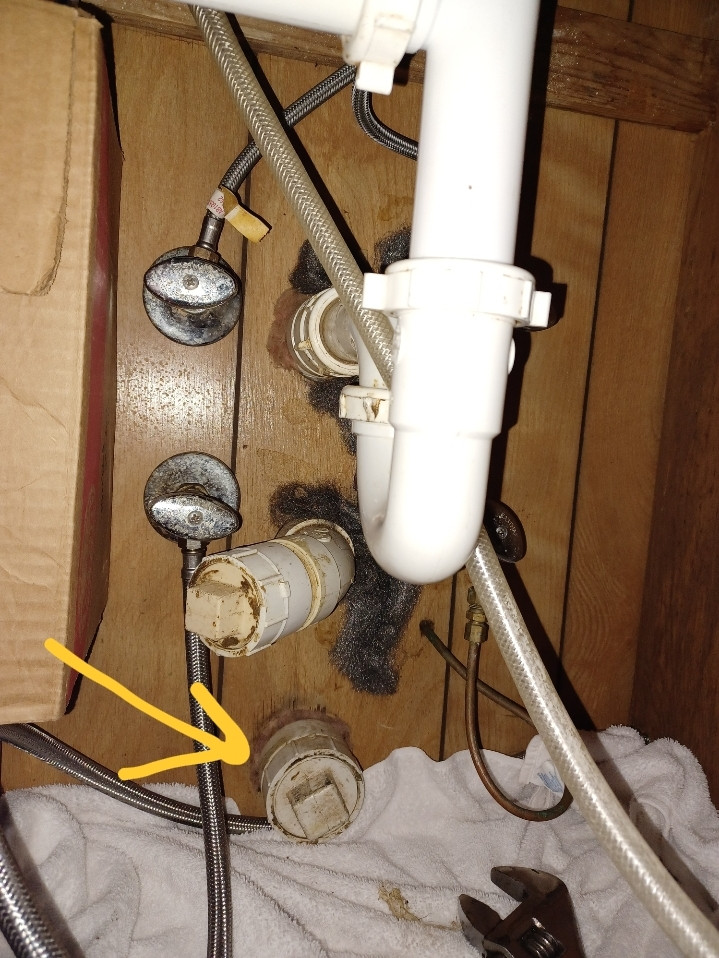
Image Source: i.sstatic.net
Common Culprits Behind a Sink Drain Blockage
Many things can stop your kitchen sink from draining. These can range from food scraps to hair. Sometimes, it’s a build-up over time. Other times, it’s one large item that causes a sink drain blockage.
Food Scraps and Grease
- Food Particles: Small bits of food are the biggest cause of drain clogs. Things like coffee grounds, pasta, rice, and vegetable peels can stick together. They form a sticky mass that blocks the pipe.
- Grease and Oils: When you pour grease, fats, or cooking oils down the drain, they seem liquid. But as they cool, they harden. This hardened grease sticks to the inside of your pipes. Over time, it builds up, making the pipe narrower and narrower. This is a major reason for a slow draining sink.
- Starchy Foods: Foods like mashed potatoes or rice expand when wet. If they go down the drain, they can swell up and create a thick paste that blocks the pipe.
Non-Food Items
- Foreign Objects: Sometimes, small objects fall into the sink. Think about bottle caps, twist ties, or even small toys. These can get lodged in the drainpipe and cause a blockage.
- Soap Scum: While not as common as food, soap residue can also build up over time. It can mix with other debris and contribute to a clog.
Issues Further Down the Line
- Vent Pipe Blockage: Your plumbing system has vent pipes. These let air into the pipes. This air helps water flow smoothly. If a vent pipe gets blocked (often by leaves or animal nests), it can cause slow draining or gurgling sounds.
- Main Sewer Line Issues: In rare cases, the problem isn’t just in your sink pipe. It could be a blockage in the main sewer line that serves your whole house. This can affect multiple drains.
Signs Your Kitchen Sink is About to Clog
It’s helpful to spot problems early. A slow draining sink is a clear warning sign. You might also notice other symptoms before a complete blockage.
Table: Early Warning Signs of a Clogged Drain
| Symptom | What it Means |
|---|---|
| Slow Draining | Water takes longer than usual to go down the drain. This is the most common early sign. |
| Gurgling Noises | You might hear a kitchen sink gurgling sound. This happens when air tries to escape through a partial clog. |
| Foul Odors | A kitchen drain smells can indicate food particles rotting in the pipe. |
| Water Back-up | Sometimes, water from the dishwasher or another sink might back up into your kitchen sink. |
| Pooling Water | If you leave the faucet running, water might start to sit in the sink instead of draining away. |
How to Unclog Sink Problems: DIY Solutions
Don’t panic! Most sink drain blockage issues can be fixed with simple household items and tools. Here are some effective methods for how to unclog sink problems.
Method 1: The Hot Water Flush
This is the easiest first step for a slow draining sink.
- Boil a kettle of water.
- Carefully pour the boiling water directly down the drain. Do this in two or three stages, waiting a few seconds between each pour.
- This can help melt away grease and loosen minor blockages.
Important Note: If you have PVC pipes, be cautious. Extremely hot water might soften them over time. Hot tap water is usually safe, but boiling water should be used with care.
Method 2: Baking Soda and Vinegar
This is a classic, natural way to tackle a clogged kitchen sink. The reaction between baking soda vinegar drain cleaners is natural and effective.
- Pour about half a cup of baking soda down the drain.
- Follow it with about a cup of white vinegar.
- You’ll hear fizzing. This is the chemical reaction working to break down grime.
- Cover the drain with a plug or a wet cloth to keep the reaction working inside the pipe.
- Let it sit for at least 30 minutes, or even longer (up to a few hours) for tougher clogs.
- Flush the drain with hot tap water.
Method 3: Using a Plunger
A sink plunger is a powerful tool for clearing sink drain blockage. Make sure you have a sink plunger, not a toilet plunger, as they are designed differently.
- Make sure there’s enough water in the sink to cover the plunger’s cup. If not, add some water.
- Create a tight seal around the drain with the plunger.
- Pump the plunger up and down vigorously for about 15-20 seconds.
- Pull the plunger up sharply. This suction can dislodge the clog.
- Repeat several times if necessary.
Pro Tip: If you have a double sink, block the other drain with a wet cloth or stopper while plunging. This creates better suction.
Method 4: The Drain Snake (Auger)
A drain snake kitchen tool is a flexible metal cable. It’s designed to reach deeper into pipes and break up or pull out blockages.
- Feed the end of the snake into the drain opening.
- Push it down the pipe. When you feel resistance, you’ve likely hit the clog.
- Turn the handle of the snake. This will rotate the cable. The rotating end can break apart the clog or snag it.
- Gently pull the snake back out. You may need to repeat this process.
- Once you think the clog is cleared, run hot water down the drain to flush out any remaining debris.
Method 5: Removing and Cleaning the P-Trap
The P-trap is the U-shaped pipe under your sink. It holds water to prevent sewer gases from entering your home. It’s a common place for things to get stuck.
- Place a bucket or basin underneath the P-trap. This will catch any water and debris.
- Loosen the slip nuts on either side of the P-trap. You might need pliers or a pipe wrench, but often they can be loosened by hand.
- Carefully remove the P-trap.
- Empty its contents into the bucket.
- Clean the inside of the P-trap thoroughly with a brush and hot water. You can also use an old toothbrush.
- Reassemble the P-trap, ensuring the slip nuts are tight but not overtightened.
- Run water to check for leaks.
Method 6: Wire Coat Hanger (Gentle Use)
For very shallow clogs, a bent wire coat hanger can work like a mini drain snake.
- Straighten out a wire coat hanger.
- Bend a small hook at one end.
- Carefully insert the hooked end into the drain.
- Try to snag or break up the clog.
- Pull out any debris you can.
- Run hot water to test.
Caution: Be gentle. This method can scratch the sink or damage pipes if done too roughly.
Dealing with Persistent Kitchen Drain Smells
If you’re not just dealing with a clog but also unpleasant odors, it’s a sign that debris is lingering and decomposing in your pipes. Even after clearing a clog, a kitchen drain smells might persist.
- Regular Cleaning: After fixing a clog, give the drain a good flush with hot water and the baking soda/vinegar mixture to remove any residual gunk.
- Enzyme Cleaners: For ongoing odor issues, enzyme-based drain cleaners can be very effective. They use natural enzymes to break down organic waste without harsh chemicals.
- Scrubbing the Drain Opening: Sometimes the smell comes from gunk that’s built up around the drain opening itself, even if the pipe isn’t fully blocked. Use an old toothbrush and some dish soap to scrub the drain edges and the stopper.
When to Call a Professional Plumber
While many kitchen sink problems are DIY-friendly, there are times when you need expert help. If you’ve tried several methods and your sink still won’t drain, or if you suspect a bigger problem, it’s time to call a professional.
Signs You Need Professional Help
- Multiple Drains Affected: If more than one drain in your house is slow or clogged, it suggests a problem with the main sewer line.
- Recurring Clogs: If your sink clogs frequently, there might be a deeper issue like pipe damage or a buildup of sediment that requires professional cleaning.
- No Success with DIY Methods: If you’ve tried plunging, snaking, and the baking soda/vinegar trick without success, the clog might be too severe or too far down the pipe.
- Suspected Pipe Damage: If you hear strange noises from your pipes, or if water is backing up in unexpected places, it could indicate more serious plumbing issues sink.
- You’re Uncomfortable: If you’re not comfortable with any of the DIY methods, it’s always best to call a professional. They have specialized tools and knowledge to handle plumbing issues sink safely and effectively.
The Benefits of Professional Drain Cleaning
When you hire a plumber for professional drain cleaning, they have access to powerful equipment.
- High-Powered Augers: Professional drain snakes are much longer and more robust than consumer models.
- Hydro-Jetting: This technique uses high-pressure water to blast away blockages and clean the inside of pipes. It’s incredibly effective for grease buildup and stubborn clogs.
- Camera Inspection: Plumbers can send a camera down your pipes to see exactly what’s causing the blockage, whether it’s a root intrusion, a collapsed pipe, or a severe build-up. This helps them diagnose and fix the root cause.
- Expert Diagnosis: They can identify plumbing issues sink that you might miss, preventing future problems.
Preventing Future Sink Drain Blockage
The best way to deal with a clogged kitchen sink is to prevent it from happening in the first place. Making small changes to your habits can save you a lot of hassle.
Kitchen Sink Dos and Don’ts
- DO: Scrape food scraps from plates into the trash or compost bin before rinsing them in the sink.
- DO: Use a sink strainer to catch any small food particles that might go down. Empty the strainer regularly.
- DO: Run cold water when using the garbage disposal. This helps to flush food through the pipes and solidify any grease.
- DO: Periodically flush your drain with hot water or the baking soda and vinegar mixture as a preventative measure.
-
DO: Consider a professional drain cleaning service annually, especially if you’ve had issues in the past.
-
DON’T: Pour grease, fats, or oils down the drain. Wipe greasy pans with a paper towel before washing them.
- DON’T: Put coffee grounds, eggshells, or starchy foods (like pasta, rice, potatoes) down the garbage disposal. They are notorious cloggers.
- DON’T: Pour harsh chemical drain cleaners down the drain regularly. While they can clear a clog, they can also damage pipes over time and are bad for the environment.
- DON’T: Ignore a slow draining sink. Address it early before it becomes a complete blockage.
Troubleshooting Common Kitchen Sink Gurgling
A kitchen sink gurgling sound is usually a sign of trapped air. This air is trying to escape past a partial obstruction in the drainpipe.
Why Does it Gurgle?
When water tries to flow down a pipe with a clog, it pushes against the blockage. This can create a vacuum behind the water. As air rushes in to fill the vacuum, it creates the gurgling sound. It’s also a sign that the vent system might be struggling to do its job.
Fixing Gurgling
- Clear the Clog: The most likely solution is to clear the partial clog using the DIY methods described above. Once the obstruction is gone, the air will have a clear path, and the gurgling should stop.
- Check the Vent Pipe: If clearing the sink drain doesn’t help, the problem might be your plumbing vent. These vents are usually on your roof. If they get blocked by leaves, nests, or debris, they can’t let air into the system. This can cause gurgling noises and slow draining in sinks, toilets, and showers. Clearing a vent pipe usually requires a ladder and a hose, and if you’re not comfortable with heights or this task, it’s best left to a professional.
- Garbage Disposal Issues: If you have a garbage disposal, a clog or malfunction in the disposal unit itself can also cause gurgling. Make sure it’s properly running and clear of debris.
FAQs About Kitchen Sink Draining Problems
Q1: How often should I use baking soda and vinegar for my drains?
A1: You can use the baking soda vinegar drain method as a preventative measure once a month. It helps keep your pipes clean and can prevent minor build-ups.
Q2: Can I use chemical drain cleaners if my sink won’t drain?
A2: Chemical drain cleaners can be effective for stubborn clogs, but they are harsh. They can damage pipes, especially older ones, and are harmful to the environment. If you choose to use them, follow the instructions precisely and wear protective gear. It’s generally better to try natural methods or mechanical solutions like a drain snake kitchen tool first.
Q3: My garbage disposal isn’t working, and my sink is clogged. What should I do?
A3: First, ensure the disposal is not jammed. Check the reset button (usually red) on the unit. If it has tripped, press it. If it doesn’t reset, or if the sink remains clogged, you likely have a blockage that needs clearing, possibly using the methods described in this guide. For garbage disposal issues, consult your appliance manual or a plumber.
Q4: What does it mean if my kitchen sink gurgles when my dishwasher runs?
A4: This usually means the dishwasher is draining into your kitchen sink drain. If the sink drain is partially clogged, the water from the dishwasher can’t drain away quickly, causing air to get trapped and make kitchen sink gurgling noises. Clearing the sink drain should resolve this.
Q5: How do I know if my clog is in the P-trap or further down?
A5: If you can clear the clog by removing and cleaning the P-trap, then the problem was confined to that U-shaped pipe. If the sink still drains slowly or is blocked after cleaning the P-trap, the clog is likely further down the drainpipe or in the main sewer line.
Conclusion
A clogged kitchen sink can be a real inconvenience, but as you’ve seen, many common causes can be addressed with simple home remedies. By understanding what causes these blockages and knowing how to unclog sink drains effectively, you can often save time and money. Remember to practice good sink maintenance to prevent future problems and don’t hesitate to call a professional for stubborn plumbing issues sink or when you suspect a more significant problem. Your kitchen sink will be draining smoothly again in no time!