Why is kitchen safety important? Kitchen safety is very important because it helps keep everyone in your family safe from hurts, sickness, and fires. It helps you stop kitchen accidents, lowers the chance of getting hurt, prevents food poisoning, and keeps your home safe from kitchen fires.
The kitchen is often called the heart of the home. It is where families gather to cook, eat, and share stories. But the kitchen can also have many dangers. Hot stoves, sharp knives, and cleaning stuff are all part of it.
For families, safety in the kitchen is extra important. Kids are often in the kitchen. They like to help or just be near. They might not know about the dangers. Teaching kids how to be safe early on is key. It helps them learn good habits for life. A safe kitchen means happy cooking time for everyone. It means fewer worries about someone getting hurt or sick. Let’s look at why keeping your kitchen safe is a big deal for your family.
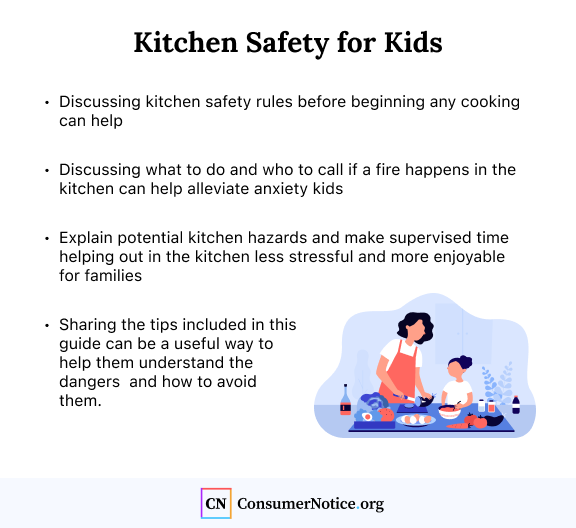
Image Source: www.consumernotice.org
Why It Matters for Your Family’s Safety
Keeping your kitchen safe is not just about rules. It is about caring for the people you love. When your kitchen is safe, you can feel calm when cooking or letting kids help.
Kitchens have hot things. Stoves get hot. Ovens get hot. Pots on the stove get hot. Hot liquids can spill. All these things can cause burns. Burns hurt a lot. Bad burns need a doctor. Preventing kitchen accidents with heat is a must.
Sharp things are in kitchens too. Knives cut food. Peelers take skin off fruit. Even forks can be pointy. Cuts can happen fast. Some cuts are small. Some cuts are deep and need stitches. Safe knife handling lowers the chance of cuts.
Floors can get wet or greasy. Spills happen easy in a kitchen. Water, oil, or dropped food make the floor slick. Slipping and falling can cause bad hurts. You can break a bone. You can hit your head. Reducing kitchen injuries from falls is simple if you clean spills right away.
Food itself can be a danger. Food that is not handled right can have bad germs. These germs can make people very sick. This is called food poisoning. Food safety guidelines are rules to follow. They help stop germs from making food unsafe. Following these rules helps in preventing food poisoning.
Fire can start in the kitchen. Hot oil can catch fire. A cloth too close to the stove can burn. Leaving cooking food alone is risky. Kitchen fire safety tips help you know what to do. They help you stop fires from starting.
Keeping your kitchen safe is about stopping hurts. It is about stopping sickness. It is about stopping fires. It is about making sure your family time in the kitchen is safe and happy.
Grasping Common Kitchen Dangers
Let’s look closer at the dangers found in most kitchens. Knowing about them is the first step. Then you can take steps to make things safer.
Sharp Things
Knives are needed for cooking. But they are sharp. A slip can cause a cut.
Peelers and graters also have sharp parts.
Even broken dishes or glasses are sharp. They can cut if not cleaned up right.
Putting sharp things away safely is key. Safe knife handling is a basic skill.
Hot Things
Stoves get very hot. The burners stay hot after you turn them off.
Ovens get super hot inside and the door can be hot.
Pots and pans on the stove have hot handles.
Steam from boiling water or cooking food is hot. It can burn skin.
Hot oil for frying is very dangerous. It can splash and burn. It can also start fires.
Slippery Floors
Water spills happen when cooking or washing up.
Oil or grease can drip onto the floor.
Dropping food makes a mess that can be slippery.
A wet or greasy floor is easy to slip on. Falls can be serious.
Cleaning Stuff and Chemicals
Kitchens have cleaning sprays and liquids.
These can be bad if someone eats or drinks them.
Some cleaners can burn skin or eyes.
They should be stored where kids cannot reach them.
Power Risks
Kitchens use electricity for many tools.
Toasters, mixers, blenders, microwaves, ovens, fridges all use power.
Water and electricity together are very dangerous.
Touching a broken cord or wet plug can cause a shock.
Electrical hazards in kitchen are real risks if you are not careful.
Germs and Bad Bugs
Food can have germs you cannot see.
These germs can grow if food is not stored right.
Cooking food to the right heat kills most germs.
Germs can spread from raw meat to other food. This is cross-contamination.
Not washing hands lets germs spread.
Knowing these dangers helps you be ready. You can then take steps to make your kitchen a safer place for everyone, especially kids.
Stopping Kitchen Accidents Before They Happen
Stopping accidents is better than dealing with them. Most kitchen accidents can be stopped. Taking simple steps can lower the risk a lot. This is about preventing kitchen accidents. It is also about reducing kitchen injuries.
Simple Steps for Safety
- Clean spills right away. Don’t wait. A wet floor is a danger zone.
- Keep things tidy. Put things back where they belong. Don’t leave stuff lying around that you can trip over.
- Use the right tool for the job. Don’t use a knife as a can opener. Don’t stand on a chair that can tip over.
- Pay attention when cooking. Don’t leave hot food cooking alone.
- Keep kids and pets a safe distance from the stove and hot oven. Use back burners when you can. Turn pot handles inward.
- Wear clothes that fit. Loose sleeves can catch fire or get caught on pot handles.
- Use oven mitts for hot things. Check they are not wet or dirty.
- Have a fire extinguisher handy. Know how to use it.
- Keep cleaning stuff locked up or high out of reach.
- Check power cords for damage. Don’t use tools with bad cords.
These steps might seem small. But they make a big difference in preventing kitchen accidents. They help keep cuts, burns, and falls from happening. They are key parts of reducing kitchen injuries in your home.
Following Food Safety Rules
Food safety is just as important as stopping cuts and burns. Eating bad food can make you very sick. Following food safety guidelines is key. It helps in preventing food poisoning for your family.
Key Food Safety Steps
- Wash Your Hands: Wash hands with soap and water for 20 seconds. Do this before you touch food. Do it after touching raw meat or eggs. Do it after using the toilet. Do it after touching pets. This is a core kitchen hygiene practice.
- Keep Things Clean: Wash cutting boards, dishes, forks, knives, and counters with hot, soapy water. Do this often, especially after cutting raw meat.
- Keep Raw Meat Apart: Keep raw meat, chicken, and fish away from other food. Use separate cutting boards for raw meat and fresh food like vegetables or bread. This stops avoiding cross-contamination.
- Cook Food Well: Cook meat, chicken, and eggs until they are done. Use a food thermometer to be sure meat is hot enough inside to kill germs.
- Put Food Away Right: Put food that needs to be cold into the fridge quickly. Don’t leave food sitting out too long. This is proper food storage.
- Know Danger Zones: Germs grow fast between 40°F and 140°F (4°C and 60°C). Keep hot food hot and cold food cold.
- When in Doubt, Throw it Out: If food looks or smells bad, don’t taste it. Just throw it away.
These steps are part of good kitchen hygiene practices. They stop germs from spreading. They make sure food is safe to eat. Following these food safety guidelines is the best way of preventing food poisoning.
Learning Safe Knife Handling
Knives are useful but sharp. Using them the right way is important. Safe knife handling means less chance of cuts.
How to Use Knives Safely
- Use a Sharp Knife: This sounds strange, but a sharp knife is safer than a dull one. A sharp knife cuts easy. A dull knife needs more push. It can slip and cut you.
- Use the Right Knife: Use a big knife for big jobs like cutting meat. Use a small knife for small jobs like peeling fruit.
- Hold the Knife Right: Hold the handle firm. Your other hand should hold the food steady. Keep your fingers tucked in like a claw. The knife edge cuts against your knuckles, not your fingertips.
- Cut Away From You: Always cut away from your body. If the knife slips, it goes away from you.
- Use a Cutting Board: Always cut on a stable cutting board. Don’t cut in your hand. Don’t cut on the counter.
- Don’t Rush: Take your time when cutting. Pay attention to what you are doing.
- Clean Knives Carefully: Wash knives one by one. Don’t just drop them in a sink full of soapy water. Someone might reach in and get cut. Wash the blade carefully, holding the handle.
- Store Knives Safely: Put knives in a knife block, on a magnetic strip on the wall, or in a special drawer organizer. Don’t just put them loose in a drawer.
- If a Knife Falls: Let it fall. Don’t try to catch a falling knife. Jump back instead.
Teaching older kids these rules is good. Show them how to hold the food and the knife. Safe knife handling is a skill that needs practice. It is a vital part of reducing kitchen injuries.
Getting Serious About Kitchen Fire Safety
Fires in the kitchen are a big worry. They can happen fast. Knowing kitchen fire safety tips can save your home and your family.
How to Avoid Kitchen Fires
- Never Leave Cooking Food Alone: This is the top rule. If you have to leave the kitchen, turn off the stove or oven.
- Watch Hot Oil Closely: If you are frying, stay right there. Oil can get too hot and catch fire fast.
- Keep Things Away from Heat: Keep paper towels, cloths, curtains, and plastic bags away from the stove burners and oven.
- Clean Up Grease: Greasy stoves and ovens can catch fire. Clean them often.
- Wear Tight Clothes: Loose sleeves can hang down and catch fire.
- Be Careful with Ovens: Check inside before turning on the oven. Make sure nothing is left inside.
- Check Smoke Alarms: Make sure your smoke alarms are working. Test them every month.
What to Do if a Small Fire Starts
- Grease Fire in a Pan: Don’t use water! Water will make the fire bigger. Slide a lid over the pan to cut off the air. Turn off the heat. If it’s small and you can do it safely, pour baking soda on it. Never try to carry the burning pan.
- Oven Fire: Keep the oven door closed. Turn off the oven.
- Microwave Fire: Keep the door closed. Unplug the microwave if you can do it safely.
- If You Cannot Stop the Fire: Get everyone out of the house. Call the fire department from outside.
Knowing these kitchen fire safety tips is important for everyone in the family. Practice what to do in case of fire. This prepares everyone and helps in preventing kitchen accidents that involve fire.
Watching Out for Electrical Hazards in Kitchen
Electricity makes our kitchen tools work. But it can be dangerous, especially near water. Knowing about electrical hazards in kitchen is important for safety.
Keeping Safe from Electric Shocks
- Keep Water Away: Don’t touch electric tools or cords if your hands are wet. Don’t let cords or plugs fall into water.
- Check Cords: Look at power cords often. If a cord looks cut or worn, stop using it. Get it fixed or get a new tool.
- Don’t Block Cords: Don’t put heavy things on cords. Don’t run cords under rugs where they can get stepped on and damaged.
- Use Outlets Safely: Don’t put too many plugs into one outlet. It can cause the outlet to get too hot or start a fire.
- Pull the Plug, Not the Cord: When you unplug something, pull on the plug itself. Don’t pull on the cord.
- Be Careful with Appliances: Don’t use tools that look broken. If a tool makes a strange noise or smells bad, stop using it.
- Use GFCI Outlets: Kitchen outlets near sinks should be GFCI outlets. These can stop the power fast if water gets into the plug. This helps stop bad shocks.
Talking about electrical hazards in kitchen helps everyone know the risks. Being careful with power tools and outlets prevents shocks. It is a key part of preventing kitchen accidents.
Embracing Kitchen Hygiene Practices
Cleanliness is a big part of kitchen safety. Kitchen hygiene practices stop the spread of germs. Good hygiene is key for preventing food poisoning and keeping everyone healthy.
Steps for a Clean Kitchen
- Wash Hands Often: We said it before, but it’s worth saying again! Wash hands before cooking, while cooking (especially between tasks like touching raw meat and then veggies), and after cooking.
- Clean Surfaces: Wipe down counters, tables, and stoves often. Use hot, soapy water or a cleaner that kills germs.
- Wash Dishes Right Away: Don’t leave dirty dishes sitting for a long time. Germs can grow on them. Wash them with hot water and soap.
- Clean Sponges and Cloths: Sponges and dish cloths can hold lots of germs. Wash them often. You can put sponges in the dishwasher or microwave them (if they are safe for that) to kill germs. Change them often.
- Take Out Trash: Put kitchen trash out regularly. Trash can smell bad and attract bugs.
- Clean the Fridge: Wipe spills in the fridge right away. Go through the fridge often and throw out old or bad food.
- Sweep and Mop Floors: Keep floors clean to remove spills and crumbs that can attract pests and cause falls.
Good kitchen hygiene practices are like a shield against germs. They are vital for avoiding cross-contamination and keeping your food safe to eat. This is all part of food safety guidelines that protect your family.
The Role of Proper Food Storage
Putting food away the right way is not just about keeping it fresh. It is vital for preventing food poisoning. Proper food storage stops bad germs from growing.
How to Store Food Safely
- Fridge Temperature: Keep your fridge at or below 40°F (4°C). Use a fridge thermometer to check. Cold slows down germ growth.
- Freezer Temperature: Keep your freezer at or below 0°F (-18°C). Freezing stops germ growth.
- Store Cooked Food Above Raw Food: In the fridge, put cooked food on shelves above raw meat, chicken, or fish. This stops juices from raw meat dripping onto cooked food. This helps with avoiding cross-contamination.
- Cover Food: Keep food covered in the fridge. Use lids or wrap. This keeps germs out and keeps food from drying out.
- Store Food in Safe Containers: Use clean containers that seal well.
- Leftovers: Put leftovers in the fridge within two hours of cooking. Eat leftovers within 3-4 days. Reheat them until very hot.
- Pantry Storage: Keep dry food like flour, sugar, rice, and pasta in airtight containers. This keeps them fresh and keeps bugs out. Store them in a cool, dry place.
- Check Expiry Dates: Look at “use by” or “best by” dates on food. Don’t eat food that is too old.
Proper food storage is a key part of food safety guidelines. It works with cooking and cleaning to make sure the food your family eats is safe and does not cause sickness. This is a major step in preventing food poisoning.
Avoiding Cross-Contamination
Cross-contamination means bad germs spread from one food to another. This often happens from raw meat to food that is ready to eat. Avoiding cross-contamination is very important for stopping food poisoning.
Simple Ways to Stop Germ Spread
- Separate Shopping Cart Bags: Put raw meat in a separate bag at the store. Keep it away from other food in your shopping cart.
- Separate Cutting Boards: Use one cutting board only for raw meat, chicken, and fish. Use a different one for fruits, vegetables, and bread. It is best to use boards made of plastic or sealed wood, as these are easier to clean well.
- Wash Everything: Wash cutting boards, knives, counters, and your hands after they touch raw meat. Use hot, soapy water.
- Use Different Plates: Don’t put cooked meat back on the same plate that held the raw meat.
- Keep Raw Meat Low: In the fridge, store raw meat on the bottom shelf. This stops juices from dripping onto other food below it. This is part of proper food storage that helps avoid cross-contamination.
- Clean Spills: If raw meat juices spill in the fridge or on the counter, clean it up right away. Use a cleaner that kills germs.
Avoiding cross-contamination is a simple idea: keep things apart! Especially raw meat and ready-to-eat food. This practice, along with good kitchen hygiene practices, goes a long way in preventing food poisoning.
Teaching Kids About Kitchen Safety
Kids are curious. They want to help. Teaching them about kitchen safety early is a gift. It makes them safer helpers. It also helps them build good habits for when they cook on their own later.
How to Teach Kitchen Safety to Kids
- Start Early: Even young kids can learn simple rules. “Hot!” means don’t touch. “Sharp!” means be careful.
- Show, Don’t Just Tell: Show them how to wash hands right. Show them how you use a knife carefully.
- Give Safe Jobs: Let young kids do safe tasks. They can wash vegetables. They can stir cold things. They can set the table.
- Teach Rules for Different Ages: Older kids can learn more. Teach them about safe knife handling with kid-safe knives first. Teach them about using the stove with you watching closely.
- Explain Why: Tell them why rules are important. “We wash our hands so we don’t get sick.” “We keep fingers away from the knife edge so you don’t get a cut.”
- Make it Fun: Sing a hand-washing song. Let them wear a little apron.
- Be a Good Example: Kids watch you. If you are careful, they will learn to be careful.
- Talk About Dangers: Talk about hot things, sharp things, and spills simply. “This pot is super hot. It can give you a ouchie.”
- Involve Them in Cleanup: Teach them to help clean spills and wash dishes safely. This teaches kitchen hygiene practices.
Teaching kids helps them be safe in the kitchen now and in the future. It helps in preventing kitchen accidents involving them. It is part of reducing kitchen injuries for the whole family.
Building a Safe Kitchen Space
Making your kitchen safe is not just about what you do. It is also about the things in your kitchen. You can set up your kitchen to be safer.
Steps to Make Your Kitchen Safer
- Good Lighting: Make sure your kitchen is well lit. You need to see what you are doing clearly.
- Non-Slip Mats: Put non-slip mats in areas that might get wet, like in front of the sink.
- Store Heavy Items Low: Keep heavy pots and pans on lower shelves. This stops them from falling on you when you try to get them down.
- Use Child Locks: Put locks on cabinets that hold cleaning supplies or other dangerous things if you have young kids.
- Check Appliances: Make sure your stove, oven, and other tools work right. Get them fixed if they are broken.
- Keep a First Aid Kit Handy: Have a small kit in the kitchen for small cuts or burns.
- Install Smoke and Carbon Monoxide Alarms: Make sure they are near the kitchen. Test them often. This is part of kitchen fire safety tips.
- Fire Extinguisher: Get one made for kitchen fires (Class K or Class F). Keep it easy to reach. Know how to use it.
- Keep Phone Numbers Ready: Have the number for the fire department and poison control handy.
Making changes to your kitchen space helps a lot in preventing kitchen accidents. It creates a safer place where your family can cook and spend time together with less worry.
Beyond Just Safety: The Good Feelings
When your kitchen is safe, it’s not just about not getting hurt. It brings good feelings too.
- Peace of Mind: You worry less when kids are helping. You feel safer when you cook.
- Happy Cooking: Cooking should be fun! When you are not scared of cuts or burns, you can enjoy making food.
- Family Time: The kitchen can be a great place for families to be together. Safety makes it a good place to spend time.
- Building Confidence: When kids learn to do things safely, they feel good about helping in the kitchen.
A safe kitchen is a happy kitchen. It means you can focus on cooking good food and enjoying your family. Preventing kitchen accidents, reducing kitchen injuries, following food safety guidelines, preventing food poisoning, knowing kitchen fire safety tips, using safe knife handling, avoiding cross-contamination, doing proper food storage, watching for electrical hazards in kitchen, and using good kitchen hygiene practices – all these things together make your kitchen a safe, happy heart of your home.
Frequently Asked Questions About Kitchen Safety
Here are some common questions people ask about being safe in the kitchen.
Q: What is the most common kitchen accident?
A: Cuts from knives and burns from hot things like stoves or liquids are very common kitchen accidents. Falls are also high on the list.
Q: How can I teach very young children about kitchen safety?
A: Use simple words like “hot,” “sharp,” and “gentle.” Show them where they are allowed to be and what they can touch. Give them very simple, safe jobs like washing plastic vegetables or stirring cold mix in a bowl. Always watch them closely in the kitchen.
Q: How often should I clean my kitchen surfaces?
A: You should wipe down counters and cutting boards after each time you use them, especially after cutting raw meat or chicken. A deeper clean of the whole kitchen, including floors and appliances, should be done regularly, maybe once a week. Good kitchen hygiene practices are key.
Q: What should I do if cooking oil catches fire in a pan?
A: Do not use water! If it is a small fire, turn off the heat if you can do it safely. Slide a metal lid or baking sheet over the pan to cut off the air. You can also use lots of baking soda if you have it right there. If the fire is big or you are scared, leave the kitchen and call the fire department right away. These are key kitchen fire safety tips.
Q: Why is avoiding cross-contamination so important?
A: Avoiding cross-contamination stops bad germs from raw foods (like chicken) from getting onto foods that are ready to eat (like salad). These germs can make people very sick with food poisoning. Keeping raw and cooked food separate is vital food safety guidelines.
Q: Can older children use knives?
A: Yes, with teaching and watching. Start with simple cuts and a sharp knife. Show them how to hold the knife and the food safely (safe knife handling). Always stay with them until you are sure they can do it safely on their own.
Q: Where should I store cleaning supplies?
A: Cleaning supplies should be stored safely away from food. If you have young children, store them in high cabinets or cabinets with childproof locks. This prevents kids from getting into them and getting hurt or sick.
Q: What’s the best way to store leftovers?
A: Put leftovers in airtight containers in the fridge within two hours. Eat them within 3-4 days. When you eat them again, heat them until they are steaming hot all the way through. This is proper food storage and helps in preventing food poisoning.
Q: How can I check for electrical hazards in my kitchen?
A: Look at power cords for cuts or bare wires. Make sure outlets near water have GFCI protection (they have little test and reset buttons). Don’t use tools that spark or smell bad. Keep water away from plugs and tools.
Taking the time to make your kitchen safe is one of the best things you can do for your family’s health and happiness. It creates a space where everyone can enjoy cooking, eating, and being together without worry.