Can you take apart a Moen kitchen faucet for repairs? Yes, you absolutely can take apart a Moen kitchen faucet for repairs, and it’s a common and achievable DIY task. This guide will walk you through the process of Moen faucet disassembly to help you tackle various Moen faucet repair needs. Knowing how to do this can save you time and money, especially for common issues like leaks or a faulty handle. We’ll cover everything from preparing your workspace to reassembling your faucet.
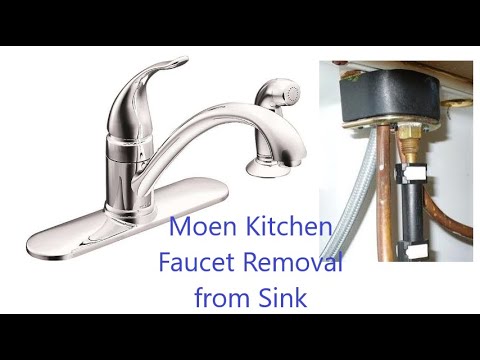
Image Source: i.ytimg.com
Getting Ready for Your Moen Faucet Disassembly
Before you begin, gather your tools and prepare your workspace. This makes the Moen faucet repair process much smoother.
Essential Tools and Supplies
Having the right tools on hand is crucial for a successful Moen faucet disassembly. Here’s what you’ll likely need:
- Adjustable Wrench: For loosening and tightening various nuts and fittings.
- Phillips Head Screwdriver: Often needed for handle screws.
- Flathead Screwdriver: Useful for prying off caps or small parts.
- Allen Wrench Set (Hex Keys): Many Moen faucets use a small hex screw to secure the handle.
- Pliers (Needle-nose and Regular): For gripping small parts and removing stubborn components.
- Utility Knife or Small Pry Tool: To gently lift decorative caps.
- Towel or Rag: To wipe down parts and catch any drips.
- Bucket or Bowl: To catch residual water from the pipes.
- Plumber’s Grease or Silicone Lubricant: To help with reassembly and ensure smooth operation.
- Replacement Parts: If you know which Moen kitchen faucet parts you need (e.g., a new cartridge), have them ready.
Preparing Your Workspace
A little preparation goes a long way:
- Turn Off the Water Supply: This is the most critical step. Look for the shut-off valves under the sink. Turn them clockwise until they are snug. If you can’t find or operate these valves, you’ll need to turn off the main water supply to your house.
- Test the Water: Turn on the faucet to drain any remaining water in the lines and confirm the water is off.
- Clear the Area: Remove everything from beneath the sink to give yourself plenty of room to work.
- Protect Your Sink: Place a towel or rag in the sink basin. This prevents dropped tools or small parts from going down the drain and protects the sink’s finish.
Step-By-Step Moen Faucet Disassembly
The exact process can vary slightly depending on your specific Moen faucet model, but these general steps will guide you through Moen faucet disassembly.
Step 1: Removing the Moen Faucet Handle
The handle is usually the first component to remove.
Locating the Handle Screw
Most Moen faucet handles are secured by a screw. This screw is often hidden beneath a decorative cap.
- Decorative Cap Removal: Gently pry off the decorative cap on the front or top of the handle. You might see a small “H” or “C” indicator there. Use a small flathead screwdriver or a utility knife for this. Be gentle to avoid scratching the finish.
- Accessing the Screw: Once the cap is off, you’ll see the screw. For most single-handle Moen faucets, this will be a small Allen wrench screw. For two-handle faucets, it might be a Phillips head screw.
Unscrewing the Handle
- Using the Correct Tool: Insert the appropriate Allen wrench or screwdriver into the screw. Turn it counter-clockwise to loosen and remove it.
- Lifting the Handle: Once the screw is removed, the handle should lift straight off. If it’s stuck, you might need to gently wiggle it or use a handle puller, though this is rarely necessary for standard Moen faucet repair.
Step 2: Removing the Escutcheon Cap and Dome
Beneath the handle, you’ll typically find a decorative cap or dome.
- Unscrewing the Cap: This cap usually screws off by hand. Turn it counter-clockwise. If it’s tight, you might need pliers, but use a cloth to protect the finish.
- Identifying Internal Components: Once the cap is off, you’ll see the inner workings of the faucet, often including the cartridge.
Step 3: Accessing and Removing the Moen Faucet Cartridge
The cartridge is the heart of most Moen faucets and is often the culprit for leaks. Knowing how to replace Moen faucet cartridge is a key Moen faucet repair skill.
Removing the Cartridge Retaining Clip
A small metal clip holds the cartridge in place.
- Locating the Clip: Look for a small, horseshoe-shaped or U-shaped metal clip on the top of the faucet body, just above where the cartridge sits.
- Removing the Clip: Use needle-nose pliers to grasp the ends of the clip and pull it straight up and out. Be careful, as these can be small and easily lost.
Pulling the Cartridge
- Using a Cartridge Puller (Recommended): While you can sometimes pull the cartridge with pliers, it’s best to use a Moen-specific cartridge puller tool. These are designed to grip the cartridge firmly and prevent damage. You can often rent these from hardware stores or purchase them online.
- Using the Puller: Screw the threaded part of the puller onto the cartridge stem. Then, twist the handle of the puller to extract the cartridge.
- Manual Removal (Use Caution): If you don’t have a puller, try to grip the top stem of the cartridge with pliers and pull it straight up. Wiggle it gently if it resists. Avoid twisting aggressively, as this could damage the faucet body.
- Troubleshooting Stuck Cartridges: If the cartridge is very stubborn, you might need to let it soak with a penetrating oil for a while. However, ensure the oil is safe for plumbing fixtures.
Step 4: Cleaning and Inspecting Moen Faucet Parts
With the cartridge out, it’s a good time for cleaning and inspection. This is part of essential Moen faucet maintenance.
- Cleaning the Faucet Body: Use a clean cloth to wipe away any debris or mineral buildup inside the faucet body where the cartridge sits.
- Inspecting the Cartridge: Examine the old cartridge for any signs of wear, damage, or mineral deposits. This will help you confirm if it’s the cause of your problem.
- Checking O-rings and Seals: Look for any worn or damaged O-rings or seals on the cartridge or within the faucet body.
Step 5: Replacing Moen Faucet Cartridge (If Necessary)
If your old cartridge is faulty, now is the time to install a new one. Ensure you have the correct replacement cartridge for your specific Moen faucet model. You can often find the model number on the faucet itself or in your original purchase documentation.
- Lubricate the New Cartridge: Apply a thin coat of plumber’s grease or silicone lubricant to the O-rings of the new cartridge. This helps it slide in smoothly and creates a better seal.
- Align and Insert: Carefully align the new cartridge with the opening in the faucet body. Moen cartridges usually have specific notches or tabs that need to align correctly.
- Seat the Cartridge: Push the new cartridge firmly into place. It should seat snugly.
- Reinsert the Retaining Clip: Slide the metal retaining clip back into its original position to secure the cartridge. Make sure it’s fully seated.
Step 6: Reassembling the Faucet
Now, reverse the Moen faucet disassembly process to put everything back together.
- Reattach the Escutcheon Cap/Dome: Screw the decorative cap or dome back onto the faucet body. Hand-tighten it.
- Reinstall the Handle: Place the handle back onto the cartridge stem, ensuring it’s oriented correctly.
- Secure the Handle Screw: Insert and tighten the screw that holds the handle in place.
- Replace the Decorative Cap: Snap the decorative cap back onto the handle.
Step 7: Testing for Leaks
The final and crucial step in your Moen faucet repair is testing.
- Turn Water Back On: Slowly turn the water supply valves back on under the sink.
- Check for Leaks: Inspect around the handle, spout, and base of the faucet for any drips.
- Operate the Faucet: Turn the faucet on and off, and move the handle through its full range of motion. Listen for any unusual noises and check for leaks again.
Common Moen Faucet Issues and Troubleshooting
Even with careful Moen faucet maintenance, problems can arise. Here’s some Moen faucet troubleshooting for common issues.
Leaky Faucet (Dripping from Spout)
- Cause: Worn-out cartridge is the most common cause.
- Solution: Replace Moen faucet cartridge. Ensure the new cartridge is properly seated and the retaining clip is secure.
Leaky Faucet (Around the Handle)
- Cause: Worn O-rings within the handle assembly or the cartridge itself.
- Solution: If you’ve already replaced the cartridge, check the O-rings on the stem or consider replacing the entire cartridge assembly. Lubricating the O-rings during reassembly is key.
Low Water Pressure
- Cause: Clogged Moen faucet aerator cleaning is often the solution. Mineral buildup can restrict water flow.
- Solution:
- Aerator Removal: Unscrew the aerator from the tip of the spout. You might need pliers with a cloth to protect the finish.
- Cleaning: Soak the aerator in a solution of white vinegar and water for a few hours or overnight. Use a small brush (like an old toothbrush) to scrub away any remaining debris.
- Reassembly: Screw the cleaned aerator back onto the spout.
- Internal Clogs: If aerator cleaning doesn’t help, the issue might be deeper within the faucet or the supply lines, potentially requiring further Moen faucet disassembly or professional help.
Faucet Handle is Loose or Stiff
- Cause: Loose handle screw, worn internal parts, or lack of lubrication.
- Solution:
- Tighten Handle Screw: First, check and tighten the screw that holds the handle in place.
- Lubricate: If the handle is stiff, it might need more plumber’s grease on the cartridge stem.
- Cartridge Wear: If it’s very loose or stiff even after tightening, the cartridge might be worn and need replacement.
Water Leaking from the Spout Base
- Cause: This often indicates a problem with the O-rings that seal the spout to the faucet body. This requires Moen faucet spout removal.
- Solution:
- Spout Removal: After removing the handle and any decorative caps, you’ll need to remove the spout. This might involve unscrewing a mounting nut at the base of the spout or a set screw. Refer to your faucet’s manual if unsure.
- Replace O-rings: Once the spout is off, you’ll see O-rings. Replace these with new ones, applying plumber’s grease to them before reinstallation.
- Reassemble: Put the spout back on, ensuring it seats properly, then reassemble the rest of the faucet.
Moen Faucet Maintenance Tips for Longevity
Regular Moen faucet maintenance can prevent many common problems and extend the life of your faucet.
- Regular Cleaning: Wipe down your faucet regularly with a soft, damp cloth to prevent mineral buildup and water spots. Avoid abrasive cleaners that can damage the finish.
- Check for Loose Parts: Periodically check if the handle or spout feels loose. Tighten any screws or nuts as needed.
- Address Minor Leaks Promptly: Don’t ignore small drips. They can worsen over time and indicate a more significant issue with the cartridge or seals.
- Descale the Aerator: Clean the aerator every few months, especially if you have hard water.
- Know Your Model: Keep a record of your Moen faucet’s model number. This makes it much easier to find the correct Moen kitchen faucet parts when you need them. You can usually find this information on the faucet itself, your original receipt, or the Moen website.
Understanding Moen Faucet Parts
Knowing the names and functions of key Moen kitchen faucet parts can demystify the repair process.
| Part Name | Function | Common Issues |
|---|---|---|
| Cartridge | Controls water flow and temperature. The “brain” of the faucet. | Leaks, stiff handle, inconsistent temperature. |
| Handle | The lever you use to turn the water on/off and control temperature. | Loose, stiff, or broken. |
| Escutcheon/Dome | Decorative cover that hides the internal workings and secures the handle assembly. | Can become loose or cracked. |
| Retaining Clip | Small metal clip that holds the cartridge in place within the faucet body. | Can corrode, break, or be lost during disassembly. |
| Aerator | Screens at the end of the spout that regulate water flow and prevent splashing. | Clogged with mineral deposits, reducing water pressure. |
| Spout | The part of the faucet where water comes out. | Leaks at the base (worn O-rings), cracked spout. |
| O-rings and Seals | Rubber or silicone rings that create watertight seals between different faucet components. | Deteriorate over time, causing leaks around handles or spout. |
| Handle Screw | Secures the faucet handle to the cartridge stem. | Can become loose, leading to a wobbly handle. |
Frequently Asked Questions (FAQ)
Here are some common questions people have about Moen faucet disassembly and repair.
Q1: How do I know which Moen cartridge to buy?
A1: The best way is to identify your faucet’s model number. You can often find this on the faucet itself, on your original purchase receipt, or by looking up your faucet on the Moen website using its visual features. Once you have the model number, you can search for the corresponding replacement cartridge. If you’re unsure, taking the old cartridge to a plumbing supply store can also help you find a match.
Q2: Can I repair a Moen faucet without turning off the water?
A2: It is strongly advised not to attempt any Moen faucet repair without first turning off the water supply. While some minor cosmetic fixes might not require it, any internal work like replace Moen faucet cartridge or Moen faucet spout removal will result in a significant water mess if the supply is on. Always turn off the shut-off valves under the sink or the main water supply.
Q3: My Moen faucet is leaking from the handle. What’s the most likely cause?
A3: A leak from the handle of a Moen faucet is most commonly caused by a worn-out or damaged cartridge. The seals within the cartridge can degrade over time, allowing water to seep past. In some cases, worn O-rings around the cartridge or handle stem can also be the culprit. The first step in Moen faucet troubleshooting for this issue is usually to replace Moen faucet cartridge.
Q4: How often should I clean the Moen faucet aerator?
A4: The frequency of Moen faucet aerator cleaning depends on your water quality. If you have hard water with high mineral content, you might need to clean it every 2-3 months. For areas with softer water, every 6 months to a year might be sufficient. Look for signs like reduced water pressure or a weak stream, which usually indicate it’s time for a clean.
Q5: What if the Moen faucet handle won’t come off after removing the screw?
A5: If the handle is stuck, it’s likely due to mineral buildup or corrosion. Gently try wiggling the handle from side to side while pulling upward. If it still won’t budge, a faucet handle puller tool can be very effective. These tools are specifically designed to grip the handle and extract it without causing damage. Avoid using excessive force with regular pliers, as this can bend or break the handle.
By following these detailed steps and Moen faucet troubleshooting tips, you can confidently tackle many common Moen faucet repair tasks and keep your kitchen faucet in excellent working order. Regular Moen faucet maintenance is key to preventing future issues and ensuring a long lifespan for your fixtures.