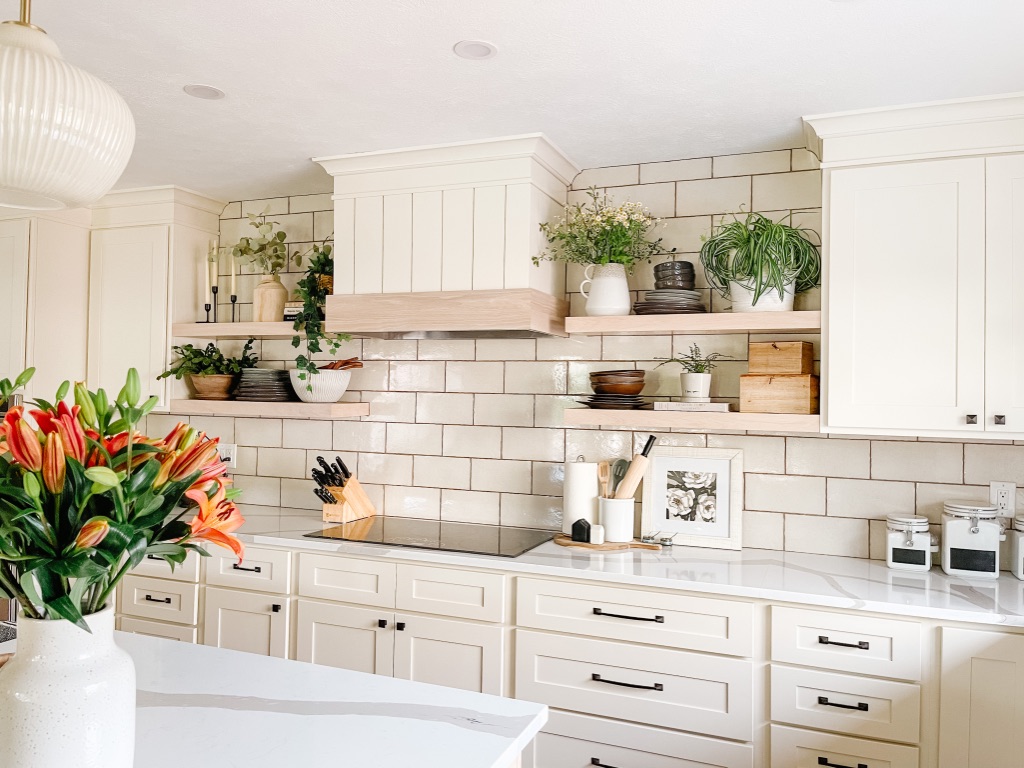
Image Source: sprucingupmamahood.com
Expert Tips: How To Style A Kitchen Like A Pro
Making your kitchen look amazing is not just about picking pretty things. It’s about creating a space that works well and feels good to be in. It needs to fit your life and your style. Think of it like putting together a great outfit – everything needs to match and fit right.
Planning Your Kitchen Look
Before you start picking colors or tiles, think about the big picture. What do you use your kitchen for the most? Cooking big meals? Quick breakfasts? Entertaining friends? Knowing this helps you choose the right Kitchen design ideas.
Consider the layout. The work triangle (sink, stove, fridge) is key for function. Good Kitchen design ideas make cooking easier and more fun. Think about how you move between these spots.
Also, what style do you like? Do you want something sleek and modern, or cozy and traditional? Your choice will guide everything from cabinets to decor.
Picking a Style Direction
Choosing a main style helps keep your design choices together. Don’s mix too many different styles at once. Pick one or two that work well together.
- Modern: Clean lines, simple shapes, often uses metal, glass, and smooth surfaces.
- Farmhouse: Cozy, maybe a bit rustic, uses wood, white colors, and vintage touches.
- Traditional: More detailed cabinets, classic shapes, uses natural materials.
- Transitional: A mix of modern and traditional. It feels classic but updated.
Decide on your main style first. This makes choosing everything else much simpler.
Choosing Your Kitchen Colors
Kitchen color schemes set the mood for your kitchen. Colors can make a small kitchen feel bigger or a large kitchen feel cozier.
Grasping Kitchen Color Choices
Think about the feeling you want.
* White and Gray: Clean, bright, modern. Makes spaces feel open.
* Blues and Greens: Calming, natural. Lighter shades feel fresh, darker shades feel dramatic.
* Warm Neutrals (Beiges, Creams, Taupes): Cozy, inviting, classic. They go with many styles.
* Bold Colors (Reds, Yellows, Oranges): Energetic, fun. Best used in smaller amounts, like on an accent wall or through accessories.
Look at color palettes online or in magazines for inspiration. Consider how much natural light your kitchen gets. A room with lots of light can handle darker colors better than a dark room.
Combining Colors Smartly
You’ll usually pick a main color, a secondary color, and an accent color.
* Main Color: Often on cabinets or walls.
* Secondary Color: On countertops, backsplashes, or floors.
* Accent Color: For smaller items like towels, art, or small appliances.
Using a color wheel can help you find colors that work well together. Colors opposite each other (like blue and orange) make a bold look. Colors next to each other (like blues and greens) create a calm feel.
Selecting Kitchen Cabinet Styles
Cabinets take up a lot of space in a kitchen. They impact the look and feel a lot. Kitchen cabinet styles range from very simple to very detailed.
Exploring Popular Cabinet Styles
- Shaker: The most popular style. They have a flat panel with a raised frame around it. They fit many styles, from traditional to modern farmhouse.
- Flat-Panel (Slab): Simple, smooth doors with no frame. Gives a very clean, modern look.
- Raised-Panel: Have a raised center panel. Often seen in traditional or formal kitchens.
- Inset: The door and drawer fronts sit inside the cabinet frame. This style costs more but gives a custom, high-end look.
- Distressed/Rustic: Cabinets made to look old or worn. Perfect for farmhouse or rustic styles.
Think about how easy they are to clean. Flat-panel cabinets are very easy to wipe down. Cabinets with lots of nooks and crannies might be harder.
Choosing Cabinet Color and Finish
Cabinet color is a big choice.
* White: Classic, bright, makes kitchens feel bigger. Can show dirt easily.
* Gray: Neutral, modern, less likely to show dirt than white. Comes in many shades.
* Navy or Green: Popular bold choices. Can add depth and personality. Best in bigger kitchens or with lots of light.
* Wood Tones: Warm, natural. Range from light maple to dark cherry or walnut. Fits many styles, especially traditional or farmhouse.
The finish matters too. Matte finishes hide fingerprints better than glossy ones.
Picking Kitchen Countertop Options
Countertops are a major work surface and a key design element. There are many Kitchen countertop options, each with pros and cons for look, cost, and care.
Weighing Different Countertop Materials
| Material | Look | Durability | Care | Cost | Fits Style(s) |
|---|---|---|---|---|---|
| Quartz | Uniform look, many colors/patterns | Very high, stain-resistant | Easy, non-porous | High | Modern, Transitional |
| Granite | Natural patterns, unique slabs | High, scratch/heat tolerant | Needs sealing (usually yearly) | High | Traditional, Transitional |
| Laminate | Many colors/patterns (can mimic stone) | Good, resists scratches | Easy, can chip or scratch with force | Low | Casual, Budget-friendly |
| Solid Surface | Seamless look, can be molded | Good, scratches can be buffed | Easy, non-porous | Mid-High | Modern, Transitional |
| Wood (Butcher Block) | Warm, natural | Good, can scratch/dent | Needs regular oiling/sealing | Mid | Farmhouse, Traditional, Rustic |
| Marble | Classic, beautiful veining | Softer than granite/quartz | Stains easily, needs regular sealing | Very High | Luxury, Classic |
| Concrete | Industrial, modern | High, can crack | Needs sealing, can stain | High | Modern, Industrial |
Think about how you cook. If you chop right on the counter, wood might be good. If you spill a lot, quartz or solid surface are better choices.
Edge Styles and Backsplashes
The edge of your countertop can change the look. Simple straight edges are modern. Ogee or bullnose edges are more traditional.
A backsplash protects your wall from spills and adds style. It can be simple tile, stone slabs, or even painted glass. Make sure the backsplash and countertop work together.
Finding the Right Kitchen Flooring Options
Kitchen floors need to be tough, easy to clean, and look good. Kitchen flooring options are varied, from classic tile to warm wood.
Choosing Durable and Stylish Floors
| Material | Look | Durability | Care | Cost | Comfort |
|---|---|---|---|---|---|
| Ceramic/Porcelain Tile | Many colors, shapes, patterns, can mimic wood | Very high, water-resistant | Easy to clean, grout needs sealing | Mid | Hard underfoot, cold |
| Hardwood | Warm, classic, natural grain | Good, can scratch/dent | Needs sealing, can warp with water | High | Comfortable |
| Luxury Vinyl Plank (LVP) | Looks like wood or stone, waterproof | Very high, scratch-resistant | Easy to clean | Mid | Softer than tile/wood |
| Laminate | Looks like wood or tile | Good, resists scratches | Easy to clean, can be damaged by water | Low | Hard underfoot |
| Natural Stone | Unique, luxurious patterns (marble, slate) | Varies (slate tough, marble soft) | Needs sealing, porous | Very High | Hard underfoot, cold |
Consider how much traffic your kitchen gets and how likely spills are. LVP is great for busy families with kids or pets because it handles water well. Tile is super durable but can feel hard if you stand for long periods.
Brightening Your Kitchen with Light
Kitchen lighting ideas are about more than just seeing what you’re doing. Good lighting makes your kitchen look better and feel safer. You need layers of light.
Interpreting Kitchen Lighting Needs
- Ambient Light: General light for the whole room. Usually from overhead fixtures like recessed lights or a central pendant.
- Task Light: Bright light for work areas. Under-cabinet lights are key for seeing countertops clearly. Pendant lights over an island are task light.
- Accent Light: Highlights specific features, like art or open shelving. Can be small spotlights or lights inside glass cabinets.
Don’t just rely on one ceiling fixture. Use a mix of these types for the best results. Dimmers are great for changing the mood.
Fixture Styles and Placement
Choose fixtures that match your kitchen style.
* Modern: Sleek metal pendants, simple recessed lights.
* Farmhouse: Lantern pendants, barn-style fixtures.
* Traditional: Chandeliers, classic pendants with shades.
Think about where shadows fall. Place task lighting directly over where you work.
Styling Specific Kitchen Types
Every kitchen is different. Styling a tiny kitchen needs different ideas than styling a big one.
Tips for Small Kitchen Design
If you have a small space, you need clever Small kitchen design tricks to make it feel bigger and work better.
- Use Light Colors: White or light gray walls and cabinets make the room feel more open.
- Good Lighting: Bright light makes a small space feel larger. Use under-cabinet lights to banish dark corners.
- Reduce Clutter: Keep countertops as clear as possible. Use smart storage solutions.
- Go Vertical: Use tall cabinets or shelves up to the ceiling to maximize storage.
- Glass Doors: A few cabinets with glass doors can make the kitchen feel less closed off.
- Smaller Appliances: If possible, choose smaller versions of appliances.
- Mirrors: A mirror or reflective backsplash can bounce light and make the room feel deeper.
Every inch counts in a small kitchen. Plan carefully to use space well.
Creating a Modern Kitchen Decor
Modern kitchen decor is about clean lines, simplicity, and often uses technology.
- Minimalism: Keep decor simple. Fewer items out in the open.
- Sleek Materials: Stainless steel appliances, high-gloss or matte flat-panel cabinets, quartz or concrete countertops.
- Neutral Palette: Whites, grays, blacks, and woods are common. Pops of bold color might be used sparingly.
- Hidden Storage: Appliances built into cabinets, handleless cabinet doors.
- Smart Tech: Smart faucets, lighting, or appliances fit the modern feel.
- Geometric Shapes: Used in tiles, lighting, or hardware.
Modern style feels uncluttered and efficient.
Embracing Farmhouse Kitchen Style
Farmhouse kitchen style is warm, inviting, and often has a vintage feel.
- Natural Materials: Lots of wood, often with natural or distressed finishes.
- White Cabinets: A classic farmhouse look. Shaker style works well.
- Farmhouse Sink: A large, deep sink with a front that sticks out.
- Open Shelving: Displays dishes and decor.
- Vintage Finds: Use old signs, scales, or jars as decor.
- Comfortable Textiles: Cushions on benches, simple curtains.
- Subway Tile Backsplash: A popular and simple choice.
Farmhouse style feels cozy and lived-in.
Adding Personality with Kitchen Decor Tips
Once the main parts are in place, Kitchen decor tips help you add the final touches and make the space yours.
Styling Open Shelves and Countertops
- Open Shelves: Mix practical items (pretty dishes, mugs) with decor (small plants, cookbooks, art). Don’t overcrowd them. Leave some empty space.
- Countertops: Keep them mostly clear for working. Add a few key items like a nice fruit bowl, a plant, or a stylish coffee maker. Group items together.
- Walls: Add art, a clock, or a hanging plant. A large piece of art can make a statement.
Think about texture and height when placing items. Mix tall things with short things, and smooth items with rough ones.
Choosing Textiles and Accessories
- Rugs: Add comfort and color to the floor. Choose washable rugs for the kitchen.
- Curtains/Blinds: Frame the window and add softness. Keep them simple and easy to clean.
- Towels and Pot Holders: A cheap way to add color and pattern.
- Hardware: Cabinet pulls and knobs are like jewelry for your kitchen. They can totally change the look.
- Plants: Bring life into the kitchen. Herbs you can use are a great choice.
Accessorize with items you love and use.
Considering Practical Details
Besides the look, think about how the kitchen works every day.
Deciphering Storage Solutions
Good storage keeps your kitchen tidy and functional.
* Drawer Organizers: Keep utensils, spices, and tools neat.
* Pull-Out Shelves: Make it easy to reach items at the back of cabinets.
* Vertical Dividers: Great for baking sheets and cutting boards.
* Corner Solutions: Lazy Susans or pull-out systems use awkward corner space.
* Pantry Organization: Baskets, bins, and risers help you see everything.
Think about what you store and where you use it. Store items close to where you need them.
Incorporating Smart Appliances
New technology can make life easier. Smart fridges, ovens, or speakers can be helpful. Decide what level of tech you want.
Bringing it All Together: A Step-by-Step Approach
Styling a kitchen is a process. Here’s a simple way to think about it.
- Plan: Think about how you use the space and your style preferences. Look at Kitchen design ideas.
- Pick the Big Pieces: Choose your Kitchen color schemes, Kitchen cabinet styles, Kitchen countertop options, and Kitchen flooring options. These are the foundation.
- Plan Lighting: Figure out where you need light and pick your Kitchen lighting ideas.
- Consider Layout: Make sure your appliances and key zones work well together, especially important for Small kitchen design.
- Add Decor: Use Kitchen decor tips to add personality with items, textiles, and wall art. Style for Modern kitchen decor or Farmhouse kitchen style based on your choice.
- Organize: Use storage solutions to keep things tidy.
- Refine: Step back and see what works. Make small changes until it feels right.
It’s okay to take your time. Styling a kitchen is a big job.
The Power of Paint
A new coat of paint is one of the cheapest ways to refresh a kitchen.
* Walls: Can easily change the whole mood.
* Cabinets: Painting old cabinets can give them a totally new look without the cost of replacing them. Use paint made for cabinets for the best result.
Choosing the right finish for paint is important too. Semi-gloss or satin is good for walls in a kitchen because it’s easy to clean.
Hardware Matters
Cabinet hardware (knobs, pulls) and faucet style are small details that make a big difference.
* Modern: Simple bar pulls or knobs.
* Farmhouse: Bin pulls or simple knobs, sometimes in black or bronze.
* Traditional: More decorative pulls or knobs.
Matching finishes (like all brushed nickel) gives a pulled-together look. Or, mix finishes for a more eclectic feel if it fits your style.
The Role of the Backsplash
The backsplash is like a ribbon that ties the kitchen together. It can be a quiet background or a bold statement.
* Simple: Subway tile, simple patterns, neutral colors.
* Statement: Bold colors, intricate patterns, unique shapes (like hex or fish scale tiles), or a slab of stone.
Think about how much pattern is already in your countertops or floors. If they are busy, a simple backsplash might be best. If they are plain, the backsplash can add interest.
Bringing in Natural Elements
Adding wood, stone, or plants makes a kitchen feel more alive and connected to nature.
* Wood: Cutting boards, shelves, beams, stools.
* Stone: Countertops, backsplashes, flooring.
* Plants: Herbs on a windowsill, a hanging plant, a small succulent.
These elements add warmth and texture.
Final Touches That Make a Difference
Small things can make your kitchen feel professionally styled.
* Coordinated Appliances: While not always possible, having appliances in the same finish (like all stainless steel) looks neat.
* Small Appliances: Store them away if you don’t use them daily. If they stay out, choose ones that match your style or a fun accent color.
* Kitchen Scents: Use a nice-smelling soap or light a candle to make the kitchen feel welcoming.
* Organized Drawers and Cabinets: Even if guests don’t see inside, knowing things are tidy makes the kitchen feel calmer and more functional.
A truly well-styled kitchen works great and looks amazing. It should feel like a reflection of you and how you live. Taking the time to plan and pick things you love will make your kitchen a favorite place to be.
Frequently Asked Questions (FAQ)
What is the most important thing when styling a kitchen?
The most important thing is to make it work for you and your family. Think about how you use the space daily. Function comes first, then make it look beautiful in a way that fits your style.
How can I style a kitchen on a small budget?
Focus on less expensive changes that make a big impact. Paint is your best friend – paint walls, maybe even cabinets. Change cabinet hardware. Improve lighting with new fixtures or under-cabinet lights. Add colorful accessories, rugs, and plants. Open shelving is cheaper than upper cabinets and lets you display items.
How do I pick colors that go together for my kitchen?
Start with a main color you like, often for cabinets or walls. Then choose a secondary color for things like countertops or floors that goes well with the main color. Add an accent color for small items like towels or decor. Look at color palettes online or use a color wheel to see which colors pair nicely. Consider the light in your kitchen.
Can I mix different styles in my kitchen?
Yes, you can mix styles, but do it carefully. Mixing elements from two styles, like modern and traditional (transitional style) or modern and rustic, often works well. Don’t try to mix too many different styles at once, or it can look messy. Pick one main style and add elements from another.
How do I make a small kitchen look bigger?
Use light colors on walls and cabinets. Make sure you have plenty of bright lighting, including under-cabinet lights. Keep countertops clear and clutter to a minimum. Use tall cabinets for vertical storage. A mirror or reflective backsplash can also help.
What are the most durable kitchen countertop options?
Quartz and granite are very durable and resist scratches and heat well. Solid surface is also quite durable, and minor scratches can often be repaired. Laminate is fairly durable for the cost but can chip or scratch more easily than stone or quartz.
Is wood flooring good for a kitchen?
Wood flooring adds warmth and beauty. It can be durable but needs sealing and can be damaged by standing water. Luxury Vinyl Plank (LVP) is a popular alternative that looks like wood, is waterproof, and very durable, often a better choice for busy kitchens prone to spills.
How important is kitchen lighting?
Very important! Good lighting makes your kitchen safer for chopping and cooking, makes it look cleaner and brighter, and sets the mood. Use a mix of overhead light, task lighting (like under-cabinet), and maybe accent lighting.
What kind of cabinet style is easiest to clean?
Flat-panel or slab cabinets are typically the easiest to clean because they have smooth surfaces with no grooves or frames for grease and dirt to collect. Shaker style is also relatively easy. Cabinets with lots of raised panels or details are harder to wipe down.