Storing kitchen appliances safely and efficiently is key to maintaining a functional and clutter-free kitchen. How to store kitchen appliances safely? Store them in a dry, clean environment, away from extreme temperatures and moisture, after ensuring they are clean and unplugged. This guide offers smart tips for maximizing your space and keeping your kitchen appliances in top condition.
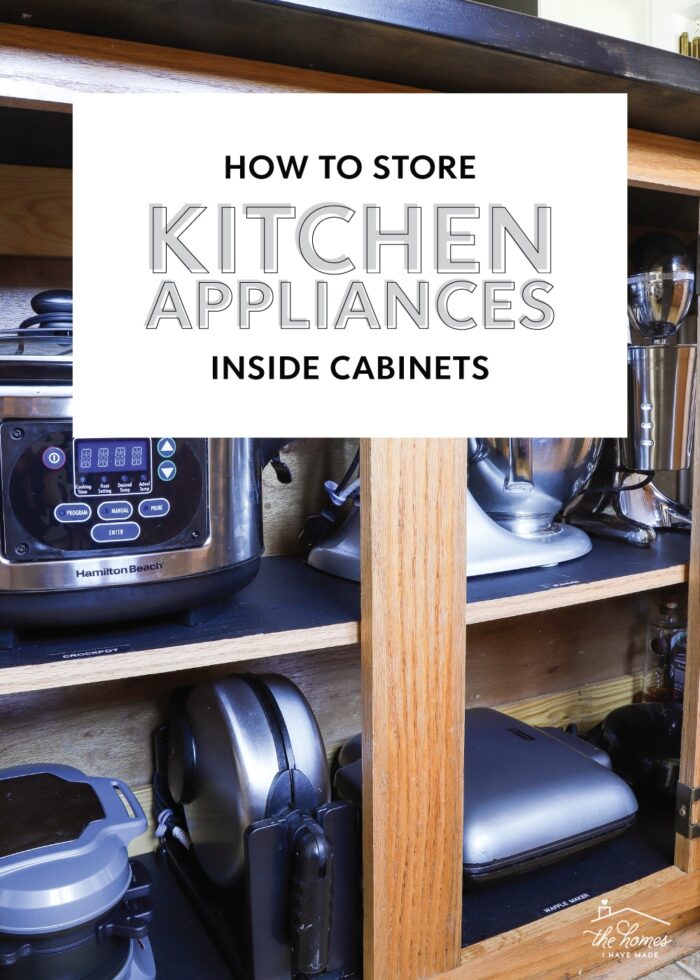
Image Source: thehomesihavemade.com
How To Store Kitchen Appliances Safely: Smart Tips for Space
A well-organized kitchen is a joy to work in. But when your appliances are constantly underfoot or taking up precious counter space, that joy can quickly turn into frustration. Learning how to store kitchen appliances safely and smartly is crucial for both functionality and the longevity of your devices. Whether you have a compact apartment or a sprawling family home, these tips will help you declutter and create a more efficient cooking environment.
Mastering Kitchen Appliance Organization
Effective kitchen appliance organization isn’t just about hiding things away; it’s about creating a system that makes sense for how you use your kitchen. It involves designating specific homes for each appliance, from the everyday blenders to the occasional-use ice cream makers. This prevents clutter and ensures that the tools you need are readily accessible.
Small Appliance Storage Solutions
Small appliance storage can be surprisingly tricky. These items, while not as bulky as ovens or refrigerators, can quickly multiply and create visual chaos.
h4: Creative Storage Spots for Small Appliances
- Appliance Garages: If you have the space, a dedicated “appliance garage” – a cabinet with a lift-up or sliding door – is ideal for keeping things like toasters, blenders, and coffee makers out of sight but within easy reach.
- Under-Cabinet Shelving: For frequently used appliances like stand mixers or food processors, consider installing a sturdy shelf beneath an upper cabinet. This keeps them off the counter but accessible.
- Pull-Out Shelves: These are a game-changer for heavier appliances. Installing them in lower cabinets or pantries allows you to easily slide out items like stand mixers or slow cookers without straining your back.
- Rolling Carts: A stylish rolling cart can serve as a mobile storage unit for various small appliances. It can be tucked away in a pantry or corner when not in use.
- Vertical Storage: Think about utilizing vertical space. Wall-mounted racks or tiered shelving units can hold multiple smaller appliances, freeing up cabinet and counter space.
h5: Storing Gadgets: The Details
For very small appliances or their accessories, such as immersion blender attachments or electric mixer beaters, consider using:
- Drawer Dividers: Keep cords and accessories neat and untangled.
- Clear Storage Bins: Stackable bins in pantries or on shelves allow you to see what’s inside easily. Labeling them is a bonus.
- Over-the-Door Organizers: These can be great for holding smaller items like measuring cups, spatulas, or even the cords of hand mixers.
Large Appliance Storage Strategies
Large appliance storage typically refers to items like stand mixers, food processors, and sometimes even specialty appliances like bread makers or juicers. While they aren’t “stored” in the traditional sense when in use, their placement and how you manage them when they’re not active are crucial.
h4: Placement and Accessibility
- Countertop Real Estate: Reserve prime countertop space for appliances you use daily. This might include your coffee maker, toaster, or microwave. Arrange them logically based on your workflow.
- Dedicated Cabinetry: For appliances used less frequently, dedicate specific cabinets. Lower cabinets are generally better for heavier items due to ease of lifting.
- Pantries and Butler’s Pantries: If you have the luxury of extra space, a pantry or butler’s pantry is an excellent place to store larger appliances when not in use.
- Rolling Kitchen Islands: These can be a versatile solution, providing extra workspace and storage for appliances. They can be moved to different areas of the kitchen as needed.
h5: Securing and Protecting
- Original Packaging: For seasonal or rarely used large appliances, keeping them in their original boxes can offer excellent protection and make them easier to store neatly.
- Dust Covers: If storing them uncovered, consider custom-fit dust covers to protect them from dust and grime.
Appliance Maintenance for Longevity
Proper appliance maintenance is as important as how you store them. Keeping your appliances clean and in good working order will ensure they last longer and perform better.
h4: Before Storing: The Cleaning Ritual
- Unplug and Disconnect: Always unplug appliances before cleaning or storing them.
- Thorough Cleaning: Wipe down all surfaces, inside and out. Remove any crumbs, spills, or food residue. For appliances with removable parts (like blenders or food processors), disassemble and wash these components thoroughly. Refer to your appliance manual for specific cleaning instructions.
- Drying: Ensure all parts are completely dry before reassembling or storing to prevent mold or mildew growth.
h4: Seasonal Appliance Care
For appliances you only use occasionally, like a stand mixer for holiday baking or a juicer for summer fruits, follow these steps before putting them away:
- Deep Clean: Give them a more thorough clean than usual.
- Cord Management: Wrap cords neatly and secure them with a twist tie or velcro strap. Avoid tightly wrapping cords, as this can damage the wiring over time.
- Protect Moving Parts: For appliances with gears or moving parts, a light application of food-grade lubricant (as per the manufacturer’s instructions) can help prevent seizing.
Smart Kitchen Storage: Maximizing Every Inch
Smart kitchen storage is about thinking outside the box and using every available space efficiently. It’s about creating a system that works for your specific needs and kitchen layout.
h4: Utilizing Cabinet Interiors
- Shelf Risers: Add extra layers of storage within cabinets, especially for smaller appliances.
- Cabinet Door Organizers: These can hold small accessories or even thin appliances like hand mixers.
- Lazy Susans: Perfect for corner cabinets, lazy Susans allow you to easily access appliances stored in hard-to-reach spots.
h4: Embracing Vertical Space
- Wall-Mounted Racks: Install racks on empty wall space for storing appliances like stand mixers, providing an industrial-chic look and freeing up cabinet space.
- Pegboards: Customize a pegboard to hang smaller appliances, utensils, and accessories.
Space-Saving Kitchen Storage Tips
Space-saving kitchen storage is essential for any kitchen, especially smaller ones. It’s about making every square inch count.
h4: The Power of Decluttering
- One-In, One-Out Rule: For every new appliance you bring in, consider donating or selling an old, unused one.
- Assess Usage: Be honest about how often you truly use an appliance. If it’s been gathering dust for over a year, it might be time to let it go.
h4: Multifunctional Appliances
- Invest in Versatility: Consider appliances that perform multiple functions. An immersion blender with various attachments can replace a separate hand mixer and chopper. A multi-cooker can take the place of a slow cooker, pressure cooker, and rice cooker.
Kitchen Cabinet Organization and Counter Organization
The two most visible areas in your kitchen are your cabinets and counters. Keeping them organized directly impacts the perceived neatness and functionality of your entire kitchen.
Kitchen Cabinet Organization Strategies
Good kitchen cabinet organization makes finding what you need simple.
h5: Zone Your Cabinets
- Baking Zone: Store your stand mixer, flour sifter, and baking pans together.
- Breakfast Zone: Keep your coffee maker, toaster, and cereal containers in close proximity.
- Prep Zone: Place your food processor, blender, and cutting boards in a convenient area for meal preparation.
h5: Smart Cabinet Solutions
- Adjustable Shelving: Maximize vertical space by adjusting shelves to fit the height of your appliances.
- Containerization: Use bins and baskets to group similar items and prevent them from rolling around.
Kitchen Counter Organization Principles
Kitchen counter organization is about keeping the surfaces clear for practical use.
h5: The “Barely There” Approach
- Essential Items Only: Only keep appliances that are used daily on your counters.
- Stylish Storage: If you must keep an appliance out, choose one that is aesthetically pleasing and perhaps matches your kitchen decor.
- Tray Storage: Group frequently used items like your coffee maker, sugar bowl, and creamer on a decorative tray. This creates a cohesive look and makes cleaning easier.
Pantry Organization for Appliances
A well-organized pantry can house a surprising number of kitchen appliances.
h4: Maximizing Pantry Space
- Shelving Systems: Invest in sturdy, adjustable shelving to accommodate appliances of various heights and depths.
- Stackable Bins: Use stackable bins to store smaller appliances and their accessories, keeping them tidy and accessible.
- Door Storage: Utilize the inside of your pantry door with hanging organizers for cords or small attachments.
h4: Appliance Grouping in the Pantry
- Seasonal/Occasional Items: Dedicate a section of your pantry for appliances used less frequently, such as holiday cookie presses or specialized grilling tools.
- Weight Distribution: Store heavier appliances on lower shelves to prevent accidents and make them easier to retrieve.
Appliance Cleaning for Safe Storage
This is a critical step that is often overlooked. Appliance cleaning before storing ensures hygiene and prevents future problems.
h5: General Cleaning Checklist
- Wipe Down Exteriors: Use a damp cloth and mild soap to clean the outside surfaces.
- Clean Detachable Parts: Wash any removable parts like bowls, beaters, or grinders in warm, soapy water.
- Dry Thoroughly: This cannot be stressed enough. Any lingering moisture can lead to mold, mildew, or rust.
- Check for Cracks or Damage: Before storing, inspect your appliances for any damage that might make them unsafe to use later.
h5: Specific Appliance Cleaning Tips
- Toasters: Turn upside down and shake out crumbs. Ensure the crumb tray is clean.
- Blenders/Food Processors: Wash blades carefully and ensure they are completely dry. Store blades in a protective casing if possible.
- Coffee Makers: Descale regularly according to manufacturer instructions. Ensure the carafe and filter basket are clean and dry.
- Microwaves: Wipe down the interior and exterior. Ensure the turntable is clean.
Frequently Asked Questions (FAQ)
Q1: Can I store kitchen appliances with their cords plugged in?
A1: No, it is always best to unplug kitchen appliances before storing them to prevent electrical hazards and to save energy.
Q2: What is the best way to store a stand mixer?
A2: For frequent use, keep it on a dedicated shelf or a sturdy lower cabinet with a pull-out shelf. For less frequent use, store it in its original box or a dust cover in a cabinet or pantry.
Q3: How should I store my blender?
A3: Ensure the blender jar and blades are clean and completely dry. Store the jar on the base or separately in a cabinet, ensuring the blades are protected.
Q4: Is it safe to store appliances in a damp basement?
A4: No, damp environments can lead to rust, mold, and damage to electrical components. Always store appliances in a dry, climate-controlled area.
Q5: What if I have limited cabinet space?
A5: Utilize vertical space with wall-mounted shelves or racks, use rolling carts, or consider appliance garages or multi-functional appliances to save space.
By implementing these smart storage solutions and maintenance practices, you can transform your kitchen into a more organized, efficient, and enjoyable space. Happy organizing!