Does a bad smell come from your kitchen sink drain? It’s a common problem! This smell usually comes from food scraps, grease, and other things stuck in the drain or garbage disposal. These bits break down over time. They let off stinky gases. Fixing it often means cleaning the drain, dealing with blockages, or sorting out issues with the P-trap or drain vent. Don’t worry, you can fix it! You can often stop the smell yourself with simple things you have at home or basic tools. This guide will help you make your sink smell fresh again. We will cover many simple ways for drain odor removal and smelly sink drain fix. We will also look at food debris in drain, garbage disposal smell, and smells from a blocked drain smell.
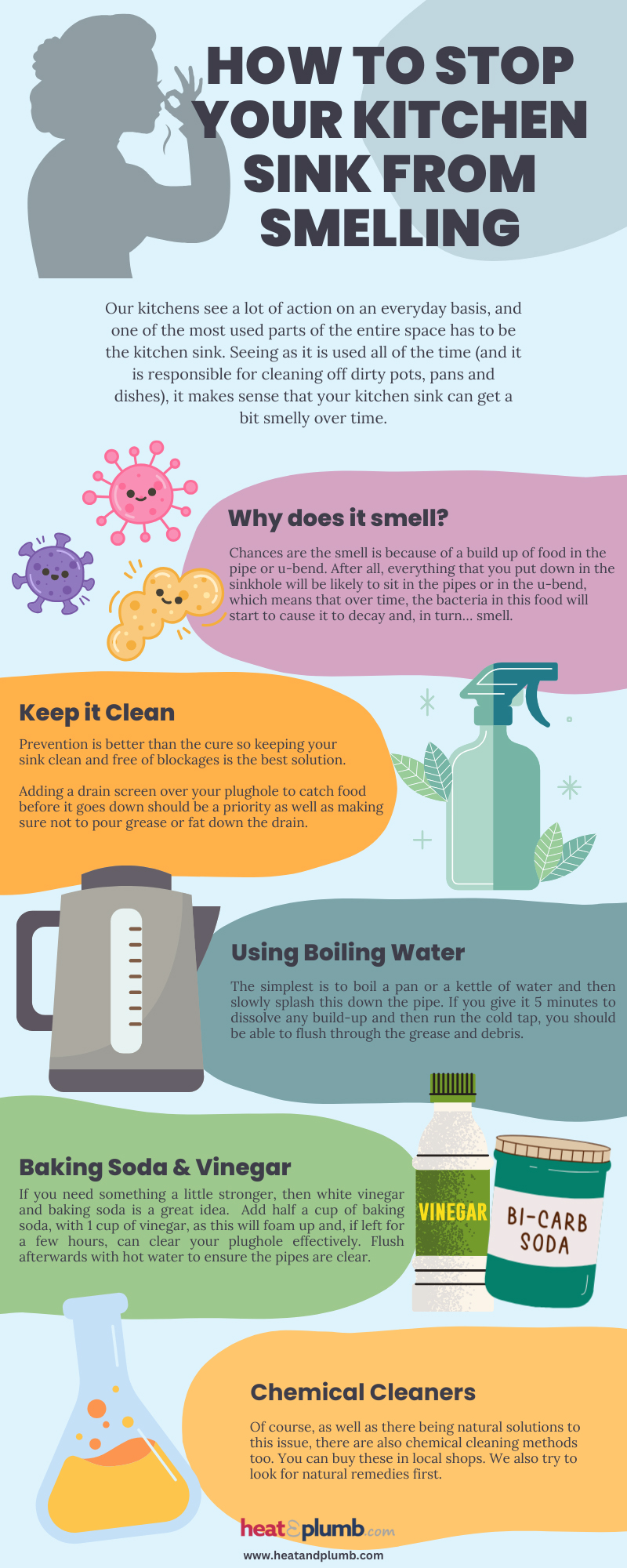
Image Source: www.heatandplumb.com
Why Your Sink Has a Bad Smell
Your kitchen sink is busy every day. It takes in water, food bits, soap, and more. All these things go down the drain. Sometimes, not everything goes all the way down. Small bits get caught. They stick to the sides of the pipes. They pile up.
Over time, these stuck bits start to rot. Think of food left out too long. It goes bad. The same thing happens in your drain pipes. As the food bits rot, they make gases. These gases smell very bad. They smell like rotten eggs or something worse. These bad smells come back up through the drain opening. They fill your kitchen.
Common Things That Cause Drain Smell
- Food Scraps: Even small bits of food can get stuck. Pasta, rice, coffee grounds, vegetable peels – they all rot and smell. This is a big reason for food debris in drain smells.
- Grease and Fat: Hot grease goes down the drain as a liquid. But it cools fast in the pipes. When it cools, it turns solid. It sticks to the pipe walls. Other food bits stick to the grease. This mix creates a sticky mess. It traps more stuff. This leads to a blocked drain smell.
- Soap Scum: Soap mixes with minerals in water. It forms a sticky film. This film lines the pipes. Food and grease stick to the soap scum.
- Bacteria Growth: The dark, wet drain is a perfect home for bacteria. They feed on the food bits and grease. As they eat, they make smelly gases.
- Garbage Disposal Issues: Your disposal grinds food. But small pieces can still get stuck inside. They can get stuck under the rubber splash guard. They can also get stuck inside the grinding parts. These stuck bits rot. This causes a garbage disposal smell.
- Dry P-Trap: Under your sink, there is a curved pipe. It looks like a ‘U’ or ‘S’. This is called the P-trap. It holds a little bit of water. This water seal stops sewer gases from coming into your house. If the P-trap dries out (maybe you haven’t used the sink in a while), the water seal is gone. Sewer gases can come up. This is a P-trap smell solution issue.
- Drain Vent Problems: Your home’s plumbing system has vents. These vents go up to the roof. They let air into the pipes. This helps water flow down. They also let sewer gases escape outside. If a vent pipe gets blocked (by a bird’s nest, leaves, or other things), the gases can’t go out the roof. They might push back down the pipes. Then they come up through your drain. This can cause a strong sewage smell from sink.
Pinpointing Where the Bad Smell Is Coming From
Finding the source helps you fix the problem right. The smell is usually from the drain opening. But it could be other places.
Checking the Drain Opening
Lean close to the sink drain. Do you smell it strongly there? This is the most common spot. The smell is likely from food or grease buildup in the pipe close to the sink. Or it’s from the garbage disposal.
Checking the Overflow
Your sink might have a small hole near the top of the basin. This is the overflow drain. It stops water from spilling if the main drain is blocked. Water and soap can get stuck in the overflow channel. They can build up and smell. Pouring a little hot water or a cleaning mix into the overflow can help.
Checking the Garbage Disposal
If you have a disposal, it’s a likely suspect for garbage disposal smell. Lift the rubber splash guard. Look inside with a flashlight. Do you see gunk or food bits? Smell near the opening. Is the smell stronger when you run the disposal briefly?
Checking Under the Sink
Look at the pipes under your sink. Do you see any leaks? Are there any wet spots on the cabinet floor? A leak could mean water is dripping and rotting things under the sink. Also, check the P-trap. Make sure it’s connected right and not leaking.
Thinking About the Drain Vent
This is less common for just a kitchen sink smell. But if the smell is very strong, like sewer gas, and maybe happens with gurgling sounds, it could be a vent problem. A strong sewage smell from sink often points to vent issues or problems with the main sewer line, which needs a pro.
Simple Ways to Get Rid of the Smell Now
Let’s start with easy things you can try first. These methods often help with light smells caused by small bits of food debris in drain.
Pour Hot or Boiling Water Down the Drain
This is the easiest first step. Hot water can melt grease. It can loosen food bits stuck to the pipe walls.
- How to do it:
- Heat a pot of water on the stove until it boils.
- Carefully pour the boiling water slowly down the drain opening. Try not to let it touch the sink basin itself too much if your sink material might get hurt by very hot water (like some older acrylic sinks).
- Repeat this a few times if needed.
- Safety First: Boiling water is dangerous. Be very careful when carrying and pouring it.
Use Hot Tap Water
If boiling water feels too risky or doesn’t work much, just use the hottest water from your tap. Let the hot water run down the drain for 5-10 minutes. This is less strong than boiling water but can still help melt soft grease.
Put Ice and Salt in the Garbage Disposal
This trick works well for garbage disposal smell. The ice helps scrape the grinding parts clean. The salt helps too and washes away gunk.
- How to do it:
- Put two cups of ice cubes into the disposal.
- Add half a cup of rock salt or table salt.
- Turn on the cold water.
- Turn on the disposal.
- Let it run until the ice and salt are all gone. You’ll hear it change sound.
- Rinse by running cold water for a few more seconds.
Using Homemade Solutions for a Fresher Drain
You likely have simple things in your kitchen that make great homemade drain cleaner for smell. These are safe and work well on many smells.
Baking Soda and Vinegar: The Fizzy Fix
This is a classic baking soda vinegar drain cleaning method. It’s effective for breaking down grease and loose debris.
- How to do it:
- Pour Baking Soda: Pour half a cup to one cup of baking soda directly into the drain opening. Try to get most of it into the hole, not sitting on the sink surface.
- Add Vinegar: Slowly pour one cup of white vinegar down the drain after the baking soda.
- Watch and Listen: You will see fizzing and hear bubbling. This is a chemical reaction. It helps loosen things stuck in the pipe.
- Wait: Put a drain stopper over the opening. Let the mix work for 15-30 minutes. Even longer is fine if the smell is bad.
- Rinse: After waiting, pour a pot of hot water (boiling or very hot tap water) down the drain to rinse everything away.
- Repeat if Needed: For strong smells or slow drains, you might need to do this again.
Baking Soda and Salt
If you don’t have vinegar, baking soda and salt with hot water can help.
- How to do it:
- Mix half a cup of baking soda and half a cup of salt.
- Pour the mix down the drain.
- Let it sit for a few hours or even overnight.
- Pour hot or boiling water down the drain to rinse it all away.
Using Citrus Peels (for Disposals)
This is a nice way to make your disposal smell better after cleaning it.
- How to do it:
- Cut up peels from oranges, lemons, limes, or grapefruits into small pieces.
- Put a few pieces into the garbage disposal.
- Turn on the cold water.
- Turn on the disposal and let it run until the peels are ground up.
- The oils in the citrus peels help clean and leave a fresh smell.
Going Deeper: Using Tools to Clear Blockages
If simple methods don’t work, the smell might be from a bigger clog. Tools can help break up or pull out the blockage causing the blocked drain smell.
Using a Plunger
A plunger uses air pressure to push and pull at the blockage. A flat-bottomed sink plunger (for sinks and tubs) is best for sinks.
- How to do it:
- Seal the Overflow: If your sink has an overflow hole, block it. Use a wet cloth or tape. This is important so the air pressure goes down the drain, not out the overflow.
- Fill the Sink: Put enough water in the sink to cover the rubber part of the plunger. The water helps create a seal.
- Place the Plunger: Put the plunger over the drain opening. Make sure the rubber seal is tight around the drain.
- Plunge: Push the plunger down firmly. Then pull it up sharply. Do this 10-15 times. Keep the seal tight.
- Check: Remove the plunger. Does the water drain quickly? Did the smell lessen? Repeat if needed.
Using a Drain Snake (or Auger)
A drain snake is a long, flexible metal cable with a handle. It goes down the pipe to grab or break up clogs that are farther away. You can buy small, cheap ones at hardware stores.
- How to do it:
- Feed the Snake: Push the end of the snake into the drain opening.
- Turn the Handle: Turn the handle on the snake. This helps it go around bends in the pipe. Keep feeding the snake down.
- Meet the Clog: When you hit a blockage, you’ll feel resistance.
- Break or Grab: Turn the handle more. Try to push through the clog to break it up. Or try to hook the clog with the end of the snake.
- Pull it Out: Once you think you’ve cleared it or hooked something, slowly pull the snake back out of the drain. Wipe the snake with a cloth as you pull it out. You might pull out smelly gunk! This helps with food debris in drain that’s deep down.
- Rinse: Run hot water down the drain for several minutes to wash away leftover bits.
Understanding the P-Trap and How to Fix Its Smell
As we talked about, the P-trap holds water to block sewer gases. If this water seal is broken or the trap is full of gunk, it can smell bad. Fixing a P-trap smell solution is often simple.
Why the P-Trap Smells
- Dry Trap: If a sink isn’t used often, the water in the P-trap can dry up. This lets sewer gases come into your home.
- Gunk in the Trap: The P-trap is a low point. Heavy bits like coffee grounds, food particles, and grease can settle and collect there. They rot and smell.
- Leaky Trap: If the P-trap is leaking, it might not hold enough water for a good seal. Leaks also cause smells outside the pipe.
Checking and Fixing a Dry P-Trap
This is the easiest fix. If the sink hasn’t been used for a while:
- Run water (hot or cold) down the drain for 30-60 seconds. This will refill the P-trap. See if the smell goes away after a little while.
Cleaning the P-Trap
This takes a bit more work, but you can often do it yourself. You will need a bucket, a wrench (like channel locks), and gloves.
- How to do it:
- Prepare: Place a bucket under the P-trap. It’s the curved pipe part under your sink. This will catch water and gunk.
- Loosen Nuts: There are large nuts holding the P-trap pipes together. Use your wrench to loosen these nuts. They might be plastic or metal. Turn them counter-clockwise.
- Remove the Trap: Once the nuts are loose, you can carefully remove the P-trap section of pipe. Be ready for water and smelly stuff to fall into the bucket.
- Clean the Trap: Take the P-trap outside or put it in another sink (maybe a laundry sink if you have one). Use an old bottle brush or something similar and hot, soapy water to clean out all the gunk inside. Get rid of all the trapped food debris in drain that settled there.
- Check Pipes: Look into the pipes that the P-trap connected to. Is there gunk right there? You might be able to wipe some away.
- Put it Back: Place the clean P-trap back into position. Hand-tighten the nuts first.
- Tighten: Use your wrench to tighten the nuts just a little more. Don’t overtighten plastic nuts, you can crack them. Make them snug.
- Test for Leaks: Run water down the sink drain. Check carefully for any drips around the nuts. If you see drips, tighten the nuts a little more until the leak stops.
This method is very effective for clearing out the source of a P-trap smell solution issue caused by built-up gunk.
What About Chemical or Enzyme Drain Cleaners?
You can buy kitchen sink drain cleaner products at the store. They come in two main types: chemical and enzyme. These can help with drain odor removal.
Chemical Drain Cleaners
These use strong chemicals to dissolve clogs. They often work fast.
- How they work: They create a reaction that heats up and breaks down organic stuff like grease and hair.
- Use with Caution: These are powerful. They can damage some pipes if used too much or left too long. They can also hurt your skin and eyes. Their fumes are strong. Don’t mix different types of chemical cleaners. Never use them after using a plunger, as the chemicals could splash back on you.
- Good for: Breaking down stubborn blockages.
- Maybe Not Best for Smell Alone: While they clear clogs that cause smells, they are often more than you need just for odor from light buildup. Homemade methods are safer for simple smells.
Enzyme Drain Cleaners
These cleaners use natural enzymes or bacteria.
- How they work: The enzymes or bacteria “eat” away at organic matter like food particles, grease, and soap scum over time.
- Safer: They are much gentler than chemical cleaners. They don’t create heat or harsh fumes. They are better for the environment.
- Work Slowly: They take longer to work, often several hours or overnight. They are best used as a preventative or for maintenance cleaning to stop smells from coming back.
- Good for: Drain odor removal from buildup, keeping drains clear, regular maintenance.
- Not for: Fast-acting on big, complete blockages.
Choosing a Store-Bought Cleaner
If you choose a store-bought cleaner for smelly sink drain fix:
- Read the label carefully. Make sure it’s safe for your type of pipes (check if you have plastic or metal pipes under the sink).
- Follow the instructions exactly. Do not use more than directed.
- Use in a well-aired area.
Dealing with Specific Smells
Some smells tell you exactly what the problem is.
Getting Rid of Garbage Disposal Smell
The garbage disposal smell is very common. It happens when food particles get stuck in the grinding chamber or under the rubber splash guard.
- Check the Splash Guard: This rubber ring sits inside the drain opening. Food bits often get stuck underneath it. Carefully lift the flaps of the splash guard (make sure the power is OFF!). Use a paper towel or old toothbrush to wipe underneath and remove any gunk. This alone often fixes the smell.
- Ice and Salt Method: As mentioned before, ice and salt scrape the chamber clean.
- Citrus Peels: Grinding citrus peels leaves a fresh smell.
- Baking Soda and Vinegar in Disposal: Pour half a cup of baking soda into the disposal. Then add a cup of vinegar. Let it fizz for 10-15 minutes. Run the disposal with cold water to rinse.
- Specialty Disposal Cleaners: You can buy foams or packets designed just for disposals. They usually use enzymes or baking soda/citrus action.
Fixing a Sewage Smell from Sink
A strong sewage smell from sink that smells like rotten eggs or sewer gas is usually a more serious issue than just food in the drain.
- Check the P-Trap: First, make sure the P-trap under the sink is filled with water. If the sink hasn’t been used, run the water for a minute.
- Check Other Drains: Does the toilet gurgle? Do other drains in the house seem slow or smelly? Problems with multiple drains can point to a main sewer line or vent issue.
- Consider the Drain Vent: A blocked drain vent on the roof is a common cause of sewage smell from sink. This is not an easy DIY fix. It often requires getting on the roof, which can be dangerous. Blockages can be things like leaves, bird nests, or even dead animals.
- Call a Plumber: If refilling the P-trap doesn’t fix a strong sewage smell, it’s best to call a plumber. They have tools to check vent pipes and main sewer lines. Sewer gas is not just smelly, it can contain harmful gases like methane and hydrogen sulfide. It’s important to fix this issue promptly.
Clearing a Blocked Drain That Smells
A blocked drain smell comes from the stuff trapped by the clog rotting. Getting rid of the clog is the fix.
- Start Simple: Try hot water, then baking soda and vinegar.
- Use Tools: Use a plunger. If that doesn’t work, use a drain snake. These are often the most effective ways to physically remove the blockage.
- Consider Drain Cleaner: If tools don’t work, a chemical or enzyme kitchen sink drain cleaner could help break down the clog. Use the right type for the blockage (e.g., enzyme for grease/food, maybe chemical for hair).
- When to Get Help: If the drain is completely blocked, or if you can’t clear it with plunging or snaking, call a plumber. They have stronger tools like hydro-jetting (uses high-pressure water) or powerful augers.
Keeping the Smell Away: Prevention is Key
Once your sink smells fresh again, you want to keep it that way! Simple daily habits can prevent future smells and reduce the need for drain odor removal.
Simple Habits to Prevent Smells
- Scrape Plates Well: Before rinsing dishes, scrape all food debris in drain into the trash or compost bin. Don’t let large amounts of food go down the drain, especially if you don’t have a disposal.
- Use a Drain Strainer: Place a strainer in the drain opening. This catches food particles, hair, and other things before they go down the pipe. Empty the strainer into the trash after doing dishes.
- Rinse the Drain After Use: After washing dishes, run hot water down the drain for 15-30 seconds. This helps flush away small bits that might otherwise stick.
- Clean Your Garbage Disposal Regularly: Even if it doesn’t smell, clean it often. Use ice/salt, citrus peels, or baking soda/vinegar about once a week or every two weeks.
- Don’t Pour Grease Down the Drain: This is one of the worst things for pipes. Let grease cool and harden. Then scrape it into the trash. For liquid fats like cooking oil, collect it in a container and dispose of it in the trash.
- Run Water in Unused Sinks: If you have a sink you don’t use often (like in a guest bathroom or utility sink), run water for a few seconds every month. This keeps the P-trap filled and stops sewer gases from entering.
Regular Cleaning Schedule
Setting up a simple cleaning routine helps prevent smells before they start.
- Weekly: Flush the drain with hot water. Clean the garbage disposal (if you have one) with ice/salt or citrus peels. Wipe down the visible drain parts.
- Monthly: Do a baking soda and vinegar flush on your kitchen sink drain. This helps clean out minor buildup. You can do this on other drains too.
- Quarterly (Every 3 Months): Consider using an enzyme kitchen sink drain cleaner as a maintenance step. This helps break down buildup slowly and keeps pipes clear.
- Annually: If you have a drain snake, consider snaking the drain as a preventative measure to clear out anything starting to build up deep down. Or consider having a plumber do a preventative check.
When to Call a Plumber
Most kitchen sink smells and slow drains can be fixed with the methods above. But some problems need a professional. Don’t wait too long to call for help.
Signs You Need a Plumber
- The Smell Won’t Go Away: You’ve tried several methods (hot water, baking soda/vinegar, plunging, cleaning the disposal, checking the P-trap), but the bad smell keeps coming back or doesn’t lessen.
- Strong Sewage Smell: If you have a definite sewage smell from sink that you can’t fix by simply running water in the P-trap, this could be a vent issue or a main line problem. This needs expert tools and knowledge.
- The Drain is Completely Blocked: Water stands still and doesn’t go down at all. This is a full blocked drain smell issue. If plunging and snaking don’t clear it, the clog is likely severe or far down the pipe.
- Slow Drains in Multiple Places: If your kitchen sink, bathroom sink, or toilet are all draining slowly, it could mean a problem with the main sewer line leaving your house.
- Gurgling Sounds: Strange gurgling noises when water is draining (especially in other fixtures) can indicate venting issues or a main drain problem.
- Water Backing Up: If water backs up into the sink or another drain when you use water elsewhere in the house, this is a sign of a major blockage in a shared pipe.
- You See Leaks: If there are leaks under the sink or wet spots that weren’t there before.
- You’re Not Comfortable: If you don’t feel safe or able to try fixing it yourself, it’s always okay to call a pro.
A plumber can quickly find the problem. They have tools like drain cameras to see inside pipes. They can clear blockages more effectively. Getting a plumber for smelly sink drain fix when you need one can save you time and prevent bigger problems (and smells!) later.
Frequently Asked Questions About Sink Smells
Let’s answer some common questions about smelly kitchen sinks.
Is the Smell From My Drain Harmful?
Usually, the smell from food rotting in the drain is just unpleasant, not harmful. It’s mostly hydrogen sulfide in small amounts, which is what causes the rotten egg smell. However, a strong sewage smell from sink is different. Sewer gas can contain other gases, like methane, which can be flammable or cause health issues in high amounts in poorly aired spaces. It’s best to fix any sewage smell quickly.
How Often Should I Clean My Kitchen Sink Drain?
Doing simple cleaning helps a lot.
* Flush with hot water or run the disposal with ice/citrus weekly.
* Do a baking soda and vinegar flush monthly.
* Use an enzyme cleaner or snake the drain quarterly or yearly for prevention.
Can I Use Bleach to Clean My Drain and Stop Smell?
Bleach can kill some bacteria that cause smells. However, it doesn’t break down grease or food clogs very well. Also, mixing bleach with some other cleaners (like vinegar or ammonia – never mix bleach and ammonia!) creates dangerous fumes. Bleach is also harsh on the environment. Natural methods like baking soda, vinegar, and hot water are usually better and safer for general drain cleaning and drain odor removal.
What if My Drain Smells Like Chemicals?
If you smell a chemical or plastic smell, it could be from something you put down the drain. Or, if you just used a chemical drain cleaner, the smell might stay for a bit. Make sure the area is well-aired. If the smell is new and strange, and you haven’t used chemicals, it could point to a different plumbing issue.
Can Cold Water Help With Drain Smells?
Cold water is important when using a garbage disposal. Running cold water while the disposal is on helps keep the motor cool and flushes food particles down the drain. For cleaning out buildup, hot water (especially boiling) is usually better at melting grease and loosening debris than cold water.
Putting It All Together
A bad smell from your kitchen sink drain is annoying, but it’s fixable! Most times, the smell is from simple buildup of food debris in drain and grease, especially if you have a garbage disposal smell.
Start with the easy fixes: hot water, baking soda and vinegar (baking soda vinegar drain cleaning is a great homemade drain cleaner for smell).
If those don’t work, the problem might be a clog (blocked drain smell) that needs a plunger or snake.
Check your P-trap; a dry or dirty trap needs a P-trap smell solution by running water or cleaning it out.
A strong sewage smell from sink points to bigger issues like drain vent problems and means it’s likely time to call a plumber for drain odor removal that’s beyond simple cleaning.
Keep your sink smelling fresh by scraping plates, using a strainer, and cleaning the drain and disposal regularly. With a little effort, you can end the odor and enjoy your kitchen again!