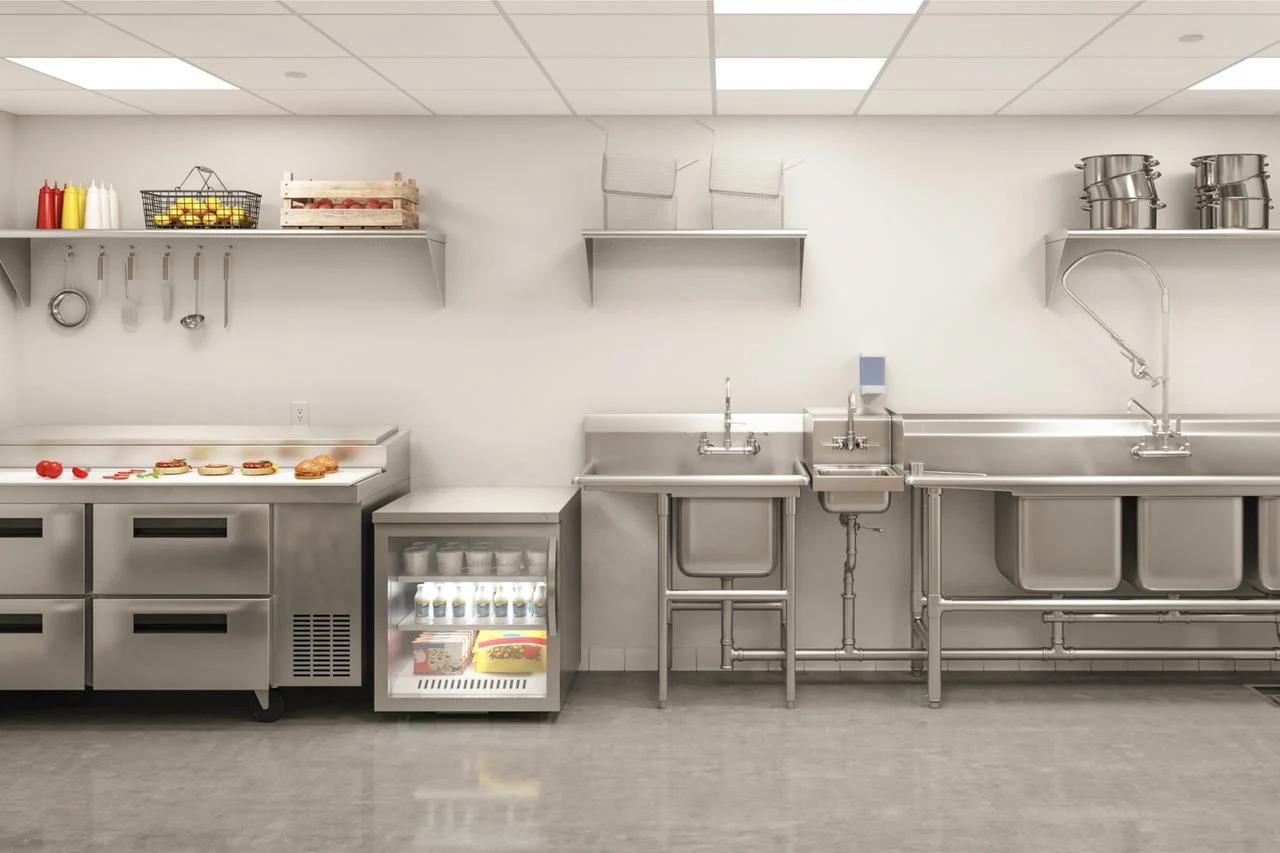
Image Source: cloudkitchens.com
Complete Guide: How To Start A Commissary Kitchen Business
A commissary kitchen is a shared space for food businesses. It provides a licensed, commercial facility where food entrepreneurs can prepare, cook, and store food legally. Food trucks, caterers, bakers, and packaged food makers often use them. The health department checks and approves these kitchens. This ensures food is made safely for everyone.
Starting a commissary kitchen can be a great business idea. Many small food businesses need a proper place to work. They cannot use their home kitchen for business. A commissary kitchen offers them a professional space without the high cost of building their own.
Comprehending the Commissary Kitchen Idea
Think of a commissary kitchen as a gym for food businesses. Members pay a fee to use the equipment and space. They share the facility but run their own separate businesses within it.
This kind of kitchen fills a big need. New food businesses often start small. Buying or renting their own full kitchen is too expensive. A shared kitchen lets them grow while following all the rules.
Grasping the Shared Kitchen Business Model
The basic idea is simple: You provide a licensed, well-equipped kitchen space. You rent this space to multiple food businesses.
Common ways to charge include:
- Hourly Rates: Businesses pay for the time they spend in the kitchen. This works well for those needing the space only a few hours a week.
- Monthly Memberships: Businesses pay a set fee each month. This might give them a certain number of hours or unlimited access during off-peak times.
- Combination: A mix of a base monthly fee plus an hourly rate for extra time.
You might also charge extra for things like storage space (dry, refrigerated, freezer) or using special equipment.
Crafting Your Commissary Kitchen Business Plan
Starting any business needs a clear plan. A commissary kitchen business plan helps you think through everything. It guides your steps. It also shows others, like banks or investors, that you have a solid idea.
Key Parts of Your Plan
Your plan should cover these important areas:
- Summary: A short overview of your business idea. What is your kitchen? Who will use it? How will it make money?
- Company Description: More details about your business. What is its name? What makes it special? What are its goals?
- Market Analysis: Who needs your kitchen? Food trucks, caterers, bakers, packaged food companies? How many are in your area? What do they need? Who are your competitors (other commissary kitchens)?
- Services: What will you offer? Kitchen time? Storage? Maybe business classes or help with permits?
- Marketing and Sales: How will you find customers? How will you get them to sign up?
- Management Team: Who will run the kitchen? What is their experience?
- Operations: How will the kitchen run day-to-day? Scheduling, cleaning, rules for users.
- Financial Plan: How much money do you need to start? How much will you spend each month? How much money do you expect to make? When will you make a profit? This is a crucial part for showing if your idea is possible. (LSI: Commissary kitchen startup costs will be detailed here).
- Appendix: Extra documents like resumes, permits, market research data.
Having a strong commissary kitchen business plan is your roadmap to success. It forces you to think about challenges and how to overcome them.
Interpreting the Rules: Licensing and Regulations
Opening a commissary kitchen means following many rules. These rules are there to make sure food is safe. They protect both the people using your kitchen and the public who eat the food made there. (LSI: Shared kitchen regulations are a key part of this).
Commercial Kitchen Licensing and Permits
You will need permits and licenses from different government groups. (LSI: Commercial kitchen permits and Commercial kitchen licensing cover these).
These often include:
- Business License: A general license to run a business in your city or state.
- Health Department Permit: This is the most important one for a kitchen. The local health department will inspect your space. They check if it meets all food safety rules. (LSI: Health department commissary kitchen).
- Building Permits: If you change the building, you will need permits from the building department. This ensures the work is safe and meets codes.
- Fire Department Permit: The fire department will check for fire safety. This includes exits, fire extinguishers, and ventilation systems.
- Zoning Approval: You need to make sure your chosen location allows a commercial kitchen business.
Applying for these can take time. It is best to start early. Talk to your local health department first. They can tell you exactly what is required in your area. Rules vary by city, county, and state.
Specific Shared Kitchen Regulations
Commissary kitchens have extra rules because they are shared. Regulations often cover:
- Scheduling: How you keep track of who is using the kitchen when.
- Cleaning: Clear rules on cleaning between users and deep cleaning schedules.
- Storage: How different businesses store their food and supplies separately and safely.
- Waste Disposal: Proper ways to get rid of grease and trash.
- Record Keeping: You might need to keep logs of who used the kitchen and when.
Your health department will guide you on specific shared kitchen regulations you must follow. Making sure all your users also follow these rules is part of your job as the kitchen owner.
Food Truck Commissary Requirements
Food trucks have specific legal needs. In most places, a food truck cannot just operate out of someone’s driveway. They must have a link to a licensed commercial kitchen. This is where a commissary comes in. (LSI: Food truck commissary requirements are a major reason people start these businesses).
A commissary provides food trucks a place to:
- Get fresh water and dump greywater.
- Dispose of grease and trash properly.
- Clean their truck and equipment.
- Store food and supplies legally.
- Prepare some food if needed (though much prep happens on the truck).
You must meet the specific needs of food trucks to attract them as clients. Your facility needs hookups for water and easy waste disposal.
Finding and Setting Up Your Space
Choosing the right location and setting it up correctly is key. The space must be suitable for commercial food preparation.
Picking the Right Spot
Look for a place that:
- Has the right zoning for a commercial kitchen.
- Is easy for users to get to, especially for food trucks (good access, parking).
- Has enough space for kitchen areas, storage, and maybe office space.
- Has or can get the right utilities (strong electricity, gas lines, water pressure, drainage).
An old restaurant or a vacant space in a light industrial area might work well.
Laying Out the Kitchen
The layout should be efficient and meet health codes. Think about the flow of food from receiving to preparation, cooking, packaging, and storage.
You will need separate areas for:
- Receiving ingredients.
- Dry storage.
- Refrigerated and freezer storage.
- Food preparation (with sinks).
- Cooking area.
- Baking area (if offered).
- Warewashing (dishwashing) area with a 3-compartment sink and a handwashing sink.
- Restrooms for staff/users.
- Maybe a separate area for food truck needs (water, waste).
Ensure floors and walls are made of easy-to-clean, food-safe materials. There must be enough ventilation.
Equipping Your Commissary Kitchen
Having the right tools is vital for a working commercial kitchen. (LSI: Equipment for commissary kitchen is a big part of your startup cost).
Essential Kitchen Gear
You will need a range of standard commercial kitchen equipment. The exact list depends on the types of businesses you expect to serve.
Basic equipment usually includes:
- Cooking Equipment: Commercial ranges (stoves), ovens (convection, deck), griddle, fryer (maybe).
- Refrigeration: Walk-in coolers and freezers are best. Reach-in units are also needed.
- Sinks: A 3-compartment sink for washing, rinsing, and sanitizing dishes and equipment. Separate handwashing sinks in prep areas and restrooms. Prep sinks for washing food.
- Prep Tables: Stainless steel tables for preparing food.
- Mixers: Commercial stand mixers for baking or other needs.
- Ventilation Hoods: Over all cooking equipment to remove smoke, grease, and heat.
- Storage Shelving: For dry goods, equipment, and cleaned items.
- Cleaning Supplies & Equipment: Dishwashers (commercial), mops, buckets, sanitizers.
- Safety Equipment: Fire extinguishers, first aid kit.
Buying used equipment can save money but check its condition carefully. Leasing equipment is another option to lower upfront costs.
Calculating Commissary Kitchen Startup Costs
Starting a commissary kitchen needs a significant amount of money at the start. (LSI: Commissary kitchen startup costs can be high).
These costs fall into several buckets:
- Location Costs: Rent deposit, renovations to meet health codes and your needs, utility hookups.
- Permitting & Legal Fees: Business registration, permit applications, lawyer fees for contracts/leases.
- Equipment Costs: Buying or leasing all the necessary kitchen gear. This is often the biggest expense.
- Initial Inventory: Cleaning supplies, paper goods, basic shared ingredients (salt, oil, etc. – though users usually bring their own).
- Marketing: Costs to advertise your kitchen to potential users.
- Working Capital: Money to cover rent, utilities, and other bills before you have enough users paying fees.
Let’s look at potential costs more closely.
Breakdown of Potential Costs (Example)
| Category | Example Cost Range | Notes |
|---|---|---|
| Renovations | $50,000 – $250,000+ | Depends on condition of space & requirements |
| Equipment | $75,000 – $300,000+ | New vs. Used, size, type |
| Permits/Licenses | $1,000 – $10,000+ | Varies greatly by location |
| Rent Deposit | 1-3 months rent | Depends on location |
| Utilities Setup | $500 – $5,000+ | Connecting gas, electric, water |
| Legal/Consultants | $2,000 – $15,000+ | Help with contracts, health code planning |
| Initial Supplies | $1,000 – $5,000 | Cleaning, soap, paper towels |
| Working Capital | $10,000 – $50,000+ | Cover 3-6 months of bills before profit |
| Marketing Launch | $1,000 – $5,000 | Website, ads, flyers |
| Total Estimate | $140,000 – $640,000+ | This is a wide range, plan carefully! |
These are just examples. Your actual costs will depend on many things. Get quotes for renovations and equipment. Talk to your local authorities about permit fees.
You might need a loan, investors, or personal savings to cover these startup costs.
Running the Kitchen: Operations and Management
Once your kitchen is ready, you need good systems to run it smoothly.
Setting Up Rules and Agreements
You need clear rules for everyone using the kitchen. This should be in a written agreement or contract.
The agreement should cover:
- Rental rates and payment terms.
- Booking and scheduling procedures.
- Cleaning requirements and who pays for shared cleaning services.
- Rules for storage (labeling, how long items can stay).
- Waste disposal rules.
- Equipment use rules and who pays for damage.
- Food safety rules (certifications needed, hygiene).
- Insurance requirements for the users (they should have liability insurance).
- Access times and security.
Clear rules help prevent problems and keep the kitchen safe and clean for everyone.
Scheduling Kitchen Time
Managing the schedule is very important. You need a system to avoid double-booking and ensure everyone gets the time they need. Online scheduling tools can be very helpful here.
Consider peak times (weekends, holidays). You might charge more during these times. Offer discounts for off-peak hours to spread out usage.
Fathoming Food Safety Commissary Kitchen Standards
Food safety is not just a rule to follow; it is the most important part of running a commissary kitchen. (LSI: Food safety commissary kitchen). If one user has bad practices, it can affect everyone and your business’s reputation.
You must:
- Meet Health Code Standards: Your kitchen must pass health inspections regularly.
- Enforce User Compliance: Make sure every user follows food safety rules. Require them to have food handler permits or manager certifications if your local rules demand it.
- Maintain Shared Areas: Keep floors, walls, sinks, and shared equipment clean.
- Provide Cleaning Supplies: Have proper sanitizers available.
- Monitor Temperatures: Ensure fridges, freezers, and hot-holding equipment work correctly.
- Pest Control: Have a regular service to prevent pests.
- Educate Users: Provide clear guidelines on hygiene, cross-contamination prevention, and temperature control.
Your commitment to food safety protects your users, their customers, and your business. Regular inspections (both by the health department and yourself) are needed.
Attracting and Keeping Clients
Finding businesses to use your kitchen is key to making money.
Marketing Your Commissary
Think about where your potential clients are.
- Online: Create a simple website listing your services, equipment, pricing, and contact info. Use social media. List your kitchen in online directories for food businesses.
- Local Connections: Visit farmer’s markets, food truck rallies, and local food events. Talk to business owners.
- Partnering: Connect with local food business support groups, small business centers, or culinary schools.
- Offer Tours: Let potential clients see the kitchen space.
- Highlight Benefits: Emphasize the lower cost compared to their own kitchen, the professional environment, and meeting legal requirements (especially for food trucks).
Serving Specific Client Needs
Tailor your pitch to different types of users:
- Food Trucks: Stress meeting food truck commissary requirements, easy access, and waste disposal facilities.
- Caterers: Highlight space for large prep jobs and access during flexible hours.
- Bakers: Show off oven space, mixers, and temperature-controlled storage.
- Packaged Food Makers: Emphasize separate areas for packaging and storage, meeting production volume needs.
Understanding what each type of business needs will help you attract them.
Growing Your Business
Once running, think about how to grow.
- Add Services: Offer storage cages, dry storage shelves, or even office space for rent. Could you offer business classes, help with marketing, or bulk buying discounts?
- Expand Hours or Space: If demand is high, could you add more shifts or even open another location?
- Build a Community: Create a network among your users. They can share ideas, help each other, and maybe even collaborate. This makes your kitchen more valuable than just a space.
- Gather Feedback: Ask your users what works and what doesn’t. Improve your services based on their needs.
Financial Matters: Costs and Income
Beyond startup costs, you have ongoing bills.
Ongoing Expenses
Monthly or regular costs include:
- Rent: Your biggest regular cost.
- Utilities: Electricity, gas, water, internet, trash, recycling, grease trap service. These can vary a lot based on usage.
- Insurance: Liability insurance for your business.
- Staff: If you hire managers, cleaners, or administrative help.
- Maintenance: Repairs for equipment or the building.
- Supplies: Restocking cleaning supplies, paper towels, soap.
- Marketing: Ongoing efforts to find new clients.
- Permit Renewals: Some permits need yearly renewal fees.
Careful budgeting is needed to cover these costs.
Income Streams
Your main income comes from renting kitchen time and space.
- Kitchen Time Fees: Hourly or monthly charges for using the main kitchen areas.
- Storage Fees: Extra charges for dedicated storage space (dry, fridge, freezer).
- Other Fees: Maybe cleaning fees if users don’t clean properly, or fees for specific services.
Set your prices carefully. Research what other commissary kitchens in your area charge. Make sure your prices cover your costs and allow for profit, while still being affordable for small businesses.
Deciphering Deeper Legal and Regulatory Details
While we touched on permits, it’s worth looking a bit deeper into the regulatory world.
Working with the Health Department
Your local health department is not just there to give permits and inspect. They can be a resource.
- Talk to them before you finalize your space or renovations. They can tell you their specific requirements. This can save you costly mistakes.
- Ask about required certifications for you and your users (e.g., ServSafe Manager).
- Understand their inspection process. What do they check? How often? Knowing this helps you stay ready.
Meeting the standards set by the health department commissary kitchen rules is fundamental to your operation’s legality and safety.
State vs. Local Rules
Shared kitchen regulations can differ significantly.
- State Level: May set broad rules for food establishments, worker training, and licensing types.
- Local Level (City/County): Often have specific rules about zoning, building codes, fire safety, and how the health code is enforced locally.
Always check with both state and local authorities. Don’t assume rules are the same everywhere. Commercial kitchen permits and licensing are issued at these levels.
User Agreements and Liability
Your contract with kitchen users is crucial. It defines the rules and helps protect you legally.
- It should clearly state that users are running their own businesses. They are not your employees.
- Require users to have their own business insurance. This protects you if something goes wrong with their food or operations.
- Define liability: Who is responsible if equipment breaks? Who is responsible if a user causes a fire or a foodborne illness outbreak?
Getting legal help to draft this agreement is a wise investment.
FAQs about Starting a Commissary Kitchen
Here are common questions people ask about starting this type of business.
How much does it cost to start a commissary kitchen?
Startup costs vary a lot. They can range from $150,000 to $600,000 or even more. This depends on the size, condition of the building, location, and whether you buy new or used equipment.
How long does it take to get permits?
Getting all the necessary permits can take several months, sometimes 6 months or longer. It depends on your local government’s speed and how complex your renovations are. Start the process early.
What kinds of businesses use commissary kitchens?
Common users are food trucks, catering companies, bakers, pastry chefs, packaged food producers (sauces, snacks), meal delivery services, and sometimes pop-up restaurants.
Do I need food safety certification to run a commissary kitchen?
Yes, you or a manager should have a certified food manager license (like ServSafe Manager). Many local health departments require this for the person in charge of a commercial kitchen.
Can I cook my own food business out of my commissary kitchen?
Yes, many commissary kitchen owners also run their own food business (like catering or packaged goods) out of the space. Just make sure you follow the same rules and scheduling as other users.
How do I find clients?
Market directly to food trucks and local food businesses. Use online listings, social media, local food events, and partner with related business groups. Offer tours of your facility.
Is a commissary kitchen profitable?
Yes, it can be profitable. Success depends on having enough paying users, managing costs well, and setting competitive but profitable rates for kitchen time and storage. It takes time to build up to full capacity.
Conclusion
Starting a commissary kitchen is a big project. It needs careful planning, money, and hard work. But it can be a very rewarding business. You provide a vital service to many small food entrepreneurs.
By creating a solid commissary kitchen business plan, understanding shared kitchen regulations, getting the right commercial kitchen permits and licensing, figuring out food truck commissary requirements, knowing your commissary kitchen startup costs, equipping your space properly, and making food safety commissary kitchen standards your top priority, you build a strong foundation.
You help others start and grow their food dreams. And you build a valuable business for yourself. It takes dedication, but with the right steps, you can open a successful and thriving commissary kitchen.