Can you restain a kitchen table? Yes, you absolutely can restain a kitchen table, and it’s a fantastic way to give an old or worn-out piece a whole new life. This guide will walk you through the entire process of kitchen table refinishing, from preparation to the final protective coat, transforming your dated piece into a beautiful focal point for your dining space. Whether you’re looking for a dramatic kitchen table makeover or simply want to refresh its current appearance, learning how to restain kitchen table is an achievable DIY project that yields rewarding results.
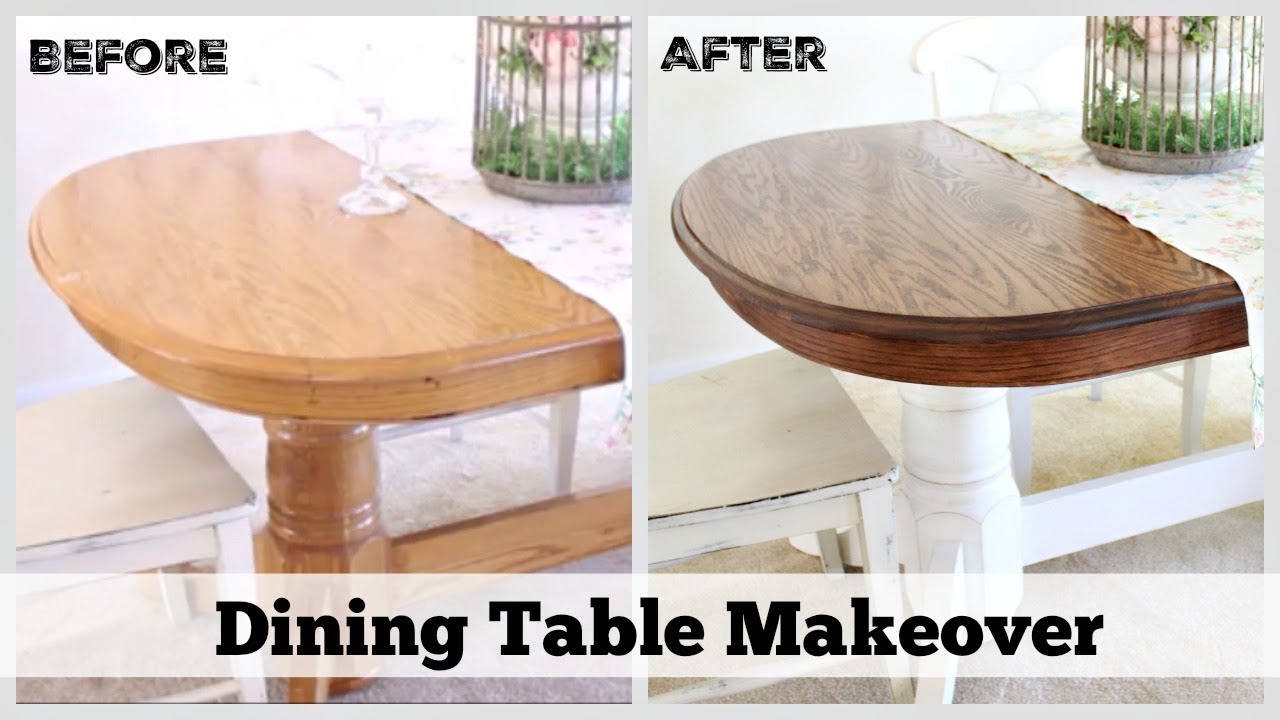
Image Source: i.ytimg.com
Reviving Your Dining Table: The Essential Steps
Restoring an old piece of furniture can feel daunting, but by breaking it down into manageable steps, you can achieve professional-looking results. This process is essentially about wood table refinishing, bringing back its natural beauty and protecting it for years to come. We’ll cover everything you need to know to tackle this project with confidence.
Gathering Your Supplies: What You’ll Need
Before you begin, ensure you have all the necessary materials. This will make the process smoother and prevent interruptions.
- Safety Gear:
- Safety glasses or goggles
- Chemical-resistant gloves
- Respirator mask (especially important for stripping and staining)
- Old clothes
- Preparation & Stripping:
- Sanding block or electric sander (orbital sander is recommended for larger surfaces)
- Sandpaper in various grits (e.g., 80, 120, 180, 220)
- Chemical paint/varnish stripper (if needed)
- Scrapers (plastic and metal)
- Mineral spirits or denatured alcohol (for cleaning)
- Tack cloths
- Drop cloths or old newspapers
- Staining & Finishing:
- Best wood stain for tables (consider your desired color and wood type)
- High-quality brushes or foam applicators for staining
- Clean, lint-free rags for wiping off excess stain
- Wood conditioner (optional, but recommended for even stain absorption)
- Polyurethane finish for tables (oil-based or water-based, depending on preference and durability needs)
- High-quality brushes or foam applicators for polyurethane
- Fine-grit sandpaper (220-320 grit) for between coats of polyurethane
Prepping Your Workspace: Setting the Stage for Success
A clean, well-ventilated workspace is crucial for both safety and the quality of your finish.
- Ventilation is Key: Always work in a well-ventilated area, such as an open garage, a covered patio, or outdoors. Open doors and windows to allow fresh air to circulate.
- Protect Your Surroundings: Lay down drop cloths or old newspapers to protect your floor and any nearby furniture from dust, paint stripper, and stain.
- Clear the Area: Remove all items from the table and the immediate workspace.
Step-by-Step Guide to Kitchen Table Refinishing
Now, let’s dive into the actual DIY table refinishing process. Patience and attention to detail are your best friends here.
Step 1: Assessing the Table’s Condition
Before you do anything, take a close look at your table.
- Identify the Finish: Is it paint, varnish, lacquer, or oil? This will determine the best stripping method.
- Check for Damage: Look for deep scratches, gouges, loose joints, or veneer issues. Small imperfections can often be filled and sanded smooth. Loose joints might need wood glue and clamps to repair before refinishing.
- Clean the Surface: Give the table a good cleaning with a mild soap and water solution. Rinse and let it dry completely.
Step 2: Stripping Away the Old Finish
If your table has a thick layer of old paint or varnish, you’ll need to strip it. This is often the most labor-intensive part of dining table restoration.
- Using Chemical Strippers:
- Apply Generously: Wearing your protective gear, apply a thick, even coat of chemical stripper to a small section of the table using a disposable brush. Work in one direction.
- Let it Work: Allow the stripper to sit for the time recommended by the manufacturer. You’ll see the old finish bubble and soften.
- Scrape Gently: Use a scraper (plastic for delicate surfaces, metal for tougher jobs) to gently lift the softened finish. Work with the grain of the wood.
- Repeat as Needed: For stubborn areas, you may need to apply a second coat of stripper or use finer scraping tools.
- Clean with Mineral Spirits: Once the bulk of the finish is removed, use a rag dampened with mineral spirits or denatured alcohol to wipe away any remaining residue. This also helps neutralize the stripper.
- Sanding as a Stripping Method: If the finish is thin or you prefer not to use chemicals, sanding can remove the old finish. This is essentially how to strip and stain a table using mechanical means.
- Start with Coarse Grit: Begin with 80-grit sandpaper. Sand in the direction of the wood grain.
- Gradually Increase Grit: Move to 120-grit, then 180-grit sandpaper. Each grit removes the scratches left by the previous one, creating a smoother surface.
- Use a Dust Mask: Sanding creates a lot of dust, so wearing a dust mask is essential.
Step 3: Sanding for a Smooth Surface
Even after stripping, you’ll need to sand the table to create a perfectly smooth surface for the new stain. This is a critical step in wood table refinishing.
- Sanding Kitchen Table:
- Start with Medium Grit: Begin with 120-grit sandpaper. If you used a chemical stripper and cleaned it well, you might be able to start here. If you sanded to strip, you might start with 180-grit.
- Progress to Finer Grits: Sand the entire table, working with the wood grain. Move up to 180-grit, and then finish with 220-grit sandpaper. This progressive sanding ensures a smooth, even surface that will accept stain beautifully.
- Don’t Forget Edges and Details: Pay attention to edges, legs, and any carved details. Use a sanding block for flat surfaces and sanding sponges or detailed sandpaper for curves and corners.
- Clean Thoroughly: After sanding, wipe down the entire table with a clean cloth or shop vacuum to remove all dust. Then, use a tack cloth to pick up any remaining fine particles. A clean surface is vital for an even stain application.
Step 4: Applying Wood Conditioner (Optional but Recommended)
Wood conditioner helps to ensure that the stain penetrates evenly, especially on hardwoods or areas with varying grain patterns.
- Purpose: It seals the wood pores, preventing blotchiness.
- Application: Apply a thin, even coat of wood conditioner with a brush. Let it penetrate for the time recommended by the manufacturer (usually 5-15 minutes). Wipe off any excess with a clean rag.
Step 5: Staining Your Kitchen Table
This is where your kitchen table makeover starts to take shape! Choosing the best wood stain for tables depends on your desired look and the type of wood.
- Choosing Your Stain:
- Oil-Based Stains: Penetrate deep into the wood, offering rich color and good durability. They typically require longer drying times and can be applied with brushes or rags.
- Water-Based Stains: Dry faster, have lower VOCs (Volatile Organic Compounds), and are easier to clean up. They may not penetrate as deeply as oil-based stains, but modern formulations offer excellent results.
- Gel Stains: Sit on top of the wood surface, making them ideal for surfaces that are difficult to sand or for achieving a more opaque, painted-on look. They are very forgiving and great for DIYers.
- Application Techniques:
- Stir, Don’t Shake: Thoroughly stir the stain, but avoid shaking, as this can introduce air bubbles.
- Apply Stain: Using a high-quality brush or a clean, lint-free rag, apply the stain evenly in the direction of the wood grain. Work in small sections to prevent the stain from drying too quickly.
- Wipe Off Excess: After letting the stain penetrate for the time recommended by the manufacturer (usually 5-15 minutes, depending on the desired color depth), wipe off the excess stain with a clean, dry rag. Wipe with the grain. The longer you leave the stain on, the darker the color will be.
- Second Coat (Optional): For a deeper color, you can apply a second coat of stain after the first coat has dried completely. Repeat the application and wiping process.
- Drying Time: Allow the stain to dry thoroughly according to the manufacturer’s instructions. This can range from a few hours to 24 hours or more. Proper drying is crucial before applying the topcoat.
Step 6: Applying the Protective Topcoat
The topcoat is essential for protecting your newly stained table from spills, scratches, and daily wear and tear. A good polyurethane finish for tables will make your restoration last.
- Types of Polyurethane:
- Oil-Based Polyurethane: Offers excellent durability and a warm, amber tone that deepens over time. It’s tougher and more resistant to chemicals but has stronger odors and longer drying times.
- Water-Based Polyurethane: Dries clear, is less prone to yellowing, and has low VOCs. It dries quickly and is easy to clean up with water, but it’s generally not as durable as oil-based polyurethane. For a kitchen table, which sees a lot of use, oil-based might be preferred for its toughness, but modern water-based finishes are very good.
- Polyacrylic: Similar to water-based polyurethane, offering a clear, durable finish with easy cleanup.
- Application:
- Light Sanding Between Coats: After the stain is completely dry, lightly sand the entire table with 220-grit or 320-grit sandpaper. This removes any raised grain and provides a better surface for the next coat to adhere to. Wipe away dust with a tack cloth.
- Apply Thin Coats: Apply thin, even coats of polyurethane using a high-quality brush or foam applicator. Work in the direction of the wood grain. Avoid over-brushing, as this can create bubbles.
- Allow Drying: Let each coat dry completely according to the manufacturer’s instructions. Drying times can vary significantly between oil-based and water-based products.
- Sand and Reapply: For a durable, smooth finish, apply at least three coats of polyurethane. Lightly sand with very fine-grit sandpaper (220-320 grit) between each coat and wipe with a tack cloth.
- Final Coat Curing: While the polyurethane will be dry to the touch after a few hours, it takes several days to fully cure and harden. Avoid heavy use of the table for at least 7 days, and place protective pads under dishes and coasters.
Troubleshooting Common Issues
Even with careful planning, you might encounter minor problems. Here’s how to address them:
| Problem | Cause | Solution |
|---|---|---|
| Blotchy Stain | Uneven wood porosity, lack of conditioner, or over-application of stain | Apply wood conditioner before staining. Use a gel stain. Wipe off stain quickly and evenly. |
| Streaks or Brush Marks | Poor quality brush, over-brushing, or not enough thinners in the stain | Use high-quality brushes. Apply stain thinly and avoid excessive brushing. Wipe off excess stain promptly. |
| Orange Peel (Poly) | Over-application of polyurethane, too much brushing, or poor ventilation | Apply very thin coats. Use fewer brush strokes. Ensure good ventilation. |
| Dust Specks in Finish | Airborne dust in the workspace or insufficient cleaning | Work in a clean, dust-free environment. Use a tack cloth religiously between coats. |
| Soft or Sticky Finish | Insufficient drying time between coats, or poor quality finish | Allow adequate drying time for each coat. Use a high-quality polyurethane. |
Maintaining Your Refinished Table
Once your dining table restoration is complete, proper care will keep it looking beautiful.
- Clean Spills Immediately: Wipe up any spills with a soft, damp cloth.
- Use Coasters and Placemats: Protect the surface from moisture rings and heat.
- Avoid Harsh Cleaners: Use mild soap and water or specialized wood furniture cleaners.
- Dust Regularly: A soft cloth or feather duster will keep dust at bay.
- Occasional Waxing: Applying a good quality furniture wax every 6-12 months can add an extra layer of protection and enhance the shine.
Frequently Asked Questions About Restaining
Q: What is the best way to strip old paint from a table?
A: Chemical strippers are often the most effective for removing multiple layers of paint or varnish, but always use them in a well-ventilated area with proper safety gear. For thinner finishes or a less toxic approach, sanding is also an option.
Q: Can I stain over an existing finish?
A: While it’s not ideal for a true wood table refinishing, you can sometimes lightly scuff sand an existing finish and apply a gel stain. However, for the best and most durable results, it’s recommended to remove the old finish completely.
Q: How many coats of stain should I apply?
A: This depends on the type of stain and the depth of color you desire. Typically, one or two coats are sufficient. Always allow the stain to dry completely between coats and wipe off any excess.
Q: What’s the difference between stain and polyurethane?
A: Stain adds color to the wood, while polyurethane is a protective clear coat that shields the wood from damage. You need both for a durable and attractive finish.
Q: Can I use a sprayer for polyurethane?
A: Yes, if you have the right equipment and experience. Spraying can provide a very smooth, even finish, but it requires a controlled environment to avoid overspray and dust. Brush or foam roller application is more common for DIYers.
Embarking on a kitchen table makeover by learning how to restain kitchen table is a rewarding journey. With patience, the right tools, and this comprehensive guide, you can transform your worn-out kitchen table into a stunning piece that enhances your home’s aesthetic and stands the test of time. Enjoy the process and the beautiful results of your dining table restoration!