Can you reseal a kitchen sink? Yes, you absolutely can reseal a kitchen sink! It’s a common DIY task that can save you money and prevent water damage.
A leaky kitchen sink can be a real headache. Water seeping from under the sink can damage your cabinets, floors, and even your subfloor. Fortunately, resealing your kitchen sink is a straightforward process that most homeowners can tackle. This guide will walk you through everything you need to know about caulking sink edges to ensure a watertight seal. We’ll cover sealing kitchen sink areas, common issues, and the best materials to use for a lasting kitchen sink repair. Whether you’re dealing with a brand new sink installation or an older unit, this DIY sink sealing guide will help you achieve a professional finish.
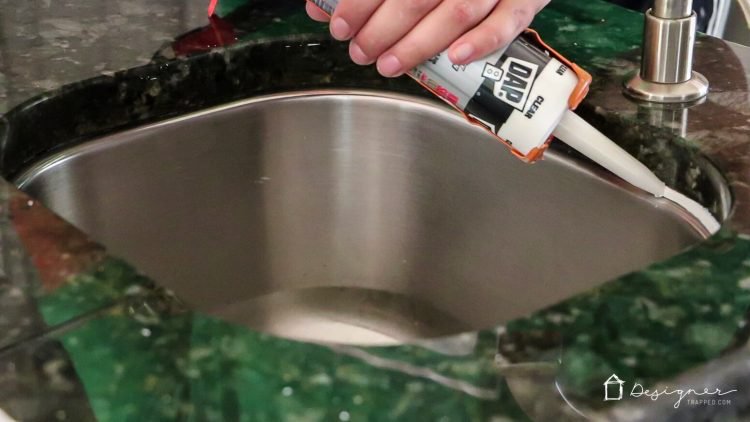
Image Source: www.dap.com
Why Reseal Your Kitchen Sink?
Over time, the sealant around your kitchen sink can degrade. This can happen due to age, harsh cleaning products, or constant exposure to water and temperature changes. When the sealant breaks down, it creates gaps where water can penetrate. This can lead to several problems:
- Water Damage: The most obvious consequence is water leaking onto your countertop and into your cabinets. This can cause wood to warp, rot, and even grow mold.
- Mold and Mildew: Persistent moisture creates a perfect breeding ground for mold and mildew, which can affect air quality and cause health problems.
- Pest Infestations: Damp environments can attract pests like ants and roaches.
- Unsightly Gaps: Cracked or peeling sealant looks unprofessional and detracts from the overall appearance of your kitchen.
- Structural Issues: In severe cases, prolonged water exposure can compromise the integrity of your countertops and cabinetry.
Regularly inspecting and resealing your sink can prevent these issues and keep your kitchen looking and feeling its best. It’s a key part of kitchen sink repair and maintenance.
When to Reseal Your Kitchen Sink
You should consider resealing your kitchen sink if you notice any of the following signs:
- Visible Gaps: Cracks, gaps, or peeling sealant around the edge of the sink.
- Discoloration: The caulk may turn yellow or black, indicating mold or mildew growth.
- Loose Sealant: If you can easily peel away sections of the old caulk.
- Water Under the Sink: Persistent dampness or water stains under the sink basin, especially around the rim.
- After New Countertop Installation: It’s always a good practice to apply fresh sealant after installing new countertops to ensure a tight seal.
- Periodically: Even without visible signs, it’s wise to inspect and potentially reseal your sink every few years. Think of it like replacing worn-out grout in your bathroom.
Just as you might reseal a bathroom sink sealing job, the principles are similar for kitchen sinks.
Choosing the Right Sealant: Silicone Sealant for Sinks
The type of sealant you choose is crucial for a successful and long-lasting seal. For kitchen sinks, silicone sealant for sinks is generally the best option. Here’s why:
- Waterproof: Silicone is highly resistant to water, making it ideal for wet environments like kitchens.
- Flexibility: It remains flexible even after curing, which helps it withstand the expansion and contraction of materials due to temperature changes. This is vital for preventing cracks.
- Durability: Silicone caulk is durable and can last for many years if applied correctly.
- Mold Resistance: Many silicone sealants are formulated with mildewcides to resist mold and mildew growth.
- Adhesion: It adheres well to various surfaces commonly found in kitchens, such as porcelain, stainless steel, laminate, and solid surface materials.
Types of Silicone Sealants:
- 100% Silicone: This is the most durable and waterproof option. It offers excellent flexibility and longevity. However, it can be trickier to work with as it doesn’t adhere as well to paint and can be difficult to paint over.
- Silicone-Acrylic Latex (or Siliconized Acrylic): This is a more user-friendly option. It’s easier to apply, cleans up with water, and can be painted over. While more flexible than pure acrylic, it’s generally less durable and waterproof than 100% silicone.
- Kitchen and Bath Sealants: These are often silicone-based or siliconized acrylics specifically formulated for wet environments and often contain anti-mildew agents. Look for products labeled for kitchens or bathrooms.
Important Note: When choosing, ensure the product is specifically recommended for kitchen sinks or wet areas. Some general-purpose sealants may not offer the necessary water resistance or adhesion.
Materials You’ll Need for DIY Sink Sealing
Gathering the right tools and materials before you start will make the job much smoother.
Essential Tools and Materials:
- Sealant Gun (Caulking Gun): For evenly dispensing the silicone sealant for sinks.
- Sealant/Caulk: Choose a high-quality silicone sealant for sinks or a kitchen/bath specific sealant.
- Utility Knife or Caulk Removal Tool: To remove the old sealant.
- Scraper or Putty Knife: For scraping away stubborn residue.
- Rubbing Alcohol (Isopropyl Alcohol) or Mineral Spirits: For cleaning the surface.
- Clean Rags or Paper Towels: For cleaning and wiping excess caulk.
- Painter’s Tape (Optional but Recommended): For creating clean lines and a professional finish.
- Gloves: To protect your hands.
- Safety Glasses: To protect your eyes from debris.
- Bucket with Water: For cleaning tools if using water-based caulk, or for dampening your finger if working with silicone.
- Sponge or Damp Cloth: For smoothing the caulk bead.
Step-by-Step Guide to Resealing Your Kitchen Sink
Follow these steps carefully for a successful DIY sink sealing project.
Step 1: Remove Old Sealant
This is perhaps the most critical step for ensuring good adhesion of the new sealant.
- Cut the Sealant: Use a sharp utility knife or a specialized caulk removal tool to cut along the old sealant line on both the sink and countertop sides. Be careful not to scratch your countertop or sink.
- Pry Away: Gently pry the old caulk away from the seam. You might need to work it loose in sections.
- Scrape Stubborn Residue: For any remaining caulk, use a scraper or putty knife to carefully remove it. Work slowly and avoid gouging the surfaces.
Tip: If the old caulk is particularly stubborn, some caulk removers can help soften it. Follow the product instructions carefully and ensure good ventilation.
Step 2: Clean the Area Thoroughly
A clean surface is essential for the new sealant to adhere properly.
- Remove Debris: Wipe away any dust or debris from the removed caulk.
- Degrease the Surface: Clean the entire area around the sink seam with rubbing alcohol or mineral spirits. This will remove any grease, soap scum, or adhesive residue that could prevent the new caulk from sticking.
- Dry the Area: Ensure the area is completely dry before proceeding. Use a clean, dry cloth. Any moisture will compromise the adhesion of the new sealant.
Step 3: Prepare for Application (Optional but Recommended)
Using painter’s tape will help you achieve a perfectly straight and neat bead of caulk.
- Apply Painter’s Tape: Apply a strip of high-quality painter’s tape along the edge of the sink and another strip along the edge of the countertop. Leave a gap between the tapes that is slightly wider than the desired caulk bead (usually ¼ to ½ inch). This creates a clean channel for the caulk to sit in.
- Ensure Even Spacing: Make sure the tape is applied smoothly and adheres well to the surface to prevent caulk from seeping underneath.
Step 4: Prepare the Caulk Tube
Properly preparing the caulk tube ensures you can apply the sealant evenly.
- Cut the Tip: Using a utility knife or the cutter on your caulk gun, cut the tip of the caulk tube at a 45-degree angle. Start with a small opening; you can always cut it larger if needed. The size of the opening determines the width of the caulk bead.
- Puncture the Inner Seal: Most caulk tubes have an inner seal. Puncture this seal by inserting a long nail or wire through the nozzle, or by using the puncture tool on your caulk gun.
Step 5: Apply the Sealant
This is where your caulking sink skills come into play!
- Load the Caulk Gun: Pull back the plunger on the caulk gun, insert the caulk tube, and push the plunger forward until it engages with the tube.
- Start Applying: Place the tip of the caulk tube at the beginning of the seam at a 45-degree angle. Apply steady, even pressure to the trigger of the caulk gun.
- Move Steadily: Move the caulk gun slowly and steadily along the seam, maintaining consistent pressure. Aim for a continuous bead of caulk. Try to apply just enough to fill the gap without excessive overflow.
- Work in Sections: It’s often easier to work in manageable sections, especially if you’re new to caulking. Overlap the start and end of each section slightly.
- Release Pressure: When you finish a section or need to stop, release the trigger and press the small lever on the caulk gun to release the pressure and prevent dripping.
Step 6: Smooth the Caulk Bead
Smoothing ensures a professional look and a good seal.
- Use a Wet Finger or Tool: Dip your finger in water (if using silicone) or use a caulk smoothing tool or even a damp sponge. Gently run your finger or the tool along the freshly applied caulk bead. This pushes the caulk into the gap and creates a smooth, concave surface.
- Wipe Away Excess: As you smooth, wipe away any excess caulk that accumulates on your finger or tool with a damp cloth or paper towel.
- Cleanliness is Key: If you used painter’s tape, you can use a damp cloth to wipe away any caulk that might have squeezed onto the tape before removing it.
Step 7: Remove Painter’s Tape (If Used)
Timing is everything when removing painter’s tape.
- Remove Promptly: Remove the painter’s tape while the caulk is still wet but after you’ve smoothed it. Pull the tape away slowly and at an angle, away from the newly applied caulk bead.
- Be Gentle: If you wait too long, the caulk might start to cure and adhere to the tape, which can pull the caulk bead away with it.
Step 8: Clean Up and Cure
The final steps ensure a clean finish and a durable seal.
- Final Wipe Down: Use a damp cloth to wipe away any stray caulk marks or smudges from the countertop or sink.
- Curing Time: Allow the caulk to cure completely according to the manufacturer’s instructions. This can range from a few hours to 24 hours or more. Avoid using the sink or getting the area wet until the caulk is fully cured.
- Ventilation: Ensure good ventilation in the kitchen during the curing process, especially if using silicone-based sealants, which can have strong fumes.
Common Mistakes to Avoid When Resealing a Sink
Even with careful planning, mistakes can happen. Here are some common pitfalls and how to avoid them:
- Not Removing Old Sealant Properly: This is the most common error. New caulk won’t adhere well to old, degraded caulk, leading to premature failure.
- Inadequate Cleaning: Leaving grease, soap scum, or moisture on the surfaces will compromise adhesion.
- Using the Wrong Type of Sealant: Not all sealants are created equal. Using a sealant not designed for wet areas can lead to mold growth or poor adhesion.
- Cutting the Caulk Tube Opening Too Large: This results in a thick bead of caulk that is difficult to control and smooth, and it looks messy.
- Applying Caulk Too Quickly or Unevenly: This leads to an inconsistent bead that may not adequately fill the gap or look unsightly.
- Overworking the Caulk: Trying to smooth the caulk multiple times can disturb the surface and prevent a smooth finish.
- Not Letting Caulk Cure: Using the sink before the caulk is fully cured can break the seal before it has a chance to harden properly.
- Forgetting Painter’s Tape: While not strictly necessary, it significantly improves the aesthetic result, especially for beginners.
How to Reseal a Stainless Steel Sink
The process for resealing a stainless steel sink is identical to resealing any other type of kitchen sink. The key considerations for stainless steel are:
- Avoid Abrasives: When removing old caulk, be careful not to scratch the stainless steel surface. Use plastic scrapers or blades designed not to scratch.
- Cleaning: Rubbing alcohol is excellent for cleaning stainless steel as it won’t leave streaks and effectively removes residues.
- Adhesion: Ensure the stainless steel is completely dry and free of any oils or residues for optimal adhesion of the silicone sealant for sinks.
How to Reseal a Composite Granite Sink
Composite granite sinks are durable but can be porous if not properly sealed by the manufacturer. When resealing the edge:
- Surface Prep: The cleaning and removal of old caulk are the same. Rubbing alcohol is a good choice for cleaning composite materials.
- Sealant Choice: A high-quality silicone sealant for sinks or a kitchen-specific sealant is ideal. Ensure it’s compatible with composite materials.
- Application: Follow the standard application and smoothing steps.
How to Reseal a Farmhouse Sink (Apron Sink)
Farmhouse sinks, with their exposed fronts, require the same sealing techniques around the countertop edge. The main difference is often the material of the sink itself (e.g., ceramic, fireclay).
- Material Compatibility: Always check that your chosen silicone sealant for sinks is compatible with the sink material and your countertop material.
- Aesthetics: For a farmhouse sink, a clean, crisp caulk line is particularly important as the sink is a prominent feature. Using painter’s tape is highly recommended here for the best aesthetic outcome.
Resealing vs. Replacing Sink Sealant
Replacing sink sealant is essentially what we’ve described in this guide. You are removing the old sealant and applying new sealant. The term “resealing” implies that the original seal has failed or is failing and needs to be renewed. The process remains the same: removal, preparation, and reapplication. This is a fundamental aspect of kitchen sink repair.
Troubleshooting Common Caulking Issues
| Problem | Cause | Solution |
|---|---|---|
| Caulk won’t adhere | Surface not clean or dry; old caulk not fully removed. | Re-clean the area with alcohol. Ensure all old caulk is gone. Allow to dry thoroughly. |
| Uneven caulk bead | Inconsistent pressure on caulk gun; opening too large. | Practice on scrap material. Start with a smaller opening and increase if needed. Apply steady, even pressure. |
| Messy caulk lines | No painter’s tape used; caulk smudged during smoothing. | Use painter’s tape for a clean edge. Smooth caulk carefully with a wet finger or tool and wipe excess immediately with a damp cloth. |
| Caulk pulls away | Removed tape too late; caulk not cured. | Remove tape immediately after smoothing while caulk is wet. Wait for caulk to cure fully before subjecting it to stress or water. |
| Caulk cracks/shrinks | Caulk dried too quickly; air trapped during application. | Apply in cooler temperatures. Apply a steady, continuous bead without forcing air into the seam. Smooth gently to avoid trapping air. |
| Mold/mildew on caulk | Using a sealant without mildewcides; poor ventilation. | Use a mold-resistant silicone sealant for sinks designed for kitchens and bathrooms. Ensure adequate ventilation in the kitchen and after use. |
How Often Should You Reseal a Kitchen Sink?
The frequency with which you need to reseal your kitchen sink depends on several factors:
- Sealant Quality: High-quality silicone sealant for sinks will last longer than cheaper alternatives.
- Usage: A heavily used sink will experience more wear and tear.
- Cleaning Habits: Harsh cleaning chemicals can degrade caulk faster.
- Environmental Factors: Constant exposure to moisture and extreme temperature fluctuations can shorten the lifespan of the sealant.
As a general rule, you should inspect your sink’s sealant every 6-12 months. You might need to reseal every 2-5 years, or sooner if you notice any signs of degradation. Think of it as part of regular home maintenance, similar to sink installation checks or routine plumbing upkeep.
Frequently Asked Questions (FAQ)
Q1: What is the best caulk to use for a kitchen sink?
A1: The best caulk to use for a kitchen sink is a 100% silicone sealant for sinks or a high-quality kitchen and bath sealant that is mold and mildew resistant and waterproof.
Q2: Can I paint over silicone caulk?
A2: It is very difficult to paint over 100% silicone caulk. It tends to repel paint, causing it to peel or bubble. Siliconized acrylic or latex caulks are generally paintable. If you need a painted finish, choose a paintable caulk and apply it over a properly prepped surface.
Q3: How long does caulk need to cure before I can use the sink?
A3: Most silicone sealant for sinks needs at least 12-24 hours to cure fully before it can be exposed to water or used. Always check the product’s label for specific curing times.
Q4: What’s the difference between caulk and sealant?
A4: While the terms are often used interchangeably, “sealant” generally refers to a more flexible, durable, and waterproof material, often silicone-based, which is ideal for areas exposed to water like kitchens and bathrooms. “Caulk” can refer to a broader range of materials, including acrylic latex, which are less flexible and waterproof but easier to paint. For sealing kitchen sink edges, a sealant is preferred.
Q5: How do I get a smooth caulk line?
A5: The best way to get a smooth caulk line is to use painter’s tape to create a clean border. Then, apply the caulk evenly and smooth it with a wet finger, a caulk smoothing tool, or a damp sponge immediately after application.
Q6: My old caulk is really hard to remove. What can I do?
A6: If old caulk is stubborn, you can try a dedicated caulk removal tool, which often has a sharp blade. For very tough spots, a plastic scraper or even a razor blade (used carefully to avoid scratching) might be necessary. In some cases, a caulk remover solution can help soften the old material, but always use these in a well-ventilated area and follow product instructions precisely.
Q7: I’m replacing an old faucet. Do I need to reseal the sink?
A7: Yes, if the old sealant around the sink edge looks damaged or if you had to disturb it during the faucet replacement, it’s a good idea to reseal. Even if it looks okay, it’s a good opportunity to ensure a fresh, watertight seal, especially after completing a sink installation or repair.
By following these detailed steps and tips, you can effectively reseal your kitchen sink, preventing leaks and maintaining the integrity and appearance of your kitchen. This simple DIY sink sealing task is a valuable skill for any homeowner.