Can you fix a kitchen sink drain leak yourself? Absolutely! Most common sink leaks can be repaired with basic tools and a little know-how, saving you a plumber’s bill.
A leaky drain pipe under your kitchen sink is a common annoyance. Water pooling on the floor, the musty smell, or even the drip, drip, drip can be enough to make you want to tackle it head-on. Fortunately, you don’t always need a professional for these types of kitchen sink plumbing issues. This guide will walk you through identifying and fixing those bothersome leaks, turning a potentially messy problem into a simple DIY sink repair.
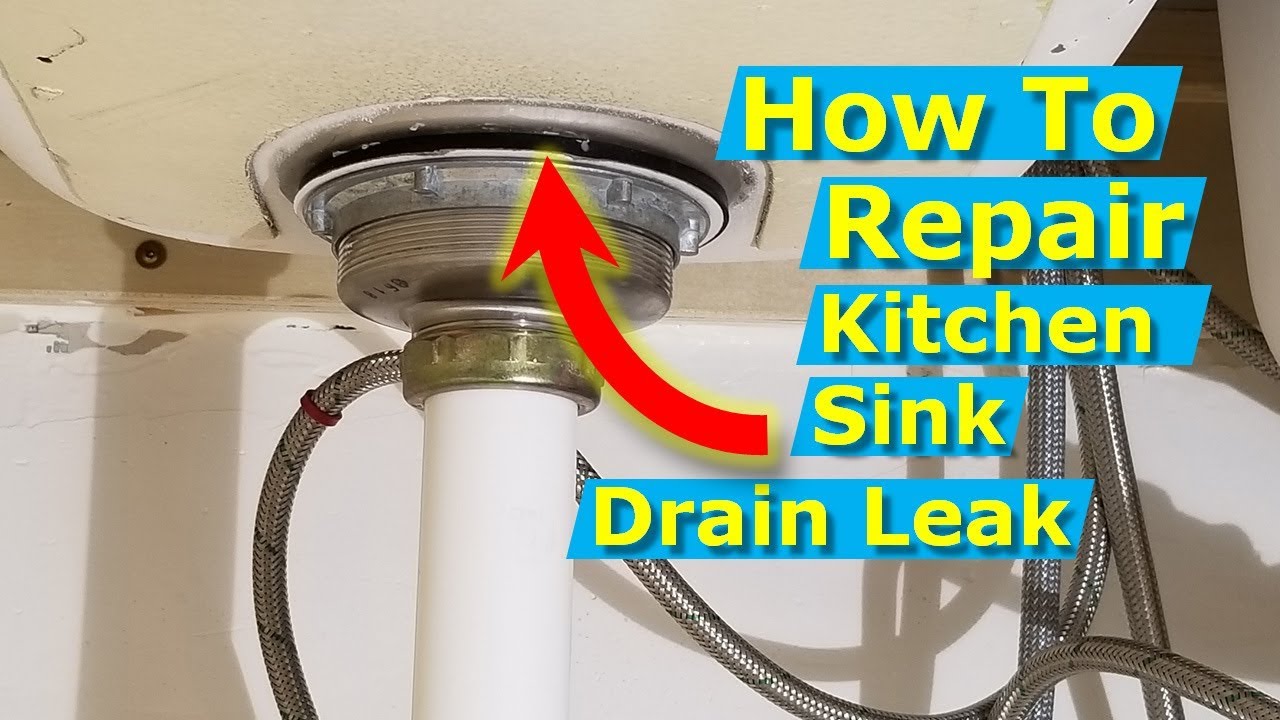
Image Source: i.ytimg.com
Pinpointing the Source of Your Sink Leak
Before you can fix it, you need to know where the water is coming from. Leaky drain pipe issues can arise from several places in your kitchen sink plumbing. Take a deep breath and get ready to do a little detective work.
Common Sink Leaks to Watch For
- Loose Connections: This is the most frequent culprit. Where pipes join together, gaskets or seals can loosen over time, leading to drips.
- Cracked or Damaged Pipes: Plastic pipes can become brittle with age, while metal pipes can corrode, leading to cracks.
- Worn-Out Washers or Gaskets: Every connection in your drain assembly usually has a rubber or plastic washer or gasket to create a watertight seal. These can wear out and crack.
- Improperly Sealed Drain Assembly: The drain assembly itself, where the stopper fits into the sink basin, can leak if the sealant around it fails.
- Damaged P-Trap: The P-trap, that U-shaped pipe under your sink, is designed to hold water and prevent sewer gases from entering your home. It’s also a common spot for leaks.
Simple Steps for Leak Detection
- Clear the Area: Remove everything from under your sink. This gives you a clear view and prevents your cleaning supplies from getting soaked.
- Dry Everything Thoroughly: Use old towels or paper towels to dry all the pipes, connections, and the cabinet floor.
- Observe and Feel: Turn on your faucet to a slow trickle and let it run for a few minutes. Watch and feel each joint and pipe section. Does water appear at a specific point?
- Test with Water: If you don’t see a leak immediately, fill your sink with water, then let it drain. The rush of water can often reveal the source of the leak.
- Use Paper Towels: Wrap dry paper towels around various parts of the drain assembly and connections. After a few minutes, check the paper towels for wet spots. This is a great way to pinpoint slow drips.
Essential Plumbing Tools for Drains
You don’t need a professional plumber’s toolkit, but having a few basic plumbing tools for drains will make your DIY sink repair much easier.
Your Basic Toolkit
- Adjustable Wrench (or Basin Wrench): Essential for tightening and loosening nuts on pipes and fittings. A basin wrench is specifically designed for reaching tight spots under the sink.
- Plumber’s Putty or Silicone Sealant: For sealing the drain assembly to the sink.
- Bucket or Container: To catch any residual water when you disconnect pipes.
- Old Towels or Rags: For drying and cleaning up spills.
- Flashlight: To help you see in those dark, hard-to-reach places.
- Replacement Parts: This might include new gaskets, washers, or even a section of pipe depending on the problem.
- Plumber’s Tape (PTFE tape): Useful for sealing threaded pipe connections.
- Gloves: To keep your hands clean and protected.
Tackling Common Sink Leaks: Step-by-Step Guides
Now that you’ve found the leak, let’s get to fixing it. We’ll break down how to repair some of the most common issues.
1. Tightening Loose Connections
This is often the easiest fix. Most leaks from connections happen because the nuts have simply loosened over time due to vibration and water flow.
Steps to Tighten Connections:
- Identify the Loose Fitting: Once you’ve located the leak, you’ll usually see a nut connecting two pipe pieces or connecting a pipe to a fixture.
- Place a Bucket: Put your bucket underneath the connection to catch any drips.
- Tighten the Nut: Using your adjustable wrench, gently turn the nut clockwise to tighten it. Don’t overtighten, as this can crack plastic pipes or strip threads.
- Test for Leaks: Turn on the faucet and let the water run. Check if the drip has stopped. If it’s still leaking slightly, try tightening the nut a little more.
- Check Other Connections: If one connection seems loose, it’s a good idea to check all the other connections in your kitchen sink plumbing to prevent future leaks.
2. How to Fix Sink Trap Leaks (P-Trap Repair)
The P-trap is the most common place for leaks. It’s designed to trap water, which means it also traps debris, and sometimes this debris can interfere with the seals, or the trap itself might be damaged.
Common P-Trap Leak Points:
- Slip Nuts: The large plastic nuts at either end of the P-trap.
- Coupling Nuts: Nuts connecting the P-trap to the tailpiece (the pipe coming down from the sink strainer) or the wall pipe.
- Cracks in the Trap Itself: Less common, but possible, especially with older plastic pipes.
Steps for P-Trap Repair:
- Prepare for Water: Place your bucket directly under the P-trap.
- Loosen Slip Nuts: You’ll see large plastic nuts holding the P-trap in place. Loosen these by hand or with your adjustable wrench, turning them counter-clockwise. Water will likely drain into the bucket.
- Inspect the P-Trap and Washers:
- Carefully slide the P-trap out.
- Examine the plastic or metal P-trap for any cracks or damage. If it’s cracked, you’ll need to replace the entire P-trap.
- Look at the rubber or plastic washers inside the slip nuts. Are they cracked, deformed, or missing? This is a very common cause of leaky drain pipe issues.
- Replace Worn Washers: If the washers look bad, carefully remove the old ones. Take them to a hardware store to find exact replacements.
- Clean and Reassemble:
- Clean the threads on the pipes and the inside of the nuts.
- Slide the new (or cleaned) washers onto the pipes. Ensure they are seated correctly.
- Slide the P-trap back into place, aligning the pipes.
- Hand-tighten the slip nuts. Then, use your wrench to snug them up a quarter turn. Do not overtighten.
- Test Your Work: Run water into the sink and check for leaks at all connections. If it’s still leaking, try tightening the nuts a little more, or re-check the placement of the washers.
3. Replacing the Sink Gasket (Drain Assembly Leaks)
Sometimes the leak isn’t in the pipes themselves but where the drain pipe assembly connects to the sink basin. The gasket or sealant here can fail.
Symptoms of a Failing Sink Gasket:
- Water leaking from the underside of the sink where the drain pipe meets the sink bowl.
- Often noticed when filling and draining the sink.
Steps to Replace the Sink Gasket:
- Access the Drain Assembly: You’ll need to get underneath the sink and locate the large nut holding the drain assembly to the underside of the sink.
- Disconnect the Drain Pipe: Loosen and remove the slip nuts connecting the tailpiece (the pipe directly below the sink strainer) to the P-trap. Let any water drain into your bucket.
- Unscrew the Retaining Nut: Underneath the sink, there’s a large nut (often a spud nut) that holds the drain flange and gasket assembly to the sink. Use a basin wrench or large pliers to unscrew this nut.
- Remove the Old Drain Assembly:
- From underneath, push the entire drain assembly upward.
- From the top of the sink, lift out the drain flange (the metal piece with holes in it).
- Peel off the old gasket or scrape away old plumber’s putty from around the drain hole on both the top and bottom of the sink.
- Install the New Gasket and Drain Assembly:
- Apply a generous bead of plumber’s putty or silicone sealant around the underside of the new drain flange.
- Press the flange firmly into the drain hole from the top of the sink.
- From underneath, slide the new gasket onto the drainpipe threads.
- Screw the retaining nut back onto the drainpipe threads, tightening it firmly against the gasket and sink bottom to create a watertight seal. Wipe away any excess putty or sealant that squeezes out.
- Reconnect the Drain Pipe: Reattach the tailpiece to the P-trap and tighten the slip nuts.
- Test Thoroughly: Fill the sink with water and let it drain. Check all connections, especially around the drain assembly itself, for any signs of a leak.
4. Using Sink Pipe Sealant and Plumber’s Tape
For threaded pipe connections that don’t have a gasket or when a gasket just isn’t enough, sink pipe sealant or plumber’s tape can be your best friend.
When to Use Sealant/Tape:
- On threaded connections where a gasket is not present.
- As an extra layer of protection on connections that still show a slight weep after tightening.
- Around the threads of the drain assembly when installing a new one.
How to Apply Plumber’s Tape:
- Clean the Threads: Ensure the pipe threads are clean and dry.
- Wrap the Tape: Wrap the plumber’s tape (PTFE tape) around the male threads of the pipe in a clockwise direction. Wrap it about 2-3 times, ensuring it covers the threads completely.
- Assemble the Connection: Screw the fitting onto the taped threads. The tape will help create a tighter seal.
How to Use Sink Pipe Sealant (Pipe Dope):
- Clean the Threads: Ensure threads are clean and dry.
- Apply the Sealant: Apply a small amount of pipe dope to the male threads.
- Assemble the Connection: Screw the fitting on, hand-tightening first, then using a wrench to snug it up. The sealant will help fill any small gaps.
When to Call a Professional
While many kitchen sink plumbing issues are DIY-friendly, there are times when you should call in the cavalry.
Signs You Need a Pro:
- Persistent Leaks: If you’ve tried the above steps and the leak continues, there might be a more significant underlying issue.
- Cracked or Corroded Pipes: If you discover severely damaged pipes, especially in older plumbing systems, it’s best to have a professional replace them.
- Low Water Pressure or Drainage Issues: If the leak is accompanied by other problems like poor water pressure or slow drains, it could indicate a more complex blockage or pipe damage.
- Uncertainty: If you’re ever uncomfortable or unsure about what you’re doing, it’s always safer to call a qualified plumber. A small mistake can lead to bigger, more expensive problems.
- Hidden Leaks: If you can’t pinpoint the source of the leak, or if it seems to be coming from inside the wall, a professional has the tools and expertise to find and fix it.
Frequently Asked Questions (FAQ)
Q1: How tight should I make the nuts on my drain pipes?
A1: You want them snug, but not overly tight. Hand-tighten first, then use a wrench to turn about a quarter turn more. Overtightening can crack plastic pipes or strip threads, creating a worse problem.
Q2: What kind of sealant should I use for my sink drain?
A2: For sealing the drain assembly to the sink, plumber’s putty or silicone sealant is recommended. For threaded pipe connections, plumber’s tape (PTFE tape) or pipe dope (pipe sealant) is used.
Q3: My P-trap is plastic. Can I still repair it?
A3: Yes, plastic P-traps are very common and usually the easiest to work with for DIY repairs. The process involves loosening slip nuts, inspecting the washers and the trap itself, and replacing worn parts.
Q4: I don’t have a basin wrench. Can I still fix leaks under my sink?
A4: While a basin wrench makes it much easier, you can often use a regular adjustable wrench for most connections, especially if you have good access. For the retaining nut on the drain assembly, a large pair of adjustable pliers might work if a basin wrench isn’t available, but it’s more challenging.
Q5: What if the leak is not from a pipe but from the faucet itself?
A5: Faucet leaks are a different issue. They typically involve worn-out O-rings, cartridges, or seals within the faucet body itself, not the drain assembly. You would need to consult a guide specifically for faucet repair.
Q6: How often should I check my sink plumbing for leaks?
A6: It’s a good practice to peek under your sink every few months as part of routine home maintenance. If you notice any musty smells or water spots, investigate immediately.
By following these steps, you can confidently tackle many common sink leaks, keeping your kitchen dry and your wallet happy. Remember to work safely and don’t hesitate to call a professional if the job feels beyond your comfort level.