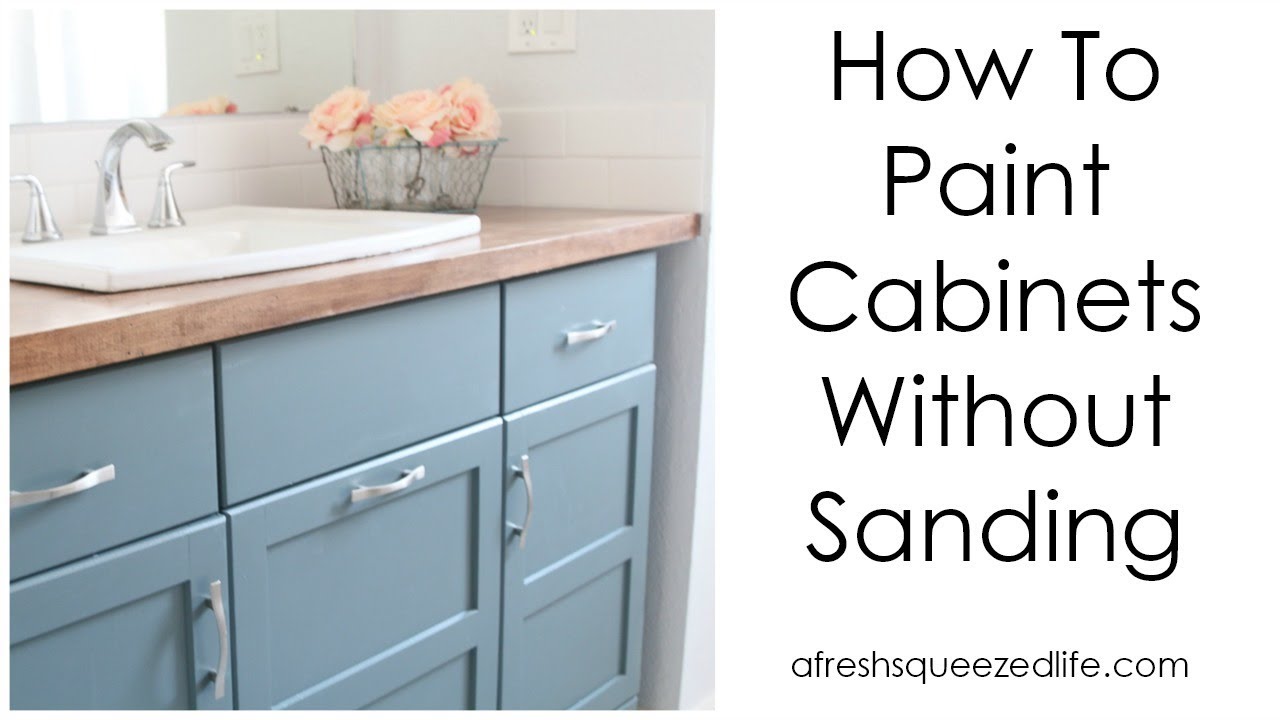
Image Source: i.ytimg.com
Best Way: How To Repaint Kitchen Cabinets Without Sanding
Thinking about painting your kitchen cabinets? You might wonder if you have to sand them first. The good news is, you often don’t! You can repaint kitchen cabinets without sanding by cleaning them very well, using a special primer that sticks tight, and then painting. This skips the messy dust from sanding.
Why Skip the Sanding Step?
Sanding cabinets is a lot of work. It makes a big mess with dust going everywhere. It takes a lot of time, too. If you want to update your kitchen faster and cleaner, skipping the sanding part is a great idea. It saves you from hours of tough work and cleanup. Also, some cabinets, like those made of laminate, are hard to sand the right way. Not sanding can be simpler and still give you a nice, new look.
How to Get Cabinets Ready Without Sanding
You cannot just paint over dirty cabinets. Paint will not stick. The most important step when you do not sand is getting the cabinets super clean. You need to remove all the grease and dirt. This is called degreasing cabinets before painting. It is a must-do step. Cleaning helps the new paint stick.
You also need a special primer. This primer is like a sticky glue layer. It helps the paint grab onto the smooth cabinet surface. Without sanding, this primer does the job sanding usually does. It helps the paint stay put and not peel off later.
What You Will Need
Painting cabinets without sanding uses some special products. Here is a list of what you will likely need:
- Safety gear: Gloves, eye protection, face mask (for fumes).
- Cleaning stuff:
- Strong cleaner or degreaser. This is key for degreasing cabinets before painting.
- Clean cloths or sponges.
- Bucket of water.
- Maybe a scrub brush for tough spots.
- Getting ready stuff:
- Painter’s tape.
- Drop cloths or plastic sheeting.
- Small containers for screws and hinges.
- Screwdriver.
- Surface prep help:
- Liquid deglosser for cabinets (optional, but helpful on shiny surfaces). This product helps dull the shine so primer sticks better. It is not sanding, but it does a similar job on the surface.
- Primer:
- Bonding primer for painting cabinets. This is a special primer that sticks to smooth surfaces very well. It is needed for painting over stained cabinets without sanding or painting laminate cabinets without sanding.
- Paint:
- Best paint for kitchen cabinets without sanding. This is usually a durable paint made for cabinets.
- No sand cabinet paint. Some paints are made for this exact job.
- All in one cabinet paint no sanding. Some products combine primer and paint.
- You could also use Chalk paint kitchen cabinets. Chalk paint often does not need sanding, but it looks different and needs a topcoat.
- Tools for painting:
- Good quality paint brushes.
- Small foam rollers (these often leave a smooth finish).
- Paint trays.
- Fine-grit sanding sponge (maybe needed very lightly between paint coats, but not the main surface prep).
Your Simple Steps to New Cabinets
Here is how you paint your kitchen cabinets without sanding. Follow these steps carefully for the best results.
Step 1: Empty and Take Apart
First, take everything out of your cabinets and drawers. Remove the doors and drawer fronts. Keep track of which door or drawer goes where. You can number them with painter’s tape inside. Take off all the hinges and handles or knobs. Put the screws and hardware into small bags. Label the bags so you know where everything goes back. This makes putting things back much easier.
Step 2: Clean Everything Very Well
This step is super important when you do not sand. You must clean off all grease, dirt, and grime. Use a strong cleaner or degreaser made for kitchens. Follow the product directions. Spray or wipe the cleaner on the cabinet frames, doors, and drawer fronts. Use a clean cloth or sponge to scrub off all the dirt. Pay close attention to areas around the handles and near the stove, where grease builds up.
- Degreasing cabinets before painting removes oily stuff that stops paint from sticking.
- This is how to clean cabinets before painting no sanding. Clean until the cloth comes away perfectly clean.
-
After cleaning with the degreaser, wipe everything down again with a clean cloth wet with just water. This removes any cleaner left on the surface. Let everything dry completely.
-
Optional Step: If your cabinets are very shiny, you can use a liquid deglosser for cabinets after cleaning and drying. Wear gloves and open windows. Wipe the deglosser onto the surface following the product’s instructions. This liquid helps dull the shine so the primer sticks better. It is not like messy sanding dust. Wipe it off as directed and let it dry fully.
Step 3: Get the Area Ready
Protect your kitchen surfaces. Put down drop cloths or plastic on the floor, counters, and inside the cabinet frames you are not painting (if painting the insides). Use painter’s tape to cover anything you do not want to get paint on, like walls or the inside edge of cabinet frames.
Step 4: Put On the Primer
This is where the magic happens for painting without sanding. Use a high-quality bonding primer for painting cabinets. This type of primer is made to stick to smooth or tricky surfaces. It helps the paint grab on tightly. If you are painting over stained cabinets without sanding, this primer is especially important. It blocks stains and helps the paint color look true.
Apply the primer with a brush or roller. Use thin, even coats. Do not put it on too thick. Cover all the surfaces you plan to paint: cabinet frames, doors, and drawer fronts. Let the primer dry for as long as the can says. Some primers need several hours or even a full day to dry and stick best. If needed, apply a second coat of primer after the first one is dry.
- Primer for painting over stained cabinets without sanding: This primer is designed to stick to the old finish and stop stains from showing through your new paint color.
- Bonding primer for painting cabinets: This is the key product for smooth, no-sanding surfaces.
Step 5: Paint Your Cabinets
Now it is time for the color! Choose a durable paint meant for cabinets.
- Some paints are called no sand cabinet paint. These are made to work well over a good primer without sanding.
- You might also find all in one cabinet paint no sanding. These products say they combine primer and paint, meaning you might not need a separate primer step. However, for the best stick on tough surfaces, many people still use a separate bonding primer first. Read the can carefully.
- Best paint for kitchen cabinets without sanding is often a high-quality acrylic enamel or urethane enamel paint. These paints are tough and easy to clean.
- Chalk paint kitchen cabinets can be done without sanding or primer usually, but it gives a chalky look and needs a protective topcoat like wax or polycrylic. Make sure this is the look you want.
Apply the paint in thin, even coats. Using a foam roller on flat parts often gives a smooth finish with fewer brush marks. Use a brush for edges and detailed areas. Let each coat of paint dry completely before adding the next one. Most cabinets will need two coats of paint. Sometimes three coats give the best look, especially if you are painting a light color over a dark one. Lightly sand between paint coats with a very fine-grit sanding sponge (like 220 grit or higher) if there are small bumps. This is not sanding the original finish, but just smoothing the new paint layers. Wipe off dust before the next coat.
Step 6: Put It All Back
Once the final coat of paint is completely dry and cured (check the paint can – curing can take several days or even weeks for maximum hardness), you can put your cabinets back together. Reattach the hinges and doors. Put the drawer fronts back on. Add your handles or knobs. Put everything back inside the cabinets.
Choosing the Right Stuff for No Sanding
Picking the right products is very important when you skip sanding.
Cleaners
You need a strong cleaner that cuts grease. Simple dish soap might not be enough for old kitchen grime. Look for products labeled as “degreaser” or “heavy-duty cleaner.” TSP (Trisodium Phosphate) is a common strong cleaner, but it needs careful handling and rinsing. There are also TSP substitutes available.
Primers
The primer is your best friend for painting without sanding. Do not skip this step unless you are using a very specific all in one cabinet paint no sanding product that guarantees adhesion on smooth surfaces.
- Bonding primer for painting cabinets: Look for primers that say they bond to challenging surfaces like laminate, metal, or glossy paint. Popular types are shellac-based or specialized acrylic primers. Shellac primers stick great and block stains well, but they have strong fumes and need alcohol cleanup. Water-based bonding primers are easier to use and clean up, and many work very well now.
- Primer for painting over stained cabinets without sanding: Make sure the primer you choose specifically mentions stain blocking if your cabinets are stained wood. This prevents the old stain color from showing through your new paint.
Here is a simple table about primer types:
| Primer Type | Good For… | Need Sanding? | Sticks to Smooth? | Blocks Stains? | Fumes? | Cleanup |
|---|---|---|---|---|---|---|
| Bonding Primer | Laminate, glossy paint, tough surfaces | No (if designed for it) | Yes | Often | Depends on type | Depends on type |
| Stain-Blocking Primer | Stained wood, knots, water spots | No (often) | Often | Yes | Depends on type | Depends on type |
| All-in-One Primer | Many surfaces, combines priming and sealing | Sometimes | Check product label | Sometimes | Depends on type | Depends on type |
When painting cabinets without sanding, a primer that does both bonding and stain-blocking is ideal.
Paints
Look for paints made for cabinets and trim. These paints are harder and more durable than regular wall paint.
- Best paint for kitchen cabinets without sanding: Look for acrylic enamel or urethane modified acrylic paint. These cure to a hard finish. They resist chips and can be cleaned easily.
- No sand cabinet paint: Some brands sell paint specifically labeled for cabinets without sanding. These are usually high-quality paints designed for good adhesion over a proper primer (or sometimes they have bonding properties built-in).
- All in one cabinet paint no sanding: These products promise to prime and paint in one. They can work, but make sure they are known to stick well to kitchen cabinets without sanding. Read reviews and product details carefully. Using a separate bonding primer first usually gives the most reliable result.
- Chalk paint kitchen cabinets: Chalk paint is famous for needing little to no prep, including no sanding or priming usually. It sticks to almost anything. However, chalk paint has a very matte (not shiny) finish and needs a topcoat (like wax or a water-based polycrylic) to protect it in a kitchen. The look is also different from typical cabinet paint. It can give a rustic or vintage style.
Here is a simple table about paint types for cabinets:
| Paint Type | Good For… | Need Sanding? | Look | Durability | Needs Topcoat? |
|---|---|---|---|---|---|
| Acrylic Enamel | Smooth, durable finish | Usually (prep) | Smooth, modern | High | No |
| Urethane Acrylic | Very hard, scratch resist | Usually (prep) | Smooth, modern | Very High | No |
| No Sand Cabinet Paint | Painting without sanding prep | No (with primer) | Smooth, often satin/semigloss | High | No |
| All-in-One Paint | Simple process | No (check label) | Varies | Varies | Check label |
| Chalk Paint | Minimal prep, distressed look | No | Matte, chalky | Low (needs topcoat) | Yes |
For a durable kitchen finish without sanding, focus on a high-quality bonding primer followed by a good acrylic/urethane enamel or a dedicated no sand cabinet paint.
Painting Different Cabinets Without Sanding
The type of cabinet material matters, even when you do not sand. The cleaning and priming steps change slightly.
Painting Laminate Cabinets Without Sanding
Laminate is a smooth, plastic-like surface. Paint has a hard time sticking to it. This is why painting laminate cabinets without sanding requires specific products.
- Clean: Clean thoroughly with a strong degreaser. Rinse and dry completely.
- Degloss: Using a liquid deglosser for cabinets on laminate is very helpful. It slightly softens the surface shine. Wipe on, wait, and wipe off as directed.
- Prime: You MUST use a high-quality bonding primer for painting cabinets that is made for laminate or glossy surfaces. This is the most important step for laminate. Let it cure fully.
- Paint: Use a good quality paint for cabinets. Apply thin coats.
Laminate is tricky, but with the right cleaning and especially the right bonding primer, you can paint it without sanding.
Painting Over Stained Cabinets Without Sanding
Stained wood cabinets are common. The old stain or varnish can make paint not stick or can show through the new paint color.
- Clean: Clean very well to remove any old grease or dirt. Rinse and dry.
- Degloss: A liquid deglosser for cabinets can help dull the old stain/varnish shine.
- Prime: Use a high-quality primer for painting over stained cabinets without sanding. Make sure it says it blocks stains and bonds to glossy surfaces. A shellac-based primer or a top-quality water-based bonding primer works well. Let it dry and cure fully.
- Paint: Paint with your chosen cabinet paint. Two coats are usually needed.
The right primer is key for covering dark stains and ensuring the paint sticks to the old finish.
Getting the Best Finish
Painting cabinets without sanding can give you a smooth, factory-like finish if you do it right.
- Clean, Clean, Clean: Cannot say it enough. Any dirt or grease stops paint from sticking. How to clean cabinets before painting no sanding means deep cleaning until they feel clean and dry.
- Use a Great Primer: The bonding primer for painting cabinets is doing the work of sanding. Do not cheap out on primer. Let it dry for the full time on the can, maybe even longer.
- Thin Coats: Apply primer and paint in thin layers. Thick coats take longer to dry and can sag or show brush marks. Multiple thin coats look much better than one thick coat.
- Good Tools: Use high-quality brushes and foam rollers for a smooth finish. Cheap tools leave marks or hairs.
- Paint in Good Conditions: Paint in a place that is not too hot, too cold, or too humid. Good airflow helps paint dry, but too much dust blowing around is bad.
- Let it Cure: Drying time on the can means the paint feels dry to the touch. Curing time means the paint is hard and strong. This takes longer, sometimes a week or more. Be gentle with your cabinets during the curing time.
What If Something Goes Wrong?
Even with careful work, small problems can happen.
- Paint is not sticking: This usually means the cabinets were not cleaned well enough, or the wrong primer was used (or no primer). You might need to clean again and re-prime the problem areas.
- Brush marks or roller marks: This can happen with thick paint or not enough drying time between coats. Sand lightly with a very fine paper (like 320+ grit) once the paint is dry, clean the dust, and apply another thin coat. Using a flow additive in your paint can also help it level out.
- Drips or sags: Too much paint in one spot. Wipe off wet drips quickly. If dry, you will need to carefully scrape or sand the drip smooth, prime that spot, and repaint the area or the whole surface.
- Dirt or dust in the paint: Try to work in a clean area. If dust lands on wet paint, you might be able to carefully pick it out. If dry, you might need to very lightly sand the spot smooth and repaint.
Most small issues can be fixed by letting the paint dry, fixing the problem area (like sanding a drip), and applying another thin coat of primer and/or paint.
How Much Does It Cost?
The cost to repaint kitchen cabinets without sanding depends on several things:
- Size of your kitchen: More cabinets mean more supplies.
- Quality of products: High-quality cleaners, primers, and paints cost more but give better results and last longer.
- Tools: Brushes, rollers, tape, drop cloths all add up.
Here is a rough idea of costs for materials for an average kitchen:
| Item | Cost Range (Rough Estimate) |
|---|---|
| Cleaners/Degreasers | $10 – $30 |
| Liquid Deglosser (Optional) | $15 – $25 |
| Bonding Primer | $30 – $60 per gallon |
| Cabinet Paint | $50 – $100 per gallon |
| Brushes/Rollers/Supplies | $30 – $70 |
| Total Material Cost | $135 – $315+ |
This is just for materials if you do the work yourself. Hiring a professional would cost much more, usually thousands of dollars, but they handle all the work and often have special tools and techniques.
Doing It Yourself vs. Hiring Help
Painting cabinets yourself without sanding saves a lot of money. It gives you control over the color and finish. However, it takes time and effort. It can take several days to a week to do it right, with drying times between coats. You also need to be careful and patient to get a smooth finish.
Hiring a pro costs more, but they have the skill and tools to get a very smooth, factory-like finish. They can usually finish the job faster, and you do not have to do the work or cleanup. If you are short on time or not comfortable with painting, hiring a pro might be worth the cost.
However, with the right products and steps for painting without sanding, many people can get great results themselves! The key is great cleaning, the right primer, and patience with thin coats and drying times.
Frequently Asked Questions (FAQs)
Can I really paint cabinets without sanding?
Yes! You can paint cabinets without sanding if you use the right steps and products. The most important things are very thorough cleaning to remove all grease and dirt (how to clean cabinets before painting no sanding) and using a high-quality bonding primer for painting cabinets that sticks to smooth surfaces.
What is the best primer for painting cabinets without sanding?
A bonding primer for painting cabinets is best. Look for one that is made to stick to glossy surfaces, laminate, or previously finished wood without sanding. If your cabinets are stained, also look for a primer for painting over stained cabinets without sanding that blocks stains.
What is a liquid deglosser? Do I need it?
A liquid deglosser for cabinets is a chemical you wipe on. It dulls the shine on the surface. It is not sanding, but it helps the primer stick better to very shiny finishes. It is optional but can be helpful, especially on laminate or very glossy paint/varnish.
What is the best paint for cabinets if I don’t sand?
The best paint for kitchen cabinets without sanding is usually a durable cabinet or trim paint like an acrylic enamel or urethane modified acrylic, applied over a bonding primer. Some products are labeled as no sand cabinet paint or all in one cabinet paint no sanding and are designed for this. Chalk paint kitchen cabinets is another option that needs no sanding, but it has a different look and needs a topcoat.
How important is cleaning before painting cabinets without sanding?
Cleaning is the MOST important step when you do not sand. All grease, dirt, and grime must be gone. If not, the primer and paint will not stick right and will peel later. Degreasing cabinets before painting is essential.
Can I paint laminate cabinets without sanding?
Yes, painting laminate cabinets without sanding is possible. It requires extra care in cleaning, often using a liquid deglosser, and definitely using a specialized bonding primer for painting cabinets made for laminate surfaces.
Do I need an all in one cabinet paint no sanding product to skip sanding?
No, you do not need an all in one cabinet paint no sanding product. You can use a separate, high-quality bonding primer for painting cabinets followed by a good cabinet paint. Using a separate primer often gives the most reliable adhesion.
How long does the paint last if I don’t sand?
If you clean the cabinets very well and use the right bonding primer and a durable cabinet paint, your painted cabinets can last many years, just like if you had sanded. The key is the proper surface prep (cleaning and priming) for paint adhesion.
Wrapping It Up
Painting your kitchen cabinets without sanding is a real option. It saves you from a lot of mess and hard work. The secret is in how you get the cabinets ready. Cleaning off all the grease is a must (degreasing cabinets before painting). Using a good bonding primer for painting cabinets is also super important. This primer helps the paint stick tight to the smooth surface. You can also use a liquid deglosser for cabinets for extra help.
When you pick your paint, look for a no sand cabinet paint or a tough paint like acrylic enamel. Some products are even all in one cabinet paint no sanding. Remember that chalk paint kitchen cabinets is another way to paint without sanding, but it looks different. Whether you are painting laminate cabinets without sanding or stained ones, the right primer makes all the difference.
By following the steps to clean well (how to clean cabinets before painting no sanding), prime with a bonding primer (primer for painting over stained cabinets without sanding), and use good paint (best paint for kitchen cabinets without sanding), you can give your kitchen a fresh, new look without ever touching sandpaper. It takes time and care, but the result is a beautiful update to your home.