You can easily remove rust from kitchen tools like knives, pots, and pans using simple things you likely have at home or common cleaners. Things like white vinegar, baking soda paste, or even lemon juice can help get rid of rust spots. There are also special products you can buy that work fast. This post will show you different methods, how to use them safely, and how to stop rust from coming back on your kitchen items.
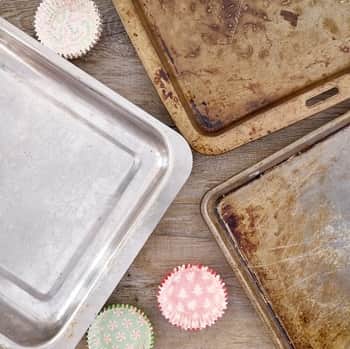
Image Source: www.merrymaids.com
Why Kitchen Tools Get Rusty
Rust is a common problem with metal tools. It happens when iron or steel gets wet and mixes with air. This mix causes a chemical reaction. The metal changes into iron oxide, which we see as rust.
Many kitchen tools are made from steel. Some steel has iron in it. When these tools get wet and stay wet, they can start to rust. This is true for knives, graters, pans, and other items.
Rust can make tools look bad. It can also make them not work as well. A rusty knife is not sharp. Rusty pans might not cook food evenly. Rust can also get into food, which is not good for your health. So, it’s important to clean rust off your kitchen tools.
Simple Ways to Remove Rust at Home
You don’t always need strong chemicals to clean rust. Many things you have in your kitchen can help. These are called natural rust removal kitchen methods. They are often safer and less harsh than store-bought cleaners.
Using White Vinegar
White vinegar is a great helper for cleaning rust. It has acid in it that can break down rust. This method works well for remove rust from metal tools of different kinds.
How to Use Vinegar:
- Soak the Tool: Get a container. Put the rusty tool in it. Pour enough white vinegar to cover the tool completely.
- Wait: Let the tool soak. Small rust spots might need a few hours. Heavy rust might need soaking overnight.
- Check and Scrub: Take the tool out of the vinegar. Use a stiff brush, steel wool, or even a crumpled-up ball of aluminum foil to scrub the rust off. The rust should come off more easily after soaking.
- Rinse: Wash the tool well with water. Make sure all the vinegar is gone.
- Dry: Dry the tool completely right away. Use a clean towel. Do not let it air dry, as this can cause rust to come back.
Vinegar Rust Removal Cast Iron: Vinegar can be used on cast iron, but be careful. Cast iron has a special coating called “seasoning.” Vinegar can strip this seasoning. If you use vinegar on cast iron, only soak it for a short time (maybe 30 minutes to an hour for light rust). Scrub quickly, rinse well, and re-season the pan right away after drying. Re-seasoning means putting a thin layer of oil on the pan and heating it.
Using Baking Soda
Baking soda is another common kitchen item that can help with rust. It works as a gentle cleaner. You can make a paste with it. This paste can help lift rust away. It’s a good baking soda rust cleaner.
How to Use Baking Soda Paste:
- Make the Paste: Get a small bowl. Put some baking soda in it. Add just a little water. Mix it until it looks like a thick paste, like toothpaste.
- Cover the Rust: Put the paste all over the rusty parts of your tool. Make sure the rust is covered well.
- Wait: Let the paste sit on the rust for an hour or two. For more rust, let it sit longer, maybe overnight.
- Scrub: Use a brush (like an old toothbrush) or steel wool to scrub the paste and the rust. The baking soda is slightly scratchy, which helps rub off the rust.
- Rinse: Wash the tool clean with water.
- Dry: Dry the tool completely right away.
Baking soda is less harsh than vinegar. It’s often better for light rust or for tools where you don’t want to risk damaging the finish, like removing rust from stainless steel utensils.
Using Lemon Juice
Lemon juice is another acidic liquid that can help clean rust. It’s a simple lemon juice rust removal method. Salt helps this method work better.
How to Use Lemon Juice and Salt:
- Cover with Salt: Put a thick layer of salt on the rusty area.
- Add Lemon Juice: Squeeze lemon juice over the salt. Use enough to make the salt damp but not washed away.
- Wait: Let the mix sit on the rust for a few hours.
- Scrub: Use the lemon rind (the squeezed lemon half) or a brush to scrub the rust and salt. The salt acts as a scrubber.
- Rinse: Wash the tool well with water.
- Dry: Dry the tool completely right away.
This method is good for small rust spots or on tools that are hard to soak.
Using a Potato
This might sound strange, but a potato can help remove rust! Potatoes have something called oxalic acid in them. This acid can help loosen rust. This is another interesting natural rust removal kitchen trick.
How to Use a Potato:
- Cut the Potato: Cut a potato in half.
- Add Help: You can add salt, baking soda, or dish soap to the cut side of the potato to make it work better. Dip the cut side into salt, or put baking soda or soap on it.
- Rub: Use the cut side of the potato to rub the rusty area. Rub hard.
- Repeat: For stubborn rust, cut off the used part of the potato and add more salt or baking soda. Keep rubbing with a fresh potato surface.
- Rinse: Wash the tool clean with water.
- Dry: Dry the tool completely right away.
This method is good for tools with flat surfaces or light rust.
How to Clean Rusty Knives
Knives are very common kitchen tools that get rust. This is often true for knives made of high carbon steel, which can rust more easily than stainless steel. Knowing how to clean rusty knives is very useful. The methods above work well for knives.
Steps for Cleaning Rusty Knives:
- Choose a Method: Vinegar, baking soda paste, or even a special best rust remover for kitchen knives product can work.
- Vinegar Soak: Place the knife blade in a glass or plastic container of white vinegar. Don’t use metal containers. Make sure the blade is fully covered. Let it soak for a few hours or overnight for bad rust. Be careful with wooden handles; try not to soak the handle.
- Baking Soda Paste: Make a thick paste. Spread it on the rusty spots on the blade. Let it sit for a few hours.
- Lemon and Salt: Put salt on the rust, then squeeze lemon juice over it. Let it sit.
- Scrub Carefully: After soaking or letting the cleaner sit, it’s time to scrub. Use steel wool, a stiff brush, or the rough side of a sponge. Always scrub away from the blade’s sharp edge. Be very careful not to cut yourself.
- Clean the Handle: If the handle is also rusty (like metal parts near the blade), scrub those areas too.
- Rinse Thoroughly: Wash the knife completely with water. Get rid of all the cleaner and loosened rust.
- Dry Immediately: This is the most important step for knives. Use a clean, dry towel to dry the blade and handle right away. Water left on the blade is the main reason rust comes back.
- Check and Repeat: Look closely at the blade. If there is still rust, you may need to repeat the cleaning process.
- Oil the Blade (Optional but Recommended): For carbon steel knives, putting a very thin layer of food-safe oil on the blade after drying helps protect it from moisture. Mineral oil is a good choice.
Using these steps helps restore metal kitchen tools, making them look and work better. For knives, removing rust is also important for keeping them sharp.
Removing Rust from Stainless Steel Utensils
Many kitchen items are made from stainless steel. This metal is called “stainless” because it has chromium in it. Chromium helps it resist rust and stains better than regular steel. However, stainless steel can still rust. This happens if it’s exposed to harsh chemicals, stays wet for a long time, or gets scratched deeply. Removing rust from stainless steel utensils is usually easier than from regular steel or cast iron.
Methods for Stainless Steel:
- Baking Soda Paste: This is often the best choice for stainless steel. It’s gentle but strong enough to lift surface rust. Make the paste, put it on the rust, let it sit, and scrub gently with a soft cloth or non-scratch pad.
- Vinegar: You can wipe stainless steel with a cloth dipped in white vinegar. Don’t soak stainless steel for a long time, as strong acids can sometimes cause problems with the finish. Just wipe, let it sit for a few minutes, then scrub.
- Lemon Juice: Similar to vinegar, wipe with lemon juice, let it sit briefly, and scrub.
- Special Stainless Steel Cleaners: There are products made just for cleaning stainless steel. Follow the instructions on the package.
Always scrub stainless steel in the direction of the metal’s “grain” (the tiny lines you can see). This helps prevent scratches. Always rinse well and dry immediately.
Comparing Rust Removal Methods
Here is a quick look at some common methods:
| Method | Main Ingredient | How it Works | Best For | Pros | Cons |
|---|---|---|---|---|---|
| White Vinegar | Acetic Acid | Dissolves rust | Heavy rust, soaking tools | Very effective for stubborn rust | Can damage finishes (like cast iron seasoning), strong smell |
| Baking Soda Paste | Sodium Bicarbonate | Gentle abrasion & lifting | Light rust, stainless steel, surfaces | Gentle, good for polished surfaces | Less effective on heavy rust |
| Lemon Juice & Salt | Citric Acid & Salt | Dissolves rust & scrubs | Small spots, light rust, surfaces | Natural, good smell | Less effective on heavy rust |
| Potato | Oxalic Acid | Loosens rust | Flat surfaces, very light rust | Very simple, uses food waste | Limited effectiveness, requires effort for stubborn rust |
| Commercial Cleaners | Various chemicals | Dissolves rust | Quick results, specific types of metal | Fast and powerful | Can be harsh, need to follow safety warnings, not always food-safe |
For most kitchen tools and home use, the natural methods like vinegar and baking soda are great places to start. They are safe when used correctly and are very cheap.
Restoring Metal Kitchen Tools
When you remove rust from metal tools, you are often restore metal kitchen tools to their original state. A rusty tool is not working its best. Removing the rust makes it usable and safe again. This is especially true for knives, where rust makes the blade rough and dull. Cleaning the rust off helps bring back a smoother edge that can be sharpened properly. For pans, removing rust brings back a cooking surface that can be used safely. After cleaning rust, consider sharpening knives or re-seasoning cast iron pans to fully restore them.
How to Prevent Rust Kitchen Tools
Cleaning rust is good, but stopping it from happening is even better! Preventing rust saves you time and keeps your tools in good shape for longer. Here are the best ways how to prevent rust kitchen tools:
- Dry Tools Completely and Immediately: This is the single most important step. Water is the main cause of rust. After washing any metal kitchen tool (knives, pans, graters, whisks, etc.), dry it right away with a clean towel. Do not leave metal tools in the sink or drying rack to air dry for a long time.
- Wash By Hand When Possible: Dishwashers use high heat and strong detergents. They also leave tools wet for a long time during the drying cycle (even if you use heat dry). This can cause rust, especially on knives and older metal tools. Washing by hand lets you dry the tool right away.
- Avoid Leaving Tools in Water: Don’t let metal tools soak in water in the sink for hours. Wash them soon after using them.
- Season Cast Iron Properly: Cast iron pans need a layer of baked-on oil (seasoning) to protect them from rust. After washing cast iron (usually with just hot water and a brush, avoiding soap if possible), dry it thoroughly on the stove over low heat. Then, apply a very thin layer of cooking oil and wipe off the excess. Heat it again until it just starts to smoke lightly. This keeps the seasoning strong.
- Oil Carbon Steel Knives: Carbon steel knives are known for rusting easily. After washing and drying, put a tiny amount of food-safe mineral oil on the blade. Rub it in with a paper towel. This thin layer of oil keeps moisture away from the metal.
- Store Tools Properly: Store knives in a dry place, maybe in a knife block, on a magnetic strip, or in a drawer organizer that keeps them separated. Don’t store wet tools. Make sure pans are dry before stacking them.
- Check for Dishwasher Rust: Sometimes, rust from one item (like a cheap screw on a pot handle) can “transfer” and cause small rust spots on other items in the dishwasher, like stainless steel. If you see this, find the source of the rust in the dishwasher and clean it or remove the item.
- Address Rust Early: If you see a tiny spot of rust starting, clean it off right away using a simple method like baking soda or a quick rub with steel wool. Small rust spots are much easier to remove than big ones.
By following these simple steps, you can greatly reduce the chance of rust forming on your valuable kitchen tools.
Safety Tips for Rust Removal
When cleaning rust, keep these safety tips in mind:
- Protect Your Hands: Wear gloves, especially when using vinegar or commercial cleaners. Rust can be sharp, and cleaning agents can irritate skin.
- Work in a Vented Area: If using commercial cleaners, make sure the area is well-ventilated. Open a window.
- Protect Surfaces: Put down old newspapers or a cloth to protect your counter or table from rust stains or cleaning agents.
- Be Careful with Sharp Tools: Be extra careful when cleaning knives. Always scrub away from the blade.
- Wash Tools Thoroughly: After cleaning rust with any method, wash the tool very well with dish soap and water before using it for food. Make sure all traces of the cleaner are gone.
- Dispose of Waste Safely: Dispose of rusty water or used rags properly.
Quick Cleaning vs. Deep Cleaning
Sometimes you just see a little spot of rust. You can clean this quickly. Other times, a tool might be covered in heavy rust. This needs a deeper cleaning.
- Quick Clean (for light rust): Use baking soda paste, lemon/salt, or a quick scrub with steel wool. This takes only a few minutes.
- Deep Clean (for heavy rust): Soaking in vinegar is usually the best for deep cleaning. This takes several hours or overnight. Scrubbing will take more effort.
Choose the method that fits how much rust is on your tool. Starting with a gentler method is always a good idea. If that doesn’t work, move to a stronger one like vinegar.
Special Rust Removers
Besides home remedies, there are products you can buy that are made to remove rust. These are sometimes called chemical rust removers or rust dissolvers.
- How they Work: These products contain stronger acids or chemicals that dissolve rust quickly.
- When to Use: Use these for very stubborn rust that home methods can’t get rid of. Some are made for specific items, like the best rust remover for kitchen knives.
- Important Note: Always read the label carefully. Make sure the product is safe to use on kitchen tools. Some rust removers leave behind chemicals you don’t want near food. Choose food-grade options if possible, or make extra sure to rinse and wash the tool thoroughly after use. Follow all safety instructions on the package, including wearing gloves and having fresh air.
For most kitchen rust problems, natural methods are enough and safer.
Bringing Back the Shine
After you remove the rust, your metal tools might look dull or have marks.
- Polishing: For stainless steel or other shiny metals, you can use a metal polish or even a little bit of olive oil on a soft cloth to buff the surface. This can help bring back some shine.
- Sharpening: Rusty knives should be sharpened after cleaning. Rust makes the edge uneven. Sharpening will create a new, smooth, sharp edge.
- Re-seasoning: Cast iron pans need to be re-seasoned after rust removal, especially if you used vinegar. This protects the metal and makes the pan non-stick again.
Taking these extra steps helps restore metal kitchen tools fully.
FAQ Section
Here are some common questions about removing rust from kitchen tools.
Q: Is rust on kitchen tools dangerous?
A: Yes, it’s best to remove rust. While a little bit of rust might not cause immediate harm, it can affect the taste of food and is not good for health if eaten over time. Rust also makes tools work poorly.
Q: Can I use cola to remove rust?
A: Yes, some cola drinks contain phosphoric acid, which can help loosen rust. It works similar to vinegar but is usually weaker. You can soak small items in cola, then scrub and rinse.
Q: Does steel wool scratch tools when removing rust?
A: Yes, steel wool can cause scratches, especially on polished surfaces like stainless steel. Use finer grades of steel wool or a less abrasive scrubber for sensitive surfaces. For tough rust on rough surfaces like cast iron, steel wool is usually fine. Always test a small area first if you are worried about scratching.
Q: How long does it take to remove rust with vinegar?
A: For light rust, a few hours might be enough. For heavy rust, you might need to soak the tool overnight or even for 24 hours. Check the tool periodically.
Q: Can I prevent rust on knives in the dishwasher?
A: It’s very hard to fully prevent rust on metal knives in the dishwasher, especially if they are not high-quality stainless steel. The best way to prevent rust on knives is to wash them by hand and dry them right away.
Q: What kind of oil should I use on carbon steel knives?
A: Use a food-safe oil. Mineral oil is a popular choice because it doesn’t go bad (rancid). You can also use cooking oils like flaxseed oil (which hardens well) or even olive oil, though olive oil can become sticky over time.
Q: My cast iron pan is rusty all over. Can I save it?
A: Yes, very rusty cast iron pans can almost always be saved. Use vinegar soaking and heavy scrubbing with steel wool to remove all the rust. It will look bare metal afterward. Then, you must re-season it thoroughly several times to build up a protective layer. There are many guides online on how to restore cast iron pans this way.
Q: Is it safe to use chemical rust removers on kitchen tools?
A: Only if the product label says it is safe for use on food-contact surfaces or if you can wash and rinse the tool so completely that you are sure no chemical residue remains. For safety, natural methods are often preferred for kitchen items.
Final Thoughts
Rust on kitchen tools is a common problem, but one you can fix. You have many options, from simple home remedies like vinegar and baking soda to stronger store-bought cleaners. The best method depends on how much rust there is and what the tool is made of.
No matter which method you use, remember the most important steps: scrub the rust off, rinse the tool very well, and dry it completely right away. Taking steps how to prevent rust kitchen tools, like drying them immediately after washing, will keep your tools looking good and working well for a long time. Getting rid of rust and preventing it helps restore metal kitchen tools and keeps your kitchen safe and ready for cooking.