Can you refinish a kitchen sink yourself? Yes, you can! With the right approach and materials, DIY sink refinishing can revive your kitchen’s focal point, saving you money and delivering impressive results. This guide will walk you through the entire process of kitchen sink resurfacing, from preparation to the final coat, covering various sink materials.
Your kitchen sink is more than just a place to wash dishes; it’s a hub of activity and a significant design element in your kitchen. Over time, even the most durable sinks can show wear and tear – scratches, stains, chips, or a general dullness that detracts from your kitchen’s appeal. Fortunately, you don’t always need to replace your sink to restore its beauty. DIY sink refinishing is a viable and rewarding option for many homeowners. This process, often referred to as kitchen sink resurfacing, involves applying a specialized coating that revitalizes the sink’s surface, making it look new again. Whether you’re dealing with a classic porcelain fixture, a durable stainless steel basin, or a robust cast iron sink, the principles of refinishing are similar, but the specific materials and techniques might vary.
This comprehensive guide will equip you with the knowledge and steps needed for successful kitchen sink repair and refinishing, giving you the confidence to tackle this project and achieve professional-looking outcomes right in your own home. We’ll cover everything from selecting the best kitchen sink refinishing kit to applying that final, gleaming coat.
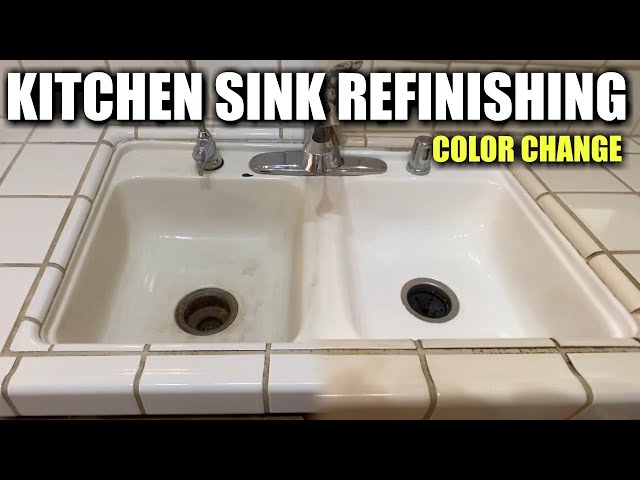
Image Source: i.ytimg.com
Deciphering Your Sink Material
Before you begin any DIY sink refinishing project, it’s crucial to identify the material of your existing sink. The type of material dictates the best refinishing products and methods to use.
Refinishing a Porcelain Sink
Porcelain sinks are known for their classic beauty and durability, but they can chip, scratch, and stain over time. Refinishing a porcelain sink involves carefully preparing the surface to accept a new coating. These sinks are often cast iron with a porcelain enamel coating, or they can be entirely vitreous china.
Refinishing a Stainless Steel Sink
Stainless steel sinks are popular for their modern look and resistance to rust. However, they can develop scratches, water spots, and a dull finish. Refinishing a stainless steel sink is less about covering damage and more about restoring the luster and, in some cases, applying a colored coating. Many opt for specialized paints for a new look.
Refinishing a Cast Iron Sink
Cast iron sinks are exceptionally heavy and durable. Their porcelain enamel coating is prone to chipping and scratching, revealing the dark cast iron underneath. Refinishing a cast iron sink requires robust preparation and coatings that can adhere well to the enamel.
Other Sink Materials
While less common for refinishing projects, sinks can also be made from materials like composite granite, acrylic, or copper. These materials often require specialized refinishing products or may not be suitable for DIY refinishing at all. Always check the manufacturer’s recommendations for your specific sink material.
Preparing for Success: Essential Steps for Kitchen Sink Refinishing
Proper preparation is the cornerstone of any successful refinishing project. Skipping these steps will significantly impact the longevity and appearance of your newly refinished sink.
Step 1: Gather Your Supplies
Having all your materials ready before you start is key. Here’s a checklist of what you’ll typically need for kitchen sink repair and refinishing:
- Kitchen Sink Refinishing Kit: Choose a kit specifically designed for your sink material (e.g., porcelain, enamel, stainless steel). Look for reputable brands and kits that include primer and topcoat.
- Cleaner and Degreaser: A strong household cleaner or a specialized degreaser is essential to remove soap scum, grease, and grime.
- Sandpaper: Various grits (e.g., 120, 220, 400) for cleaning, scuffing, and smoothing.
- Scrubbing Pads or Steel Wool: For tougher residues.
- Chemical Cleaner (Optional but Recommended): For deep cleaning, especially for stubborn stains or mildew.
- Baking Soda and Water Paste: A gentle abrasive for cleaning.
- Paint Stripper (If removing old finish): Use with caution and proper ventilation.
- Sanding Block or Orbital Sander: For even sanding.
- Primer: A high-quality primer that adheres well to your sink material and is compatible with your chosen topcoat.
- Applicators: High-density foam rollers, paint brushes (for tight areas), or spray applicators.
- Painter’s Tape and Masking Paper/Plastic Sheeting: To protect surrounding countertops, walls, and fixtures.
- Drop Cloths: To protect your floor.
- Safety Gear: Nitrile gloves, safety glasses or goggles, and a respirator mask suitable for paint fumes.
- Rags and Paper Towels: For cleaning and wiping.
- Bucket: For cleaning solutions.
- Screwdriver or Pliers: To remove faucet, drain, and other hardware.
Step 2: Clear the Area and Remove Fixtures
To achieve a smooth, even finish, you’ll need to work with a clear surface.
- Remove Everything: Take out any dish soap dispensers, sponges, racks, or other items from and around the sink.
- Protect Surrounding Areas: Use painter’s tape to carefully mask off the edges of your countertops, backsplash, and any adjacent walls. Cover the floor with drop cloths.
- Remove Hardware: This is a critical step for a professional finish.
- Faucet: Turn off the water supply under the sink. Disconnect the water lines from the faucet. Unscrew any mounting nuts holding the faucet to the sink or countertop. Lift the faucet assembly out.
- Drain and Strainer: Unscrew the drain flange from inside the sink basin. You might need a drain wrench or pliers for this. You may also need to disconnect the plumbing beneath the sink.
- Other Accessories: Remove any soap dispensers, sprayers, or other accessories attached to the sink.
Step 3: Thorough Cleaning and Degreasing
A clean surface is paramount for proper adhesion of primer and paint.
- Initial Wash: Use a strong household cleaner or degreaser and a scrub brush to remove all visible dirt, soap scum, and food particles.
- Tackle Stains: For stubborn stains on porcelain or enamel sinks, you can try a paste of baking soda and water. Let it sit for a while, then scrub gently. For very tough stains, you might need a specialized cleaner designed for sinks.
- Rinse Thoroughly: Ensure all cleaning residue is washed away. Wipe the sink dry with clean rags.
- Final Degreasing: Use a dedicated degreaser or denatured alcohol on a clean cloth to wipe down the entire sink surface. This removes any remaining invisible oils or residues that could interfere with adhesion. Let the sink dry completely.
Step 4: Address Existing Damage (Kitchen Sink Repair)
Chips, cracks, or deep scratches need to be repaired before refinishing.
- Chips and Small Cracks: For small imperfections, you can use a porcelain repair kit or a suitable epoxy filler designed for enamel or porcelain.
- Clean the damaged area thoroughly.
- Apply the filler according to the product instructions.
- Allow it to cure completely.
- Once cured, lightly sand the repaired area smooth with fine-grit sandpaper (e.g., 400 grit) to be flush with the surrounding surface.
- Deep Scratches: Deeper scratches might require a bit more attention. You can sometimes fill these with touch-up paint or a specialized filler. For stainless steel, deep scratches are harder to completely hide and may require professional repair or a different approach like a brushed finish paint.
Step 5: Sanding for Adhesion
Sanding creates a slightly rough surface that the primer and paint can grip onto. This is often called “scuff sanding.”
- For Porcelain, Enamel, or Cast Iron:
- Start with a medium-grit sandpaper (around 120-220 grit) to lightly abrade the entire surface. You’re not trying to remove the existing finish, just to dull it.
- Use a sanding block for flat areas and finer grit sandpaper (220-400 grit) for curves and details.
- Pay attention to any areas where the old finish might be peeling or uneven. Sand these areas until smooth.
- For any repaired chips or cracks, ensure the filler is flush with the surface and lightly sand it.
- For Stainless Steel:
- If you are painting stainless steel, a light scuff with fine-grit sandpaper (220-320 grit) is usually sufficient.
- If you are trying to restore the original shine or address minor scratches on stainless steel without painting, you might use specialized stainless steel polishes and a fine grit abrasive pad (often provided in stainless steel restoration kits). This is a different process than refinishing with paint.
Step 6: Remove Sanding Dust
After sanding, it’s crucial to remove all dust particles.
- Vacuuming: Use a shop vacuum with a brush attachment to remove most of the dust.
- Tack Cloth: Wipe down the entire sink surface with a tack cloth. These sticky cloths are designed to pick up fine dust particles that vacuuming might miss. Repeat if necessary to ensure the surface is completely dust-free.
Applying the New Finish: Step-by-Step Refinishing
Now that your sink is prepped and clean, it’s time to apply the new coating. The method of application – brush, roller, or spray – will depend on the product you’ve chosen. Always follow the specific instructions on your kitchen sink refinishing kit.
Step 7: Apply Primer
Primer is essential for ensuring your topcoat adheres properly and lasts longer, especially over different materials or repaired areas.
- Choose the Right Primer: Use a primer recommended for your sink material and compatible with your topcoat. Epoxy-based primers are often a good choice for durability.
- Application:
- Brushing/Rolling: If using a brush or roller, apply a thin, even coat of primer. Work in one direction to minimize brush marks. Avoid applying too thickly, as this can lead to drips.
- Spraying: If you have a spray kit, follow the manufacturer’s instructions for thinning and application. Spray in smooth, even strokes, maintaining a consistent distance from the surface.
- Drying Time: Allow the primer to dry completely according to the manufacturer’s instructions. This is typically several hours, but some primers may require longer.
- Light Sanding (Optional but Recommended): Once the primer is dry, you can lightly sand it with very fine-grit sandpaper (400-600 grit) to create an even smoother surface for the topcoat. Wipe away dust with a tack cloth.
Step 8: Apply the Topcoat (Kitchen Sink Paint)
This is where your sink gets its new look. Many DIY kits use a durable epoxy or acrylic enamel formula.
- Mixing: If your kit requires mixing components (e.g., a two-part epoxy), mix them thoroughly according to the instructions. Be sure to mix the correct ratio. Once mixed, many of these coatings have a limited “pot life,” meaning they need to be applied within a certain timeframe.
- Application Method:
- Brushing/Rolling: Use a high-density foam roller for smooth surfaces and a small artist’s brush for corners and edges. Apply thin, even coats. Overlapping your strokes slightly will help prevent lap marks.
- Spraying: If using a spray system, apply thin, even coats. Maintain consistent motion and overlap each pass by about 50%. Work in sections.
- Multiple Coats: Most refinishing projects require at least two to three thin coats for optimal coverage and durability.
- Drying Between Coats: Allow adequate drying time between coats as specified by the product manufacturer. This is crucial for proper adhesion and to prevent lifting or wrinkling.
- Curing Time: After the final coat, the sink will need to cure. This is the time it takes for the coating to harden completely and reach its maximum durability. Curing times can range from 24 hours to several days or even a week. Do not use the sink during the curing process.
Step 9: Reassemble Fixtures
Once the final coat has dried and the curing process has begun (check manufacturer guidelines for when it’s safe to reassemble), you can reattach the hardware.
- Install Drain and Strainer: Secure the drain flange and any other drain components. Reconnect plumbing underneath if you disconnected it.
- Reinstall Faucet: Position the faucet and secure it with its mounting nuts. Reconnect the water supply lines.
- Attach Accessories: Reinstall any soap dispensers or other accessories.
Step 10: Final Touches and Cleanup
- Remove Painter’s Tape: Carefully remove all painter’s tape and masking paper once the finish is dry to the touch but before it fully cures to avoid pulling off the new finish.
- Clean Tools: Clean brushes, rollers, and spray equipment immediately with the recommended solvent (often mineral spirits or denatured alcohol) according to the product instructions.
- Dispose of Materials: Dispose of any leftover materials and waste safely and responsibly.
Specific Considerations for Different Sink Materials
While the general process remains similar, some materials have unique requirements.
Refinishing a Porcelain Sink or Enamel Surface
- Porosity: Porcelain and enamel can be porous, especially if chipped, making thorough cleaning and priming even more critical.
- Heat Resistance: Most refinishing kits are designed to withstand typical kitchen temperatures, but it’s always good to check product specifications.
- Chip Repair: Ensure any chips are filled and sanded smooth, as these areas can be prone to future issues if not properly addressed.
Refinishing a Stainless Steel Sink
- Scratch Repair: Refinishing stainless steel with paint is a way to cover scratches and change the color. If your goal is to restore the original brushed look, you’ll need different products.
- Adhesion: Stainless steel can be slick. A good primer specifically formulated for metal is essential. Some kits may offer a specific stainless steel primer.
- Color Options: When how to paint a kitchen sink made of stainless steel, you have a wide range of color choices beyond the typical silver.
Refinishing a Cast Iron Sink
- Weight: Cast iron sinks are heavy. Be mindful of this when removing fixtures or maneuvering around the sink.
- Porcelain Enamel: The porcelain enamel coating on cast iron is the surface you’ll be refinishing. It can be prone to chipping, and these chips need careful repair before painting.
- Durability: A properly refinished cast iron sink can be very durable and retain its robust feel.
Choosing the Best Kitchen Sink Refinishing Kit
With several options available, selecting the best kitchen sink refinishing kit can be daunting. Here’s what to look for:
- Material Compatibility: Ensure the kit is designed for your specific sink material (porcelain, enamel, stainless steel, etc.).
- Durability and Longevity: Look for kits that boast excellent adhesion, chip resistance, and scratch resistance. Epoxy or high-performance acrylic enamels are generally good choices.
- Ease of Application: Kits that come with good instructions, appropriate applicators (like specialized rollers or spray cans), and clear guidance are preferable for DIYers.
- Color Options: Consider the color palette offered. Some kits provide a classic white or almond, while others offer a wider range of colors.
- Reviews and Reputation: Check online reviews and forums for feedback on the kit’s performance and how well it holds up over time.
Tips for Long-Lasting Results
- Follow Instructions Precisely: Do not deviate from the manufacturer’s instructions for drying times, mixing ratios, or application techniques.
- Thin Coats are Key: Applying multiple thin coats is always better than one thick coat, which can lead to drips, runs, and uneven coverage.
- Ventilation: Ensure your work area is well-ventilated, especially when using primers and paints, which can release strong fumes. Open windows and use fans.
- Patience is a Virtue: Allow adequate drying and curing times. Rushing the process is the most common reason for premature failure of refinished surfaces.
- Gentle Cleaning: After refinishing, use non-abrasive cleaners and soft cloths or sponges. Avoid harsh scrubbing pads or abrasive chemicals, which can damage the new finish.
- Avoid Extreme Temperatures: Do not pour boiling water directly into the sink or place extremely hot pans directly on the surface, as this can potentially damage the finish.
Frequently Asked Questions (FAQ)
Q1: How long does a refinished sink last?
A: With proper preparation and application, a refinished sink can last anywhere from 5 to 15 years. The lifespan depends heavily on the quality of the products used, the skill of the applicator, and how well the sink is maintained afterward.
Q2: Can I paint a stainless steel sink without sanding?
A: While some products might claim to adhere without sanding, it is highly recommended to scuff-sand stainless steel surfaces. Sanding provides the necessary “tooth” for the primer and paint to adhere effectively, preventing peeling and ensuring a durable finish.
Q3: What is the difference between refinishing and resurfacing a sink?
A: The terms “refinishing” and “resurfacing” are often used interchangeably in this context. Both refer to the process of applying a new coating to an existing sink to restore its appearance and cover damage.
Q4: Can I refinish my sink myself?
A: Yes, with careful preparation, the right materials, and attention to detail, you can successfully refinish your kitchen sink as a DIY project.
Q5: What is the best kitchen sink refinishing kit?
A: The “best” kit depends on your specific sink material and desired finish. Look for kits with good reviews, reputable brands, and products designed for your sink type (e.g., epoxy-based kits for durability). Brands like Rust-Oleum, Homax, and Daich Coatings offer popular DIY refinishing products.
Q6: Can I refinish a sink that is chipped?
A: Yes, you can refinish a chipped sink, but the chips must be properly repaired first. Use a specialized epoxy filler designed for porcelain, enamel, or the specific material of your sink. Once cured and sanded smooth, you can proceed with refinishing the entire sink.
Q7: How do I clean a refinished sink?
A: Clean refinished sinks using mild dish soap and a soft cloth or sponge. Avoid abrasive cleaners, scouring pads, steel wool, or harsh chemicals like bleach or ammonia, as these can damage the new coating.
Q8: Is refinishing a sink cheaper than replacing it?
A: Generally, yes. DIY sink refinishing is significantly cheaper than purchasing and installing a new sink. The cost of a DIY kit typically ranges from $50 to $150, while a new sink can cost anywhere from a couple of hundred dollars to over a thousand, plus installation fees.
Q9: How do I paint a kitchen sink that has a different color?
A: You can paint a kitchen sink to a different color using a suitable refinishing kit. The process remains the same: clean, prep, prime, and apply multiple thin coats of your chosen kitchen sink paint. Ensure the primer is opaque enough if you are making a drastic color change.
By following these detailed steps, you can effectively tackle the project of kitchen sink resurfacing and achieve a beautiful, like-new finish for your sink, breathing new life into your kitchen.