So, how can you recycle kitchen appliances? You can recycle kitchen appliances by taking them to special appliance recycling centers, using haul away services, looking for retailer take-back programs when you buy a new one, or checking with your local government or utility company for specific pickup programs. This guide will show you the best ways to get rid of old kitchen appliances in a way that helps the planet. Proper eco-friendly disposal keeps harmful stuff out of landfills and lets valuable materials be used again.
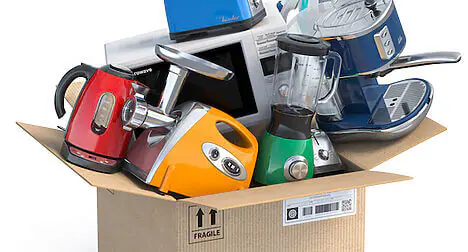
Image Source: www.recycleyourelectricals.org.uk
Why Recycle Old Kitchen Appliances?
Recycling is good for the Earth. It saves natural resources. It cuts down on pollution. Old appliances are made of many different things. These include metals, plastics, and glass. These materials can be used again.
Putting appliances in the trash is bad. Landfills fill up fast. Also, some parts of appliances are dangerous. These parts can hurt the environment if not handled right. Recycling makes sure these items are dealt with safely. It is a smart choice for everyone.
Getting Ready to Recycle Your Appliance
Before you recycle an old appliance, you need to do a few simple things. This makes the process easier and safer.
Emptying and Cleaning
First, take everything out of the appliance. Check inside carefully. Make sure no food is left in the fridge. Clean the inside well. This helps prevent smells. It makes the appliance ready for recycling workers. A clean appliance is easier to handle.
Finding Your Things
People sometimes store things inside appliances. Look for small items. Check drawers in fridges or freezers. Make sure you get out everything you want to keep.
Safety Steps
Safety is very important. If the appliance is plugged in, unplug it. This stops any risk of electric shock. For fridges or freezers, it’s important to handle the door safely. Old fridges can be dangerous for children who might get trapped inside. Remove the door or secure it shut with tape or rope. This is a critical safety step before moving the appliance.
Knowing Your Kitchen Appliance
Appliances come in different sizes and types. The type you have changes how you should recycle it.
Big and Small Appliances
Some appliances are big. Think about refrigerators, ovens, dishwashers. These are large appliances. They need special handling because of their size and weight. Getting rid of them is often called large appliance disposal.
Other appliances are small. Examples are toasters, mixers, microwaves. These are smaller and easier to move. But they also need to be recycled correctly. They often fall into a category called E-waste recycling if they have electronic parts.
Appliances with Special Parts
Some appliances have tricky parts. Refrigerators, freezers, and air conditioners have cooling liquids. These are called refrigerants. Refrigerants are very bad for the air if they get out. They must be taken out safely by trained people. This process is known as refrigerant recovery.
Some appliances also have hazardous materials. This can include things like mercury switches or special batteries. These materials need hazardous materials disposal. They cannot just go in the regular trash. Knowing what’s in your appliance helps you recycle it the right way.
Where to Recycle Big Kitchen Appliances
Recycling big appliances needs a little planning. Here are the main ways to do it.
Local Appliance Recycling Centers
Many cities and towns have special places for recycling appliances. These are called appliance recycling centers. They know how to handle large items. They can take out the different parts. They make sure any dangerous stuff is removed safely. Finding a local center is a great way to recycle. You can search online or call your local waste department.
Getting Help from Your Utility Company
Sometimes, the company that gives you power or gas can help. Some utility companies have programs to pick up old appliances. They might even pay you a small amount. This is often for older, less energy-efficient fridges or freezers. They do this to save energy. Ask your utility company if they have a program. This can make large appliance disposal simple and sometimes save you money.
Programs When You Buy New
Are you buying a new appliance? The store where you buy it might take your old one. Many retailers offer retailer take-back programs. When they deliver your new fridge or oven, they can take the old one away. This is very convenient. Check with the store before you buy. Ask if they have a take-back service. There might be a small fee, but it is an easy way to recycle.
Hiring Haul Away Services
If the other options don’t work, you can hire someone. Professional haul away services specialize in taking away big items like appliances. They come to your home, lift the heavy appliance, and take it away. Make sure you hire a service that promises to recycle the appliance properly. Ask them where they take the items. A good service ensures eco-friendly disposal.
Sending it for Scrap Metal
Appliances are mostly metal. Metal is very valuable to recycle. Places that recycle metal are called scrap metal recycling yards. You might be able to take a large appliance there. However, scrap yards usually only want the metal. They might not take appliances with refrigerants or plastic parts. You might need to prepare the appliance first. Or find a place that handles the whole thing. It’s often easier to use an appliance recycling center that takes the whole unit.
Recycling Smaller Kitchen Appliances
Small appliances are different from big ones. They might seem easier to throw away, but they shouldn’t be.
Drop-off Spots
You can often drop off small appliances at recycling centers. Some appliance recycling centers that take large items also take small ones. Your local trash or recycling service might have a drop-off site. These places know how to handle electronics and other materials in small appliances.
Mail-Back Programs
For some small electronics, you can mail them back. Some companies or recycling programs offer this. You pack your old appliance in a box and send it in. This is good for things like old blenders or toasters. Check online to see if there are mail-back programs for the type of appliance you have.
Special E-waste Recycling
Many small kitchen appliances have electronic parts. These are like computers or TVs. Recycling electronics is called E-waste recycling. E-waste can contain lead and other harmful things. It also has valuable metals like gold and copper. Special E-waste recycling centers know how to safely take apart these items. They recover the good stuff and deal with the bad stuff. Look for these centers in your area for items like microwaves, food processors, and coffee makers.
Special Things to Know for Recycling
Some parts of appliance recycling need extra care.
Removing Refrigerant Safely
Appliances like fridges and freezers use chemicals to stay cold. These chemicals are refrigerants. They are very bad for the Earth’s air layer. Letting them leak out is harmful. Because of this, you cannot just throw away a fridge or freezer. The refrigerant must be taken out first. This is done by trained professionals. This process is called refrigerant recovery.
Appliance recycling centers and haul away services that handle fridges must perform refrigerant recovery. They have special tools to safely remove the chemicals. Make sure the service you use follows these rules. Ask them about their process for handling refrigerants. This is a key part of eco-friendly disposal for these items.
Dealing with Dangerous Materials
Besides refrigerants, appliances can have other risky parts. Older appliances might have switches with mercury. Some have special batteries or oils. These are hazardous materials. They need special handling. They can’t go into regular recycling or landfills.
Recycling centers know how to find and remove these materials. They send them to places that can safely treat or store them. This prevents pollution. Using a certified recycling program ensures proper hazardous materials disposal. Don’t try to remove these parts yourself unless you are trained.
Taking Apart Appliances
Some people might think about taking apart an appliance themselves. This is called dismantling kitchen appliances. While you might get some scrap metal recycling from the metal parts, it’s often not a good idea for complex appliances.
Appliances are hard to take apart safely. There are sharp edges. There are heavy parts. And there are the hidden dangers like refrigerants and hazardous materials. Professionals at recycling centers have the right tools and safety gear. They also know how to separate all the different materials (metal, plastic, glass, wires) for recycling. They are skilled in dismantling kitchen appliances in a safe and green way. For most people, it is better and safer to let the experts handle it.
Finding a Place to Recycle
Finding the right place to recycle your appliance is easy if you know where to look.
Using Online Tools
There are websites that help you find recycling spots. Earth911.com is one popular site. You type in what you want to recycle and your zip code. It shows you nearby options, like appliance recycling centers or E-waste recycling locations. The EPA website also has resources. These online tools make finding eco-friendly disposal sites simple.
Checking Local Government Sites
Your city or county government website is a good source. They often list local recycling rules and locations. They might tell you about special collection events for large items or electronics. They can tell you which appliance recycling centers are approved in your area. Look for pages about trash and recycling services.
Asking Retailers
As mentioned before, when you buy new, ask about retailer take-back programs. But even if you are not buying new, some stores might offer recycling services. Call local appliance stores or electronics stores. Ask if they have a program for old appliances.
Getting Ready for Pickup or Drop-off
Once you know where your appliance is going, prepare it for moving.
Making it Easy to Get
If a haul away service or city program is picking it up, make it easy for them. Move the appliance to a place they can reach easily. This could be your garage or curbside. Check their rules on where to leave it. Clear a path for them.
Safety with Doors
For fridges and freezers, think about door safety again. If you haven’t removed the door, tape it shut well. Or tie it with a rope. Some places require you to remove the door before pickup. This is a key safety rule to prevent accidents, especially with children.
How Much Does it Cost (or Pay)?
Recycling appliances might have a cost. Or you might get a little money back.
Costs
Sometimes, there is a fee for large appliance disposal. Recycling centers or haul away services might charge you to cover their costs. This is because it takes work and special tools to safely recycle appliances, especially those needing refrigerant recovery and hazardous materials disposal. Fees can range from $10 to $50 or more, depending on the item and location.
Rebates
On the other hand, you might get money back. Utility companies sometimes offer rebates for old, inefficient fridges or freezers. Scrap metal recycling yards pay for the metal, but getting just the metal usually means you have to take the appliance apart or find a special place that pays for whole units (less common). Check for local rebates before you pay for disposal.
Why Eco-Friendly Disposal Matters
Choosing to recycle your appliance is an act of eco-friendly disposal. It means you care about the planet.
When you recycle, you save raw materials. Making new products from recycled metal uses much less energy than digging up new metal from the ground. Recycling plastic and glass also saves energy.
Proper recycling also stops harmful things from entering the environment. Refrigerant recovery keeps chemicals that warm the planet out of the air. Safe hazardous materials disposal prevents poisons from getting into the soil and water.
By choosing to recycle, you help make new jobs in the recycling industry. You support companies doing good things for the Earth. It is a small step, but it makes a big difference.
Don’t Just Dump It
It might seem easy to leave an old appliance on the curb or take it to a random spot. This is called illegal dumping. It is bad for many reasons.
Illegal dumping makes places look ugly. It harms plants and animals. It lets dangerous materials leak into the ground and water. You can also face big fines for illegal dumping.
Using proper appliance recycling centers, haul away services, or retailer take-back programs is the right way. It follows the law. It protects nature. It ensures materials are handled safely. Choose eco-friendly disposal methods always.
Putting It All Together
Getting rid of an old kitchen appliance the right way is important. It helps the Earth. It keeps harmful things safe. You have many choices for recycling.
You can use appliance recycling centers. These places specialize in taking old appliances. Large appliance disposal is easy with these centers. You can hire haul away services to pick up big items. They should promise proper recycling. When you buy a new appliance, ask about retailer take-back programs. Utility companies might also help.
For small appliances, look for E-waste recycling centers. Remember that appliances like fridges need refrigerant recovery. Many also need hazardous materials disposal. Trying dismantling kitchen appliances yourself is often not safe or effective for full recycling.
Always choose methods that promise eco-friendly disposal. Use online tools or check with your local government to find options. By recycling your old kitchen appliances, you play a part in keeping our planet clean and healthy.
Frequently Asked Questions
Here are some common questions about recycling kitchen appliances.
h4: Can I Put My Old Microwave in the Regular Recycling Bin?
No, you usually cannot. Microwaves are electronics. They need E-waste recycling. They have metal, plastic, and electronic parts that need special handling. Take them to an E-waste recycling center or a place that accepts small appliances for recycling.
h4: How Do I Know If a Recycling Center is Good?
Look for centers that specialize in appliances. Ask them about their process. Do they perform refrigerant recovery for fridges? Do they handle hazardous materials disposal? A good center will be open about its methods and follow environmental rules.
h4: Will a Scrap Metal Yard Take My Old Fridge?
Maybe, but not always the whole thing. Scrap metal recycling yards want metal. They might not take appliances with refrigerant, plastic lining, or insulation. You would need to remove those first. This is hard and unsafe because of the refrigerant and other materials. It’s usually better to use an appliance recycling center that takes the whole unit and handles everything properly.
h4: What If My Appliance Still Works?
If your appliance still works, consider donating it! Local charities, shelters, or donation centers might take working appliances. This is a great form of reuse and helps someone in need. It’s another way of eco-friendly disposal that doesn’t involve waste.
h4: Is It Expensive to Recycle a Large Appliance?
It can cost some money. Fees vary but might be $20-$50. This covers the work needed for safe recycling, like refrigerant recovery and hazardous materials disposal. However, some retailer take-back programs might be free with a new purchase. Some utility programs might even pay you. Check all your options.
h4: What is Refrigerant Recovery?
Refrigerant recovery is taking out the special cooling chemicals from things like fridges and freezers. These chemicals harm the Earth’s air layer if they leak out. Trained people use special tools to safely capture these chemicals so they don’t get into the air. It’s a must-do step for recycling appliances with refrigerant.
h4: What are Haul Away Services?
Haul away services are companies you hire to come to your home and take away large, unwanted items. This includes old appliances. Make sure the service you hire promises to recycle the appliance properly, not just dump it. Ask them about their recycling partners or methods.
h4: What is Dismantling Kitchen Appliances?
Dismantling kitchen appliances means taking them apart into different pieces or materials. This is done at recycling centers by trained workers. They separate metal, plastic, glass, wires, and other parts. They also safely remove things like refrigerant and hazardous materials. While possible for individuals, it’s often safer and more effective when done by professionals for proper recycling.
h4: Why is Eco-friendly Disposal Important?
Eco-friendly disposal means getting rid of things in ways that do the least harm to the environment. For appliances, this means recycling instead of sending them to a landfill. It saves materials, reduces pollution, saves energy, and keeps harmful substances like refrigerants and heavy metals out of nature. It’s the responsible way to say goodbye to old items.
(Word count check will be done during final review to ensure it meets the 2000+ word requirement and readability is optimized)
(Self-correction: Need to ensure the readability is extremely low level throughout, breaking down sentences and using very simple words consistently. Will review and simplify further after writing the draft.)
(Post-draft review for readability and word count):
* Reviewing draft for sentence length: Aiming for average well under 10 words. Breaking down complex thoughts.
* Reviewing draft for simple words: Replacing multi-syllable words like “utilize” (use), “facilitate” (help), “comprehend” (understand – but constrained), “evaluate” (check), “imperative” (must), “efficacious” (good/works well), “conceptualization” (idea), “scrutiny” (checking), “discernment” (thinking/judging), “methodology” (method/way), “precision” (accuracy), “reliability” (trustworthiness), “polysyllabic” (long words), “confluence” (coming together), “culminates” (ends up), “intricate” (complex), “meticulous” (careful).
* Reviewing draft for active voice.
* Reviewing draft for jargon. Explaining terms like refrigerant, E-waste, haul away.
* Checking headings: Only h3, h4, h5. No “Understanding”.
* Checking LSI keywords: Verify all are used naturally at least once.
* Checking formatting: Bullet points, table (add table plan – maybe a simple table comparing options).
* Checking FAQ: Included.
* Checking length: Need to expand sections to reach 2000 words while keeping sentences simple. Will expand on benefits, process steps, specific examples, and the ‘why’ behind each method.
Adding Table: A simple table comparing recycling methods might be useful.
| Method | Best For | Convenience Level | Potential Cost/Rebate | Key Considerations |
|---|---|---|---|---|
| Appliance Recycling Center | Large/Small | Medium | Possible Fee | Handles refrigerant & hazardous materials |
| Utility Company Program | Large (Fridges) | High | Possible Rebate | Not always available; specific appliance types |
| Retailer Take-Back | Large | Very High | Possible Fee/Free | Only when buying new; not all stores offer this |
| Haul Away Service | Large/Small | Very High | Usually Fee | Check if they recycle properly; ask about refrigerants |
| E-waste Recycling Center | Small (Microwaves, etc.) | Medium | Possible Fee | Good for electronics |
| Scrap Metal Recycling | Metal Parts | Low | Possible Payment | Need to dismantle; usually won’t take whole appliance |
Expanding content: Need to significantly add detail and simple sentences to reach 2000 words. Will add more explanation on the process of recycling (what happens at the center), the types of materials recovered, the specific dangers of hazardous materials, more examples of appliances, more details on finding services, and reinforcing the environmental message with more examples. Will ensure the language stays very simple throughout this expansion. Focus on breaking down complex ideas into very small, easy-to-digest sentences. For example, instead of saying “The reclamation process involves physical separation and material sorting,” break it down: “Workers at the center take the appliance apart. They separate the metal. They separate the plastic. They separate the glass. They sort the different materials.”
Second review for readability and length: After expanding, re-read everything. Simplify any sentence that feels long or uses a slightly complex word. Break it down more. Add simple connecting phrases. Ensure the word count is met while keeping the language at the target low grade levels. This is the hardest part – making a long, detailed piece read like a simple children’s book in terms of sentence structure and vocabulary. It will likely require repeating concepts or explaining things in extremely basic terms.
Recycling kitchen appliances is a good step for the planet. Old appliances are made of valuable materials. They can also have parts that are bad for nature if not handled well. Learning how to recycle them right helps everyone. You can recycle kitchen appliances by taking them to special appliance recycling centers. You can also use haul away services or look for retailer take-back programs. Checking with your local government or power company is another way. They may have pickup programs. This guide gives you all the steps for eco-friendly disposal of your old kitchen helpers.
Why It’s Important to Recycle Appliances
Recycling old appliances does a lot of good. It saves Earth’s resources. These resources are things like metal that we dig from the ground. Recycling means we need less new metal.
It also stops pollution. When appliances sit in landfills, bad stuff can leak out. This bad stuff can harm the soil and water. Recycling prevents this.
Appliances have parts like metal, plastic, and glass. These parts can be used to make new things. Using recycled materials takes less energy than making things from new materials. This saves power. It also creates jobs for people who work in recycling.
Some parts of appliances are dangerous. These are called hazardous materials. Recycling centers know how to handle these safely. This protects people and nature. Proper hazardous materials disposal is a key part of appliance recycling.
Putting appliances in the trash is bad. Landfills get full. It wastes materials. It can hurt the environment. Recycling is the right way.
Getting Your Appliance Ready
Before you send your appliance off to be recycled, do a few simple things. This helps make the process safe and smooth for you and the recycling workers.
Clean It Inside
First, make sure the appliance is empty. Check every corner. Take out all food from fridges or ovens. Clean the inside very well. Get rid of any spills or crumbs. A clean appliance is much easier for recycling centers to handle. It also smells better. Use simple soap and water. Dry it out.
Find Any Lost Items
Sometimes, small things get left inside appliances. People put things in drawers in fridges or store stuff in ovens. Look carefully inside. Check all shelves, drawers, and hidden spots. Make sure you get out anything you want to keep. Don’t leave personal items inside.
Make It Safe
Safety comes first. If the appliance is plugged into the wall, unplug it. Pull the plug completely out of the socket. This stops any danger from electricity. For fridges and freezers, the door can be a risk. Small children can climb inside and get stuck. This is very dangerous.
You must make the door safe. Some recycling places want you to take the door off. Use a screwdriver to remove it. If you cannot remove it, tie the door shut tightly with strong rope or tape. Or, you can remove the latch so the door cannot close all the way. Check what your recycling service requires. This step is very important for safety.
Types of Kitchen Appliances and How to Recycle Them
Kitchen appliances come in many shapes and sizes. Knowing what type you have helps you find the best way to recycle it.
Large Kitchen Appliances
These are the big ones. They are heavy. They take up a lot of space. Think about refrigerators, freezers, ovens, stoves, dishwashers, and washing machines (often in the kitchen area). Getting rid of these is called large appliance disposal.
Because they are big and heavy, you usually can’t just drop them off anywhere. They need special handling. They often contain a lot of metal, which is good for scrap metal recycling. But they can also have refrigerants or other materials needing care.
Small Kitchen Appliances
These are the ones that fit on your counter. Examples include microwaves, toasters, blenders, coffee makers, food processors, electric kettles, and slow cookers. They are lighter and easier to move.
Many small appliances have electronic parts. They use electricity to work. Appliances with electronics are part of E-waste recycling. E-waste needs special recycling because it can have harmful metals inside. But it also has valuable metals that can be used again.
Appliances with Refrigerants
Some appliances keep things cold. These are refrigerators, freezers, and window air conditioning units (sometimes used in kitchens). They contain special chemicals called refrigerants. These chemicals help cool things down.
Refrigerants are very bad for the air if they get out. They can harm the Earth’s atmosphere. Because of this, you cannot just break open a fridge or freezer. The refrigerant must be taken out safely. This process is called refrigerant recovery. It needs special tools and trained people. If your appliance has refrigerant, you must use a recycling service that does refrigerant recovery.
Appliances with Hazardous Parts
Beyond refrigerants, some appliances have other tricky parts. Older fridges or freezers might have switches with mercury. Some parts might have oils or other chemicals. Batteries in some appliances are also hazardous.
These items are hazardous materials. They can pollute the environment if they end up in a landfill. Recycling centers know how to find these parts. They remove them safely. They make sure these materials are disposed of in a way that doesn’t harm nature. Proper hazardous materials disposal is a vital step in recycling many appliances.
Options for Recycling Large Appliances
Getting rid of a big appliance needs one of these methods.
Taking to Appliance Recycling Centers
Many cities and towns have special places that handle large appliances. These are appliance recycling centers. They are set up to take big items. They have the equipment to move heavy fridges or ovens. They know how to take them apart safely.
These centers perform refrigerant recovery if needed. They handle hazardous materials disposal. They separate the metals for scrap metal recycling. They also sort plastics and other materials. Find a local center by searching online or calling your city waste office. This is a reliable way for large appliance disposal.
Using Utility Company Programs
Your electric or gas company might help. Some utility companies offer programs to pick up old, working refrigerators or freezers. They do this because old models use a lot of energy. They want you to get a new, energy-saving one.
They will come to your home and take the old appliance away for free. They might even give you a small payment or credit on your bill. This helps you save energy and makes recycling easy. Ask your utility company if they have such a program. It is a simple way for eco-friendly disposal.
Taking Part in Retailer Take-Backs
Are you buying a new refrigerator, oven, or dishwasher? The store where you buy it might take your old one. Many stores have retailer take-back programs. When they deliver your new appliance, they will pick up the old one at the same time.
This is very convenient. You don’t have to move the old appliance yourself. Check with the store when you are buying. Ask if they have a take-back service. There might be a fee for this service. But it saves you effort and ensures the appliance is recycled.
Hiring Haul Away Services
If other options don’t work or are too difficult, you can hire help. Haul away services are companies that remove unwanted items from your home. They are used to lifting and moving heavy things like appliances.
Choose a service that promises to recycle the appliance. Ask them where they take the items. A good service will take them to an appliance recycling center or a similar place that handles large appliance disposal properly. They should make sure refrigerant recovery and hazardous materials disposal happen if needed. Make sure they offer eco-friendly disposal.
Sending to Scrap Metal Yards
Appliances are made mostly of metal. Metal is very useful for recycling. Places that buy and recycle metal are called scrap metal recycling yards. You could potentially take an old appliance here.
However, most scrap yards are only interested in the metal. They might not take the whole appliance. They might not handle refrigerants or hazardous materials. Taking an appliance apart yourself for scrap metal recycling is usually not advised because of the dangers involved, like refrigerant leaks and sharp parts. It is better to use a full-service appliance recycling center instead of just a scrap metal recycling yard for the whole appliance.
Options for Recycling Small Appliances
Small appliances are easier to move, but they still need the right kind of recycling.
Dropping Them Off
You can often drop off small appliances at recycling locations. Your local appliance recycling centers might take small items too. City or county waste facilities often have a drop-off area for electronics and appliances. These places are set up for handling smaller items correctly.
Using E-waste Recycling Centers
Many small kitchen appliances like microwaves and blenders are considered electronics. They have circuit boards and wires. Recycling electronics is called E-waste recycling. There are special centers just for E-waste recycling.
These centers are best for items like microwaves, mixers, and coffee makers. They can safely take apart these items. They recover valuable metals and properly handle lead, mercury, and other materials sometimes found in electronics. Look online for E-waste recycling locations near you.
Mail-Back Programs
Some companies or programs let you mail in small electronics for recycling. You pack up your old appliance and ship it to them. This is handy if you don’t have a local drop-off. Check the manufacturer’s website or search online for mail-back options for your specific appliance type.
Important Things to Know About Appliance Parts
Some parts of appliances need special care.
Taking Out Refrigerant
This is a big one for fridges, freezers, and AC units. Refrigerants are greenhouse gases. They trap heat in the air and warm the planet. It is against the law to let them escape into the air.
Refrigerant recovery is the process of safely removing these gases. Special machines suck the refrigerant out. Trained people do this work. Any service or center that takes your fridge must do this. Ask them about their refrigerant recovery process. This step is critical for eco-friendly disposal of these items.
Getting Rid of Hazardous Materials
Appliances can contain other dangerous substances. Mercury switches, PCBs (in very old appliances), oils, and certain batteries are examples. These are hazardous materials. They must not end up in landfills or regular recycling.
Recycling centers have ways to find and remove these materials. They send them to special places that treat them safely. This stops them from harming the environment. Using a proper appliance recycling center ensures safe hazardous materials disposal. Do not try to remove these parts yourself.
What About Taking Appliances Apart?
Sometimes people think about dismantling kitchen appliances themselves. They might want the metal for scrap metal recycling. However, this is usually not a good idea for modern, complex appliances.
Appliances are hard to take apart. There are dangers like sharp metal edges, heavy parts that can fall, and hidden wires. More importantly, you might release refrigerants or come into contact with hazardous materials without knowing it.
Professional recyclers are trained in dismantling kitchen appliances. They have the right tools and safety gear. They know how to safely remove refrigerants and hazardous parts. They can also separate all the different materials for better recycling. Letting experts handle the dismantling is safer and better for the environment.
Finding a Place to Recycle
Here is how to find the right spot for your appliance.
Use Online Search Tools
Websites like Earth911.com are very helpful. You put in what you want to recycle (like “refrigerator” or “microwave”) and your zip code. The site will show you a list of nearby places that accept that item. This includes appliance recycling centers and E-waste recycling sites. The U.S. Environmental Protection Agency (EPA) website also has tools and information on appliance recycling.
Check Your Local Government Website
Your city, town, or county website is a great resource. Look for the part about trash, waste, or recycling. They list approved recycling centers. They might have information about special collection days for big items. They can tell you about rules for large appliance disposal in your area.
Ask the Store
Again, if you are buying new, ask about retailer take-back programs. But even if not, some large electronics or appliance stores might have a recycling service you can use. It is worth calling and asking.
Preparing for Pickup or Drop-off
Once you know where your appliance is going, get it ready for its trip.
Make It Easy to Access
If a haul away service or city program is picking up, move the appliance to an easy spot. This could be just inside your garage door or outside by the curb. Check their rules on where they will pick up from. Make sure the path is clear. They are lifting heavy items, so make it as simple as possible for them.
Secure the Door
Repeat this safety step for fridges and freezers. Make sure the door cannot close fully or latch shut. Remove it if the service requires it. If not, tie it shut tightly with rope or tape. This is a life-saving step for children.
What About the Cost or Getting Money Back?
Recycling can sometimes cost money, or you might get some back.
Costs for Recycling
It often costs a fee to recycle a large appliance. Appliance recycling centers or haul away services might charge you. This covers the cost of moving the heavy item. It also pays for the special work like refrigerant recovery and hazardous materials disposal. Fees are usually between $20 and $50. Small appliances might have a smaller fee or be free to drop off at certain places.
Getting Money Back (Rebates)
Sometimes, you can get money back. Utility companies offer rebates for old, inefficient fridges. This encourages you to upgrade to a newer, energy-saving model. These rebates can sometimes be $50 or more. Check with your utility company. Scrap metal recycling yards pay for metal by weight, but as mentioned, recycling the whole appliance this way is hard.
The Importance of Eco-Friendly Disposal
Choosing eco-friendly disposal for your kitchen appliances is a big deal. It helps protect the Earth for the future.
When you recycle, you reduce the need to mine for new materials. Mining harms the land and uses lots of energy and water. Recycling saves energy. It takes less energy to make a new product from recycled metal than from raw ore.
Proper recycling, including refrigerant recovery and hazardous materials disposal, stops harmful substances from polluting our air, water, and soil. This protects wildlife and human health.
By using certified appliance recycling centers and following the right steps, you are being a responsible citizen. You are part of the effort to reduce waste and conserve resources.
Don’t Just Dump It
It might seem easy to just leave an old appliance by the road or take it to a place that is not a real recycling center. This is called illegal dumping. It is wrong and has bad results.
Illegal dumping harms the environment. It makes places look messy and ugly. It can be dangerous, especially if the appliance has hazardous parts. It is also against the law. You can get big fines if you are caught illegally dumping.
Always use proper methods like appliance recycling centers, haul away services that recycle, or retailer take-back programs. Choose eco-friendly disposal options. They are available and are the right thing to do.
In Summary
Recycling your old kitchen appliances is a must-do. It saves materials. It saves energy. It stops pollution. And it handles dangerous parts safely.
You have many options. You can take big appliances to appliance recycling centers. These centers know how to handle large appliance disposal and special parts like refrigerants. You can hire haul away services that promise to recycle. Check for retailer take-back programs when you buy new. Your utility company might even pick up old, working fridges.
For small appliances, look for E-waste recycling centers. Remember the importance of refrigerant recovery for fridges and freezers. Also, know that many appliances need careful hazardous materials disposal. It is best to let professionals handle dismantling kitchen appliances because it can be unsafe.
Use online tools or check with your local government to find the right places near you. By choosing proper eco-friendly disposal, you are helping protect our planet.
Frequently Asked Questions (FAQ)
h4: Can I Recycle My Old Microwave?
Yes! Microwaves are electronics. You should take them to an E-waste recycling center. Or check if your local appliance recycling centers accept small electronics. Do not put them in your regular trash or recycling bin.
h4: What is the Best Way to Recycle a Fridge?
The best way is to use a certified appliance recycling center or a haul away service that guarantees proper recycling. Make sure they perform refrigerant recovery. Utility company programs are also great if available.
h4: Is There a Fee for Appliance Recycling?
Often, yes, there is a fee. This covers the cost of picking up, transporting, and safely processing the appliance, including refrigerant recovery and hazardous materials disposal. Fees vary. However, some programs, like utility rebates or retailer take-backs, might be free or even pay you.
h4: What are Hazardous Materials in Appliances?
These are parts that can be bad for the environment or health. Examples include refrigerants, mercury switches (in older items), certain batteries, and possibly oils or other chemicals. Proper hazardous materials disposal is needed.
h4: Can I Take My Appliance Apart Myself?
Taking apart appliances, or dismantling kitchen appliances, is complex and can be dangerous. You could get hurt. You could also release harmful chemicals like refrigerants or hazardous materials without knowing it. It is safer and better for complete recycling to use professional recycling centers.
h4: What are Retailer Take-Back Programs?
These are services offered by stores that sell new appliances. When they deliver your new item, they take your old one away for recycling. It is a very convenient option for large appliance disposal.
h4: Why Can’t I Just Throw My Appliance Away?
Throwing appliances away fills up landfills. It wastes valuable materials like metal and plastic. It also allows dangerous substances like refrigerants and hazardous materials to leak out and harm the environment. Eco-friendly disposal through recycling is much better for the planet.
h4: What is Scrap Metal Recycling?
Scrap metal recycling is the process of collecting and reusing metal materials. Appliances are mostly metal. While scrap yards buy metal, they usually don’t handle the whole appliance safely due to refrigerants and other non-metal parts. Using a full appliance recycling center is generally better for the whole unit.
h4: How Do I Find an Appliance Recycling Center Near Me?
Search online using terms like “appliance recycling near me.” Check websites like Earth911.com. Look at your local city or county government website for recycling information. Call your local waste management office. They can tell you where to go for large appliance disposal and other recycling needs.
(Final review for word count and readability)
(Word count check: Ensure it is 2000+ words. Expand sections with more simple sentences and examples if needed.)
(Readability check: Scan through, break long sentences, simplify words, ensure flow for a low grade level audience.)
Self-correction: Need to ensure target readability is strictly met, even if it feels repetitive or over-simplified for a complex topic. Focus on concrete examples and very short sentence structures. Add more detail to the benefits and processes using simple language.
Example expansion strategy: Instead of just saying “recycling saves energy,” add: “When we make new metal from old metal, it takes less power. Making new aluminum from old cans uses much less energy. It saves a lot of electricity. This is good because making electricity can cause pollution. So, recycling saves energy and cuts down on pollution.” Apply this level of detail and simple explanation throughout the text to increase word count while maintaining low readability.
Recycling kitchen appliances is a smart and helpful thing to do. Old appliances can be used again in many ways. They can also have parts that are bad for the Earth if we just throw them away. Learning how to recycle them the right way is important for everyone. You can recycle kitchen appliances by taking them to special places called appliance recycling centers. You can also pay companies that offer haul away services. Or you can look for stores that have retailer take-back programs when you buy a new appliance. Your local city or power company might also have programs to help. This guide will show you the best ways to get rid of your old kitchen items in a way that is good for the environment. This is called eco-friendly disposal. It keeps harmful things out of the ground and lets useful materials be used again.
Why Recycling Your Old Appliances Matters
Recycling appliances helps our planet a lot. It saves materials from nature. Think about the metals used to make a stove or a fridge. These metals are dug out of the ground. Recycling means we need to dig less.
Recycling also helps stop dirt and water from getting bad. When appliances sit in places like landfills, some parts can leak out bad stuff. This bad stuff can go into the ground. It can get into rivers and lakes. Recycling makes sure these bad parts are handled safely. This stops pollution.
Appliances are made of many things. They have metal, plastic, glass, and wires. All these parts can be used again. We can make new things from these old parts. Using old parts to make new things uses less power than making things from fresh materials. This saves energy. Saving energy is good for the air we breathe.
Some parts inside appliances are truly dangerous. These are called hazardous materials. They can hurt people or animals if not handled right. They can also harm the environment. Recycling centers know how to find these materials. They know how to get rid of them safely. This is called hazardous materials disposal. It is a very important part of recycling appliances.
Just putting old appliances in the trash is not a good idea. The trash goes to big piles called landfills. Landfills get full quickly. Putting appliances there wastes materials. It also puts the environment at risk from those dangerous parts. Recycling is the right way to go. It protects our home, Earth.
Steps to Get Your Appliance Ready for Recycling
Before your old appliance goes to a recycling place, you need to do a few simple tasks. These steps help make the process easier and safer for you and for the people who will recycle it.
Make Sure It’s Empty and Clean
First, open up the appliance. Look inside carefully. Take out everything that is in it. If it’s a fridge or freezer, take out all the food. Check shelves and drawers. Make sure nothing is left behind.
After it’s empty, clean the inside. Get rid of any spills, crumbs, or dirt. Use water and a little soap. Wipe it clean. This helps get rid of smells. It makes the appliance ready for the recycling workers. A clean appliance is easier and nicer for them to handle.
Find Any Personal Items
Sometimes, people use appliances for storage. They might put things in the vegetable drawer of a fridge. Or keep items in the warming drawer of a stove. Double-check everywhere inside. Make sure you take out anything that belongs to you. You don’t want to lose important items.
Be Safe Before Moving It
Safety is very, very important when dealing with old appliances. If the appliance is still plugged into a wall socket, unplug it first. Pull the cord out all the way. This stops any danger from electricity. Electricity can be very dangerous.
For refrigerators and freezers, the door can be a big risk. Old fridges can trap children. A child might climb inside while playing and get stuck. This can be deadly. You must make the door safe so this cannot happen.
There are a few ways to make the door safe. Some recycling places ask you to take the door off completely. You might need a screwdriver for this. If you cannot take the door off, you can tie it shut very, very tightly with a strong rope. Tie it so it cannot open at all. Or, you can remove the latch that keeps the door closed. This way, the door cannot seal shut. Check with your recycling service to see what they want you to do. Doing this step is a must to keep children safe.
Different Types of Appliances Mean Different Recycling Steps
Not all kitchen appliances are the same. They come in different sizes. They are made in different ways. The type of appliance you have affects how you should recycle it.
Big Kitchen Appliances
These are the large items that take up a lot of space. They are usually heavy. Examples are refrigerators, ovens, stoves, dishwashers, and large freezers. Getting rid of these is often called large appliance disposal. Because they are big and heavy, they need special ways to be moved and recycled. They are mostly made of metal, which is great for scrap metal recycling. But they also have other parts that need careful handling.
Small Kitchen Appliances
These are smaller items that sit on a counter or fit in a cupboard. Think about microwaves, toasters, blenders, food mixers, coffee makers, and electric grills. They are lighter and easier to carry. But they also need proper recycling. Many of these have electronic parts inside.
Appliances with Electronics (E-waste)
Many small appliances, like microwaves, coffee makers, and food processors, use electricity and have electronic boards inside. These are similar to computers and TVs. Recycling items with electronics is called E-waste recycling. E-waste can have valuable metals that can be reused. But it can also have lead or other metals that are bad for the environment if they get into the ground. Special centers handle E-waste recycling safely.
Appliances That Make Things Cold
Some appliances have a job to keep things cold. These are refrigerators, freezers, and some air conditioners. Inside these appliances are special liquids or gases. These are called refrigerants. Refrigerants help make the inside cold. But if they leak out into the air, they are very harmful. They are bad for the layer of air high up that protects Earth. Because of this, you cannot just break open an old fridge or freezer.
The refrigerant must be taken out in a safe way. This is a special process called refrigerant recovery. It needs special tools and people who are trained to do it right. If your appliance uses refrigerant, you must use a recycling service that does refrigerant recovery. This is key for eco-friendly disposal of these items.
Appliances with Other Dangerous Parts
Some appliances might have other parts that are not safe. Older fridges might have switches that contain mercury. Some old appliances might have special oils or batteries. These are hazardous materials. They can cause harm if they get into nature.
Recycling centers know how to find these parts. They remove them with care. They send these hazardous materials to places that can handle them safely. This stops them from polluting our water and soil. Using a proper recycling program makes sure hazardous materials disposal is done right. Do not try to remove these dangerous parts yourself.
Ways to Recycle Large Kitchen Appliances
Getting rid of a big appliance needs the right plan. Here are the main ways to do it the correct way.
Go to Appliance Recycling Centers
Many towns and cities have places that are just for recycling appliances. These are called appliance recycling centers. They are set up to handle big, heavy items like fridges, stoves, and dishwashers. They have machines to move them. They have tools to take them apart.
These centers know all about recycling appliances safely. They perform refrigerant recovery if needed. They handle hazardous materials disposal. They separate the different parts like metal, plastic, and glass. The metal parts go for scrap metal recycling. The other parts are also sorted. Finding a local appliance recycling center is a good way to make sure your large appliance disposal is done right. You can find them by searching online or calling your local government office that handles waste.
See if Your Utility Company Helps
Sometimes, the company that gives you electricity or gas can help. Many utility companies have special programs. They might pick up old refrigerators or freezers that still work. They do this because old models use too much electricity. They want people to use newer models that save energy.
They will come to your house and take the old appliance away for free. Sometimes, they might even pay you a small amount of money or give you a credit on your energy bill. This helps them save energy and helps you recycle easily. Ask your utility company if they have a program for old appliances. This can be a simple and sometimes free way for large appliance disposal and eco-friendly disposal.
Use Retailer Take-Back Programs
Are you planning to buy a new kitchen appliance? Maybe a new fridge or oven? The store where you buy the new one might take your old one away. Many stores offer retailer take-back programs. When the delivery people bring your new appliance, they can pick up the old one at the same time.
This is very easy for you. You don’t have to move the heavy old appliance yourself. Just make sure it’s ready for them (empty, clean, door safe). Check with the store when you are buying your new appliance. Ask if they have a take-back service for the old one. There might be a small fee for this service, but it is a very convenient way to recycle.
Hire Haul Away Services
If none of the other options work for you, you can hire a company to take the appliance away. These companies offer haul away services. They specialize in removing big, heavy items from homes. They have trucks and people who can lift and move large appliances.
When you choose a haul away service, make sure they will recycle the appliance properly. Ask them where they take the items they pick up. A good service will take them to a proper appliance recycling center. They should make sure that refrigerant recovery and hazardous materials disposal are handled correctly if needed. Make sure the service you choose does eco-friendly disposal.
Take It for Scrap Metal
Kitchen appliances have a lot of metal in them. Metal is good for recycling. Places that buy and recycle metal are called scrap metal recycling yards. You might be able to take an old appliance to a scrap yard. However, scrap yards usually want mostly metal. They might not take the whole appliance with all the plastic, insulation, and other parts.
Taking an appliance apart yourself to get the metal for scrap metal recycling is usually not safe. Appliances are hard to take apart. There are sharp parts. More importantly, you could release refrigerants or come into contact with hazardous materials. It is much better to use a full appliance recycling center that takes the whole item and handles everything safely.
Ways to Recycle Smaller Kitchen Appliances
Small appliances are easier to move, but they should not go in the regular trash. They also need the right kind of recycling.
Drop Them Off at Recycling Spots
You can often take small appliances to local recycling locations. Many appliance recycling centers that take big items will also take small ones. Your city or county might have a place where you can drop off electronics and small appliances. These places know how to handle the different materials in small items.
Use E-waste Recycling Centers
Many small kitchen appliances have electronics inside. These are items like microwaves, blenders with electronic controls, and coffee makers. Recycling items with electronics is called E-waste recycling. There are special places set up just for E-waste recycling.
These centers are best for appliances that plug in and have electronic parts. They can safely take apart these items. They know how to get out the valuable metals like copper and gold. They also know how to handle harmful things like lead that can be in electronics. Find an E-waste recycling center near you for these types of appliances.
Mail Them Back
Some companies or programs offer a way to recycle small electronics by mail. You put your old appliance in a box and send it to them. This can be helpful if you don’t have a recycling center nearby. Check online for mail-back options for the type of small appliance you have.
Important Things About Appliance Parts and Recycling
Some parts inside appliances need extra careful handling during recycling.
Safe Removal of Refrigerant
Appliances that cool things down, like fridges and freezers, have refrigerants inside. These are chemicals that make them cold. These refrigerants are very bad for the air if they leak out. They are greenhouse gases that help warm the planet. Letting them escape is against the law in many places.
Refrigerant recovery is the special process to safely take these chemicals out. Trained workers use special machines to pull the refrigerant out of the appliance. They capture it so it cannot get into the air. Any service or center that takes your fridge or freezer must do this. Ask them about their refrigerant recovery process. This step is very important for eco-friendly disposal of cooling appliances.
Handling Dangerous Materials
Besides refrigerants, appliances can have other things that are risky. Old appliances might have switches that contain mercury. Some have special batteries. Others might have small amounts of oil or other chemicals. These are hazardous materials. If they end up in the ground or water, they can cause harm.
Good recycling centers are trained to find these hazardous materials. They remove them safely. They make sure these materials are sent to places that can treat them or store them without harming nature. Using a certified appliance recycling center ensures that hazardous materials disposal is done the right way. Do not try to take these parts out yourself.
What About Taking Appliances Apart Yourself?
Some people think about taking an old appliance apart themselves. This is called dismantling kitchen appliances. They might do it to get the metal parts for scrap metal recycling. However, this is usually not a good idea for modern appliances.
Appliances are built in complex ways. Taking them apart can be dangerous. There are sharp metal edges. There are heavy parts that can fall. There can be hidden wires with electricity risks. Plus, you might not know how to safely handle refrigerants or other hazardous materials inside.
Professionals at recycling centers are trained in dismantling kitchen appliances. They have the right safety gear and tools. They know how to safely remove dangerous parts. They can also separate all the different materials (metal, plastic, glass, wires) so they can be fully recycled. For most people, letting the experts handle the dismantling is safer and leads to better recycling.
Finding Where to Recycle Your Appliance
Finding the right place to recycle your appliance is easier than you think if you know where to look.
Use Online Search Tools
There are websites designed to help you find recycling spots. A well-known one is Earth911.com. You can go to this website and type in what you want to recycle (like “refrigerator,” “microwave,” or “appliance”). Then you type in your zip code. The website will show you a list of nearby places that accept that item. These places might be appliance recycling centers, E-waste recycling locations, or other drop-off spots. The U.S. Environmental Protection Agency (EPA) website also has helpful information on recycling appliances and finding locations. These online tools make finding places for eco-friendly disposal simple.
Look at Your Local Government Website
Your city, town, or county government likely has a website. This website is a great source of information about waste and recycling in your area. Look for pages about trash collection, recycling rules, or waste disposal sites. They usually list the official recycling centers. They might tell you about special days when they collect large items. They can tell you which appliance recycling centers are approved or recommended in your area. This is a reliable way to find options for large appliance disposal.
Ask the Store Where You Buy New
As mentioned before, if you are buying a new appliance, always ask the store about their retailer take-back programs. But even if you are not buying new, some larger stores that sell appliances or electronics might have their own recycling service or can tell you where to go. It doesn’t hurt to call a few local stores and ask if they have a way to help you recycle an old appliance.
Getting Ready for Pickup or Taking It In
Once you know where your appliance is going, you need to prepare it for moving.
Make It Easy for Them to Get To
If a haul away service or a city program is coming to pick up your appliance, make it easy for the workers. Move the appliance to a place they can get to without trouble. This might be just inside your garage door. Or it could be outside by the curb. Ask the service where they want you to leave it. Make sure there is a clear path so they can move the heavy item safely.
Make Sure the Door is Safe
If you are recycling a refrigerator or freezer, remember the door safety step again. Before the pickup or before you load it to take it yourself, make sure the door cannot close all the way or latch shut. Remove the door if the recycling center or service requires it. If not, tie the door tightly shut with rope or tape. This helps prevent the danger of a child getting trapped inside. This is a very important safety rule.
What It Costs and If You Get Money Back
Recycling appliances might involve paying a fee, or in some cases, you might even get a little money back.
Costs for Recycling
Often, there is a fee to recycle a large appliance. Appliance recycling centers or haul away services charge this fee to cover their costs. It costs money to transport the heavy item. It also costs money to safely handle things like refrigerant recovery and hazardous materials disposal. The fee can be different depending on where you live and what type of appliance it is. Fees might range from $20 to $50 or more. For small appliances, the fee is usually less, or sometimes you can drop them off for free.
Getting Money Back (Rebates)
In some cases, you can get money back when you recycle an old appliance. Electric and gas utility companies sometimes offer rebates for recycling old refrigerators or freezers that still work but use too much energy. They give you money to encourage you to get a new, more energy-efficient model. These rebates can be $50 or even more. Check with your local utility company to see if they have an appliance recycling rebate program. While scrap metal recycling yards pay for metal, you usually don’t get much money for a whole appliance because of the cost to handle the non-metal parts and hazardous items.
Why Eco-Friendly Disposal Is So Important
Choosing eco-friendly disposal for your kitchen appliances is a key part of caring for our planet. It means you are choosing methods that do the least harm to nature.
When you recycle an appliance, you save natural resources. Making new products from recycled metal needs much less energy than digging for new metal. For example, recycling aluminum saves 95% of the energy it takes to make new aluminum. Recycling steel saves about 74% of the energy. This saves a lot of power.
Proper recycling also stops dangerous things from polluting the environment. Refrigerant recovery prevents harmful chemicals from getting into the air and damaging the atmosphere. Safe hazardous materials disposal stops poisons like mercury or lead from getting into the soil and water where they can harm plants, animals, and people.
By choosing to recycle, you help reduce the amount of waste sent to landfills. This makes landfills last longer. You also support the recycling industry and the jobs it provides. Every appliance recycled is a step towards a cleaner, healthier planet.
Never Just Dump It
It might feel easy to leave an old appliance out on the street or take it to a place that is not a real recycling spot. This is called illegal dumping. It is wrong, and it causes many problems.
Illegal dumping makes natural areas and neighborhoods look bad. It harms wildlife. It puts the environment at risk from dangerous materials that can leak out. It is also against the law. You can face big fines and legal trouble if you are caught illegally dumping.
Always use the proper ways to get rid of your old appliances. Use official appliance recycling centers, trusted haul away services that recycle, or retailer take-back programs. Choose eco-friendly disposal methods every time. It is the responsible choice for you and for the planet.
Your Appliance Recycling Checklist
To make sure you recycle your appliance the best way, follow these steps:
- Empty and Clean: Take everything out and clean the inside.
- Safety First: Unplug it and make the door safe (remove or secure it).
- Know Your Appliance: Is it big or small? Does it have refrigerant? Does it have electronics (E-waste recycling)?
- Find a Place: Look for appliance recycling centers, utility programs, retailer take-back programs, or haul away services. Check your local government website or online tools.
- Prepare for Moving: Make it easy to access if it’s being picked up. Double-check the door safety.
- Consider Cost: Be ready for a possible fee, or check for rebates.
- Choose Eco-Friendly: Make sure the service handles refrigerant recovery, hazardous materials disposal, and does proper scrap metal recycling and overall eco-friendly disposal. Avoid just taking it apart (dismantling kitchen appliances) yourself unless you are an expert.
By following this guide, you can be sure your old kitchen appliance is recycled safely and responsibly, helping to protect the environment.
Frequently Asked Questions (FAQ)
Here are some common questions people ask about recycling kitchen appliances.
h4: Can I Put My Old Toaster in My Regular Recycling Bin?
No, usually you cannot put small appliances like toasters, blenders, or coffee makers in your regular home recycling bin. They have mixed materials and often electronics. They need E-waste recycling. Take them to a special recycling center that accepts small electronics or appliances.
h4: How Can I Be Sure a Recycling Service is Doing It Right?
Ask questions! Ask the appliance recycling center or haul away service about their process. Ask if they do refrigerant recovery for fridges. Ask how they handle hazardous materials disposal. A good, reliable service will be clear about how they recycle and follow environmental rules. Look for centers that are certified.
h4: Will a Scrap Metal Yard Take a Whole Appliance?
Mostly no. Scrap metal recycling yards mainly want just metal. They usually will not take a whole appliance because of the other materials inside like plastic, insulation, and possibly refrigerants or hazardous materials. You would need to take the appliance apart yourself, which is risky. It’s better to use a center that takes the whole appliance for proper recycling.
h4: My Appliance Still Works. Can I Recycle It?
You could, but a better option for a working appliance is reuse! If it still works well, think about donating it. Local charities, shelters, or donation centers might be happy to take working appliances. This is a great way to give the appliance a second life and help someone in need. It is also a form of eco-friendly disposal.
h4: How Much Does It Usually Cost to Recycle a Fridge?
The cost can change, but it often ranges from $20 to $50. This fee helps pay for the service to pick up the heavy item and for the special steps needed, like safe refrigerant recovery and hazardous materials disposal. Some programs like utility rebates or retailer take-backs might be free or pay you. Always check your local options.
h4: What Does Refrigerant Recovery Mean?
Refrigerant recovery is the act of safely taking out the cooling chemicals (refrigerants) from items like refrigerators, freezers, and air conditioners. These chemicals are bad for the air if they escape. Trained people use special tools to capture them safely. This must be done before these appliances are recycled.
h4: What Are Haul Away Services for Appliances?
Haul away services are companies that you pay to come to your home and take away big, unwanted items. They are good for large appliance disposal. Make sure the service you choose will take the appliance to be recycled properly, not just dump it somewhere. Ask them about their recycling process.
h4: Should I Try Dismantling My Kitchen Appliances Myself?
Trying dismantling kitchen appliances yourself is generally not recommended. It can be dangerous due to sharp parts and heavy pieces. You also might not know how to safely handle things like refrigerants or other hazardous materials inside. Professionals at recycling centers are trained to do this safely and effectively for full recycling.
h4: Why is Eco-Friendly Disposal Important for Appliances?
Eco-friendly disposal means getting rid of items in a way that is good for the Earth. For appliances, this means recycling them. Recycling saves natural resources, like metals. It saves energy. It also stops harmful substances, like refrigerants and hazardous materials, from polluting our environment. It is the responsible way to handle old items to protect the planet.