What do you do in a kitchen fire? You should stay calm, assess the situation, and use the right method to extinguish the flames. Never use water on a grease fire.
Kitchen fires are a common hazard in homes. They can start quickly and spread rapidly, posing a serious threat to life and property. Knowing how to react in these critical moments is crucial for ensuring the safety of yourself and your loved ones. This comprehensive guide will walk you through the essential steps to put out kitchen fires safely and effectively, covering everything from prevention to immediate action.
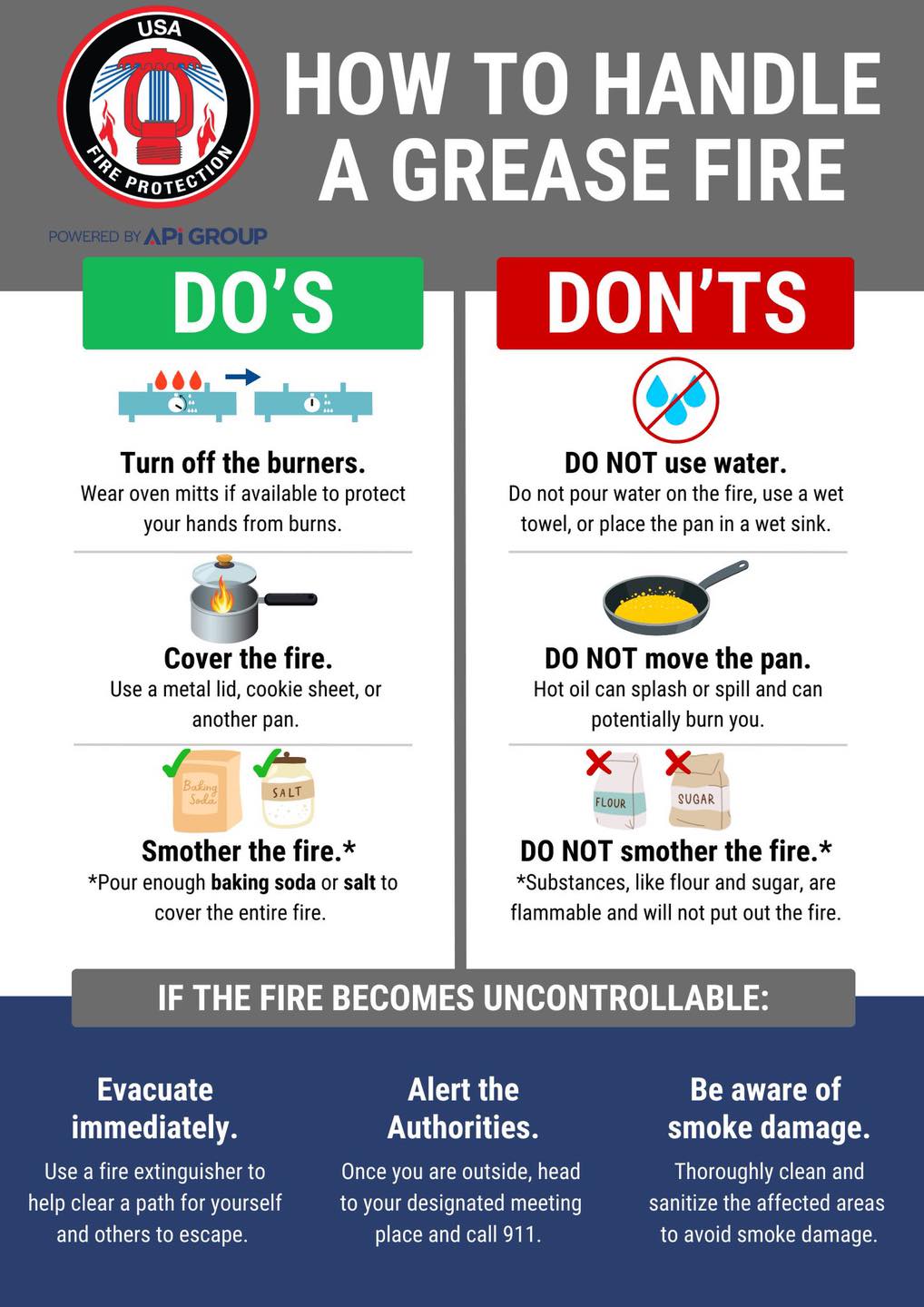
Image Source: www.houmatimes.com
Kitchen Fire Prevention: Your First Line of Defense
Before a fire even starts, taking steps to prevent them is the most important action you can take. Implementing good habits and maintaining a safe cooking environment significantly reduces the risk of a cooking fire.
Common Causes of Kitchen Fires
- Unattended Cooking: This is the leading cause of kitchen fires. Leaving pots, pans, or the oven on without supervision is incredibly dangerous.
- Flammable Materials Near Heat: Placing dish towels, oven mitts, paper towels, or curtains too close to the stove can easily ignite.
- Grease Buildup: Accumulated grease on stovetops, in ovens, or in exhaust vents can catch fire easily.
- Malfunctioning Appliances: Faulty ovens, microwaves, or toasters can be a fire hazard.
- Combustible Liquids: Improper storage or use of flammable liquids like cooking oil or cleaning products can lead to fires.
- Electrical Issues: Damaged cords or overloaded outlets in the kitchen can spark fires.
Proactive Steps for Kitchen Fire Prevention
- Never Leave Cooking Unattended: Stay in the kitchen while you are frying, grilling, or broiling food. If you must leave the kitchen, turn off the stove.
- Keep Flammables Away: Maintain a clear space around your stovetop. Store dish towels, oven mitts, and other combustible items away from heat sources.
- Clean Regularly: Wipe down your stovetop, oven, and exhaust fan regularly to remove grease and food debris.
- Check Appliance Cords: Ensure that appliance cords are not frayed or damaged. Don’t overload electrical outlets.
- Use Appliances Safely: Follow manufacturer instructions for all kitchen appliances.
- Keep a Fire Extinguisher Nearby: Have a properly rated fire extinguisher readily accessible in your kitchen.
- Install Smoke Alarms: Ensure you have working smoke alarms on every level of your home, especially in and near the kitchen. Test them monthly and replace batteries annually.
What to Do in Kitchen Fire: Immediate Actions
When a fire breaks out in your kitchen, panic can set in. However, knowing the correct steps can make all the difference. Here’s a breakdown of what to do in a kitchen fire:
First, Stay Calm and Assess
Your immediate reaction is critical. Take a deep breath. Is the fire small and contained? Or is it already spreading rapidly? Your decision on how to proceed depends on this assessment.
If the Fire is Small and Contained (e.g., in a Burning Pan):
If the fire is still confined to the burning pan, you have a good chance of putting it out safely.
Smothering a Fire: The Safest Method for Burning Pans
Never use water on a grease fire. Water will only spread the burning grease and intensify the flames. The most effective way to combat a burning pan is by smothering the fire.
- Turn Off the Heat Source: If you can do so safely, turn off the burner or stove. Do not try to move the burning pan.
- Cover the Flames:
- Use a Metal Lid or Baking Sheet: Carefully slide a metal lid or baking sheet over the pan. This cuts off the oxygen supply, which fire needs to burn.
- Use a Fire Blanket: A fire blanket kitchen model is designed specifically for this purpose. Quickly and carefully drape the blanket over the burning pan, ensuring it covers the entire opening.
- Leave the Lid On: Once covered, leave the lid or blanket in place until the pan has cooled completely. Do not peek.
- Baking Soda Fire Intervention: For very small grease fires, a large amount of baking soda fire can help. Pour baking soda generously over the flames to smother them. Avoid using flour or sugar, as these can make the fire worse.
If the Fire is Spreading or You Can’t Contain It:
If the fire is growing quickly, is too large to manage, or you don’t have the right tools to smother it, your priority shifts to escape and calling for help.
- Get Out Immediately: Alert everyone in the house and evacuate safely. Close doors behind you as you leave to slow the spread of the fire.
- Call the Fire Department: Once you are outside and in a safe location, call emergency services (911 or your local emergency number). Stay on the line and provide as much detail as possible.
- Do Not Re-enter the Building: Never go back inside a burning building. Let the firefighters handle it.
Essential Tools for Kitchen Fire Safety
Having the right equipment on hand can make a significant difference in handling a kitchen fire.
Fire Extinguishers: Your Kitchen’s Lifesaver
A grease fire extinguisher is a vital piece of equipment for any kitchen. Not all fire extinguishers are suitable for kitchen fires, especially grease fires.
- Class K Extinguishers: These are specifically designed for cooking fires involving cooking oils and fats. They use a wet chemical agent that creates a foam blanket, cooling the oil and preventing re-ignition.
- Class ABC Extinguishers: These are multipurpose dry chemical extinguishers that can be used on most types of fires, including grease fires. However, the dry chemical can make a mess and is corrosive to appliances.
- Placement: Keep your fire extinguisher in an easily accessible location, not hidden away in a cabinet. Near the kitchen exit is often a good spot.
- Maintenance: Check the pressure gauge regularly and ensure it is full. Have it serviced or replaced according to the manufacturer’s recommendations.
- How to Use (PASS Method):
- Pull the pin.
- Aim the nozzle at the base of the fire.
- Squeeze the lever slowly and evenly.
- Sweep the nozzle from side to side.
Fire Blankets: A Gentle but Effective Tool
A fire blanket kitchen model is a simple yet effective tool for smothering small fires, particularly those involving cooking oil. Made from fire-resistant material, they can be quickly deployed to cover a burning pan or even a person whose clothes have caught fire.
- How to Use:
- Pull the release tabs to remove the blanket.
- Quickly drape the blanket over the flames, ensuring it covers the entire burning area.
- Leave the blanket in place until the item has cooled completely.
Baking Soda: A Household Staple for Small Fires
As mentioned earlier, baking soda fire suppression is a viable option for very small grease fires. It works by releasing carbon dioxide when heated, which displacks oxygen and smothers the flames.
- Important Note: You need a significant amount of baking soda to be effective. A small sprinkle won’t do much. This method is only recommended for the earliest stages of a small pan fire.
Specific Types of Kitchen Fires and How to Handle Them
Different types of fires require different approaches. It’s important to know the differences to react appropriately.
Grease Fires (The Most Common)
These occur when cooking oil or grease overheats and ignites.
What to Do:
- Stay Calm.
- Turn off the heat source if safe to do so.
- DO NOT use water. This will cause the grease to splatter and spread the fire.
- Smother the flames.
- Slide a metal lid or baking sheet over the pan.
- Use a fire blanket kitchen model.
- Pour a large amount of baking soda fire (not flour or sugar).
- If the fire spreads, evacuate and call the fire department.
Oven Fires
Oven fires usually happen due to food debris or grease buildup inside the oven.
What to Do:
- Keep the oven door closed. This will starve the fire of oxygen.
- Turn off the oven.
- If the flames do not go out after a few minutes, evacuate and call the fire department. Do not open the oven door if the fire is still active.
- If you used a baking soda fire approach on a very small oven fire, ensure the oven is completely cool before opening.
Microwave Fires
Microwave fires are often caused by food igniting or by placing inappropriate items inside.
What to Do:
- Keep the microwave door closed.
- Turn off and unplug the microwave if safe to do so.
- Let the fire burn itself out inside the closed microwave.
- Do not turn the microwave back on until it has been inspected by a qualified technician.
Electrical Fires (Toaster, Coffee Maker, etc.)
Fires involving kitchen appliances typically stem from electrical faults.
What to Do:
- Unplug the appliance if safe to do so.
- If unplugging is not possible or safe, use a Class ABC fire extinguisher.
- Never use water on an electrical fire, as it can conduct electricity and cause electrocution.
How to Stop Kitchen Fire: A Step-by-Step Summary
To effectively stop a kitchen fire, follow these key steps:
Step 1: Recognize the Fire and Stay Calm
The first and most crucial step is to acknowledge the fire and attempt to remain calm. Panic can lead to poor decisions.
Step 2: Assess the Situation
Quickly determine the size and type of fire. Is it a small grease fire in a pan? Is it spreading rapidly? Your assessment will dictate your next action.
Step 3: Take Immediate Action (If Safe)
- For a burning pan: Turn off the heat. Smother the flames with a lid, baking sheet, fire blanket, or a large amount of baking soda.
- For oven or microwave fires: Keep the door closed, turn off the appliance.
- For electrical fires: Unplug the appliance if safe, or use an appropriate extinguisher.
Step 4: Use the Right Tools
- Grease fires: NEVER use water. Use a lid, baking sheet, fire blanket, or baking soda. A grease fire extinguisher is ideal.
- Other fires: Class ABC or Class K extinguishers are generally suitable.
Step 5: Evacuate if Necessary
If the fire is growing, spreading, or you cannot safely extinguish it, prioritize evacuation.
- Alert everyone in the house.
- Leave the building, closing doors behind you.
- Call emergency services from a safe location outside.
What to Do in Kitchen Fire: Advanced Scenarios and Considerations
Sometimes, a kitchen fire can escalate quickly. Here’s how to handle more complex situations and what else to consider.
When to Evacuate Immediately
You should evacuate without attempting to fight the fire if:
- The fire is spreading rapidly and you cannot control it.
- You do not have the correct equipment to fight the fire.
- Your escape route could be blocked.
- The room is filling with smoke.
- You are unsure or hesitant about your ability to safely extinguish the fire.
Smoke Inhalation Risks
Smoke is as dangerous as the flames. It contains toxic gases that can incapacitate you quickly.
- Stay Low: If you must move through smoke, crawl on your hands and knees. The air is clearer and cooler near the floor.
- Cover Your Mouth and Nose: Use a damp cloth or towel if possible to filter the air.
After the Fire is Out
Even if you manage to put out a small fire yourself, there are still important steps to take.
- Ventilate the Area: Open windows and doors to air out the smoke and any extinguisher residue.
- Inspect for Damage: Check for any hidden embers or smoldering material, especially in cabinets or under appliances.
- Clean Up: Carefully clean up any extinguisher residue. For dry chemical extinguishers, this can be messy.
- Consider Professional Inspection: For anything more than a very minor fire that was quickly extinguished, it’s wise to have your kitchen and appliances checked by a professional to ensure there are no lingering hazards.
Frequently Asked Questions (FAQ)
Q: Can I use flour to put out a grease fire?
A: No, absolutely not. Flour is flammable and can cause a grease fire to explode and spread rapidly. Only baking soda, a fire blanket, or a suitable fire extinguisher should be used.
Q: What is the difference between a Class K and Class ABC fire extinguisher?
A: A Class K extinguisher is specifically designed for cooking oil and grease fires, using a wet chemical agent to cool the fuel and create a barrier. A Class ABC extinguisher is a multi-purpose dry chemical extinguisher effective on many types of fires, including Class A (ordinary combustibles), Class B (flammable liquids), and Class C (electrical) fires. While ABC extinguishers can work on grease fires, Class K is preferred for its specialized extinguishing properties in the kitchen.
Q: How often should I check my smoke alarms?
A: You should test your smoke alarms monthly and replace the batteries at least once a year, or as recommended by the manufacturer. Replace the entire smoke alarm unit every 10 years.
Q: My clothes caught fire, what should I do?
A: Stop, Drop, and Roll.
* Stop: Immediately stop what you are doing. Do not run, as this fans the flames.
* Drop: Drop to the ground.
* Roll: Roll over and over, covering your face with your hands, until the flames are extinguished. If a fire blanket is accessible, wrap yourself in it.
Q: Is it safe to use a damp towel on a grease fire?
A: No, a damp towel should not be used on a grease fire. While it might seem like it would smother the flames, the water content can still cause the grease to splatter and spread the fire, similar to pouring water directly onto it. Stick to dry smothering methods.
Conclusion: Prioritizing Safety Through Preparedness
Kitchen fires are a serious risk, but with the right knowledge and preparation, you can significantly mitigate this danger. Prioritizing kitchen fire prevention through diligent habits, maintaining a clean cooking environment, and having the correct safety equipment like a grease fire extinguisher or fire blanket kitchen model is paramount.
Remembering the basic principles of how to stop kitchen fire, especially the critical rule of never using water on a burning pan or grease fire, can save lives and property. By staying informed and practicing these safety measures, you can confidently handle a cooking fire situation and ensure the safety of your home and family. Always remember, if a fire gets out of control, your priority is to evacuate and call for professional help immediately.