Planning a kitchen remodel can feel overwhelming, but with the right preparation, it can be an exciting journey. What is the first step in preparing for a kitchen remodel? The very first step is to define your goals and establish a clear vision for your new kitchen. This includes thinking about what you want to achieve, your style preferences, and your functional needs.
Embarking on a kitchen remodel is a significant undertaking, transforming a central hub of your home. Proper preparation is key to a smooth and successful project, minimizing stress and ensuring you achieve the kitchen of your dreams. This guide will walk you through the essential tips to get you ready for your kitchen remodel.
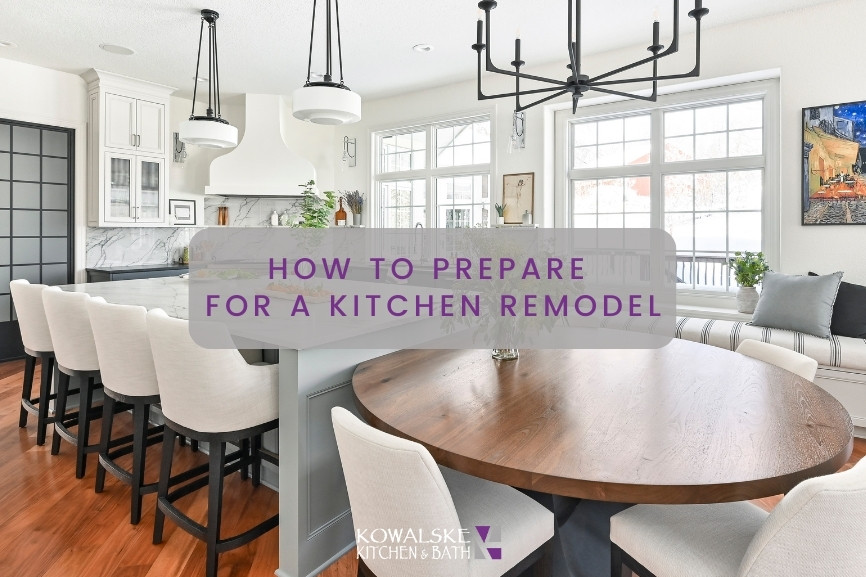
Image Source: kowalske.com
Laying the Foundation: Defining Your Project
Establishing Your Kitchen Remodel Budget
One of the most critical aspects of preparing for a kitchen remodel is setting a realistic kitchen remodel budget. This isn’t just about the big-ticket items; it involves accounting for every potential expense. Start by researching average kitchen renovation costs in your area. Online resources, contractor quotes, and even conversations with friends who have undergone similar projects can provide valuable insights.
When setting your budget, consider these categories:
- Design and Planning: Architectural fees, interior designer costs.
- Materials: Cabinets, countertops, flooring, backsplash, sink, faucet, appliances, lighting fixtures.
- Labor: Contractor fees, plumber, electrician, tile setter, painter.
- Permits and Inspections: Costs associated with obtaining necessary permits.
- Contingency Fund: Crucial for unexpected issues that often arise during renovations (aim for 10-20% of your total budget).
Tip: It’s always better to overestimate slightly than to underestimate. Knowing your financial limits upfront will guide your decisions throughout the process.
Crafting Your Kitchen Remodel Planning
Effective kitchen remodel planning is the bedrock of a successful project. This phase involves meticulous research, decision-making, and documentation. Think of it as creating a roadmap for your renovation.
Consider the following aspects during your planning phase:
- Your Vision: What do you want your kitchen to look and feel like? Gather inspiration from magazines, Pinterest, Houzz, and showrooms.
- Functional Needs: How do you use your kitchen? Consider workflow, storage requirements, and family needs.
- Layout and Flow: Will you be altering the existing layout? Think about how you move around the kitchen and how new elements will impact this.
- Appliance Placement: Decide on your appliance choices early, as their dimensions will influence cabinet and layout planning.
- Timeline: Establish a realistic kitchen remodel timeline. This will help you manage expectations and coordinate with contractors.
Creating Your Kitchen Remodel Checklist
A comprehensive kitchen remodel checklist acts as your project management tool. It ensures you don’t overlook any crucial steps or details.
Here’s a starting point for your checklist:
- [ ] Define project scope and goals.
- [ ] Set a detailed budget.
- [ ] Research and gather inspiration.
- [ ] Measure your kitchen space accurately.
- [ ] Decide on layout changes.
- [ ] Select materials and finishes.
- [ ] Choose appliances.
- [ ] Obtain multiple contractor bids.
- [ ] Secure financing if needed.
- [ ] Obtain necessary kitchen remodel permits.
- [ ] Plan for temporary kitchen setup.
- [ ] Schedule demolition and construction phases.
- [ ] Arrange for waste disposal.
- [ ] Confirm final walk-through and inspections.
Design and Decisions: Bringing Your Vision to Life
Exploring Kitchen Design Ideas
The creative heart of your remodel lies in exploring kitchen design ideas. This is where your personal style and functional requirements merge.
Consider these popular design elements:
- Style: Modern, traditional, farmhouse, transitional, minimalist.
- Color Palette: Bold and vibrant, subtle and neutral, or a mix.
- Cabinet Styles: Shaker, slab, raised panel, inset.
- Countertop Materials: Granite, quartz, marble, butcher block, laminate.
- Backsplash Options: Tile (subway, mosaic, geometric), stone, glass.
- Flooring Choices: Hardwood, tile, luxury vinyl plank, laminate.
- Lighting: Ambient, task, accent lighting.
Table: Popular Kitchen Design Styles
| Style | Key Characteristics | Best For |
|---|---|---|
| Modern | Clean lines, minimalist aesthetic, sleek finishes, often open shelving. | Those who appreciate uncluttered spaces and a contemporary feel. |
| Traditional | Classic details, ornate moldings, rich wood tones, raised panel cabinets. | Homes with classic architecture, those who prefer timeless elegance. |
| Farmhouse | Rustic charm, natural materials, apron sinks, vintage-inspired hardware. | Cozy homes, those seeking a warm, inviting atmosphere. |
| Transitional | Blends modern and traditional elements, balanced aesthetic, neutral palettes. | Those who want the best of both worlds, adaptable to various home styles. |
| Industrial | Exposed brick, metal accents, raw materials, open layouts. | Urban lofts, those who appreciate edgy, utilitarian design. |
Choosing Kitchen Cabinets
Choosing kitchen cabinets is a major decision as they are a significant visual element and crucial for storage.
Key considerations for cabinets:
- Style: As mentioned in design ideas, select a style that complements your overall aesthetic.
- Material: Plywood, MDF, particleboard, solid wood. Plywood is generally considered the most durable.
- Construction: Full overlay, partial overlay, inset doors. Full overlay offers a more modern look.
- Finish: Painted, stained, laminate, thermofoil.
- Storage Solutions: Consider pull-out shelves, lazy Susans, drawer organizers, and spice racks.
Kitchen Countertop Selection
Kitchen countertop selection impacts both the look and functionality of your kitchen. Durability, maintenance, and aesthetics are paramount.
Popular countertop options:
- Granite: Natural stone, durable, heat-resistant, unique patterns. Requires sealing.
- Quartz: Engineered stone, highly durable, non-porous, wide range of colors and patterns. Low maintenance.
- Marble: Luxurious, beautiful veining, softer and more prone to etching and staining than granite or quartz.
- Butcher Block: Warm, natural material, ideal for prep areas. Requires regular oiling and is prone to scratches.
- Laminate: Affordable, wide variety of patterns, less durable and heat-resistant than natural stone or quartz.
Table: Countertop Material Comparison
| Material | Durability | Heat Resistance | Scratch Resistance | Porosity | Maintenance | Cost (per sq ft, installed) |
|---|---|---|---|---|---|---|
| Granite | High | High | High | Slightly Porous | Sealing required | $50 – $200 |
| Quartz | Very High | High | High | Non-porous | Low | $60 – $220 |
| Marble | Moderate | Moderate | Moderate | Porous | High (sealing, care) | $70 – $250 |
| Butcher Block | Moderate | Low | Low | Porous | High (oiling) | $40 – $150 |
| Laminate | Low-Moderate | Low | Low | Non-porous | Low | $20 – $60 |
The Practicalities: Logistics and Labor
Estimating Kitchen Renovation Costs Accurately
A significant portion of kitchen renovation costs is tied to materials and labor. To get accurate estimates, you need to have a good understanding of what you want.
Here’s how to refine your cost estimates:
- Material Costs: Once you’ve chosen your cabinets, countertops, flooring, etc., get specific pricing for your chosen dimensions.
- Appliance Costs: Research the prices of the appliances you intend to purchase.
- Labor Quotes: Obtain detailed quotes from multiple contractors. Ensure these quotes are itemized.
- Permit Fees: Contact your local building department for current permit costs.
Remember the contingency fund! Unexpected discoveries during demolition (like faulty wiring or plumbing) can add to the kitchen remodel budget.
Hiring a Contractor
Hiring a contractor is a critical step that can make or break your renovation experience. Choose wisely to ensure quality workmanship and a stress-free process.
Follow these steps for finding and hiring a contractor:
- Get Recommendations: Ask friends, family, and neighbors for referrals.
- Research Online: Look for contractors with good reviews on platforms like Houzz, Angie’s List, or the Better Business Bureau.
- Check Credentials: Ensure they are licensed and insured. Ask for proof of both.
- Interview Multiple Contractors: Aim for at least three to compare bids and personalities.
- Request Detailed Bids: The bid should clearly outline the scope of work, materials, timeline, and payment schedule.
- Check References: Contact previous clients to inquire about their experience.
- Sign a Written Contract: This contract should be comprehensive, detailing all aspects of the project.
What is a good contractor referral? A good referral comes from someone you trust who has had a positive experience with a contractor, detailing the quality of work, communication, adherence to budget and timeline, and overall professionalism.
Navigating Kitchen Remodel Permits
Obtaining kitchen remodel permits is a legal necessity in most municipalities. These permits ensure that the work done meets building codes and safety standards.
- Contact Your Local Building Department: Inquire about the specific permits required for your kitchen remodel. This might include electrical, plumbing, and structural permits.
- Contractor Responsibility: Often, your contractor will handle the permit application process. However, it’s wise to confirm this and ensure they are obtaining the correct permits.
- Timeline Impact: The permitting process can take time, so factor this into your kitchen remodel timeline.
- Inspections: During the remodel, city inspectors will likely visit the site to check the work at various stages.
Managing the Project: Timeline and Execution
Establishing a Realistic Kitchen Remodel Timeline
A well-defined kitchen remodel timeline helps manage expectations and keeps the project on track. Remodels rarely go exactly as planned, so flexibility is key.
A typical timeline might include:
- Planning and Design: 2-4 weeks
- Permitting: 1-4 weeks (can vary significantly)
- Demolition: 1-3 days
- Rough-in (Plumbing, Electrical): 3-7 days
- Cabinet Installation: 1-2 weeks
- Countertop Fabrication and Installation: 1-3 weeks (includes templating)
- Flooring Installation: 1-3 days
- Backsplash Installation: 1-2 days
- Appliance Installation: 1-2 days
- Painting and Finishing: 2-4 days
- Final Touches and Cleanup: 1-2 days
Total Estimated Time: 4-12 weeks (can be longer for complex projects or if delays occur).
Can I speed up a kitchen remodel? While some aspects can be streamlined (e.g., pre-ordering materials), significant speeding up usually involves higher costs and potential compromises on quality or thoroughness.
Preparing Your Home for the Disruption
A kitchen remodel means living without your primary cooking and cleaning space. Preparing your home and yourself for this disruption is crucial.
- Temporary Kitchen Setup:
- Designate a temporary cooking area in another room (e.g., a basement, garage, or living area).
- Set up a portable induction cooktop or microwave.
- Have a designated space for a mini-fridge or cooler.
- Prepare for eating meals out or with simple, no-cook options.
- Think about where you’ll wash dishes – a utility sink or a large tub in the bathroom might be necessary.
- Protect Your Home:
- Cover furniture and belongings in adjacent rooms with drop cloths to protect them from dust.
- Seal off the kitchen area with plastic sheeting and tape to contain dust.
- Consider setting up an air purifier in the work area and adjoining rooms.
- Communicate with Your Contractor: Discuss their dust mitigation strategies.
The Kitchen Remodel Checklist: During the Project
As the remodel progresses, your kitchen remodel checklist will evolve. Use it to track progress and ensure all aspects are being addressed.
- [ ] Oversee demolition and debris removal.
- [ ] Inspect rough-in plumbing and electrical work.
- [ ] Verify cabinet delivery and condition.
- [ ] Review countertop templates and approve layout.
- [ ] Monitor installation progress and quality.
- [ ] Ensure plumbing and electrical fixtures are installed correctly.
- [ ] Check appliance functionality.
- [ ] Approve paint colors and finish.
- [ ] Conduct a final walk-through with your contractor.
Frequently Asked Questions (FAQ)
Q1: How much does a kitchen remodel typically cost?
A1: Kitchen remodel costs vary widely based on size, materials, labor, and location. A minor refresh might cost $10,000-$25,000, while a mid-range to high-end remodel can range from $25,000 to $100,000 or more. It’s essential to get personalized quotes based on your specific project.
Q2: How long does a kitchen remodel usually take?
A2: A typical kitchen remodel can take anywhere from 4 to 12 weeks. This timeline depends on the complexity of the project, the availability of materials and contractors, and any unforeseen issues that may arise.
Q3: Should I hire a general contractor or manage the remodel myself?
A3: For most people, hiring a general contractor is highly recommended. They have the experience, connections, and project management skills to oversee the various trades, obtain permits, and ensure the project stays on schedule and within budget. Managing it yourself requires significant time, expertise, and stress.
Q4: What are the most important things to consider when choosing kitchen cabinets?
A4: Key considerations include the style of the cabinet door and frame, the material used for construction (plywood is generally best), the finish, and the internal storage solutions they offer. Functionality and durability are as important as aesthetics.
Q5: How do I choose the right kitchen countertop?
A5: Your choice of kitchen countertop should balance aesthetics, durability, maintenance requirements, and your budget. Consider granite or quartz for high durability and low maintenance, marble for luxury if you’re willing to commit to higher care, or butcher block for a warm prep surface.
Q6: Do I really need kitchen remodel permits?
A6: Yes, in most areas, you are legally required to obtain permits for kitchen remodels, especially if you are altering electrical, plumbing, or structural elements. Permits ensure the work is safe and up to code, and they are often necessary for future home sales.
Q7: What is a contingency fund in a kitchen remodel budget?
A7: A contingency fund is a portion of your budget (typically 10-20%) set aside for unexpected expenses that can arise during a remodel. This could include discovering hidden damage, needing to upgrade outdated systems, or making last-minute changes.
By thoroughly preparing and following these essential tips, you can navigate your kitchen remodel with confidence, leading to a beautiful and functional space that you’ll enjoy for years to come.