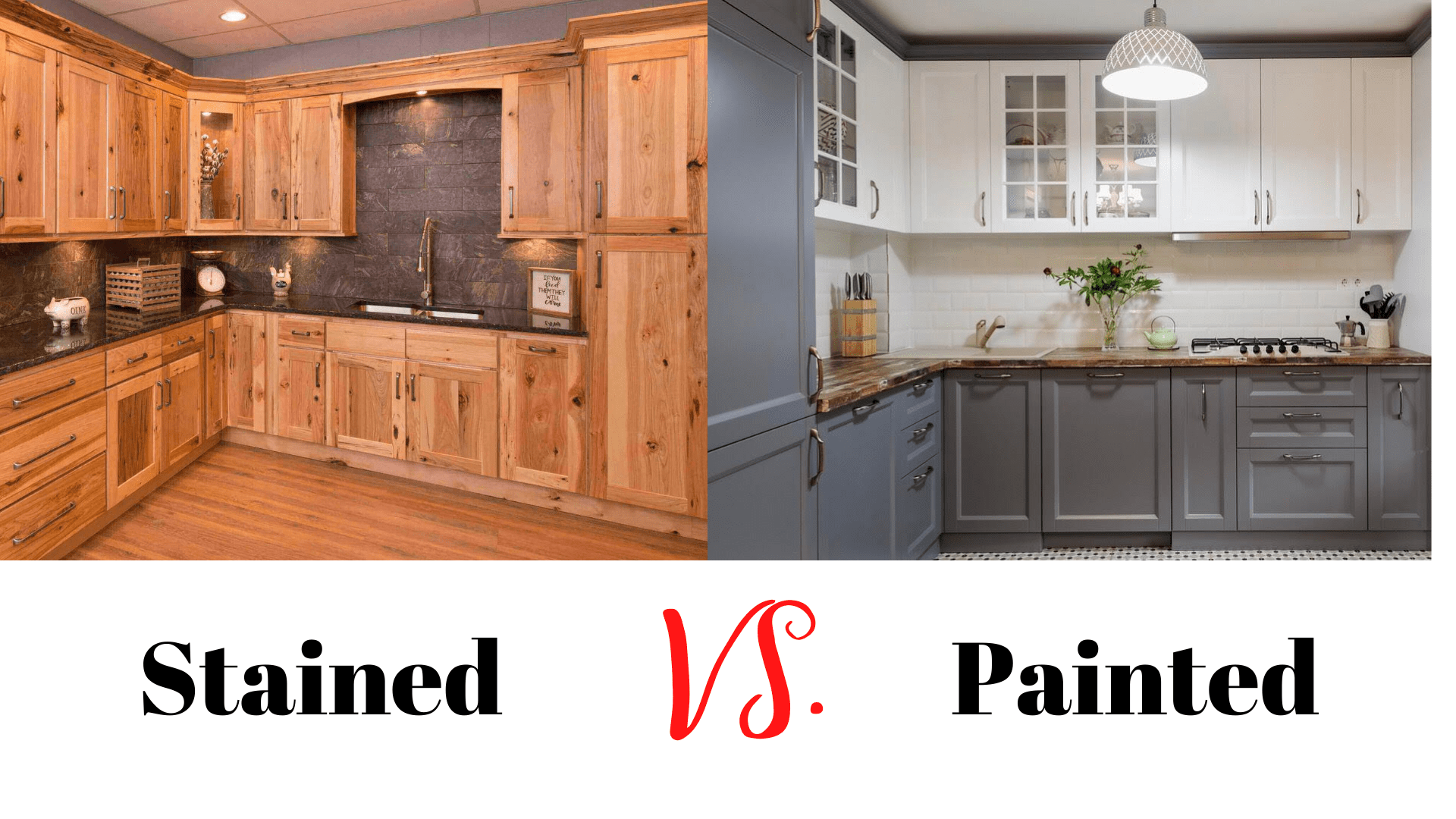
Image Source: www.buckscountyboomers.com
Easy Steps: How To Paint Kitchen Cabinets That Are Stained
Painting stained kitchen cabinets is a great way to give your kitchen a fresh, new look without buying new ones. You can definitely paint stained cabinets yourself. It takes time and careful work, but it is a project you can do. It involves cleaning, light sanding, priming stained cabinets well, painting, and then sealing for a durable finish. This guide walks you through each easy step.
Why Change Stained Cabinets?
Old stains can make a kitchen look dark. They might look worn out. Painting them gives a bright, clean feel. It makes the room look bigger. It is much cheaper than buying new cabinets. Refinishing kitchen cabinets with paint saves money. It is a popular home update.
Get Your Tools Ready
Gather everything before you start. This saves time. You will need many things.
- Screwdriver (manual or power)
- Masking tape and plastic sheeting
- Safety glasses
- Gloves
- Drop cloths
- Bucket and rags
- Cabinet degreaser
- Sanding sponges or fine-grit sandpaper (150-220 grit)
- Tack cloth or vacuum with brush attachment
- Best primer for wood cabinets (specifically a stain-blocking type)
- High-quality paint brush (angled sash brush is good)
- Small foam roller and tray
- Types of paint for cabinets (cabinet or furniture paint)
- Clear topcoat or sealer (polyurethane or similar)
- Paint stir sticks
- Small containers (for hardware)
- Optional: Orbital sander (use carefully), painter’s pyramid stands
Step-by-Step Painting Guide
Here are the easy steps. Follow them closely for the best results.
h4 Removing Doors and Hardware
This is the first step. Take off all cabinet doors. Take off all drawer fronts. Remove hinges and handles. Keep all the screws and hinges together. Use small bags or containers. Label them. This helps you know where they go later. Tape a number inside each door and the matching cabinet opening. Write the number on the tape. This makes putting them back easy.
h4 Clean Everything Very Well
Kitchen cabinets get greasy. They collect dirt. You must clean them perfectly. Use a strong cleaner. A cabinet degreaser works best. Mix it with water. Wipe down all surfaces. Clean doors, drawer fronts, and cabinet frames. Get into all the corners. Grease stops primer and paint from sticking. Rinse the surfaces well with clean water. Let them dry fully. A totally clean surface is a must.
h4 Light Sanding
You need to sand stained wood. But you do not need to remove all the stain. Just rough up the surface a little. This helps the primer stick better. Use a fine-grit sandpaper. 150 or 180 grit is good. Gently rub all surfaces. Sand with the wood grain. Do not sand too hard. You just want to take the shine off. Light sanding stained wood is enough. If the cabinets are very smooth, use 220 grit. An orbital sander can speed this up. Use it on flat parts. Be gentle near edges.
h4 Clean Off Sanding Dust
Sanding makes dust. Dust stops paint from sticking. Clean all the dust away. Use a vacuum with a brush part. Get dust from corners. Then use a tack cloth. Wipe down all surfaces. A tack cloth is slightly sticky. It picks up fine dust. Make sure no dust is left.
h4 Put On Primer
Priming stained cabinets is key. Stains can show through paint. You need a primer that blocks stains. This is very important for stained wood. Use a high-quality primer. The best primer for wood cabinets is often an oil-based or shellac-based primer. These primers seal the wood. They stop stains and knots from showing. Water-based stain-blocking primers can also work. Choose a primer made for cabinets.
- Stir the primer well.
- Apply a thin coat. Use a brush for edges and details. Use a foam roller for flat areas.
- Rollers help with avoiding brush strokes on cabinets.
- Make sure the coat is even.
- Let the primer dry completely. Check the can for drying times.
- You might need two coats of primer. This is often needed for dark stains. Lightly sand between primer coats if the surface feels rough. Use very fine sandpaper (220 grit or higher). Clean off dust again.
h4 Sand the Primed Surface
After the primer is dry and smooth, sand it lightly again. Use very fine sandpaper (220 grit or 320 grit). This makes the surface perfectly smooth. It helps the paint coat look smooth. Clean off all dust after sanding.
h4 Paint the First Coat
Now it is time to paint. Choose the right types of paint for cabinets. Cabinet-specific paints or high-quality acrylic-alkyd hybrid paints are good choices. They dry hard. They last well. They give a durable cabinet paint finish. Avoid regular wall paint. It is not strong enough. It will chip easily.
- Stir the paint well. Do not shake it. Shaking makes bubbles. Bubbles cause problems with avoiding brush strokes on cabinets.
- Apply a thin, even coat of paint.
- Start with the back of the doors and drawer fronts. This lets you practice.
- Use a good brush for edges. Use a foam roller for flat parts.
- Paint with the wood grain if possible.
- For avoiding brush strokes on cabinets, apply paint smoothly. Do not overwork the paint. Let it flow out. Rollers usually give a smoother finish than brushes on flat areas.
- Let the first coat dry fully. Drying times vary. Read the paint can. It might take several hours or overnight.
h4 Sand Between Paint Coats
Once the first paint coat is dry, sand it lightly. Use very fine sandpaper (320 grit or 400 grit). This removes any small bumps. It makes the surface smooth for the next coat. Clean off all dust. This step helps get a very smooth, professional look. It is key for a durable cabinet paint finish.
h4 Paint the Second Coat (and maybe a third)
Apply a second thin coat of paint. Do it the same way as the first coat. Use a brush for edges, a roller for flat parts. Focus on avoiding brush strokes on cabinets. Apply it smoothly. Let this coat dry completely. Most cabinets need two coats. Darker colors or lighter paints over dark stain might need a third coat. Always sand lightly and clean dust between coats.
h4 Seal the Painted Surface
Sealing painted kitchen cabinets adds protection. It makes the finish much more durable. It protects against scratches, water, and grease. A clear topcoat is used for this. Water-based polyurethane is a common choice. It does not yellow over time.
- Apply a thin coat of the sealer. Use a brush or foam roller.
- Keep the coat thin and even.
- Avoid drips.
- Let it dry fully. Drying times vary. Check the can.
- You might need two coats of sealer for extra protection. Sand very lightly with super fine paper (400 grit or higher) between sealer coats if needed. Clean off dust.
h4 Reattach Hardware and Doors
Once all the paint and sealer coats are fully dry and hard (this can take a few days for the finish to cure fully, even if dry to touch), you can put everything back. Use the numbers you wrote on the doors and cabinets. Put the hinges back on the doors. Then attach the doors back to the cabinets. Reinstall the drawer fronts. Put the handles and knobs back on. Be careful not to scratch the new paint.
More Detail on Key Steps
Let’s look closer at some important parts of the process.
h5 Picking the Right Cleaners
Grease is the enemy of paint. Kitchen cabinets collect grease from cooking. Regular soap might not be strong enough. A good cabinet degreaser cuts through grease easily. Mineral spirits or a specialized cabinet cleaner work well. Always follow product instructions. Make sure the area is well-aired when using strong cleaners. Rinse the surface completely after cleaning. Any cleaner left behind can affect paint sticking.
h5 Why Sanding Helps
Sanding stained wood does two things. First, it removes the glossy top layer. This gives the surface texture. Paint sticks much better to a slightly rough surface than a smooth, shiny one. Second, light sanding between coats makes the finish smoother. It removes small bumps or imperfections. Think of it as smoothing the road for the next coat of paint. For refinishing kitchen cabinets, proper sanding is crucial for a lasting finish.
h5 Choosing the Best Primer
Priming stained cabinets needs a specific type of primer. Not all primers block stains. Wood stains and tannins can bleed through regular primer and paint. This will ruin your new color. Look for primers labeled “stain-blocking.” Oil-based primers are very good at this. They also stick well to glossy surfaces. Shellac-based primers are also excellent stain blockers. Water-based stain-blocking primers are easier to clean up. They have less smell. Check reviews and product details. Make sure the primer is suitable for wood cabinets and for blocking stains. A good primer makes the paint color look true. It helps the paint stick firmly.
h5 Picking the Right Paint
The types of paint for cabinets are different from wall paint. Cabinet paint needs to be very durable. It must stand up to daily use, cleaning, and moisture. Look for paints made for cabinets, furniture, or trim. These paints often have hardeners. They create a tough, smooth finish.
- Acrylic-Alkyd Hybrids: These are popular. They offer the easy cleanup of water-based paint (acrylic) and the hardness of oil-based paint (alkyd). They level well, meaning they help with avoiding brush strokes on cabinets.
- Cabinet Specific Paints: Many brands now make paint just for cabinets. These are designed for a durable cabinet paint finish.
- Lacquers: These are often sprayed. They dry very fast and hard. They can be tricky for DIYers.
Semi-gloss or satin finishes are common for cabinets. They are easy to clean. They offer good durability. A flat finish shows dirt easily. A high gloss finish shows imperfections.
h5 Getting a Smooth Finish
Avoiding brush strokes on cabinets takes care.
- Use Good Tools: A high-quality angled sash brush works well for cutting in edges and getting into corners. A dense foam roller is best for flat panels. Foam rollers leave fewer texture marks than fabric rollers.
- Apply Thin Coats: Thick coats cause drips and runs. They also do not dry properly. Thin coats dry faster and harder.
- Don’t Overwork: Apply the paint smoothly. Then leave it alone. Brushing or rolling too much after the paint starts to dry creates brush marks.
- Use a Floetrol Additive (for water-based paint): This additive helps the paint level out. It makes it flow more smoothly. It reduces brush marks.
h5 Why Seal Your Cabinets?
Sealing painted kitchen cabinets adds a layer of tough protection. Even durable cabinet paint finish can benefit from a topcoat. Kitchens are busy places. There is moisture, heat, and splashes. A sealer protects the paint from these things. It makes the cabinets easy to wipe clean. Water-based polyurethanes are clear and tough. They do not turn yellow like oil-based ones can. Ensure the sealer is compatible with your paint type. Let the paint dry fully before sealing.
Special Case: Painting Oak Cabinets
Painting oak cabinets is a common project. Oak has a strong wood grain. The grain shows through paint unless you fill it.
If you like the look of the grain, follow the steps above. The grain texture will be visible under the paint.
If you want a smooth finish, you need to fill the grain.
- Grain Filling: After cleaning and light sanding, apply a grain filler. There are different types. Some are pastes you spread on and wipe off across the grain. This pushes the filler into the pores.
- Sanding Filler: Once the filler is dry, sand it smooth. You want the filler to be only in the pores.
- Prime: Apply your stain-blocking primer over the filled and sanded surface. The primer helps seal the filler.
- Paint: Proceed with painting as usual. The grain should be much less noticeable or gone, depending on how well the filler was applied and sanded.
Painting oak cabinets requires extra effort if you want a smooth, grain-free look.
Tips for a Great Job
- Work in Sections: Do the doors and drawer fronts first. Then do the cabinet boxes. This breaks down the work.
- Use a Clean Space: Set up a dust-free area for painting doors. A garage or spare room works. Cover the floor and other items.
- Prop Up Doors: Use painter’s pyramids or blocks of wood. This lifts the doors off the surface. You can paint the edges easily.
- Allow Enough Drying Time: Rushing causes problems. Paint might feel dry quickly. But it needs longer to fully harden (cure). Check the can. Wait the recommended time before the next coat or reassembly.
- Ventilate: Open windows. Use fans. This helps paint dry. It also removes fumes, especially with oil-based products.
- Clean Spills Fast: Wipe up drips or spills right away.
What Can Go Wrong (And How to Fix It)
Even with careful work, problems can happen.
- Brush Strokes: This means you used the wrong brush, too much paint, or overworked it. Sand the coat smooth when dry. Use a better technique or roller on the next coat. Use a flow additive.
- Drips and Runs: Too much paint in one spot. Wipe drips while wet. If dry, sand them carefully until smooth. Then repaint.
- Peeling Paint: Poor prep is the main reason. The surface was not clean, not sanded, or the wrong primer was used. You need to sand off the peeling paint. Clean well. Re-prime with a good stain-blocker. Then repaint.
- Stains Bleeding Through: The primer was not strong enough. You need to apply another coat of a strong stain-blocking primer (like shellac). Then repaint.
- Dust in Paint: The area was not clean. Clean your space better. Use a tack cloth before painting. If dust is in dry paint, sand it out lightly and repaint.
Care for Painted Cabinets
Painted cabinets need gentle care.
- Clean spills quickly.
- Use mild soap and water to clean.
- Avoid harsh cleaners. They can damage the paint.
- Do not use abrasive scrubbers.
- Be careful with sharp objects that could scratch the paint.
Refinishing Kitchen Cabinets: More Than Just Painting
Painting is one way of refinishing kitchen cabinets. Refinishing can also mean stripping the old finish and applying new stain or clear coat. Painting is often easier and gives a bigger change in look. But the prep work, especially sanding stained wood and proper cleaning, is critical for any type of refinishing. A good paint job feels like new cabinets. It gives a durable cabinet paint finish that lasts years if done right.
Table: Common Cabinet Paint Types
| Paint Type | Pros | Cons | Best Use |
|---|---|---|---|
| Acrylic-Alkyd Hybrid | Easy cleanup, durable, levels well | Can be more expensive | Most DIY cabinet projects |
| Cabinet Specific Paints | Designed for durability, tough finish | Can be brand-specific | Achieving a factory-like durable finish |
| Lacquer | Very hard finish, dries fast | Strong fumes, often needs spraying, tricky | Professional refinishing |
| Urethane Enamel | Very durable, chip resistant | Can be thicker, might show brush marks | Areas needing maximum durability |
This table shows some types of paint you might see. Always check if the paint is good for wood cabinets.
FAQ: Painting Stained Kitchen Cabinets
h5 Can I paint over stained cabinets without sanding?
You can, but it is not recommended for a good finish. A light sanding (scuff sanding) helps the primer stick much better. Without it, the paint is more likely to peel later. Priming stained cabinets after a light sand gives the best adhesion.
h5 What is the best primer for dark stained wood?
A shellac-based primer or a high-quality oil-based stain-blocking primer is usually the best. These primers are very good at stopping dark stains and tannins from showing through light paint colors. Kilz and BIN are common brands.
h5 How long does it take to paint kitchen cabinets?
It takes several days. Removing doors and hardware, cleaning, and sanding take time. Priming requires drying time between coats. Painting requires two or three coats with drying and light sanding between each. Sealing adds more drying time. Allow at least 3-5 days, possibly longer if humidity is high or you are adding grain filler.
h5 How do I avoid brush marks on the cabinet doors?
Use a high-quality brush for edges and a dense foam roller for flat areas. Apply thin coats. Do not go over the paint too many times once it is on the surface. Using a paint additive like Floetrol (for water-based paint) helps the paint level itself out, reducing marks.
h5 Do I need to seal painted cabinets?
Yes, sealing painted kitchen cabinets is strongly recommended. A clear topcoat like water-based polyurethane adds a layer of protection. It makes the durable cabinet paint finish more resistant to scratches, moisture, and grease. This makes the finish last much longer in a busy kitchen.
h5 Can I use latex paint on cabinets?
Regular latex wall paint is not durable enough for cabinets. It is softer and will chip and wear quickly. Use paints specifically made for cabinets, furniture, or trim. These are often acrylic-alkyd hybrids or urethane modified acrylics. They are much harder and more durable. These types of paint for cabinets are a better choice.
h5 What is a cabinet degreaser?
A cabinet degreaser is a strong cleaner designed to remove grease and grime buildup. Kitchen cabinets, especially near the stove, collect grease. Using a degreaser ensures the surface is perfectly clean before sanding and painting. This clean surface is vital for the primer and paint to stick well. Simple green or TSP (Trisodium Phosphate) alternatives are often used.
h5 What is the difference between painting and refinishing kitchen cabinets?
Refinishing is a broader term. It means restoring or changing the finish of wood cabinets. This can include stripping the old finish and applying new stain and clear coat, or it can mean painting over the existing finish. Painting is a specific method of refinishing. It covers the wood grain and original color with opaque paint. Both methods involve significant preparation like cleaning and sanding stained wood.
Painting stained kitchen cabinets is a rewarding project. It takes effort and patience. But the result is a bright, updated kitchen you can be proud of. Follow these steps carefully. Use good products. You can achieve a beautiful, durable finish.