Can you pack a KitchenAid mixer for moving? Yes, absolutely! Proper packing is crucial for ensuring your beloved KitchenAid mixer arrives at your new home in perfect condition. Moving large appliances like your KitchenAid requires careful planning and the right materials to prevent damage. This guide will walk you through the best way to pack your KitchenAid mixer for relocation, covering everything from gathering supplies to the actual packing process.
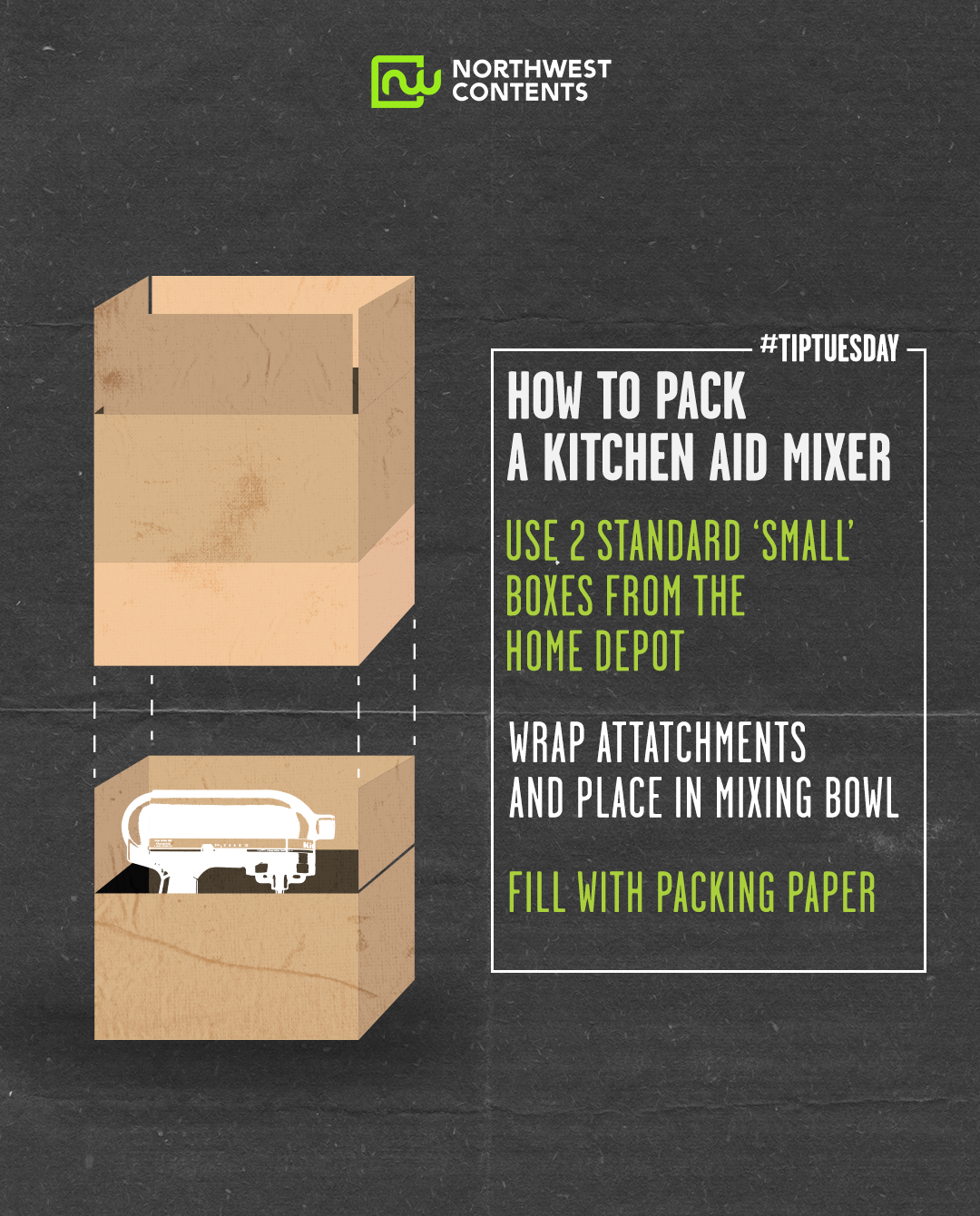
Image Source: images.squarespace-cdn.com
Gathering Your Packing Essentials
Before you begin, make sure you have all the necessary supplies. Having everything ready will make the process smoother and more efficient. For Kitchenaid mixer moving tips, consider this your essential checklist.
Key Packing Supplies
- Original Box and Packaging: If you still have the original box and foam inserts, this is your absolute best bet for Kitchenaid mixer protection. They are specifically designed to cradle and shield the mixer.
- Sturdy Moving Boxes: If the original box is gone, opt for a strong, double-walled moving box that is appropriately sized. It shouldn’t be too big (allowing the mixer to shift) or too small (forcing you to cram it).
- Bubble Wrap: Lots of it! This is your primary cushioning material for heavy mixer transport. Look for large bubble wrap for the main body and smaller bubble wrap for attachments.
- Packing Paper/Newsprint: Use this to fill in any gaps and provide an extra layer of protection. Avoid using newspaper for the main mixer body, as the ink can sometimes transfer.
- Packing Tape: A strong, durable packing tape is essential for sealing boxes securely.
- Styrofoam or Foam Padding: Additional foam sheets or blocks can add extra rigidity and cushioning, especially for the base and motor head.
- Plastic Wrap/Shrink Wrap: This can help secure internal components and prevent the tilt-head from accidentally opening.
- Soft Cloths or Towels: For a final clean and to provide a soft surface if needed.
- Marker: For labeling the box clearly.
- Dolly or Hand Truck: Essential for moving moving large appliances like a KitchenAid safely and without strain.
Preparing Your KitchenAid Mixer for Packing
Taking the time to properly prepare your mixer will significantly reduce the risk of damage during transit. This is a vital step in packing Kitchenaid for relocation.
Step-by-Step Preparation
- Clean Thoroughly: Ensure your mixer is clean and dry. Wipe down all surfaces, the bowl, and any attachments. Crumbs or residue can attract moisture or pests.
- Remove and Wrap Attachments: Detach the bowl, whisk, dough hook, and flat beater. Wrap each attachment individually in bubble wrap or packing paper. Smaller attachments can go into a separate, smaller box or sturdy bag, also well-padded.
- Secure the Tilt-Head: For tilt-head models, secure the head to prevent it from accidentally flipping up. You can use plastic wrap or a bungee cord (gently) to keep it in place. Ensure it’s not overly tight, as this could damage the hinge.
- Protect the Bowl: If you’re packing the bowl separately, wrap it generously in bubble wrap. If it fits securely inside the mixer’s storage area or in the original packaging, that’s even better.
The Art of Packing Your KitchenAid Mixer
Now for the actual packing. This is where the gathered supplies come into play, ensuring Kitchenaid mixer protection.
Packing in the Original Box (The Ideal Scenario)
If you are fortunate enough to have the original box and all its internal packaging:
- Place Foam Inserts: Carefully position the foam inserts into the original box as they were intended.
- Wrap the Mixer: Gently wrap the mixer body in a layer of plastic wrap or a soft cloth. This adds an extra layer against scratches.
- Position the Mixer: Carefully place the mixer into its designated foam cradle. Ensure it sits snugly.
- Secure the Head: Double-check that the tilt-head is secured.
- Add More Padding: Place any remaining foam or bubble wrap around the mixer within the box to fill any empty spaces.
- Pack Attachments: Place the individually wrapped attachments in their designated spots or in a separate, well-padded compartment of the box.
- Seal the Box: Securely tape the box shut with strong packing tape.
Packing Without the Original Box (The Common Scenario)
This is more common and requires more meticulous wrapping. This method is crucial for moving appliance safely.
- Inner Layer Protection: Wrap the entire mixer body in a layer of bubble wrap. Pay special attention to the motor head and any delicate parts. Use tape to secure the bubble wrap, but avoid taping directly onto the mixer’s finish if possible.
- Reinforce Vulnerable Areas: Add extra layers of bubble wrap or foam padding around the base, the tilt-head mechanism, and the power cord.
- Prepare the Moving Box: Select a box that is only slightly larger than the wrapped mixer. Line the bottom of the box with crumpled packing paper or foam sheets for initial cushioning.
- Position the Mixer: Carefully place the wrapped mixer into the box. Ensure it’s upright and stable.
- Fill Empty Spaces: Generously fill all remaining gaps around the mixer with crumpled packing paper, foam peanuts, or more bubble wrap. The goal is to prevent any movement whatsoever. The mixer should feel snug and immovable within the box. This is key for securing kitchen appliances.
- Protect the Bowl and Attachments: Wrap each attachment individually in bubble wrap. Place them in a separate, smaller, well-padded box or in a sturdy bag, ensuring they also have ample cushioning. You can place this smaller box inside the main mixer box if there’s enough space and it won’t cause shifting, or pack it separately with its own padding.
- Seal and Label: Seal the box securely with packing tape. Clearly label the box with “FRAGILE,” “THIS SIDE UP,” and “KITCHENAID MIXER.” Mentioning the contents helps movers handle it with care.
Kitchenaid Mixer Moving Tips for Different Scenarios
Whether you’re moving across town or across the country, or even shipping your mixer, these specialized Kitchenaid mixer moving tips will be invaluable.
Moving Locally
- Use the Original Box if Possible: This is still the safest method.
- Pad Generously: If you don’t have the original box, use plenty of bubble wrap and a sturdy box.
- Secure in the Vehicle: Place the packed mixer in your moving truck or car where it won’t slide around. Wedge it between soft items like mattresses or blankets to keep it stable. Avoid placing heavy items on top of it.
Moving Long Distance or Shipping
- Double Boxing: For maximum protection when shipping or moving long distances, consider double boxing. Place the well-wrapped mixer in its primary box, then place that box inside a larger, second box. Fill the space between the two boxes with cushioning material. This offers superior Kitchenaid mixer protection.
- Insurance: If shipping, always opt for shipping insurance. This protects you financially if the item is damaged or lost.
- Professional Movers: If using professional movers, clearly communicate that you have a heavy mixer transport that requires careful handling. Ensure they have the right equipment like dollies.
Kitchenaid Shipping Considerations
Shipping a KitchenAid mixer requires extra diligence.
- Choose a Reliable Carrier: Select a reputable shipping company known for handling fragile items carefully.
- Document the Condition: Before packing, take clear photos of your mixer from all angles. This serves as proof of its condition before shipping.
- Clear Labeling: Mark the box clearly as fragile and indicate “KitchenAid Mixer.”
- Tracking: Always use a shipping service that provides tracking information so you can monitor its progress.
Transporting the Mixer Safely
The actual movement of the mixer, whether it’s just across the room or onto a truck, is critical. This is about moving appliance safely.
Handling and Loading
- Use a Dolly or Hand Truck: For heavy mixer transport, a dolly or hand truck is essential. Tilt the mixer onto the dolly carefully and secure it with straps if possible.
- Two-Person Lift: Never try to lift a heavy mixer alone. Always have at least one other person to help. Lift with your legs, not your back.
- Secure in the Vehicle: Once on the truck or in your car, ensure the box is positioned so it cannot shift or fall. Wedge it securely with other furniture or moving blankets. Avoid placing anything heavy on top of the box.
Storing Your KitchenAid Mixer During Renovation or Long-Term
If you need to store your mixer for an extended period, such as during home renovations, follow these tips for securing kitchen appliances.
- Clean and Dry: Ensure it’s thoroughly cleaned and completely dry before storing.
- Original Packaging is Best: If possible, use the original box and packaging for storage.
- Climate-Controlled Storage: If storing in a self-storage unit, opt for a climate-controlled unit. Extreme temperatures and humidity can damage the motor and finish.
- Elevated Storage: Do not store the box directly on a concrete floor, as this can lead to moisture absorption. Place it on a pallet or shelf.
- Avoid Overcrowding: Do not stack heavy items on top of the stored mixer.
Common Mistakes to Avoid
Even with the best intentions, mistakes can happen. Knowing what to avoid is just as important as knowing what to do.
What NOT to Do
- Don’t leave attachments loose: They can scratch the mixer or get lost.
- Don’t tape directly to the mixer finish: This can peel off paint or decals.
- Don’t overfill the box: This can cause the box to burst.
- Don’t underfill the box: This allows the mixer to shift and get damaged.
- Don’t ignore the weight: KitchenAid mixers are heavy. Always use proper lifting techniques and equipment.
- Don’t store in a damp or extreme temperature environment: This can cause irreparable damage.
Frequently Asked Questions (FAQ)
Q: What is the best way to pack a KitchenAid mixer for moving?
A: The best way is to use the original box and packaging if you still have it. If not, wrap the mixer thoroughly in bubble wrap and place it in a sturdy, appropriately sized box, filling all empty spaces with packing material to prevent any movement.
Q: Can I ship my KitchenAid mixer?
A: Yes, you can ship your KitchenAid mixer, but it requires careful packing and consideration for fragility. Use ample padding, consider double boxing, and purchase shipping insurance.
Q: How do I secure the tilt-head of my KitchenAid mixer?
A: For tilt-head models, use plastic wrap, a soft cloth secured with tape (applied to the wrap, not the mixer), or a gentle bungee cord to keep the head from tilting up during transit.
Q: What if I don’t have the original box for my KitchenAid mixer?
A: This is a common situation. You’ll need to gather high-quality packing materials like sturdy boxes, plenty of bubble wrap, packing paper, and strong tape to create a secure package that protects all parts of the mixer.
Q: Is it safe to pack attachments with the mixer?
A: Yes, but it’s best to wrap each attachment individually in bubble wrap or packing paper. You can then place them in a separate, small, well-padded box, or tuck them into empty spaces within the main mixer box if they fit securely without causing movement.
Q: How do I move a heavy KitchenAid mixer without hurting myself?
A: Always use a dolly or hand truck for moving large appliances. If lifting is necessary, use proper lifting techniques (bend your knees, lift with your legs) and always have a second person assist you.
By following these detailed steps and Kitchenaid mixer moving tips, you can ensure your invaluable kitchen appliance is packed and transported safely, ready to whip up delicious creations in your new home. Remember, careful preparation is the key to a successful move for your heavy mixer transport.