When replacing or installing a new kitchen sink, getting the right measurements is crucial. What is the most important measurement for a kitchen sink? The overall kitchen sink dimensions are the most critical, as these dictate whether the sink will physically fit into your existing countertop or cabinet space. Can I measure my sink myself? Yes, with a few common tools and a bit of care, you can accurately measure your kitchen sink yourself, ensuring a perfect fit every time.
Choosing a new sink can be exciting, but the thought of measuring can feel daunting. This guide will break down the process into simple, manageable steps, helping you navigate the world of sink measurements with confidence. Whether you’re dealing with a traditional drop-in sink, a sleek undermount sink, or a statement farmhouse sink, the principles of accurate measurement remain the same. We’ll cover everything from the basic sink width measurement and sink length measurement to more specific details like sink depth measurement, sink cutout size, faucet hole measurement, and the drain opening size.
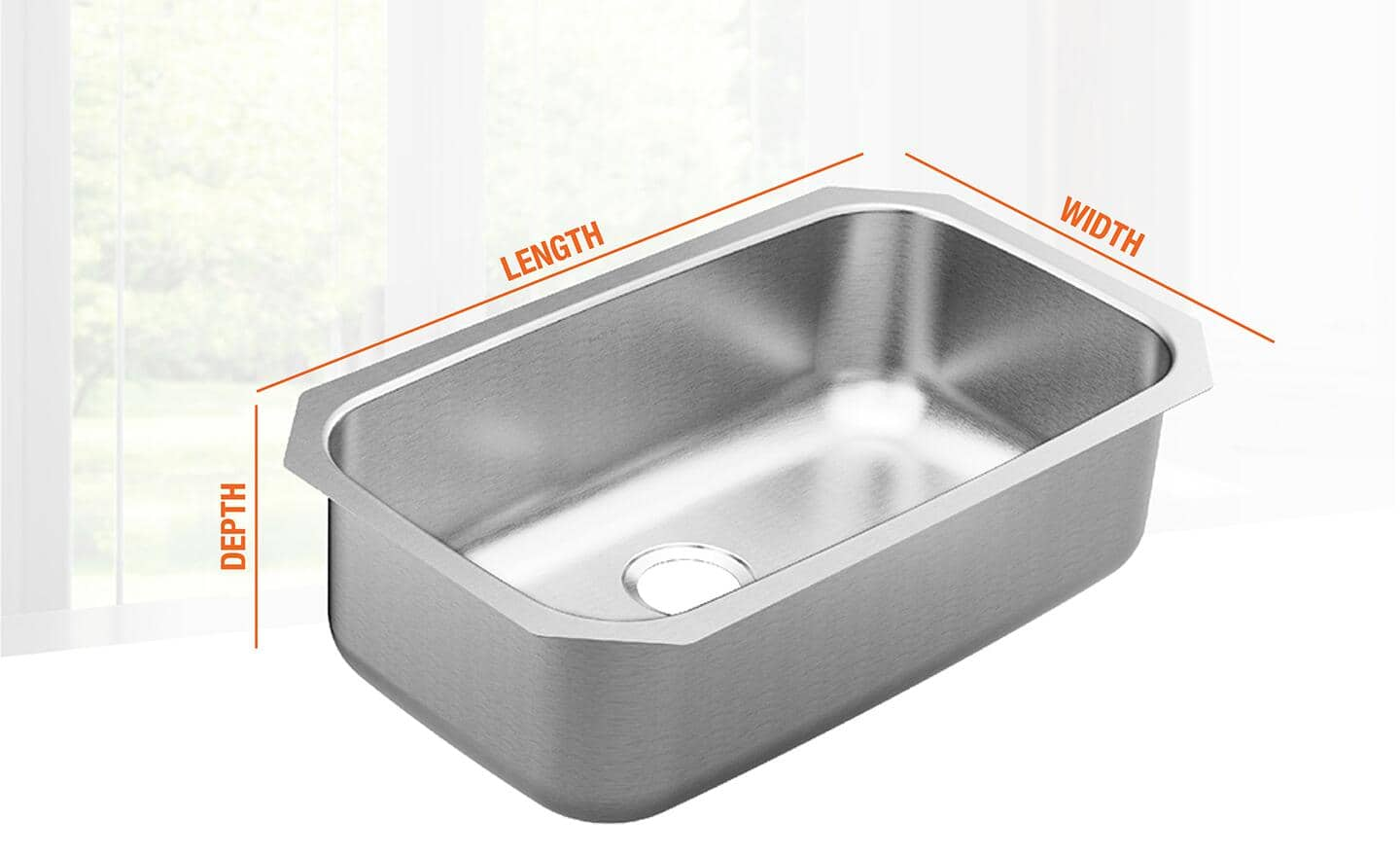
Image Source: dam.thdstatic.com
Why Accurate Sink Measurements Matter
Mistakes in measuring can lead to costly errors, from ordering the wrong size sink and having to return it, to more significant problems like countertop modifications that weren’t planned for. A sink that’s too large might not fit within your cabinet base or countertop opening, requiring expensive adjustments or a complete countertop replacement. Conversely, a sink that’s too small can leave unsightly gaps, compromising both aesthetics and functionality.
Here’s a quick rundown of why precision is paramount:
- Cabinet Fit: The sink must fit within the cabinet opening it’s designed for. This is especially true for undermount sink measurement, where the cabinet dictates the sink’s outer dimensions.
- Countertop Compatibility: Whether it’s a granite, quartz, laminate, or solid surface countertop, the cutout must be precise. A sink cutout size that’s off can lead to a loose sink or damage to the countertop material.
- Aesthetics and Functionality: The correct dimensions ensure the sink sits flush (for drop-in sinks) or is perfectly positioned (for undermount sinks), leading to a clean look and optimal usability.
- Appliance Integration: Ensure the sink dimensions accommodate your existing or planned faucet and any other accessories you intend to install.
Tools You’ll Need
Before you start measuring, gather these simple tools:
- Measuring Tape: A standard metal measuring tape is best. Ensure it has clear markings.
- Pencil and Paper: For jotting down your measurements.
- Someone to Help (Optional but Recommended): An extra pair of hands can make measuring trickier angles and larger sinks much easier.
- Safety Glasses: Always good practice when working with tools.
Measuring Your Existing Sink: The Foundation
If you’re replacing an existing sink, measuring what you have is the best starting point. This helps you understand the current setup and identify potential constraints.
For Drop-In Sinks (Top-Mount)
Drop-in sinks are the most common type. They rest on top of the countertop, with the rim visible.
1. The Countertop Cutout Measurement
This is the most critical measurement for a drop-in sink. You need to measure the actual hole in your countertop where the sink sits.
- Method:
- Clear everything out of the sink.
- Measure the length of the opening from one edge of the countertop cut to the opposite edge.
- Measure the width of the opening from one edge of the countertop cut to the opposite edge.
- Important: Measure at the widest points and take multiple measurements. For precise sink cutout size, measure from the very edge of the hole, not from the sink’s rim itself.
- Record these measurements. This is the space your new sink must fit into.
2. Overall Sink Dimensions
While the cutout is king, knowing the overall sink size is also useful.
- Method:
- Measure the total length of the sink from the outer edge of one side to the outer edge of the other.
- Measure the total width of the sink from the outer edge of the front to the outer edge of the back.
- These measurements should be slightly larger than your cutout measurements to account for the rim.
3. Sink Depth Measurement
Depth is crucial for functionality and ensuring the sink doesn’t interfere with cabinet contents or plumbing below.
- Method:
- Measure from the top rim of the sink down to the bottom of the sink basin.
- Take this measurement in the center of the basin for accuracy.
- Consider where the plumbing is located below the sink. A deeper sink might require adjustments to the P-trap or drain pipes.
4. Faucet Hole Measurement
Check how many holes are drilled in your countertop for the faucet and any other accessories (like soap dispensers or sprayers).
- Method:
- Count the number of holes.
- Measure the distance between the center of each hole. This is vital if you plan to reuse your current faucet or buy a new one that matches a specific hole configuration.
For Undermount Sinks
Undermount sinks are installed beneath the countertop, offering a seamless look. Measuring for these is slightly different.
1. Countertop Opening Measurement
This is still the primary measurement, but it’s the opening created for the undermount sink.
- Method:
- Measure the length and width of the hole in your countertop where the sink will be mounted.
- These measurements should be slightly smaller than the overall dimensions of the sink itself, allowing the sink’s rim to be supported by the underside of the countertop.
- Crucial for Undermount: You need to know the precise dimensions of the opening and the amount of overhang the sink will have on each side. This is where precise undermount sink measurement comes in. The sink’s outer dimensions should be slightly larger than the countertop cutout, with the rim sitting flush against the underside of the counter.
2. Sink Bowl Dimensions
For undermount sinks, the size and configuration of the individual bowls are very important.
- Method:
- Measure the length and width of each individual sink bowl.
- Measure the depth of each bowl.
- Note the spacing between bowls if it’s a double or triple sink.
3. Sink Depth Measurement
Similar to drop-in sinks, but with an added consideration for the countertop thickness.
- Method:
- Measure the depth of the sink basin from the bottom to the underside of the countertop.
- Remember that the total depth will include the countertop thickness plus the sink basin depth.
For Farmhouse Sinks (Apron-Front Sinks)
Farmhouse sinks are distinctive with their exposed front apron. They often require specific cabinet modifications.
1. Cabinet Width Measurement
Farmhouse sinks are typically designed to fit into a specific cabinet base.
- Method:
- Measure the width of the cabinet base where the sink will be installed. This is a critical farmhouse sink measurement.
- Most farmhouse sinks are designed for standard cabinet widths like 30″, 33″, or 36″. Ensure the sink you choose is compatible with your cabinet size.
2. Sink Width Measurement
This is the overall width of the sink itself.
- Method:
- Measure the total width of the farmhouse sink from its outermost point on one side to the outermost point on the other.
- This measurement needs to align with your cabinet base.
3. Sink Length Measurement (Projection)
This refers to how far the sink extends from the front (the apron) to the back.
- Method:
- Measure the length from the front edge of the apron to the rear edge of the sink.
- This determines how much of the countertop the sink will occupy from front to back.
4. Sink Depth Measurement
Similar to other sink types, but the apron can influence how deep it appears.
- Method:
- Measure the depth of the sink basin from the top edge to the bottom.
- Also, measure the height of the apron itself.
5. Apron Width Measurement
This is the width of the front “apron” part of the sink.
- Method:
- Measure the width of the exposed apron. This is more for aesthetic and design considerations.
Measuring Sink Components
Beyond the main sink dimensions, you’ll need to measure specific features for compatibility with faucets, drains, and disposals.
Faucet Hole Measurement
- Location: Note the position and spacing of any pre-drilled holes in the sink or countertop.
- Spacing: Measure the distance between the center of holes. Common spacings are 4 inches (for centerset faucets) or 8 inches (for widespread faucets). Some sinks come undrilled, allowing you to drill precisely where you need.
- Single Hole: If you have a single hole, ensure your new faucet can be mounted there or if a deck plate is needed.
Drain Opening Size
This is a standard measurement for most sinks, but it’s good to confirm.
- Standard Size: The vast majority of kitchen sinks use a 3.5-inch diameter drain opening. This accommodates standard strainers and garbage disposals.
- Measurement: If you’re unsure, measure the diameter of the existing drain opening.
Measuring for a New Installation (No Existing Sink)
If you’re installing a sink in a new countertop or a completely redesigned kitchen, you have more flexibility, but careful planning is still essential.
1. Cabinet Base Size
- Method: Measure the width of the cabinet that will house the sink. This is crucial for determining the maximum kitchen sink dimensions you can accommodate.
- Recommendation: For standard drop-in or undermount sinks, the cabinet base is typically around 3 inches less than the sink’s width. For example, a 33-inch sink usually fits in a 30-inch base cabinet. Farmhouse sinks often require a dedicated base cabinet designed for their specific dimensions.
2. Countertop Space
- Method: Measure the available countertop area where the sink will be placed.
- Considerations:
- Clearance: Ensure there’s enough space around the sink for counter usage, especially between the sink and the backsplash or cooktop.
- Edge Clearance: For undermount sinks, make sure there’s enough countertop material extending beyond the cabinet opening to support the sink rim. This overhang is typically 1.5 to 2 inches.
3. Sink Depth Considerations
- Cabinet Height: Check the clearance inside your base cabinet. A very deep sink might interfere with drawers, shelves, or plumbing.
- Plumbing Location: Ensure sufficient space for the drain pipes and garbage disposal unit if you plan to install one.
Measuring Different Sink Types
Let’s recap the specific measurement considerations for popular sink types.
Drop-In Sink Measurement Guide
- Primary Measurement: Countertop cutout size (length and width).
- Key Components: Overall sink width, overall sink length, sink depth measurement.
- Considerations: Rim overlap onto the countertop, faucet hole configuration.
Undermount Sink Measurement Guide
- Primary Measurement: Countertop cutout size (length and width) and the required overhang.
- Key Components: Sink’s outer dimensions (length and width), individual bowl dimensions, sink depth measurement.
- Considerations: Countertop thickness, cabinet support, clearance for faucet and plumbing. The precise undermount sink measurement must account for the lip that attaches to the countertop.
Farmhouse Sink Measurement Guide
- Primary Measurement: Cabinet base width.
- Key Components: Overall sink width, sink length (projection), sink depth measurement, apron dimensions.
- Considerations: Cabinet modifications might be needed to accommodate the apron, and plumbing needs to be positioned correctly behind the apron. The farmhouse sink measurement needs to match or fit within the dedicated cabinet.
Table: Common Sink Measurement Cheat Sheet
| Sink Type | Key Measurements to Record | What to Measure | Notes |
|---|---|---|---|
| Drop-In | Countertop Cutout (L x W), Overall Sink (L x W), Depth | Measure the hole in the counter. Measure the sink from outside edge to outside edge. Measure from top rim to bottom. | Cutout is critical. Sink dimensions should be slightly larger than cutout. |
| Undermount | Countertop Cutout (L x W), Sink Outer (L x W), Bowl Dims, Depth | Measure the hole in the counter. Measure the sink from outside edge to outside edge. Measure each basin. Measure from underside of counter to bottom. | Sink rim needs to be supported. Account for countertop thickness. Outer sink dimensions are larger than cutout. |
| Farmhouse | Cabinet Base Width, Overall Sink Width, Length, Depth, Apron | Measure the cabinet opening. Measure sink from edge to edge. Measure front apron to back. Measure sink basin depth. Measure apron width. | Often requires specific cabinet bases. Apron may affect counter clearance. |
| General | Faucet Holes, Drain Opening Size | Count and space faucet holes. Measure drain hole diameter. | Ensure faucet compatibility. Standard drain is 3.5 inches. |
Final Checks and Tips
- Double-Check: Always measure twice and buy once. It’s worth the extra few minutes.
- Manufacturer Specifications: Once you have your measurements, compare them to the manufacturer’s specifications for any sink you are considering. They will list precise kitchen sink dimensions, including the required sink cutout size for undermounts and recommended cabinet sizes for all types.
- Consider the Faucet: When measuring for faucet holes, think about the style of faucet you want. A single-handle faucet might only need one hole, while a more traditional faucet could require three or more.
- Garbage Disposal: If you have or plan to install a garbage disposal, ensure the drain opening size is compatible, and there’s enough clearance below the sink for the unit.
- Material Matters: Some sink materials, like fireclay for farmhouse sinks, can be slightly thicker or have unique mounting requirements. Always check the manufacturer’s installation guide.
By following these detailed steps, you can confidently measure your kitchen sink area and select a new sink that fits perfectly, ensuring a beautiful and functional upgrade to your kitchen.
Frequently Asked Questions (FAQ)
Q1: What is the standard size of a kitchen sink?
A1: While there isn’t one single “standard” size, common widths for kitchen sinks range from 24 inches to 33 inches. Double-bowl sinks are also very popular, often measuring around 33 inches wide. The depth typically ranges from 7 to 10 inches.
Q2: Can I measure my sink without removing it?
A2: Yes, you can measure most aspects of your sink without removing it. For drop-in sinks, measuring the countertop cutout is done from the top. For undermount sinks, you can often measure the outer edges and bowl dimensions from below or by carefully measuring the countertop opening. However, for the most precise sink cutout size for an undermount, you might need to access the underside of the countertop.
Q3: How do I measure the cabinet for a new sink?
A3: Measure the width of the cabinet opening where the sink will be installed. For drop-in sinks, subtract about 3 inches from the sink’s width to determine the required cabinet base. For undermount sinks, measure the cabinet base and then add the desired countertop overhang (usually 1.5-2 inches on each side) to get the maximum outer sink dimension. For farmhouse sink measurement, you’ll need to ensure the cabinet base matches the sink’s width or is specifically designed for it.
Q4: What does “sink depth measurement” refer to?
A4: Sink depth measurement refers to the vertical distance from the top rim of the sink (or the underside of the countertop for undermounts) down to the bottom of the sink basin. This is important for capacity and clearance beneath the sink.
Q5: How do I measure for a garbage disposal connection?
A5: You need to know the drain opening size of your sink, which is almost always 3.5 inches in diameter. This is the standard size that garbage disposal drain flanges fit into.
Q6: My current sink has 3 faucet holes, but I want a faucet with only 1 hole. What do I do?
A6: If you’re installing a new sink with fewer holes than your countertop has, you’ll typically need a sink with a solid deck or use a sink-specific deck plate to cover the unused holes in the countertop, ensuring a clean look.
Q7: What is the difference in measuring for an undermount sink versus a drop-in sink?
A7: For a drop-in sink, you measure the existing countertop cutout and ensure the new sink’s overall dimensions will fit within that opening with its rim resting on top. For an undermount sink measurement, you measure the countertop cutout and ensure the new sink’s outer dimensions are slightly larger, allowing its rim to sit flush against the underside of the countertop, supported by the cabinet. The countertop itself is cut precisely for the undermount sink.