Does your kitchen sink smell bad? A smelly sink is a common problem. It usually happens because of things stuck in the drain. Food pieces, grease, and soap scum can build up. This creates a bad kitchen sink drain smell. If you have a garbage disposal, it can also hold onto food bits and cause a garbage disposal smell. But don’t worry! You can fix a smelly sink. It is often easy to make your kitchen sink smell better. This guide shows you five simple steps. These steps help clean your drain. They fight bad smells. You can get rid of that bad odor. You can make your sink smell fresh again.
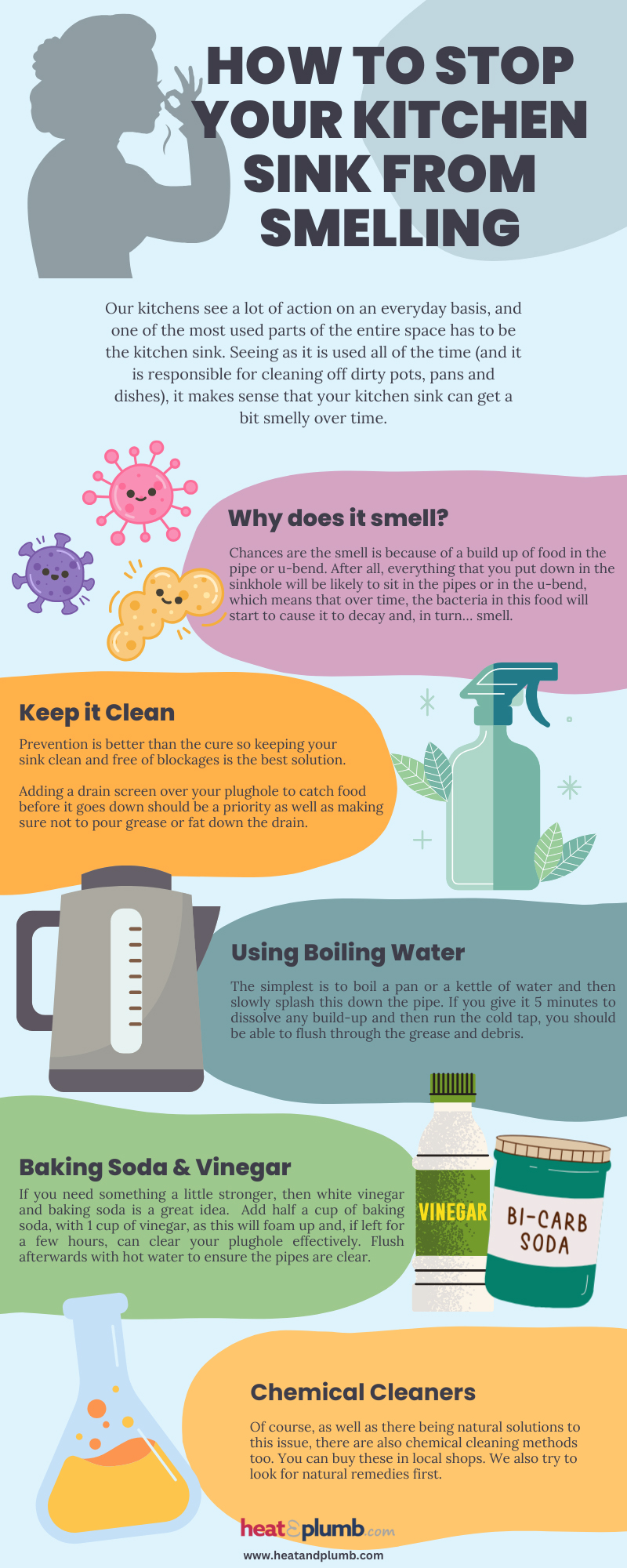
Image Source: www.heatandplumb.com
Why Your Sink Smells
Sink smells are not fun. They can make your whole kitchen smell bad. Where does the smell come from? Most times, it comes from the drain.
Food Gunk
Bits of food go down the drain. This happens when you wash dishes. Even small bits can cause trouble. They get stuck on the sides of the pipe.
Grease and Soap
Grease from cooking goes down too. It sticks to the pipes. Soap scum also builds up. This creates a sticky mess. Food bits get caught in this mess.
Bacteria Grow
When food and grease sit in the pipe, bacteria start to grow. Bacteria eat the old food. This makes the bad smell. It is like tiny bits of food are rotting in your drain. This is the main cause of a bad kitchen sink drain smell.
The Garbage Disposal
If you have a garbage disposal, it can be a big source of smell. Food gets ground up. But bits of food can stay inside the disposal area. These bits rot. This causes a strong garbage disposal smell. You need to clean the disposal itself.
The P-Trap
Below your sink is a curved pipe. It looks like the letter “U” or “P”. This is called the p-trap. This pipe holds a little bit of water all the time. This water creates a seal. It stops smelly gases from the sewer pipes from coming up into your kitchen. If this pipe is dirty, it can smell. If it dries out (like in a sink you don’t use much), the sewer gas can come up. This causes a p-trap drain smell. Buildup inside the pipe itself also adds to the smell. This means the clean sink drain pipe area is very important.
In the Pipes
Smells can also come from deeper in the drain pipe. Over time, stuff builds up all along the path. Getting rid of food particles in drain parts is key. This helps eliminate kitchen drain odor. A smelly sink fix often means clearing these blockages and smells.
Step 1: Use Very Hot Water
Hot water is a simple first step. It is also very easy. Hot water can help melt grease. It can help wash away loose bits of food. This makes the drain flow better. It can also help wash away some of the smelly stuff stuck inside.
Why Use Hot Water?
Grease is a big problem in kitchen drains. It is liquid when hot. But it cools down in the drain. Then it turns solid. It coats the inside of the pipes. This is where food sticks. Very hot water can heat this grease back up. It can help it flow down the pipe more easily. It can also kill some of the bacteria causing the smell.
How to Use Hot Water
- Heat water: Get a big pot. Fill it with water. Heat it on the stove until it boils. You need boiling water drain treatment.
- Get it ready: Be very careful with boiling water. It can cause burns.
- Pour slowly: Pour the boiling water directly down the drain. Do this slowly. Let the hot water work its way down. Use a good amount. Pour maybe one or two big pots full.
- Let it sit: Let the hot water sit in the pipes for a few minutes.
- Run tap water: After waiting, run hot water from your tap for a minute or two. This helps push the hot water and loosened gunk further down.
How Often?
You can do this hot water step often. Doing it maybe once a week can help prevent smells from starting. It is a good habit for a smelly sink fix.
Step 2: Try Baking Soda and Vinegar
This is a classic cleaning trick. It is natural and safe. Baking soda and vinegar make a fizzy reaction. This fizzing can help break up clogs. It can loosen the gunk sticking to your pipes. It also helps clean the drain. This is a great baking soda vinegar sink clean method. It is very effective for many drain smells.
Why It Works
Baking soda is a base. Vinegar is an acid. When you mix them, they react. They make lots of bubbles. This is the fizzing you see. This reaction is like a mini cleaning scrub inside your pipe. The bubbles help lift and loosen grease and food bits. Baking soda also helps absorb smells. Vinegar is an acid. It can help break down some types of buildup.
How to Do the Baking Soda Vinegar Sink Clean
- Use baking soda: Get half a cup of baking soda. Pour it directly down the drain opening. Try to get as much as possible into the drain itself, not just on the sink surface.
- Add vinegar: Next, pour one cup of white vinegar down the drain.
- Watch the fizz: The baking soda and vinegar will start to fizz right away. You will see bubbles. This is good! The reaction is working inside the pipe.
- Cover the drain (optional): You can put a stopper or a rag over the drain opening. This helps keep the fizzing reaction focused inside the pipe.
- Wait: Let the baking soda and vinegar mix sit in the drain for about 15 to 30 minutes. Let it work its magic.
- Rinse with hot water: After waiting, rinse the drain. Use hot water from your tap. Let the hot water run for a minute or two. This washes away the baking soda, vinegar, and loosened gunk. For extra power, you can follow up with the boiling water from Step 1 again after the wait time, instead of just tap water.
Add Salt for Extra Power
You can make this mix stronger. Add half a cup of salt to the baking soda. Mix them together. Pour the mix down the drain. Then add the vinegar. The salt is rough. It can help scrub the inside of the pipe a little. This can help remove more buildup. This baking soda vinegar sink clean method with salt is great for tough smells.
How Often?
You can do this baking soda and vinegar treatment regularly. Doing it once a month can help keep your drain fresh. It is a good way to maintain a clean sink drain pipe. It helps prevent the kitchen sink drain smell from coming back.
Step 3: Clean Your Garbage Disposal
Garbage disposals are very handy. But they are a main cause of bad smells. Food gets stuck in all the parts inside. This food rots. It creates a strong garbage disposal smell. Cleaning the disposal itself is a key smelly sink fix if you have one.
Why Disposals Smell
Think about what goes in there. Food scraps. Fruit peels. Veggie bits. Coffee grounds. All these things get chopped up. But small pieces can stick to the blades. They can stick to the rubber splash guard. They can stick to the walls of the disposal chamber. If you don’t rinse it well, these bits stay. They break down. They smell bad. This is why getting rid of food particles in drain areas, especially in the disposal, is so important.
Cleaning the Garbage Disposal
There are a few ways to clean your disposal.
Method 1: Soap and Cold Water
This is simple and good for regular cleaning.
- Turn it off: Make sure the disposal is off. Turn off the wall switch for safety.
- Clean the splash guard: The black rubber piece at the top is the splash guard. It gets very dirty. Food splashes onto it. Lift up the flaps. Clean the underside. Use an old toothbrush or a small brush. Use dish soap and water. Scrub the top and bottom of the guard well.
- Turn it on: Turn the power back on.
- Run cold water: Turn on your cold water tap. Let it run into the sink.
- Turn on disposal: While the cold water is running, turn on the garbage disposal.
- Flush: Let the disposal run for about 30-60 seconds with cold water running. This helps flush out loose bits. Always use cold water when running the disposal. Cold water helps any grease going down to stay solid so the blades can chop it up better. Hot water can melt grease, sending it down the pipe where it cools and hardens.
Method 2: The Lemon and Ice Trick
This method uses ice and citrus peels. It helps clean the blades. It also leaves a fresh smell. This is the lemon and ice garbage disposal method.
- Get supplies: You need ice cubes. Fill a cup or two with ice. You also need citrus peels. Lemon, lime, orange, or grapefruit peels work well. Cut them into small pieces.
- Add ice: Turn on the cold water. While water is running, add the ice cubes to the running disposal.
- Turn on disposal: Turn on the disposal with the cold water and ice running. The ice helps knock off stuck-on food from the blades and walls. It is like a mini-scrubber.
- Add citrus peels: While the disposal is running, add the citrus peels. The peels also help clean and scrub. They release fresh-smelling oils. This helps cover up or get rid of the bad smell.
- Run water: Keep the cold water and disposal running until you hear the grinding stop and all the ice and peels are gone. Then let the water run for another 15-30 seconds to flush everything out.
Method 3: Baking Soda and Vinegar (for Disposal Smells)
You can also use the baking soda and vinegar method on a smelly disposal.
- Turn off disposal: Make sure the power switch is off.
- Pour baking soda: Pour half a cup of baking soda into the disposal drain opening. Get it down inside.
- Pour vinegar: Pour one cup of white vinegar down the drain, into the disposal.
- Wait: Let it sit and fizz for 10-15 minutes.
- Flush: Turn on the cold water. Turn on the disposal. Let it run for about 30 seconds to flush everything clean.
How Often?
Clean your garbage disposal regularly. Use the soap and water method every few days. Use the lemon and ice garbage disposal method or the baking soda/vinegar method weekly or whenever you notice a smell starting. This is a key smelly sink fix for disposal owners.
Step 4: Address the P-Trap and Pipe Buildup
Sometimes the smell comes from deeper in the drain. It might be buildup in the main drain pipe or the p-trap drain smell. The earlier steps help clean these areas. But if the smell is very strong or lasts, the buildup might be heavy. Cleaning the drain pipe can help eliminate kitchen drain odor.
Reviewing the P-Trap
As we said, the p-trap is the curved pipe under the sink. It holds water to block sewer gas. If this water seal is broken (because it’s dry or the pipe is blocked), sewer gas comes up. If the pipe itself has lots of gunk, it smells. The baking soda/vinegar and hot water steps help clean this area without taking the pipe apart.
- Dry P-trap: If the sink is not used often, the water in the p-trap can dry out. Just run some water down the drain for a minute. This refills the trap and should stop sewer gas smells quickly.
- Gunk in P-trap: Food particles in drain areas like the p-trap collect over time. The methods in Steps 1-3 help clean this.
When Basic Steps Aren’t Enough
If you’ve done Steps 1-3 and the smell is still there, the buildup might be more stubborn. This means you might need to clean sink drain pipe areas more thoroughly.
Option A: Use a Drain Brush or Snake (Simple)
You can buy simple drain brushes or small drain snakes. These are flexible tools. You push them down the drain opening. They can reach into the top part of the pipe and sometimes the p-trap. They can help grab or push through clogs and gunk.
- Get a tool: Buy a simple, flexible drain brush or small snake from a hardware store.
- Push it in: Gently push the tool down the drain opening.
- Twist and pull: Twist the tool and gently pull it back out. You might pull up hair or gunk. This shows it is working.
- Repeat: Do this a few times.
- Flush: Run hot tap water or boiling water (from Step 1) down the drain to flush away loosened stuff.
This helps clean the upper part of the clean sink drain pipe.
Option B: Consider Checking the P-Trap (More Involved)
Disclaimer: Only do this if you are comfortable. Have a bucket ready. This can be messy.
If you suspect the p-trap itself is full of gunk, you can sometimes take it off to clean it. However, for an “easy steps” guide, this is often too complex for many people. The goal here is simplicity. Let’s focus on easier fixes first. The prior steps should help clean the p-trap for most cases. If the smell is really bad and persistent after Steps 1-3, it might be a deeper issue requiring more than easy steps.
Let’s rephrase to keep it easy:
If the smell is still bad after Steps 1, 2, and 3, the gunk might be deeper. It could be in the curved pipe (the p-trap) or the pipe going into the wall. The simple cleaning methods should help push this gunk through. If they don’t fully work, the blockage or gunk is significant.
- Try the simple snake: As described above, a simple tool can help.
- When to get help: If the smell stays, or if the drain is slow, you might have a bigger clog or buildup. At this point, you might need stronger methods or help. Professional drain cleaners can clean sink drain pipe parts thoroughly. They have special tools to clear tough clogs and wash away old gunk that causes smells. Sometimes, a stubborn p-trap drain smell needs this deeper clean.
The goal of Step 4 is recognizing that basic steps might not clear everything and what to do next. The easy smelly sink fix methods cover most cases.
Step 5: Keep It Smelling Good (Prevention)
The best way to fix a smelly sink is to stop the smell from happening! Once you have cleaned your drain using the steps above, keep it clean. Simple habits can eliminate kitchen drain odor before it starts.
Good Habits for a Fresh Sink
- Scrape plates: Before washing dishes, scrape all food bits into the trash or compost. Don’t let large amounts of food particles in drain pipes happen. This is the most important step for prevention.
- Rinse with cold water (disposal): If you use a garbage disposal, run cold water before, during, and after you use it. Let the water run for 15-30 seconds after turning off the disposal. This flushes food bits away.
- Rinse with hot water (no disposal): If you don’t have a disposal, run hot water from the tap for 15-30 seconds after washing dishes. This helps push soap and grease down the pipe before it cools and sticks.
- Regular hot water flush: Do the boiling water drain flush (Step 1) once a week. It helps keep things flowing.
- Regular baking soda/vinegar: Do the baking soda vinegar sink clean (Step 2) once a month. This keeps minor buildup from becoming a problem.
- Clean the sink basin: Don’t forget to clean the sink itself! Bits of food and soap can stay on the sink surface and around the drain opening. Use your regular sink cleaner. Wipe down the sink after use. Pay attention to the area right around the drain.
- Check the overflow: There is usually a small hole near the top of the sink basin. This is the overflow drain. It can also get dirty and smelly. You can pour a little baking soda and vinegar or hot soapy water into it. Use a small brush to clean it if you can reach.
Using Lemon or Other Scents (Carefully)
Some people like to use lemon or citrus peels to make the sink smell nice. The lemon and ice garbage disposal trick does this well. You can also just wipe the sink and drain opening with a cut lemon. This adds a fresh scent. But remember, this only covers up smells. It does not clean the drain. Make sure you clean the drain first!
- Caution: Do not put large amounts of coffee grounds, eggshells, grease, or starchy foods (like potato peels or pasta) down the drain, especially if you don’t have a disposal or have had drain problems before. These things are very likely to cause clogs.
By following these prevention tips, you can greatly reduce the chances of getting that bad kitchen sink drain smell again. It is much easier to prevent the smell than to fix a smelly sink that has become very bad. These simple steps are the best smelly sink fix for the long term.
Summary of the 5 Easy Steps
Here is a quick look at the steps to make your kitchen sink smell better:
- Hot Water Flush: Pour boiling water down the drain. This melts grease. It washes away loose gunk. Do this regularly.
- Baking Soda & Vinegar: Use baking soda and vinegar. Their fizzing action cleans the pipe walls. This helps loosen buildup. It helps with smell absorption.
- Clean the Disposal: If you have one, clean the garbage disposal. Use soap and cold water. Or use the lemon and ice method. This removes smelly food bits.
- Address Pipe Buildup: If smells remain, gunk might be deeper. Use a simple snake tool. Or call a professional for a deeper clean if needed. This helps clear the clean sink drain pipe.
- Prevent Smells: Develop good habits. Scrape plates. Run water after use. Clean regularly. Stop food particles in drain areas.
These steps, especially Steps 1-3 and the prevention tips (Step 5), are the most common and effective ways to eliminate kitchen drain odor and get rid of a p-trap drain smell caused by gunk.
When to Seek Help
Most kitchen sink smells can be fixed with these simple steps. But sometimes, the smell is a sign of a bigger problem.
- Persistent Smell: If the bad smell does not go away after trying these steps multiple times, there might be a serious blockage or an issue deeper in your home’s plumbing system.
- Slow Drain: If your sink is draining very slowly, or not draining at all, you likely have a significant clog. The simple methods might not be strong enough to clear it.
- Multiple Drains Smelling: If sinks or drains in other parts of your home also smell bad, there could be a problem with the main sewer line or vent pipes. This needs a professional.
- Gurgling Sounds: Strange noises from the drain when using water might mean trapped air or a blockage.
If you have these issues, it is best to call a plumber. They have tools and knowledge to find the cause of the problem. They can safely clear major clogs or fix issues with your pipes that are causing the smell.
Supplies You Might Need
Here is a simple list of things you might need for these steps:
| Supply | Step Used In | Notes |
|---|---|---|
| Large Pot | Step 1 (Boiling Water) | For heating water |
| Baking Soda | Step 2, Step 3 (Disposal) | White powder, found in baking aisle |
| White Vinegar | Step 2, Step 3 (Disposal) | Common household vinegar |
| Salt (optional) | Step 2 (with baking soda/vinegar) | Table salt is fine |
| Ice Cubes | Step 3 (Disposal) | Make them in your freezer |
| Citrus Peels | Step 3 (Disposal), Prevention | Lemon, lime, orange, grapefruit peels |
| Dish Soap | Step 3 (Disposal), Prevention | Regular dish soap |
| Old Toothbrush/Brush | Step 3 (Disposal), Prevention | For cleaning splash guard or sink area |
| Drain Stopper/Rag | Step 2 (optional) | To cover the drain while fizzing |
| Flexible Drain Brush | Step 4 (optional) | For manual cleaning of upper drain pipe |
| Bucket | Step 4 (if disassembling p-trap) | Requires caution, maybe call a pro |
These are all simple things you can find in most homes or buy easily at a grocery or hardware store.
More Tips for a Fresh Kitchen
Beyond the drain, other things can make your kitchen smell bad. Keeping the whole kitchen clean helps.
- Trash Can: Empty your trash can often. Clean the inside of the can regularly. Use soap and water or a disinfectant spray.
- Dishwasher: Clean your dishwasher. Food can build up inside. Run a cleaning cycle with a dishwasher cleaner. Clean the filter if it has one. Leave the door open slightly after a cycle to let it air out.
- Sponges and Dishcloths: These can hold bacteria and smell bad. Change them often. Wash dishcloths in the washing machine.
- Sink Area: Wipe down your sink, faucet, and countertops often. Clean up spills right away.
- Vent Hood: Your kitchen vent hood above the stove collects grease. Clean the filters regularly. Wipe down the surfaces.
A clean drain is a big part of a fresh kitchen. By using these 5 steps and practicing good kitchen habits, you can eliminate kitchen drain odor and enjoy a much nicer smelling space.
Frequently Asked Questions (FAQ)
Q: How often should I clean my kitchen sink drain?
A: You can do the boiling water flush weekly and the baking soda/vinegar clean monthly as simple upkeep. Clean your garbage disposal weekly if you use it often. Prevention habits daily (scraping plates, running water) are key.
Q: Can I use harsh chemicals to clean my drain?
A: It is better to avoid harsh chemical drain cleaners if possible. They can be bad for your pipes, especially older pipes. They are also bad for the environment and your health. The methods using hot water, baking soda, and vinegar are safer and often work well for smells caused by buildup. Use chemicals only as a last resort and follow product instructions carefully.
Q: My drain smells like rotten eggs. What is that?
A: A rotten egg smell is often hydrogen sulfide gas. This can come from bacteria breaking down organic matter (like food) in your drain or pipes. It can also sometimes be related to sewer gas coming up. The baking soda/vinegar method and hot water flush are good first steps. If it continues, it could be the p-trap drain smell issue or a deeper problem, and you might need a plumber.
Q: Does pouring bleach down the drain help with smells?
A: Bleach can kill bacteria, which cause smells. However, it does not clear clogs. Also, mixing bleach with other cleaners (like vinegar or ammonia) can create dangerous fumes. It is generally safer and better for your pipes to use the baking soda and vinegar method or hot water.
Q: Will a water softener help with drain smells?
A: A water softener might help a little over a long time by reducing mineral buildup in pipes. But it will not fix smells caused by food particles, grease, or bacterial growth from those things. You still need to clean the drain itself.
Q: Is it normal for the sink to smell sometimes?
A: A slight smell sometimes might happen, especially after putting food down the drain. But a strong, constant bad smell is not normal and means there is buildup that needs to be cleaned out.
Q: Can ice alone clean a garbage disposal?
A: Ice helps. When the disposal grinds ice, it scrapes against the sides and blades. This helps loosen stuck-on food. But it does not clean the sticky grease or kill bacteria as well as adding citrus peels (for oil/scent) or using soap and water/baking soda and vinegar. Using ice is a good part of the lemon and ice garbage disposal method.
Taking care of your kitchen sink drain is important. It helps keep your kitchen fresh and prevents bigger plumbing problems later. Follow these easy steps to enjoy a clean and smell-free sink!