So, how do you kasher a kitchen for Passover? Kashering a kitchen for Passover involves thoroughly cleaning and preparing all surfaces and utensils to be free of chametz (leavened grain products) and ensuring they are suitable for use during the holiday. This process is essential for adhering to Passover dietary laws.
Passover, a time of liberation and remembrance, requires a dedicated approach to our kitchens. The transition from everyday cooking to Passover food preparation is a significant undertaking, and knowing how to kasher your kitchen is the cornerstone of this annual practice. This comprehensive kitchen kashering guide will walk you through every step, from deep cleaning to the specific rules for various kitchen items.
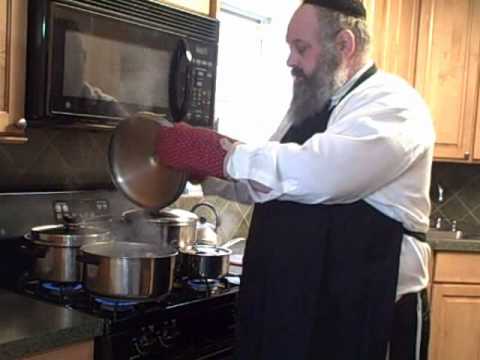
Image Source: crckosher.org
The Essence of Kashering for Passover
Before diving into the practical steps, it’s important to grasp the underlying principles. Kashering, in the context of Passover, is about transforming your kitchen from a place where chametz is prepared and stored to one that is completely free of it. This isn’t just about cleaning; it’s about a ritualistic preparation to ensure your home aligns with the spiritual and dietary observances of the holiday.
What is Chametz?
Chametz refers to any food product made from wheat, barley, rye, oats, or spelt that has come into contact with water and has begun to leaven. During Passover, the consumption, possession, or even deriving benefit from chametz is strictly prohibited.
Why Kasher?
The Torah commands us to remove all chametz from our homes for the duration of Passover. Kashering is the method by which we make our existing kitchen equipment and spaces suitable for Passover use, rather than replacing everything with new items.
Preparing for the Kashering Process
Proper preparation is key to an efficient and effective kashering. Gather your supplies and plan your timeline.
Gathering Your Supplies
You’ll need a variety of cleaning agents and tools:
- Scrub brushes: Stiff and soft bristle brushes.
- Sponges and cloths: Dedicated for Passover use.
- Dish soap: Regular dish soap is fine for general cleaning.
- Vinegar: For cleaning and sanitizing.
- Baking soda: A natural abrasive and deodorizer.
- Boiling water: For the kashering process itself.
- Blow dryer or heat gun: Useful for drying certain areas.
- Aluminum foil: To cover surfaces that cannot be kashered.
- Plastic wrap: For covering shelves and drawers.
- New sponges, brushes, and cloths: It’s often recommended to use new items specifically for Passover to avoid any potential contamination.
- Gloves: To protect your hands.
Planning Your Timeline
Kashering can take time, so start early. Many people begin a week or two before Passover. Allocate specific days for different tasks to avoid feeling overwhelmed.
Kashering Your Kitchen Surfaces: A Step-by-Step Breakdown
The goal is to remove any trace of chametz and then make surfaces kosher through a process that mimics how they are typically used, but with a Passover-appropriate method.
Cleaning Thoroughly: The Foundation
Before any kashering can begin, a deep clean is essential. This involves removing all food particles, grease, and general grime.
1. Empty Everything
- Remove all food, dishes, appliances, and utensils from cabinets, drawers, and countertops.
- This allows for a complete view and access to every surface.
2. Deep Clean Cabinets and Drawers
- Wipe down the inside and outside of all cabinets and drawers.
- Use a solution of water and vinegar or baking soda and water to clean.
- Ensure they are completely dry.
3. Clean the Walls and Backsplashes
- Wash down walls, especially around the stove and sink, to remove grease and splatters.
4. Clean the Floor
- Thoroughly mop or scrub the kitchen floor, paying attention to corners and edges.
Kashering Specific Areas and Appliances
Now, we move on to the actual kashering of surfaces and appliances. The primary method for most surfaces is called hagalah, which involves immersing the item in boiling water or passing it over a direct flame.
Kashering Countertops
- Non-porous countertops (e.g., granite, quartz, Corian):
- Clean thoroughly with soap and water.
- Pour boiling water over the entire surface. This is the hagalah for countertops.
- Dry immediately.
- Porous countertops (e.g., marble, unfinished wood):
- These are difficult to kasher and are often covered with foil or plastic wrap.
- Alternatively, some may choose to replace them or use separate Passover-specific countertops.
Kashering Sinks
- Stainless steel sinks:
- Clean the sink thoroughly, removing any food debris or stains.
- Boil water and pour it over the entire sink basin, ensuring all surfaces are covered.
- If you have a double sink, kasher each side separately.
- Enamel or porcelain sinks:
- These are more challenging due to their porosity.
- Some authorities allow for a very thorough scrubbing and then pouring boiling water.
- Others recommend covering them with plastic wrap or using a sink mat.
Koshering a Stove
This is a critical step in Passover kitchen prep. The process varies slightly based on the type of stove.
Gas Stoves
- Burner grates: These can often be cleaned thoroughly and then placed in a very hot oven for a period to simulate direct heat hagalah. Alternatively, some people replace them or kasher them by boiling if they fit in a large pot.
- Burner heads: Clean thoroughly and ensure all gas ports are clear. Some suggest placing them over a direct flame if possible, but thorough cleaning is often sufficient.
- Cooktop surface:
- Remove all grates and burner caps.
- Clean the entire surface meticulously, removing all food residue and grease.
- For gas cooktops, the primary method involves a thorough cleaning and then letting the burners themselves heat up intensely for a significant period. This simulates the direct heat from cooking.
- If the cooktop has a glass or ceramic surface, clean it thoroughly. Many recommend covering it with foil or using a dedicated Passover cooktop cover.
Electric Stoves
- Coil burners:
- Clean the coils thoroughly.
- Turn them on to their highest setting for an extended period until they glow red. This is the hagalah for coils.
- Smooth-top electric stoves (glass or ceramic):
- Clean the surface meticulously.
- Since direct heat is not applicable in the same way as gas or coils, the kashering is primarily through intense cleaning.
- Many people cover these surfaces with foil or use special Passover cooktop protectors to prevent any chametz from touching them.
Oven
- Self-cleaning ovens: The self-cleaning cycle is considered a form of kashering for the oven cavity.
- Ensure the oven is completely empty of racks and any residue.
- Run the self-cleaning cycle.
- After the cycle, allow it to cool completely.
- Wipe down the interior.
- Conventional ovens (without self-cleaning):
- Clean the oven thoroughly, removing all grease and food particles.
- Then, heat the oven to its highest temperature for at least 30 minutes to an hour. This is hagalah via high heat.
- Some people prefer to cover the oven bottom and sides with heavy-duty foil, leaving the top rack uncovered if they intend to use it without foil.
- Oven racks:
- These can often be kashered by placing them in the hot oven during the kashering process, or by cleaning them and then immersing them in boiling water if they fit into a large pot or sink.
Kashering the Refrigerator and Freezer
- Cleaning: Empty all food items. Wipe down all shelves, drawers, and interior walls with a vinegar-water solution. Pay attention to any seals.
- Freezer: Defrost and wipe down. The cold temperature prevents chametz from leavening, so a thorough cleaning is generally sufficient.
Kashering the Microwave
- Cleaning: Wipe down the interior and exterior thoroughly.
- Kashering: Place a microwave-safe bowl filled with water and vinegar inside. Heat on high for several minutes until steam fills the microwave. Let it sit for a few minutes, then wipe down the interior. Be cautious when removing the hot bowl.
Kashering Dishwashers
- Cleaning: Run an empty cycle with a dishwasher cleaner or a cup of vinegar.
- Filter: Clean the filter thoroughly.
- Racks: Ensure no chametz residue is present. The hot water and detergent during a cycle are generally considered sufficient.
Kashering Utensils and Cookware
This is where the “koshering utensils” and “koshering cookware” keywords come into play. Each item requires specific attention based on its material and how it’s used.
General Principles for Kashering Utensils
- Method: The primary methods are hagalah (immersion in boiling water), libun kal (light scorching with heat), and iyun (cleaning and covering). The choice depends on how the item was originally used.
- Cleaning: All items must be meticulously cleaned of any food residue before kashering.
- No Interruption: The kashering process should not be interrupted once started.
Kashering Pots and Pans
- Metal pots and pans (stainless steel, aluminum, cast iron):
- Clean thoroughly.
- Hagalah: Fill a large pot with water and bring it to a rolling boil. Immerse the pot or pan in the boiling water for a moment. You may need to do this multiple times to cover all surfaces.
- For cast iron, after boiling, dry immediately and re-season to prevent rust.
- Non-stick pans: These are often difficult to kasher. Many people opt to purchase new ones for Passover. If you choose to kasher, extreme caution and thorough cleaning are required, often followed by covering.
- Glass or ceramic cookware: These cannot be kashered by boiling or heat and are typically replaced or covered.
Kashering Silverware
- Silverware:
- Clean thoroughly.
- Hagalah: Immerse silverware in boiling water. You can do this in batches in a large pot.
- Some prefer to send them to a professional for kashering or purchase new sets.
Kashering Glassware
- Glassware: According to many Ashkenazi traditions, glass cannot be kashered because it is porous and absorbs flavors. Therefore, separate glassware is typically used for Passover.
- Some Sephardic traditions: Allow for kashering of glass by immersion in boiling water, provided the glass is sturdy enough not to crack. Consult your Rabbi for specific guidance.
Kashering Wooden Items
- Wooden spoons, cutting boards:
- These are very difficult to kasher due to their porosity.
- Thoroughly clean.
- Some attempt libun kal by passing them over a flame, but this can damage the wood.
- It is often recommended to use new wooden items or dedicate specific items for Passover. Wooden cutting boards are often covered with foil.
Kashering Plastic Items
- Plastic cutting boards, containers:
- These are generally difficult to kasher effectively with boiling water without warping or melting.
- It is usually recommended to use new plastic items for Passover or to cover them thoroughly with foil or plastic wrap.
Kashering Other Kitchen Items
- Blenders and food processors:
- Disassemble and clean all parts thoroughly.
- The plastic containers and lids are usually replaced or covered.
- The motor base can sometimes be wiped down with a damp cloth, and for the blades or metal parts, hagalah might be possible if they can be safely immersed in boiling water.
- Toasters:
- Clean out all crumbs.
- The slots are difficult to kasher. Many cover the toaster with foil or purchase a separate Passover toaster.
- Kettles:
- Clean thoroughly.
- Boil water in the kettle several times and discard the water. This is a form of iyun or light kashering.
The Role of Foil and Plastic Wrap
For items that cannot be kashered or where there is doubt, covering them is a common practice.
Why Cover?
Covering creates a barrier between the chametz-free Passover food and the non-koshered item.
What to Cover
- Shelves in cabinets and refrigerators.
- Countertops that are porous or difficult to kasher.
- Oven racks or bottoms.
- Dish racks.
How to Cover
- Use heavy-duty aluminum foil or plastic wrap.
- Ensure complete coverage with no gaps.
- Double-layering is sometimes recommended for extra security.
Specific Passover Kitchen Rules to Keep in Mind
Adhering to Passover kitchen rules extends beyond just kashering.
Dedicated Passover Utensils and Cookware
Many families maintain a separate set of dishes, pots, pans, and utensils specifically for Passover. This simplifies the kashering process and eliminates any potential doubt.
Separation of Passover and Non-Passover Food
- Designate specific cabinets or shelves for Passover food.
- Ensure no chametz comes into contact with Passover food.
Cleaning Schedule During Passover
- Continue to keep the kitchen clean throughout the holiday.
- Wash dishes promptly.
Kashering vs. Replacing: Making the Choice
The decision of whether to kasher or replace often depends on various factors.
When Kashering is Preferable
- When it’s financially prohibitive to replace everything.
- When an item is particularly difficult to replace (e.g., specialty cookware).
- When following traditions that strongly emphasize kashering.
When Replacing is Preferable
- For items that are porous and difficult to kasher (e.g., certain plastics, some wood).
- When there is significant doubt about the thoroughness of kashering.
- For convenience, especially for smaller items like sponges or certain utensils.
- When following a stricter interpretation of Passover laws.
Troubleshooting and Common Concerns
Navigating the kashering process can bring up questions.
Can I kasher my wooden cutting board?
It’s challenging. While some try to kasher with heat, it often damages the wood. Many opt to cover it with foil or use a new cutting board for Passover.
What about my non-stick frying pans?
Non-stick coatings can be damaged by the intense heat or boiling water required for kashering. It’s generally recommended to use new non-stick pans for Passover.
My sink has a porcelain finish. Can I kasher it?
Porcelain is somewhat porous. After a very thorough cleaning, pouring boiling water over it is the standard approach, but some prefer to cover it or use a sink mat. Consult your Rabbi if you have concerns.
Frequently Asked Questions About Kashering a Kitchen
Q1: How long does it take to kasher a kitchen?
A1: The time can vary greatly depending on the size of the kitchen, the number of items, and your personal approach. It can take anywhere from a few days to over a week of dedicated work.
Q2: Do I need to kasher my microwave?
A2: Yes, the microwave needs to be kashered. The common method involves steaming it with water and vinegar.
Q3: What if I’m unsure about a specific item?
A3: When in doubt, it’s always best to err on the side of caution. Either don’t use the item, replace it, or cover it thoroughly. Consulting your Rabbi is also a good practice.
Q4: Can I kasher my coffee maker?
A4: Kashering a coffee maker can be tricky. The water reservoir and carafe usually need thorough cleaning. Some methods involve running cycles with vinegar and then plain water. However, many people opt for a separate Passover coffee maker.
Q5: Is it acceptable to use my regular dishes for Passover if I kasher them?
A5: This depends on your family tradition and the specific halachic opinions you follow. Many families use separate Passover dishes to avoid any question of kashering.
Q6: What is the difference between kashering for Passover and general koshering?
A6: General koshering refers to preparing food and kitchen items to be kosher according to Jewish law at all times. Kashering for Passover is a specific, more intensive process to remove chametz and make items suitable for the holiday’s unique dietary restrictions.
Q7: Do I need to kasher my dishwasher?
A7: Yes, running an empty cycle with a strong cleaner or vinegar is generally considered sufficient for kashering a dishwasher.
Q8: What are the primary methods of kashering?
A8: The main methods are hagalah (immersion in boiling water), libun (using heat, including direct flame or oven heat), and iyun (cleaning and covering).
Mastering the kashering process is a significant part of the Passover preparation. By following these steps, you can ensure your kitchen is a place of purity and celebration for this important holiday. Happy kashering!