Can I install a Kohler kitchen faucet myself? Yes, you absolutely can install a Kohler kitchen faucet yourself with this straightforward DIY guide. What tools do I need to install a Kohler kitchen faucet? You’ll need a few common household tools, most of which you likely already have.
Are you looking to upgrade your kitchen with a stylish and functional Kohler faucet? Replacing an old, leaky faucet can seem like a daunting task, but with the right guidance, it’s a manageable DIY project. This comprehensive guide will walk you through the steps to install Kohler kitchen faucet, making the process clear and easy, even for beginners. We’ll cover everything from preparing your workspace to making the final Kohler faucet plumbing connections.
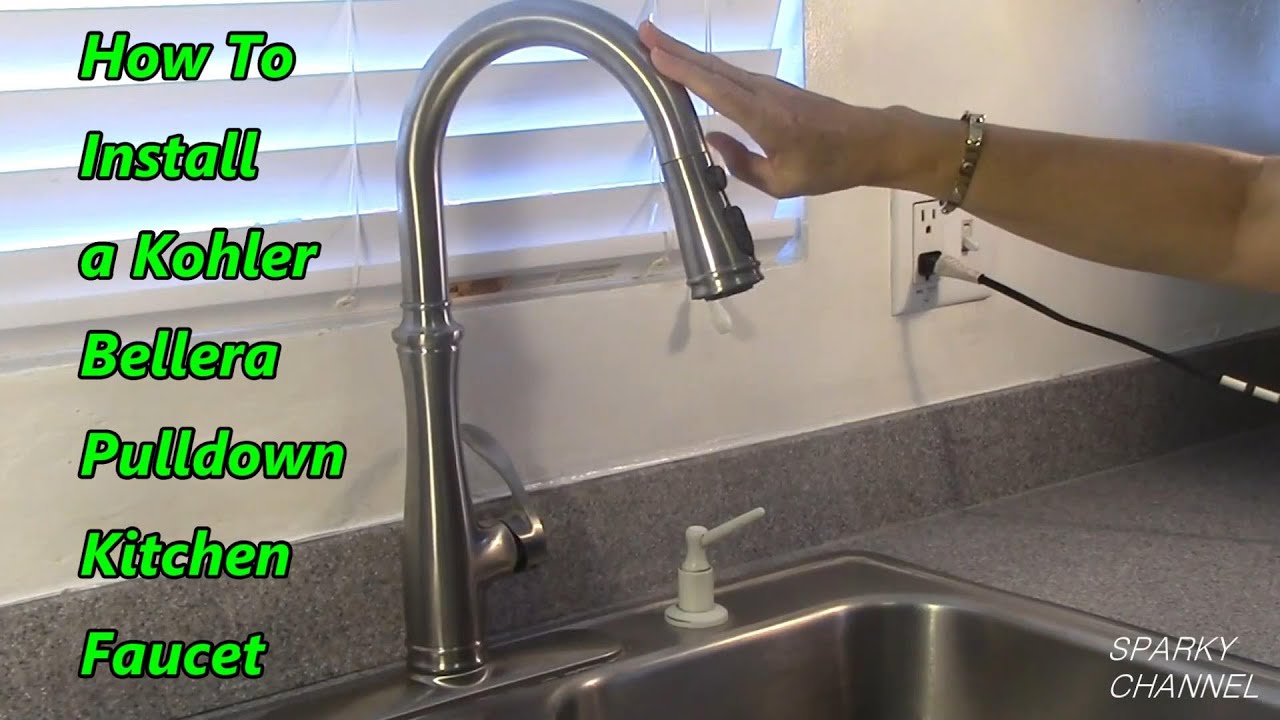
Image Source: i.ytimg.com
Preparing for Your Kohler Faucet Installation
Before you even think about turning off the water, it’s crucial to get organized. Having everything ready will save you time and prevent frustration.
Gathering Your Kohler Faucet Installation Tools
Having the correct tools is half the battle. Here’s a list of essential items for a successful Kohler faucet installation:
- Adjustable Wrench(es): You’ll need at least one, possibly two, for loosening and tightening various nuts and fittings.
- Basin Wrench: This specialized tool is a lifesaver for reaching nuts located in tight spaces under the sink.
- Plumber’s Putty or Silicone Sealant: To create a watertight seal around the base of the faucet.
- Bucket: To catch any residual water in the pipes.
- Rags or Old Towels: For cleaning up spills and drying components.
- Safety Glasses: To protect your eyes from debris or water splashes.
- Flashlight or Headlamp: It’s often dark under the sink.
- Screwdriver Set (Phillips and Flathead): For any screws that might be involved.
- Utility Knife or Putty Knife: For scraping away old sealant.
- Penetrating Oil (Optional): If connections are corroded and difficult to loosen.
- New Supply Lines (Recommended): It’s a good idea to replace old supply lines when installing a new faucet. Make sure they are the correct length and type for your setup.
Choosing Your New Kohler Faucet
Kohler offers a wide array of kitchen faucets, each with its unique features and design. Consider these factors when making your selection:
- Style: From traditional to modern, choose a faucet that complements your kitchen’s aesthetic.
- Features: Do you want a pull-down sprayer, touchless operation, or a specific finish like brushed nickel or polished chrome?
- Mounting Holes: Check how many holes your current sink or countertop has. Some faucets require one, two, three, or four holes. If your new faucet needs more holes than you have, you might need a new sink or a deck plate.
Getting to Know Your New Kohler Faucet
Once you’ve purchased your new faucet, take some time to unbox it and familiarize yourself with its parts. Lay out all the components and check the included Kohler faucet mounting hardware. Ensure everything is present and accounted for according to the instruction manual. This is also a good time to review the specific Kohler faucet installation guide that came with your model, as some steps might vary slightly.
The Removal Process: Kohler Kitchen Sink Faucet Replacement
Before you can install your new Kohler faucet, you must safely remove the old one.
Shutting Off the Water Supply
This is the most critical step. Locate the hot and cold water shut-off valves under your sink. They are usually small knobs or levers connected to the pipes coming from the wall.
- Turn both the hot and cold water handles clockwise until they are fully closed.
- To ensure the water is off, turn on the old faucet. A little water will drain out, but then it should stop completely. If water continues to flow, the shut-off valves may need to be replaced. In this case, you might need to shut off the main water supply to your house.
- Place a bucket directly under the water supply connections to catch any drips.
Disconnecting the Old Faucet
Now it’s time to disconnect the old plumbing.
- Disconnect the Supply Lines: Using your adjustable wrench, loosen the nuts connecting the hot and cold water supply lines to the old faucet’s shanks. There will be a nut on the end of each supply line that screws onto the faucet body.
- Remove the Old Sprayer Hose (if applicable): If your old faucet has a side sprayer, disconnect its hose from the faucet body or the water supply line, depending on its configuration. You might need to reach up behind the sink to access this connection.
- Loosen the Mounting Nuts: Look under the sink where the faucet is mounted to the sink or countertop. You’ll see large nuts (or sometimes specialized clips) holding the faucet in place. Use your basin wrench or adjustable wrench to loosen and remove these nuts. This can be the trickiest part due to the confined space.
- Remove the Old Faucet: Once all connections are undone and mounting hardware is removed, carefully lift the old faucet straight up and out from the sink or countertop.
Cleaning the Sink Surface
With the old faucet removed, take this opportunity to thoroughly clean the area around the faucet holes on your sink or countertop. Use a putty knife or utility knife to gently scrape away any old plumber’s putty, caulk, or mineral deposits. A clean surface is essential for a good seal with your new faucet.
Installing Your New Kohler Faucet: A Step-by-Step Approach
Now for the exciting part – installing a new Kohler faucet! Follow these steps carefully for a smooth installation.
Step 1: Prepare the New Faucet
Before placing the faucet in its new home, it’s often easier to attach the supply lines and any included hoses to the faucet body itself.
- Attach Supply Lines to Faucet: Most new Kohler faucets come with integrated supply lines, or you’ll need to attach them. If they are separate, screw the appropriate supply line into the threaded shank of the faucet for both hot and cold water. Tighten them securely, but don’t overtighten, as this can damage the threads.
- Attach Sprayer Hose (if applicable): If your new faucet has a pull-down or pull-out sprayer, connect the sprayer hose to the designated port on the faucet body. Make sure it clicks or screws on securely. You might also need to attach a counterweight to the hose for proper retraction. Refer to your specific Kohler faucet installation guide for this step.
Step 2: Mount the Faucet
This is where the faucet makes its debut in your sink.
- Apply Sealant: If your faucet requires plumber’s putty or silicone sealant, apply a generous bead around the base of the faucet or the underside of the deck plate (if you’re using one). This creates a watertight barrier. Some faucets come with a pre-attached gasket, in which case sealant may not be necessary. Always check your manual.
- Position the Faucet: Carefully insert the faucet shanks through the mounting holes in your sink or countertop. Ensure the faucet is facing the correct direction and is seated properly.
- Secure the Faucet: From underneath the sink, slide any provided gaskets or mounting plates onto the faucet shanks. Then, thread the Kohler faucet mounting hardware (nuts or clips) onto the shanks. Hand-tighten these first.
- Align and Tighten: Once the faucet is in its final position on top, use your basin wrench or adjustable wrench to fully tighten the mounting nuts. Ensure the faucet remains straight and centered as you tighten. Again, avoid overtightening.
Step 3: Connect the Water Supply Lines
This is where you’ll be making the crucial Kohler faucet plumbing connections.
- Connect to Shut-Off Valves: Align the end of the hot water supply line with the hot water shut-off valve and the cold water supply line with the cold water shut-off valve.
- Tighten the Connections: Screw the supply line nuts onto the shut-off valve threads. Hand-tighten them first, then use your adjustable wrench to tighten them about a quarter to half a turn more. Do not overtighten, as this can damage the valves or the supply lines.
- Connect Sprayer Hose (if applicable): If your faucet has a separate sprayer hose, connect it to the water supply line or the faucet body as indicated in your manual.
Step 4: Connect the Sprayer Hose (if applicable)
If your faucet includes a sprayer, you’ll need to connect its hose.
- Locate the Connection Point: Under the sink, find where the sprayer hose connects to the faucet body or the main water supply.
- Attach the Hose: Connect the sprayer hose securely. Some systems use a quick-connect fitting that simply pushes into place until it clicks. Others may require a threaded connection.
- Attach the Hose Weight: If your faucet has a pull-down or pull-out sprayer, you’ll need to attach the counterweight to the sprayer hose. This weight helps the sprayer retract properly after use. Slide the weight onto the hose at the recommended position (check your manual) and secure it with the provided screw or clip.
Step 5: Final Checks and Testing
You’re almost there! It’s time to check your work and ensure everything is leak-free.
- Turn Water Supply Back On: Slowly turn the hot and cold water shut-off valves counter-clockwise to restore the water supply.
- Inspect for Leaks: Carefully examine all the connections you made under the sink – at the shut-off valves and where the supply lines connect to the faucet. Look and feel for any drips.
- Test the Faucet: Turn on the new Kohler faucet, testing both hot and cold water. Check the flow and operation of the sprayer.
- Run Water: Let the water run for a few minutes to flush out any debris from the installation process. While the water is running, check all connections again for leaks.
- Tighten if Necessary: If you find any minor drips, try tightening the connection slightly (about an eighth of a turn). If a leak persists, you may need to turn off the water again, disconnect the line, and re-seat the connection, perhaps with a bit more plumber’s tape or by ensuring the washer is properly in place.
Kohler Faucet Installation Troubleshooting
Even with the best preparation, you might encounter minor hiccups. Here are some common issues and how to resolve them.
Leaking Connections
- Cause: Loose fittings, damaged threads, or improper sealing.
- Solution:
- Ensure nuts are tightened securely but not excessively.
- Check supply line washers for damage or misalignment.
- For threaded connections, try wrapping plumber’s tape (PTFE tape) clockwise around the threads before re-tightening.
Low Water Pressure
- Cause: Debris in the aerator, kinked supply lines, or partially closed shut-off valves.
- Solution:
- Clean the Aerator: Unscrew the aerator from the tip of the spout. Rinse out any sediment or debris. Reassemble and test.
- Check Supply Lines: Ensure the hot and cold water supply lines are not kinked or pinched under the sink.
- Verify Valves: Make sure the shut-off valves are fully open.
Sprayer Not Retracting Properly
- Cause: Incorrect weight placement, kinks in the hose, or debris in the hose path.
- Solution:
- Adjust Weight: Ensure the counterweight is attached at the correct position on the hose. If it’s too high, the sprayer won’t retract fully; if too low, it might drag.
- Check for Obstructions: Make sure the hose isn’t snagged on pipes or anything else under the sink.
- Inspect Hose: Check for any kinks or damage to the sprayer hose itself.
Faucet Wobbles
- Cause: Mounting nuts are not tight enough, or the gasket/sealant is insufficient.
- Solution:
- Tighten Mounting Nuts: Access the nuts under the sink and tighten them firmly.
- Check Sealant/Gasket: Ensure the gasket is properly seated or that there’s an adequate bead of plumber’s putty or silicone sealant around the base.
Maintaining Your New Kohler Faucet
Once your new faucet is installed, a little regular maintenance will keep it looking and performing its best.
- Cleaning: Use a soft cloth and mild soap or a dedicated faucet cleaner to wipe down your faucet regularly. Avoid abrasive cleaners or scouring pads, which can scratch the finish.
- Aerator Care: Periodically unscrew and clean the aerator to maintain optimal water flow and prevent mineral buildup.
- Checking Connections: Every few months, glance under the sink to ensure there are no signs of leaks or corrosion at the supply line connections.
Frequently Asked Questions (FAQ)
Q1: How long does it typically take to install a Kohler kitchen faucet?
A1: For a DIYer with basic tools, replacing kitchen faucet Kohler can take anywhere from 1 to 3 hours. This includes removing the old faucet and making all the new connections.
Q2: Do I need to turn off the main water supply to my house?
A2: Usually, no. You only need to turn off the individual hot and cold water shut-off valves located under the sink. If these valves are faulty or you can’t find them, then you would need to shut off the main water supply.
Q3: What is plumber’s putty versus silicone sealant?
A3: Plumber’s putty is a pliable, oil-based compound used to create a watertight seal around fixtures like faucets and drains. Silicone sealant is a rubber-like adhesive that cures to form a flexible, waterproof seal and is often used for sealing edges or gaps. Check your faucet’s instructions; some require one, the other, or neither (if a gasket is provided).
Q4: Can I use a regular wrench instead of a basin wrench?
A4: While it’s possible, a basin wrench is highly recommended. Its long shaft and swiveling jaw are specifically designed to reach and turn nuts in the tight, awkward spaces found under a sink, making the job much easier.
Q5: My new faucet came with a deck plate. What is it for?
A5: A deck plate, sometimes called a escutcheon, is a decorative cover that is installed under the faucet base. It’s used when your new faucet has fewer mounting holes than your sink or countertop already has. It covers the unused holes, providing a clean look and a good seal.
Installing a Kohler kitchen faucet is a rewarding DIY project that can significantly enhance the functionality and appearance of your kitchen. By following these detailed steps, gathering the right Kohler faucet installation tools, and paying attention to the Kohler faucet plumbing connections, you can successfully complete the job and enjoy your beautiful new faucet. Remember to always refer to your specific Kohler model’s manual for precise instructions.