Nobody likes seeing ugly plastic outlets messing up a beautiful kitchen backsplash or island. Kitchen outlets are needed, but they can look bad. The good news? You don’t have to look at them! Many smart ideas exist to hide kitchen outlets. This post will show you how to make them much less noticeable, or even make them disappear when you don’t need them.
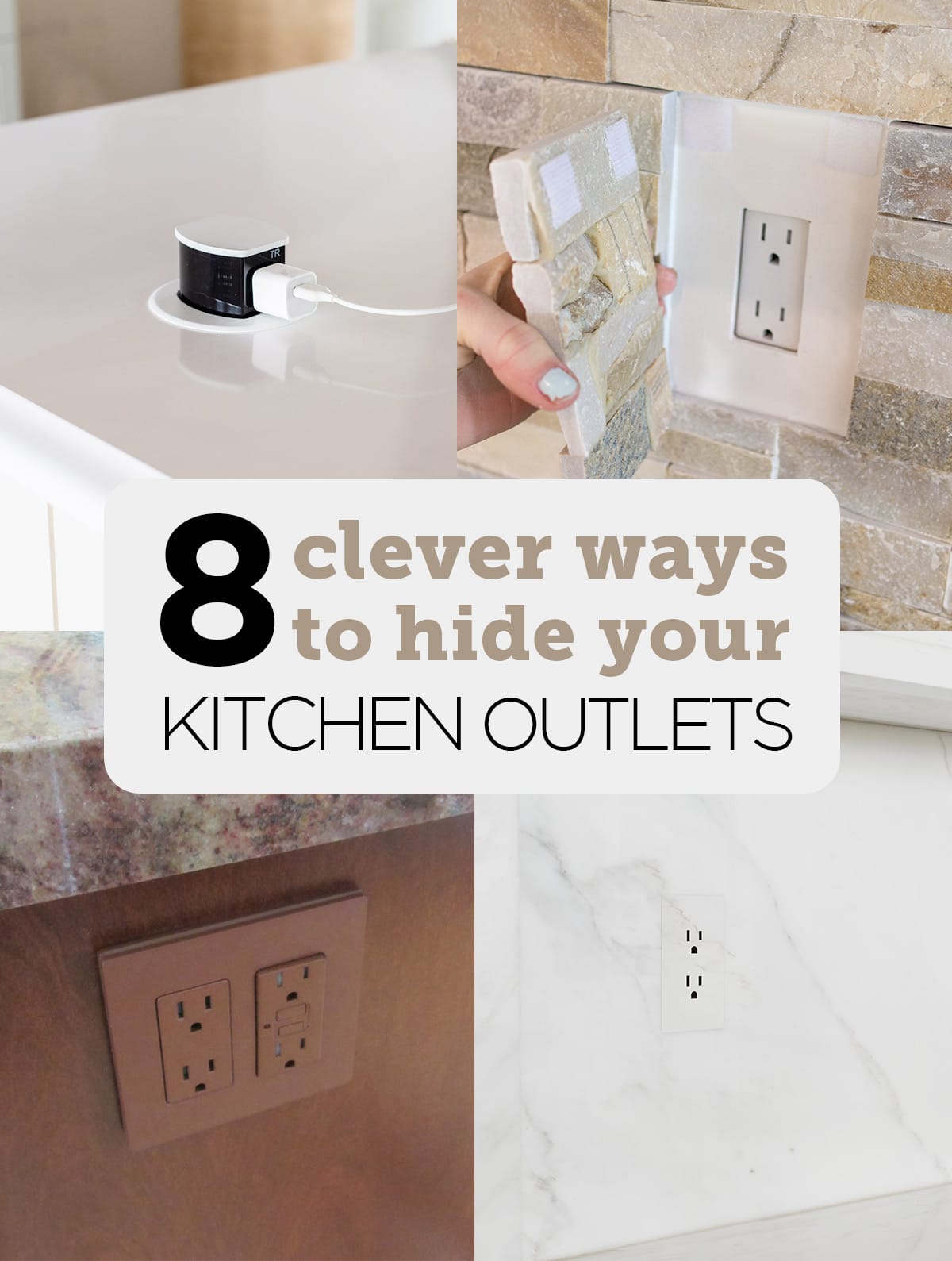
Image Source: www.jennasuedesign.com
Why Hide Kitchen Outlets?
Think about your dream kitchen. Do you see lots of white or beige plastic boxes on the walls? Probably not. Visible outlets can break up the look of nice tile or paint. They can make a kitchen feel less clean and modern.
Hiding outlets helps your kitchen look its best. It makes the design shine. It’s about making things look smooth and clean.
Clever Ways to Hide Kitchen Outlets
Many options exist. The best one for you depends on your kitchen style, your budget, and if you are building new, remodeling, or just updating.
Deciphering Different Outlet Types
Let’s look at some popular types of hidden or less visible outlets.
Pop Up Kitchen Outlets
What are pop up kitchen outlets? These are special outlets that are hidden in the countertop or an island. They stay out of sight until you need them. When you need power, you press or pull the top. The outlet unit then pops up.
- How they work: A cylinder or box sits below the counter surface. It holds the outlets. When activated, it rises up. You plug in your toaster or mixer. When done, you push it back down. It becomes nearly flat with the counter again.
- Where they work best: Kitchen islands, peninsulas, countertops where you want a clean look.
- Look: Very modern and sleek when hidden.
Under Cabinet Outlets
Can I use under cabinet outlets? Yes, you absolutely can! Under cabinet outlets attach to the bottom of your upper cabinets. They face downwards or slightly outwards. This keeps them off the main backsplash area.
- How they work: A special strip or box holds the outlets. This strip is mounted right underneath your wall cabinets. The wires are usually run inside the cabinets or wall and connect to this strip.
- Where they work best: Along stretches of counter under wall cabinets. Great for saving backsplash space.
- Look: Mostly hidden unless you look directly under the cabinets.
Flush Mount Kitchen Outlets
What are flush mount kitchen outlets? These outlets sit completely flat with the wall surface. A regular outlet sticks out a bit. A flush mount one does not. They are built into the wall more seamlessly.
- How they work: They use a different kind of box and cover plate. The cover plate does not have visible screws. It snaps on. The whole setup is designed to be as flat as possible against the wall material.
- Where they work best: Anywhere you’d put a regular outlet, but want a cleaner look. Especially good on backsplashes or islands where the wall material is flat.
- Look: Very neat and tidy. Almost disappears compared to standard outlets.
Decorative Outlet Covers Kitchen
Sometimes, you can’t move or hide the outlet itself. In this case, you can make the cover plate look better. Decorative outlet covers kitchen come in many styles and materials.
- How they work: You just replace the standard plastic cover plate. You can find covers made of metal, wood, ceramic, or even stone to match your backsplash or paint.
- Where they work best: On existing outlets that you can’t move.
- Look: Helps the outlet blend in better or even become a small design feature.
Integrating Outlets into Backsplash
This method is similar to flush mount, but it focuses on making the outlet blend right into the backsplash material. Integrating outlets into backsplash means choosing covers that match the tile, stone, or other material exactly.
- How they work: The outlet box is set correctly in the wall. Then, the backsplash material is cut very carefully around the outlet. A custom cover plate is often used. This cover might be made from the same backsplash tile or stone.
- Where they work best: Stone, tile, or solid surface backsplashes.
- Look: The outlet almost disappears into the wall pattern or color.
Kitchen Island Outlet Solutions
Kitchen islands often need outlets. But where do you put them? Kitchen island outlet solutions include several smart spots.
- Sides of the island: Outlets can be placed on the side panel of the island.
- Inside cabinets: Outlets can be put inside island cabinets or drawers for charging devices or hidden appliance use.
- Pop-up units: As mentioned before, pop-ups are perfect for the flat top of an island.
- Under the countertop overhang: If your island has a counter that sticks out, outlets can be hidden underneath it.
- How they work: The specific method depends on the chosen spot. Wiring is run through the island structure.
- Look: Keeps the main view of the island clean and free of clutter.
Retractable Kitchen Power Outlets
What are retractable kitchen power outlets? These are often the same as pop-up outlets. The word “retractable” just means they can be pulled up and pushed back down. They hide away when not in use.
- How they work: Same as pop-up outlets, using a mechanism to rise and fall from the counter or a similar surface. Some might also include USB ports.
- Where they work best: Islands, counters, desks built into the kitchen.
- Look: Invisible when pushed down.
Conceal Kitchen Outlets Remodel
When you are remodeling your kitchen, it’s the perfect time to plan for hidden outlets. Conceal kitchen outlets remodel projects allow you to put outlets exactly where you want them and hide them before walls are finished.
- How it works: You work with your designer and electrician early on. You decide on locations for appliances, charging spots, etc. Then you choose the best hiding methods (under cabinet, pop-up, etc.) and install the wiring and boxes before the drywall and finishes go on.
- Where it works best: Any major kitchen renovation.
- Look: Gives you the most control over the final look.
Invisible Kitchen Outlets
Are there truly invisible kitchen outlets? For the most part, when people say “invisible,” they mean outlets that are very well hidden, like pop-ups or those integrated into the backsplash. However, there are also technologies like charging pads built into counters (for phones) or systems where outlets are behind panels that look like part of the wall.
- How they work: Some systems use charging coils under the counter surface. Others use special track systems hidden along the base of cabinets or under the lip of counters, where plug heads fit in without a visible box.
- Where they work best: Modern or minimalist designs.
- Look: As close to truly invisible as you can get right now for full power outlets.
Smart Outlet Placement Kitchen
Smart outlet placement kitchen is about thinking ahead. It means putting outlets where they will be most useful but least visible.
- How it works: This involves planning. Think about where you use appliances (coffee maker, toaster). Think about where you charge phones. Put outlets near these spots but maybe low down, under cabinets, or inside drawers.
- Where it works best: Any kitchen design project, new or remodel.
- Look: Makes your kitchen both functional and beautiful because outlets are there when needed but not obvious.
More Ways to Hide or Distract
Beyond the specific types, here are other techniques.
Hiding Behind Objects
This is the simplest method. Place items like utensil crocks, small appliances, or decor in front of outlets you don’t use often.
- Pros: Free, requires no installation.
- Cons: Only works if you don’t need to use the outlet often. Can look messy.
Using Custom Panels
Build or buy small panels that match your cabinets or walls. These panels can be hinged or slide to hide outlets behind them.
- Pros: Can completely hide outlets. Looks custom.
- Cons: Requires custom work. Need space for the panel to open or slide.
Painting Outlet Covers
Paint standard outlet covers the same color as the wall or backsplash.
- Pros: Inexpensive, simple DIY project.
- Cons: Outlets are still visible, just less so. Paint can wear off.
Concealing in Drawers
Install outlets inside kitchen drawers. This is great for charging phones, tablets, or even powering small appliances stored in the drawer.
- Pros: Out of sight, keeps counters clear. Safe when drawer is closed.
- Cons: Requires an electrician to install. Need to cut holes in the back of the drawer.
Comparing Popular Hiding Methods
Let’s compare a few of the most popular built-in methods.
| Method | How Hidden? | Visibility When Not Used | Best Location | Cost Level | Remodel vs. New Build Friendly |
|---|---|---|---|---|---|
| Pop Up | Pops up from counter/island | Nearly Invisible | Islands, Peninsulas | High | Both (Easier in New/Major Remodel) |
| Under Cabinet | Mounted under wall cabinets | Mostly Hidden | Under Wall Cabinets | Medium-High | Both |
| Flush Mount | Sits flat against wall/backsplash | Low Visibility | Backsplash, Walls | Medium | Both (Easier in New/Major Remodel) |
| Integrating into Backsplash | Uses matching material for cover | Very Low Visibility | Tile/Stone Backsplashes | High | Both (Requires Skill) |
| In-Drawer | Mounted inside a drawer | Invisible | Island or Base Cabinets | High | Both |
Planning for Hidden Outlets
Thinking about hiding outlets is best done early.
During a New Build
This is the easiest time. The walls are open. Electricians can put boxes and wires exactly where you want them for under cabinet, pop-up, or in-drawer outlets.
- Steps:
- Plan your kitchen layout carefully.
- Mark where you’ll use small appliances.
- Mark where you need outlets for code (usually every few feet along the counter).
- Decide which outlets you want to hide and where.
- Tell your builder and electrician your plan early.
During a Remodel
You can still hide outlets during a remodel. It might mean opening walls or cutting into cabinets or counters.
- Steps:
- Assess your current outlet locations.
- Decide which ones bother you the most.
- Choose the hiding methods that work with your remodel scope. (Example: If replacing counters, a pop-up is easier. If replacing cabinets, under cabinet is easier).
- Consult with an electrician. They can tell you what’s possible and the cost.
For Existing Kitchens (No Major Work)
If you don’t want to do big construction, you can still make outlets less obvious.
- Options:
- Use decorative covers.
- Paint existing covers.
- Use smart placement of appliances or decor.
- Consider plug-in power strips that might be easier to hide temporarily (though be careful not to overload them and check local codes).
Safety First
Outlets and electricity need respect. Hiding outlets must be done safely.
Electrical Codes
Kitchen outlets have specific rules. They must be a certain distance apart. They must be GFI protected (Ground Fault Interrupter) near water. Any changes should follow these rules. Always check your local building codes.
Working with Electricity
Unless you are just changing a cover plate, electrical work should be done by a qualified electrician. They know how to wire things safely and correctly. They ensure your hidden outlets meet code. This protects your home and family.
Proper Installation
Hidden outlets, especially pop-up or in-drawer ones, need to be installed correctly. They must be safe from spills. Pop-up outlets often have drainage built in. In-drawer outlets need fire-safe boxes. An electrician understands these needs.
Cost Involved
The cost of hiding outlets varies a lot.
- Least Expensive: Painting covers, arranging decor. (Almost free)
- Mid-Range: Decorative covers, basic flush mount outlets. ($10 – $50+ per cover/outlet)
- More Expensive: Under cabinet outlet strips. ($100 – $300+ per strip, plus install)
- Most Expensive: Pop-up outlets, in-drawer outlets, integrated backsplash outlets, complex custom panels. ($200 – $500+ per unit, plus significant install cost)
Installation by an electrician adds to the cost. This can range from $75 – $200 per hour or more, depending on where you live and the complexity of the job.
Grasping the Benefits and Drawbacks
Each hiding method has good points and bad points.
Pop Up/Retractable Outlets
- Benefits: Truly hidden when not used, modern look, safe from spills when down.
- Drawbacks: More expensive, takes up space under the counter, can be a pinch hazard if not careful, might collect crumbs around the edge.
Under Cabinet Outlets
- Benefits: Frees up backsplash space, hides most outlets from view, relatively easy to access when needed.
- Drawbacks: Still visible if you look up under the cabinet, limits placement under cabinets.
Flush Mount Outlets
- Benefits: Cleaner look than standard outlets, less noticeable profile.
- Drawbacks: Still visible, just flat. Requires careful wall prep.
Decorative Covers
- Benefits: Easy update, inexpensive, can match style.
- Drawbacks: Outlet is still fully visible, just has a nicer cover.
Integrating into Backsplash
- Benefits: Can blend in very well, custom look.
- Drawbacks: Expensive, requires skilled work, can be hard to change later.
Kitchen Island Outlet Solutions
- Benefits: Provides needed power on the island, keeps the main workspace clear (depending on solution).
- Drawbacks: Can make the island side look busy (if on the side), pop-ups take counter space when up, in-drawer requires opening a drawer.
In-Drawer Outlets
- Benefits: Completely hidden, great for charging devices, keeps cords off counters.
- Drawbacks: Requires opening a drawer to use, needs careful, safe installation, uses drawer space.
Smart Placement
- Benefits: Simple, no extra cost for standard outlets, relies on good design.
- Drawbacks: Limited by code requirements for outlet spacing, doesn’t truly hide outlets, just places them better.
Making the Right Choice
Choosing how to hide your kitchen outlets depends on several things:
- Your Budget: How much are you willing to spend? Basic methods are cheap. Built-in methods are expensive.
- Your Project Type: Are you building new, remodeling, or just refreshing? Major work allows for more options.
- Your Style: Do you want a completely seamless, modern look? Or is blending in enough?
- How You Use Your Kitchen: Where do you need power most often? How many things do you plug in at once?
- Safety and Codes: What do local rules require? Will you hire an electrician? (Recommended for safety and code compliance).
Think about these points. Look at examples online. Talk to a kitchen designer or an electrician. They can help you find the best solutions for your specific kitchen and needs.
Interpreting the Benefits of Hidden Outlets
Beyond just looking good, hidden outlets offer other benefits.
- Cleaner Counters: No cords snaking across your beautiful backsplash from outlets placed high up.
- Improved Aesthetics: This is the main one! Your design vision can shine without interruption from necessary but unattractive outlets.
- Increased Functionality (in some cases): In-drawer outlets create dedicated charging stations. Pop-ups bring power right where you need it on an island without a cord stretching from a wall.
- Potentially Safer: Some hidden outlets (like pop-ups with built-in GFCI and seals) can be safer near sinks than standard wall outlets if installed correctly. In-drawer outlets keep cords contained.
Considerations for Installation
No matter the method, installation is key.
- Hiring a Pro: For any method that involves cutting into walls, counters, or connecting wires, hire a licensed electrician. It ensures the work is safe, up to code, and done correctly.
- Planning Location: Measure carefully! Think about appliance sizes, how doors and drawers open, and where you stand when using the counter.
- Material Compatibility: Can your chosen backsplash material handle holes for flush outlets? Is your counter thick enough for a pop-up?
- Access for Future Work: Think about how you or an electrician would access the wiring later if needed.
Example Scenario: Remodeling a Kitchen Island
Let’s say you are remodeling your kitchen and putting in a new island. The old island had no power. You need outlets on the new one.
- Problem: Standard outlets on the side look clunky.
- Solution Options:
- Pop-up: Install one or two pop-up units on the countertop. They are invisible when not needed. Provides power on the work surface.
- Under Countertop Lip: If the island counter has an overhang, install a power strip or individual outlets hidden underneath the edge. Less visible than on the side.
- In-Drawer: Add a charging drawer with an outlet inside. Perfect for phones and tablets.
- Smart Placement on Side: If you must put them on the side, place them low down, near the back, where they are less in your face. Maybe choose decorative covers that match the island color.
Using a mix of these Kitchen island outlet solutions can be ideal. A pop-up for countertop appliances, an in-drawer for charging, and maybe one regular outlet low on the side for general use.
Thinking About the Future
Technology changes. We use more devices than ever. Many need USB ports. Some hidden outlet systems now include USB-A and USB-C ports alongside regular power outlets. When choosing a system, think about your future needs.
Conceal Kitchen Outlets Remodel – A Deeper Dive
When you take on a conceal kitchen outlets remodel, you have the best chance to truly integrate your power needs into the design.
- Early Design Phase: Work with your designer to mark up plans showing every needed outlet. Discuss the visibility goal for each one.
- Structural Considerations: Can you easily run wires to the desired hidden spots? This is much simpler before drywall goes up.
- Appliance Garages/Cabinets: Plan outlets inside these spaces. You can keep your toaster or mixer plugged in but hidden behind a door.
- Charging Stations: Dedicate a drawer or small cabinet area specifically for charging devices, complete with hidden outlets.
A remodel allows for a complete rethink of your electrical plan, not just moving existing outlets. It’s an opportunity to make the kitchen highly functional and visually clean.
Invisible Kitchen Outlets – Exploring the Limits
While truly invisible kitchen outlets that provide full appliance power don’t really exist yet in a practical sense for multiple devices anywhere, the goal is maximum concealment.
- Kitchen Power Tracks: Some systems use a thin track installed horizontally, often under cabinets or along the baseboard. Special plug heads can be inserted and moved along the track. The track is less noticeable than a series of boxes.
- Inductive Charging: For phones, counter surfaces with built-in wireless charging are becoming more common. This is truly invisible power, but only for compatible devices and low power.
- Outlets Behind Removable Panels: This is a custom solution. A section of backsplash or cabinet side is designed to pop off or slide, revealing outlets behind it. This is labor-intensive but can be very hidden.
These options push the boundaries of making outlets disappear.
Smart Outlet Placement Kitchen – Beyond Hiding
Remember smart outlet placement kitchen isn’t just about hiding. It’s also about making the kitchen easier to use.
- Zones: Think about how you use different areas. A baking zone might need outlets for mixers. A coffee station needs outlets for the coffee maker and grinder. A prep zone needs outlets for choppers or hand mixers. Place hidden or visible-but-smartly-located outlets in these zones.
- Device Charging: Where do phones and tablets end up in your kitchen? Counter? Drawer? Desk area? Plan outlets there.
- Vacuum Outlets: Consider a floor-level outlet near frequently-dirtied areas for a stick vacuum or dustpan vacuum system. Less hidden, but highly practical.
Good placement reduces cord clutter and makes tasks easier, even if the outlet isn’t completely invisible.
Conclusion
You don’t have to live with ugly, visible kitchen outlets. Many options exist to hide them, from simple decorative covers to complex built-in systems like pop-up units or under cabinet strips.
Thinking about how you use your kitchen and deciding on your budget and project scope will help you choose the right methods. Whether you are building new, remodeling, or just updating, planning for smart outlet placement kitchen and using solutions like pop up kitchen outlets, under cabinet outlets, flush mount kitchen outlets, or integrating outlets into backsplash can make a big difference.
Remember to prioritize safety and always consider hiring a professional electrician for any wiring work. By choosing clever solutions, you can enjoy a beautiful, clutter-free kitchen that works perfectly for you.
Frequently Asked Questions (FAQ)
Q: Are hidden kitchen outlets safe?
A: Yes, when installed correctly by a qualified electrician and placed according to local building codes (like being away from sinks or being GFI protected), hidden outlets are safe. Systems like pop-ups often include safety features.
Q: Can I install hidden outlets myself?
A: Simple changes like swapping a standard cover for a decorative outlet covers kitchen are usually fine for a DIYer. However, any work involving new wiring, moving boxes, or installing specialized units like pop-ups or under cabinet strips should be done by a licensed electrician to ensure safety and code compliance.
Q: Do pop up kitchen outlets take up much space under the counter?
A: Yes, pop up kitchen outlets require space below the countertop for the unit to retract into. The exact size varies by model, but they typically need a cylindrical space several inches in diameter and height. This might affect shallow drawers directly below where they are installed.
Q: Are under cabinet outlets expensive?
A: Under cabinet outlets are generally more expensive than standard wall outlets but less expensive per outlet than specialized units like pop-ups. The cost depends on the length of the strip and the number of outlets/features it includes (like USB ports). Installation cost also applies.
Q: Will integrating outlets into my tile backsplash be difficult?
A: Integrating outlets into backsplash with matching tile covers requires precise cutting of the tile and careful installation by both the tile installer and the electrician. It is more complex and often more expensive than standard installation but can result in a very clean look.
Q: Are retractable kitchen power outlets different from pop-up outlets?
A: The terms retractable kitchen power outlets and pop up kitchen outlets are often used for the same product: an outlet unit that hides below the surface and can be raised or retracted when needed. There might be slight variations in design or features, but they serve the same primary function.