Rust spots can show up in your kitchen sink. They look bad. You want to clean them off. This guide helps you do that. We show you how to get rust off kitchen sink. We talk about different sinks. We share simple ways and store ways to remove rust stains from sink.
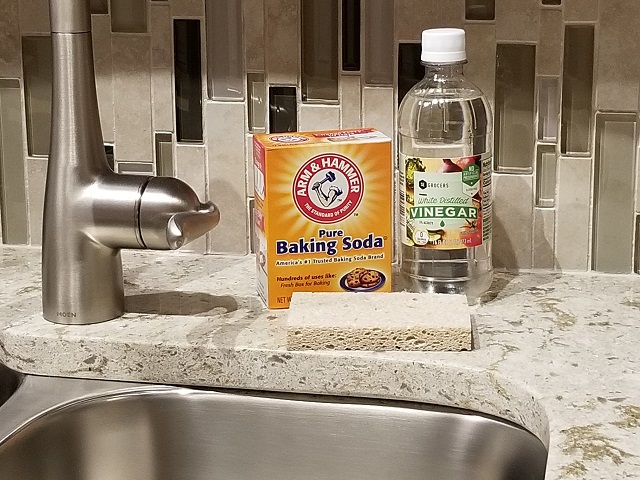
Image Source: www.duncanscreativekitchens.com
Grasping Why Rust Happens
Rust is a common problem. It happens when iron touches water and air. Iron changes and turns reddish-brown. This is rust. Kitchen sinks can get rust marks. Where does the rust come from?
- Pots and pans: Metal cookware can leave small marks. These marks can rust.
- Cans: Cans left in the sink can be wet. They are often made of steel with iron. They can leave round rust rings.
- Steel wool pads: Pads for scrubbing can break down. Small pieces of steel are left behind. These pieces rust very fast.
- Hard water: Some water has minerals. It is called hard water. Hard water can have iron in it. This iron can settle and make hard water rust stains sink into the surface.
- Damage: Scratches or chips can expose the sink material. This can make rust start more easily.
Kitchen Sink Types Matter
Not all sinks are the same. How you clean rust depends on what your sink is made of.
Stainless Steel Sinks
Many kitchen sinks are made of stainless steel. It looks shiny and clean. Stainless steel fights rust well. But it is not 100% rust-proof. It is rust-resistant. Poor care or strong chemicals can break down the top layer. Then stainless steel sink rust can happen. You must be careful not to scratch stainless steel. Scratches can make rust start. Removing rust from stainless steel needs gentle steps.
Porcelain Sinks
Porcelain sinks are made of ceramic. They have a hard, smooth coating. This coating is tough but can stain. Rust stains stick to the surface. Porcelain sink rust looks very clear against the light color. The coating can also chip or crack. Rust can get into these damaged spots. You can scrub porcelain more than stainless steel. But too much hard scrubbing can hurt the shiny coat.
Other Sinks
Some kitchens have sinks made of other things.
- Cast Iron: These sinks are heavy metal. They have a thick enamel coating. If the coating chips, the iron underneath can rust.
- Composite: These sinks mix different materials. They are often very strong. Rust is less common. But it can still happen if metal is left on them. Or if the surface gets damaged.
This guide will mostly focus on stainless steel and porcelain. They are the most common. The steps can often work for other sinks too. Always test in a small spot first.
Getting Ready to Clean
Before you start cleaning, do a few things. This makes the job easier and safer.
- Clear the sink: Take out all dishes, cups, and silverware. Remove any sink mats or drain covers.
- Clean the sink: Wash the whole sink. Use your regular dish soap and warm water. Get rid of food bits and soap scum. Rinse the sink very well.
- Dry the sink: Use a soft cloth to dry the sink. This helps you see the rust spots clearly. It also helps cleaning products work better.
- Gather supplies: Get the cleaning stuff you plan to use ready. Have cloths, sponges, or soft brushes nearby. Make sure you have fresh air flowing. Open a window.
- Protect yourself: Wear rubber gloves. Some cleaners can hurt your skin.
Simple Home Cleaning Ways
You can remove rust stains from sink using things you might already have. These are natural rust removal methods. They are often gentler than store-bought cleaners.
Baking Soda Paste
Baking soda is a great cleaner. It is a soft powder. It can scrub without scratching most sinks.
Here is how to use it:
1. Get a bowl: Find a small bowl.
2. Add baking soda: Put 2 or 3 big spoons of baking soda in the bowl.
3. Add water: Add just a little water. Start with one spoon of water.
4. Mix it: Mix the baking soda and water. Stir it with a spoon or fork.
5. Make a paste: You want the mix to be like thick toothpaste. It should not be watery. It should not be a dry powder. If it’s too dry, add a few drops more water. If it’s too wet, add a little more baking soda.
6. Put on rust: Use your fingers or a spoon. Put the thick paste onto the rust spot. Cover the whole spot well.
7. Let it sit: Let the paste sit on the rust. This gives it time to work. Wait about 15 to 20 minutes. For a stubborn spot, you can wait 30 minutes or even an hour.
8. Scrub: Get a soft cloth, a sponge, or a soft nylon brush. Gently rub the paste over the rust spot. The baking soda is like a soft scrub pad. It helps lift the rust away. Rub in small circles or back and forth.
9. Check: Look at the spot. Is the rust gone? Or is it lighter?
10. Repeat if needed: If some rust is still there, put more paste on. Wait again. Scrub again.
11. Rinse: When the rust is gone, wash the sink with clean water. Rinse away all the baking soda paste. Make sure no white powder is left.
12. Dry: Wipe the sink dry with a clean cloth.
This baking soda method is safe for stainless steel sink rust removal and porcelain sink rust.
Vinegar or Lemon Juice
Vinegar and lemon juice have acid. Acid is good at dissolving rust. White vinegar works well. Lemon juice also works and smells nice.
Here is how to use vinegar or lemon juice:
1. Choose your liquid: Get white vinegar or lemon juice.
2. Apply to rust: Pour some liquid right onto the rust spot. Cover the spot completely.
3. Let it sit: Let the acid work on the rust. For light rust, let it sit for 30 minutes to an hour.
4. For tough spots: Get paper towels. Fold them so they cover the rust spot. Pour the vinegar or lemon juice onto the paper towels. Make them very wet. Put the wet paper towels right on the rust spot. This keeps the acid on the rust. You can leave the wet paper towels on for a few hours or even overnight for bad stains.
5. Scrub: After the time is up, take away the paper towels. Get a soft brush, a sponge, or an old toothbrush. Scrub the rust spot. The acid should have loosened the rust. It should scrub away more easily now.
6. Rinse: Wash the sink with clean water. Rinse away all the liquid and any loosened rust.
7. Repeat if needed: If the rust is still there, do it again. Or try leaving the wet paper towels on longer.
8. Dry: Wipe the sink dry.
Vinegar can smell strong. Make sure the room has fresh air. Vinegar is good for hard water rust stains sink problems too. The acid helps with the hard water minerals and the rust. Vinegar is safe for most sinks. Be careful on natural stone sinks or cultured marble. It can harm them.
Baking Soda and Vinegar for Rust
You can mix baking soda and vinegar. When you mix them, they bubble and fizz. This fizzing can help lift dirt. It can help loosen some rust too. But it is the acid in the vinegar that does most of the work on the rust itself.
Here is how to use baking soda and vinegar for rust:
1. Put baking soda on rust: Put a good amount of dry baking soda right on the rust spot. Cover it well.
2. Add vinegar: Gently pour white vinegar over the baking soda. It will start to fizz right away. It might bubble up.
3. Let it fizz: Let the mix sit and fizz for a few minutes. Maybe 5 to 10 minutes. The fizzing helps lift things off the surface.
4. Scrub: After the fizzing slows down, use a soft brush or sponge. Scrub the area. The leftover baking soda becomes a paste with the vinegar. It acts as a soft scrubber.
5. Rinse: Wash the sink with clean water. Rinse away the mix.
6. Dry: Wipe the sink dry.
This method is safe for most sinks. It uses simple things you might have.
Salt and Acid
Salt can be used with acid liquids like vinegar or lemon juice. The salt acts like a soft scrubber. It helps rub the rust off without scratching.
Here is how to use salt and acid:
1. Sprinkle salt: Put salt right onto the rust spot. Use regular table salt.
2. Add acid: Pour vinegar or lemon juice onto the salt. Get the salt wet.
3. Rub: Use a soft cloth or sponge. Rub the salt and acid mix over the rust. The salt is a gentle abrasive. It helps the acid clean the rust away. Rub gently in circles.
4. Rinse: Wash the sink with clean water.
5. Dry: Wipe the sink dry.
This works well for flat rust spots.
Potato and Baking Soda or Salt
This might sound strange, but it can work. Potatoes have a little bit of acid in them. This acid can help fight rust.
Here is how to use a potato:
1. Cut a potato: Cut a potato in half.
2. Add baking soda or salt: Put baking soda or salt on the cut side of the potato.
3. Rub the rust: Use the potato half like a scrubbing pad. Rub the cut side (with the baking soda or salt) on the rust spot. The potato acid, plus the baking soda or salt, helps lift the rust.
4. Keep rubbing: Rub for a few minutes.
5. Rinse: Wash the sink with clean water.
6. Dry: Wipe the sink dry.
You can also just use the potato half alone to rub the rust. The potato’s own acid might be enough for light spots.
Using Products from the Store
Sometimes, rust spots are tough. Home remedies might not be strong enough. You might need commercial rust remover products. These products are made to fight rust. But use them with care. Always read the label. Follow the directions exactly. Test in a hidden spot first.
Oxalic Acid Cleaners
Some cleaners contain oxalic acid. This acid is very good at dissolving rust. It works faster than vinegar or lemon juice.
Popular cleaners with oxalic acid are Barkeeper’s Friend and Zud. They often come as powders or liquids.
Here is how to use a cleaner like Barkeeper’s Friend powder:
1. Wet the sink: Wet the rusty area of the sink with a little water.
2. Sprinkle cleaner: Sprinkle a small amount of the powder cleaner onto the wet rust spot.
3. Make a paste: Use a wet sponge or cloth to mix the powder and water. Make a light paste right on the rust.
4. Let it sit: Let the paste sit on the rust for just a short time. Maybe 30 seconds to 1 minute. Do not let it dry. Do not let it sit for too long, especially on stainless steel. It can cause damage if left too long.
5. Scrub: Use your wet sponge or cloth. Gently rub the paste on the rust spot. Use light pressure. Rub until the rust is gone. For stainless steel, rub with the grain if you can see it.
6. Rinse right away: This is very important. Rinse the sink very well with clean water. Make sure all the cleaner is gone. Rinse for a long time.
7. Dry: Wipe the sink completely dry with a soft cloth.
Oxalic acid cleaners are often the best way to remove rust from stainless steel and porcelain when home methods fail. But you must use them correctly. Always test first. Do not mix them with other cleaners, like bleach. This can make dangerous fumes.
Stronger Rust Removers
There are even stronger rust removers. Examples are CLR (Calcium, Lime, Rust) or products like Iron Out. These are very strong chemicals. They work fast on rust.
But they can also be dangerous to use. They can harm some sink materials. They can hurt the finish.
Use these only if gentler methods do not work.
1. Read the label: Read all the warnings and steps on the product bottle.
2. Fresh air: Make sure the room has lots of fresh air. Open windows. Use a fan. These products can have strong fumes.
3. Protect yourself: Wear strong rubber gloves. Maybe wear glasses to protect your eyes.
4. Test: Always test in a small, hidden spot first. See if it harms the sink surface.
5. Apply carefully: Put the product only on the rust spot. Use a cloth or sponge as the label says. Do not splash it everywhere.
6. Wait a short time: Let it work for only the time the label says. It might be just a few minutes.
7. Rinse many times: Rinse the sink many times with clean water. Make sure no cleaner is left.
8. Dry: Wipe the sink completely dry.
Be very careful with these strong cleaners. They can cause damage if not used right. They are often used for very bad hard water rust stains sink issues or old, deep rust.
Cleaning for Your Sink Type
Let’s look again at the two main types of sinks. How you clean rust off metal sink surfaces, especially stainless steel and porcelain, has specific points.
Stainless Steel Sinks
For stainless steel sink rust removal, the biggest rule is: Do not scratch!
* Avoid: Never use steel wool pads. They scratch the surface. They also leave tiny steel bits that will rust very fast. Do not use harsh scrub pads.
* Good choices:
* Baking soda paste is safe and good for light marks.
* Vinegar or lemon juice works well because it is acidic.
* Barkeeper’s Friend (with oxalic acid) is very effective. Follow the steps carefully. Rub gently, with the grain of the steel if you can see it. Rinse fast and well.
* Scrubbing: Use a soft cloth, a nylon sponge, or a soft nylon brush.
* Rinsing: Rinse very well. Any cleaner left behind can harm the surface over time.
* Drying: Always dry stainless steel sinks after cleaning. This helps prevent water spots and new rust.
Porcelain Sinks
For porcelain sink rust, the goal is to lift the stain from the smooth coating.
* Good choices:
* Baking soda paste is safe for gentle scrubbing.
* Vinegar or lemon juice works very well. Let it soak using paper towels for tougher stains.
* Barkeeper’s Friend (with oxalic acid) is often excellent for porcelain rust stains. Make a paste, let it sit briefly, scrub gently, and rinse well.
* Stronger cleaners like CLR can be used but be extra careful. They might dull the finish if left too long. Test first.
* Scrubbing: Use a soft cloth, a nylon sponge, an old toothbrush, or a nylon brush.
* Tough spots: A pumice stone made for porcelain sinks can remove very stubborn rust. Wet the stone and the sink. Rub the rust spot very gently with the wet pumice. It’s a fine abrasive. Too much pressure will scratch the glaze. Use this only as a last step for tough stains.
* Avoid: Do not use steel wool or very harsh scrub pads. They can scratch or dull the porcelain glaze.
Clean Rust Off Metal Sink Surfaces (General)
If you have a metal sink that is not stainless steel (like old cast iron with enamel), be extra careful.
* Check the surface. Is it a thick coating? Is it bare metal?
* Avoid harsh acids or strong chemicals on bare metal or thin coatings. They can cause more damage.
* Baking soda paste is usually safe.
* Test any cleaner in a hidden spot first, like under the rim or in a corner. See how it affects the surface.
* For cast iron enamel, treat it like porcelain. Be careful of chips where the metal shows.
Dealing with Hard Water Spots
Hard water can leave mineral spots. If the hard water has iron, it leaves hard water rust stains sink surfaces get often.
Hard Water Rust Stains Sink Issues
These stains are a mix of mineral buildup and rust.
* Vinegar is great: Vinegar is acidic. It breaks down mineral deposits (like lime and calcium) and helps dissolve rust. Use vinegar as described earlier. Soaking with vinegar-soaked paper towels works well for these combined stains.
* Oxalic acid cleaners: Products like Barkeeper’s Friend also work well on hard water rust stains. They fight both parts of the stain.
* Regular cleaning: Cleaning your sink often stops these stains from building up.
Finding What Works Best
There is no single “best way to remove rust” for every situation. The best method depends on:
* How bad is the rust? A light spot might only need baking soda. A deep stain needs something stronger.
* What is your sink made of? Stainless steel needs gentler scrubbing than porcelain.
* What do you have at home? Start with simple things first.
Here is a good plan:
1. Start with baking soda paste. It’s gentle and often works for light rust.
2. If that doesn’t work, try vinegar or lemon juice. Let it soak longer for tougher spots.
3. If natural methods fail, use an oxalic acid cleaner like Barkeeper’s Friend. Use it carefully and follow steps.
4. For very stubborn spots, and with great care, you can try a stronger rust remover or a pumice stone (on porcelain only).
Always start with the least strong method. Move to stronger ones only if you need to.
Stop Rust Before It Starts
The best way to deal with rust is to prevent it. Here are simple steps to prevent rust in kitchen sink.
Prevent Rust in Kitchen Sink Steps
These steps help keep your sink looking good and stop rust from forming.
- Dry your sink: This is very important. After you finish using the sink, quickly wipe it dry with a clean cloth. Water left sitting, especially hard water, can cause rust marks. Pay extra attention around the drain and faucet.
- Do not leave metal items in the sink: Do not leave wet metal cans, pots, pans, or silverware sitting in the sink for a long time. The metal can react with the water and the sink surface and cause rust spots. Rinse items and put them away quickly.
- Take care with steel wool: Avoid using steel wool pads to clean dishes or the sink. They break apart easily. Tiny bits of steel fall off and get stuck in the sink. These bits rust very fast and make many small rust spots. Use nylon brushes or pads instead.
- Fix leaky taps: A dripping faucet constantly puts water onto the sink surface. If the water is hard or has iron, this constant wetness is a perfect way to make hard water rust stains sink in right under the drip. Fixing the leak stops this.
- Clean regularly: Clean your sink often with a mild cleaner. Regular cleaning removes mineral buildup and other things that can lead to rust. Once a week is good for a full clean.
- Use a sink mat: A sink mat can protect the bottom of your sink. It stops metal items from sitting right on the surface. Make sure to clean under the mat regularly too.
- Rinse away food bits: Some foods can be acidic or have chemicals that react with the sink surface. Rinse food scraps down the drain right away.
- Consider water treatment: If you have very hard water or water high in iron, getting a water filter or softener for your home can greatly reduce hard water rust stains sink problems everywhere, not just in the sink.
By doing these simple things, you can often stop rust from ever starting in your kitchen sink.
When to Ask for Help
Most kitchen sink rust you can handle yourself. But sometimes you might need help.
* If the rust stain is very old and deep. It might be set into the material.
* If you tried different cleaners, but nothing worked.
* If you used a cleaner, and it seemed to harm the sink surface. Stop using it.
* If your sink has many chips or cracks where rust is starting. These might need repair.
* If you are not sure what your sink is made of, and you worry about using the wrong cleaner.
You can ask a cleaning expert for advice. Or if the sink is damaged, you might need to call a plumber or a company that repairs sinks.
Questions People Ask
Here are answers to some common questions about sink rust.
Can I use steel wool on my sink?
It is best not to use steel wool pads on most kitchen sinks, especially stainless steel. Steel wool can scratch the surface. On stainless steel, it scratches the protective layer. It also leaves behind tiny pieces of steel that rust quickly. Use softer pads or brushes made of nylon instead. For porcelain, steel wool can scratch the shiny glaze.
Is vinegar safe for all sinks?
Vinegar is safe for most common sink materials like stainless steel, porcelain, and enamel. But be careful with natural stone sinks (like granite or marble) or cultured marble. The acid in vinegar can harm or dull these surfaces. Always rinse vinegar away well from any sink surface.
How often should I clean my sink to prevent rust?
A quick wipe down and drying after each use is the best way to prevent rust and water spots. For a deeper clean, cleaning your sink once a week is a good habit. This removes buildup that can lead to rust and keeps the sink fresh.
What is the easiest way to remove rust?
The easiest way depends on the rust spot. For light, fresh spots, baking soda paste is very easy and safe. For many rust stains, an oxalic acid cleaner like Barkeeper’s Friend is often the fastest and most effective way to remove rust, but you must use it carefully and follow directions. Start with the easiest and gentlest method first.
Final Thoughts
Finding rust in your kitchen sink can be annoying. But most rust spots are not hard to remove. You can use simple things from your home like baking soda and vinegar. Or you can use special cleaners from the store. Just remember to use the right method for your sink type. Be gentle, especially on stainless steel. Always rinse well and dry your sink.
The best way to deal with rust is to stop it from happening. Keep your sink dry. Do not leave metal things in it. Clean it often. By taking care of your sink, you can prevent rust in kitchen sink and keep it clean and shiny for a long time. You can remove rust stains from sink and enjoy a clean kitchen.