A smelly kitchen drain is a common and unpleasant problem. To get rid of it permanently, you need to address the root causes: accumulated food debris, grease, and bacteria. This involves regular cleaning and proper drain maintenance.
The persistent odor emanating from your kitchen sink can be more than just a nuisance; it’s a sign that something isn’t right in your plumbing. This unwelcome smell, often described as rotten eggs or stagnant water, can turn even the most enjoyable cooking experience into a disagreeable one. Fathoming why your kitchen sink odor persists requires looking beyond the surface. It’s usually a buildup of various organic materials – food scraps, grease, soap scum, and hair – that start to break down, creating a breeding ground for bacteria and, consequently, foul smells. This article will delve deep into effective strategies for tackling this problem, offering both immediate solutions and long-term prevention methods to ensure your kitchen remains a fresh and inviting space.
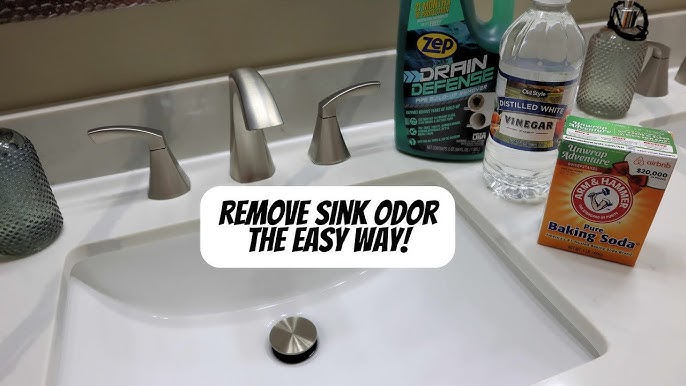
Image Source: i.ytimg.com
Common Culprits Behind Your Kitchen Sink Odor
Several factors contribute to that unpleasant kitchen sink odor. Identifying these culprits is the first step in banishing the smell permanently.
Food Residue and Grease Accumulation
This is perhaps the most common cause. When you wash dishes, small food particles, fats, oils, and grease inevitably go down the drain. While hot water might seem like it washes them away, these substances often stick to the inside walls of your pipes. Over time, this layer thickens, creating a sticky, semi-solid mass. This mass traps other debris and becomes an ideal environment for bacteria to thrive. As these bacteria consume the trapped organic matter, they release gases that have a distinctly unpleasant smell. This is especially true for fats and oils, which solidify as they cool in your pipes, forming a stubborn blockage that further exacerbates the odor problem.
Bacterial Growth and Sludge Formation
The moist environment inside your pipes, coupled with a constant supply of organic material, creates a perfect ecosystem for bacteria. These microorganisms break down the food waste, grease, and soap scum, producing foul-smelling gases as a byproduct. This process leads to the formation of a slimy layer known as sludge. This sludge not only smells bad but can also contribute to a clogged drain, making the odor problem even worse and potentially leading to a more severe kitchen sink blockage.
Mold and Mildew
In damp, dark environments like drain pipes, mold and mildew can also flourish. They feed on organic matter and can produce a musty or earthy smell. While often associated with bathrooms, these fungi can also find a home in kitchen drains, especially if there’s consistent moisture and a food source.
Dry P-Trap
The P-trap is the U-shaped pipe located under your sink. Its primary function is to hold a small amount of water, creating a seal that prevents sewer gases from rising up into your home. If the sink isn’t used for an extended period, the water in the P-trap can evaporate, breaking the seal and allowing those unpleasant sewer gases to escape into your kitchen. This is a common reason for a lingering odor even in otherwise clean drains.
Septic System Issues (If Applicable)
For homes not connected to a municipal sewer system, a malfunctioning septic tank can also be the source of kitchen drain odors. If the tank is full or the drain field is clogged, gases from the septic system can back up through the pipes and into your home.
Effective Drain Cleaning Hacks and Solutions
Tackling a smelly kitchen drain requires a multi-pronged approach. Here are some of the most effective drain cleaning hacks and solutions.
Natural Drain Cleaner: The Baking Soda and Vinegar Method
This classic combination is a favorite for a reason. It’s safe, natural, and surprisingly effective at tackling minor clogs and deodorizing your drain.
How it works: Baking soda (sodium bicarbonate) is a mild alkali. Vinegar (acetic acid) is an acid. When combined, they create a fizzing reaction that can help dislodge minor blockages and break down grime. The bubbling action helps to scrub the inside of the pipes, and the deodorizing properties of both ingredients work to neutralize odors.
Steps:
- Pour baking soda: Start by pouring about half a cup to a full cup of baking soda directly down the drain opening. Try to get as much as possible into the drain itself, rather than just on the sink basin.
- Add vinegar: Slowly pour about a cup of white vinegar over the baking soda. You’ll immediately see a fizzing and bubbling reaction.
- Cover the drain: Once the initial fizzing subsides, cover the drain opening with a stopper or a wet cloth. This helps to contain the reaction and direct the pressure downwards into the pipes, where it can do its work.
- Let it sit: Allow the mixture to work for at least 30 minutes to an hour. For tougher odors or minor clogs, you can leave it overnight.
- Flush with hot water: After the waiting period, flush the drain thoroughly with very hot water. Boiling water is ideal, but be cautious if you have PVC pipes, as extremely hot water can potentially damage them over time. Hot tap water is usually sufficient and safer.
Frequency: Repeating this process once a week can significantly help with drain maintenance and prevent future odors.
Boiling Water Flush: A Simple Deodorizer
A simple flush of boiling water can be surprisingly effective, especially for breaking down grease and oils.
How it works: The high temperature of boiling water can melt solidified grease and fats clinging to the pipe walls. This helps to flush them away and prevent them from accumulating and causing odors.
Steps:
- Boil water: Heat a kettle or pot of water until it boils.
- Pour carefully: Slowly and carefully pour the boiling water directly down the drain opening.
- Repeat if necessary: You may need to repeat this process a couple of times for more stubborn grease buildup.
Caution: While effective, be mindful of your pipe material. Older or PVC pipes might be susceptible to damage from prolonged exposure to boiling water. If you’re unsure, use very hot tap water instead.
Salt and Baking Soda Combo
Salt acts as an abrasive and can help scrub away buildup. Combined with baking soda, it can be a potent natural drain cleaner.
How it works: Salt’s granular texture provides abrasive action, while baking soda offers its deodorizing and cleaning properties. Together, they can help scour the pipe walls.
Steps:
- Mix: Combine half a cup of salt with half a cup of baking soda.
- Pour: Pour the mixture down the drain.
- Wait: Let it sit for about 15-30 minutes.
- Flush: Flush with hot water.
Using a Drain Snake or Auger for Clogged Drains
If the baking soda and vinegar method isn’t enough, you might be dealing with a more significant kitchen sink blockage. A drain snake (or plumber’s snake) is a flexible metal cable that can be inserted into the drain to physically break up or pull out clogs.
How it works: The snake is fed into the pipe until it reaches the obstruction. By rotating the handle, the end of the snake (often with a corkscrew or hook) can break apart the clog or snag it so it can be pulled out.
Steps:
- Insert the snake: Carefully feed the snake into the drain opening.
- Advance the cable: Push the cable into the pipe, turning the handle as you go. You’ll feel resistance when you hit the clog.
- Work the clog: Rotate the handle to break up or snag the clog. You might need to push and pull the cable gently.
- Remove debris: Once you believe the clog is dislodged or snagged, slowly pull the snake back out, bringing any debris with it.
- Flush: Run hot water down the drain to clear any remaining residue.
Important: Use a drain snake designed for kitchen drains to avoid scratching your sink or damaging your pipes.
Enzyme Drain Cleaners: A Safer Chemical Option
While harsh chemical drain cleaners exist, they can damage pipes and are harmful to the environment. Enzyme drain cleaners offer a safer alternative.
How it works: These cleaners contain beneficial bacteria and enzymes that “eat” organic waste like grease, food particles, and soap scum. They work more slowly than chemical cleaners but are much safer for your plumbing and the environment. They are excellent for drain maintenance.
Steps:
- Read instructions: Always follow the product’s specific instructions, as they can vary.
- Apply: Typically, you pour the cleaner down the drain, often at night when the sink is not in use.
- Allow to work: Let the enzymes work overnight.
- Flush: Flush with water in the morning.
Note: Enzyme cleaners are best for regular maintenance and preventing clogs rather than clearing severe blockages.
Professional Plumbing Odor Solutions
If the smell persists despite your best efforts, or if you suspect a more serious issue, it’s time to call in the professionals. A plumber can diagnose and fix deeper problems.
When to call a plumber:
- Persistent odors that don’t respond to home remedies.
- Recurring clogs.
- Slow draining in multiple fixtures.
- Gurgling sounds from the drain.
- Sewage backup.
A plumber can perform thorough drain cleaning, inspect your pipes for damage, and address any underlying plumbing odor solutions that are beyond DIY capabilities.
Preventing Smelly Kitchen Drains: Long-Term Strategies
The best way to get rid of a smelly kitchen drain permanently is to prevent the problem from occurring in the first place. Consistent drain maintenance is key.
What Not to Put Down Your Kitchen Drain
Educating yourself and your household on what to avoid is crucial for maintaining a healthy kitchen drain.
Avoid these items:
- Grease, fats, and oils: Always pour them into a heat-safe container and dispose of them in the trash once cooled. Never pour them down the sink, even with hot water.
- Coffee grounds: They don’t dissolve and can clump together, contributing to clogs.
- Eggshells: The thin membrane can adhere to pipes and trap other debris.
- Starchy foods: Pasta, rice, and potato peels can expand with water and create blockages.
- Fibrous or stringy foods: Celery, corn husks, artichoke leaves, and rhubarb can wrap around drain components and clog pipes.
- Food scraps: Scrape plates thoroughly into the trash or compost bin before rinsing them.
- Harsh chemicals: Bleach and abrasive cleaners can damage pipes and are not effective for long-term drain cleaning.
Regular Cleaning Schedule
Establishing a routine for drain cleaning can make a significant difference.
Recommended Schedule:
- Daily: Scrape food scraps into the trash. Rinse your sink and faucet to remove any residue.
- Weekly: Use the baking soda and vinegar method followed by a hot water flush. This is a great drain deodorizer and helps with general drain maintenance.
- Monthly (or as needed): If you notice slow draining or a faint odor returning, consider a more thorough cleaning with a natural drain cleaner or a gentle enzyme-based product.
Use a Sink Strainer or Catcher
A simple sink strainer can catch large food particles and debris before they enter the drain.
Benefits:
- Prevents food scraps from going down the drain.
- Makes cleaning the drain much easier.
- Reduces the likelihood of a kitchen sink blockage.
Remember to empty the strainer regularly into the trash, not down the drain!
Consider a Garbage Disposal Properly
If you have a garbage disposal, using it correctly is vital.
Garbage Disposal Best Practices:
- Run cold water: Always run cold water before, during, and after using the disposal. Cold water helps solidify grease and oils so they can be chopped up and flushed away more easily.
- Feed food slowly: Don’t overload the disposal. Feed food scraps in gradually.
- Know what NOT to put in: Avoid bones, fibrous materials, coffee grounds, eggshells, and grease.
- Clean the disposal: Regularly run ice cubes through the disposal to help scrape the grinding chamber. Follow up with a baking soda and vinegar flush to keep it odor-free.
Proper Dishwashing Habits
Even when washing dishes, be mindful of what goes down the drain.
- Scrape plates: Remove as much food as possible before rinsing.
- Avoid pouring grease down the sink: Wipe greasy pans with paper towels before washing.
Troubleshooting Persistent Kitchen Sink Odors
Sometimes, even with diligent cleaning, odors can linger. Here’s how to troubleshoot those stubborn issues.
The P-Trap Mystery
As mentioned earlier, a dry P-trap can allow sewer gases to enter your kitchen.
Solutions:
- Run the water: If your sink hasn’t been used for a while, run water for a minute or two to refill the P-trap.
- Check for leaks: Inspect the P-trap for any leaks that might be causing the water seal to break.
Vent Pipe Issues
Your plumbing system has vent pipes that allow sewer gases to escape safely through the roof. If a vent pipe becomes blocked (e.g., by leaves or debris), it can cause pressure imbalances and odors to back up into your home.
Diagnosis: This is usually a job for a plumber. They can inspect and clear vent pipes.
Garbage Disposal Odors
If your garbage disposal is the source of the smell, there are specific cleaning methods.
Disposal Cleaning Tips:
- Ice Cubes: Grind a tray of ice cubes with cold water. This helps clean and sharpen the grinding components.
- Citrus Peels: Grind citrus peels (lemon, lime, orange) for a fresh scent.
- Baking Soda & Vinegar: Pour baking soda down the disposal, followed by vinegar. Let it fizz, then flush with cold water.
What About Commercial Drain Deodorizers?
There are many commercial drain deodorizers on the market. While some can provide temporary relief, it’s important to choose wisely.
- Enzyme-based products: These are generally the best choice for regular drain maintenance.
- Chemical cleaners: Use these sparingly, as they can be harsh on pipes and the environment. They often mask odors rather than eliminate the cause.
FAQs About Smelly Kitchen Drains
Here are some common questions people have about dealing with unpleasant kitchen sink odors.
Q1: How often should I clean my kitchen drain?
A1: For optimal drain maintenance, a weekly cleaning with baking soda and vinegar followed by a hot water flush is recommended. This helps prevent the buildup that causes odors and clogs.
Q2: Can I pour bleach down my kitchen drain to get rid of the smell?
A2: While bleach can kill bacteria and temporarily mask odors, it’s not recommended for regular drain cleaning. Bleach can damage pipes over time, especially older ones, and it doesn’t effectively break down grease and food debris. Natural cleaners are a safer and more effective long-term solution.
Q3: My drain still smells after using baking soda and vinegar. What else can I do?
A3: If the baking soda and vinegar method doesn’t work, your clog might be more significant. Try using a drain snake to physically remove the obstruction. If that fails, or if you suspect a deeper issue, it’s best to contact a plumber for professional drain cleaning or plumbing odor solutions.
Q4: What is the best natural drain cleaner for a smelly kitchen sink?
A4: The combination of baking soda and vinegar is widely considered one of the best natural drain cleaner options for combating kitchen sink odor and addressing minor clogs. It’s effective, safe, and environmentally friendly.
Q5: Why does my drain smell worse after I run the garbage disposal?
A5: This usually means that food particles or grease are sticking to the inside of the disposal unit itself or the pipes immediately after it. Ensure you’re running plenty of cold water during and after use, and regularly clean the disposal with ice cubes and citrus peels, or a baking soda and vinegar treatment.
Q6: Is a slow drain always a sign of a smelly drain?
A6: Not necessarily, but they are often related. A slow drain indicates a partial blockage, which is usually caused by the same accumulation of grease, food, and debris that leads to foul odors. Addressing a slow drain promptly can prevent future smells.
Conclusion: Achieving a Permanently Fresh Kitchen Drain
Getting rid of a smelly kitchen drain permanently is achievable with a combination of proactive cleaning and mindful habits. By understanding the causes of these unpleasant odors – from grease and food buildup to bacterial growth – you can implement effective strategies to combat them. Regular use of natural drain cleaner methods like baking soda and vinegar, along with careful attention to what goes down your drain, will form the backbone of your drain maintenance routine. Don’t forget the simple yet effective flush of boiling water. For stubborn issues, tools like drain snakes can resolve a kitchen sink blockage, and enzyme cleaners offer ongoing protection. If problems persist, professional plumbing odor solutions are available. By adopting these practices, you can ensure your kitchen remains a pleasant and odor-free space.