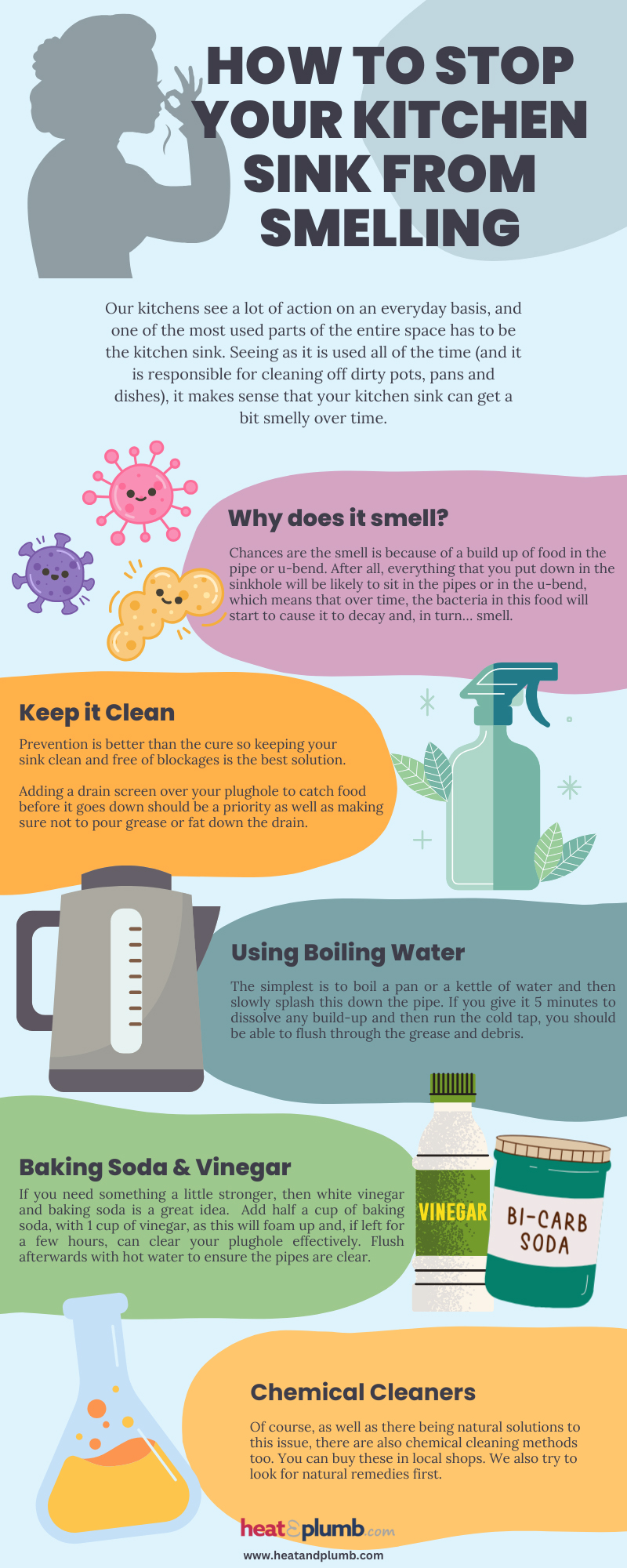
Image Source: www.heatandplumb.com
How To Get Rid Of Smell From Kitchen Sink Fast: Easy Natural Solutions
Does your kitchen sink smell bad? You can often get rid of sink smells fast with easy, natural methods.
The kitchen sink is a hub of activity. From washing dishes to rinsing fresh produce, it sees a lot of use. But with all that use, it can also become a breeding ground for unpleasant odors. This happens when food scraps, grease, and other gunk build up in the drain and pipes, creating a perfect environment for bacteria to thrive. These bacteria then release smelly gases that waft up into your kitchen. So, what exactly causes that unpleasant kitchen sink odor removal challenge?
What Causes a Smelly Kitchen Sink?
A smelly kitchen sink is usually caused by a buildup of organic matter. This includes:
- Food particles: Bits of food left behind after washing dishes can get stuck in the drain and pipes.
- Grease and oil: When hot grease and oil are poured down the drain, they cool and solidify, coating the pipes and trapping food debris.
- Soap scum: Over time, soap residue can also accumulate, contributing to clogs and odors.
- Mold and mildew: Damp, dark environments like the inside of pipes are ideal for mold and mildew growth, which can produce musty smells.
- Gunk in the garbage disposal: If you have a garbage disposal, food particles can get trapped in its blades and chamber, leading to odors.
- Bacteria: All of the above create a feast for bacteria, and their waste products are what cause the foul smells.
Why Natural Solutions Are Great
Many commercial drain cleaners contain harsh chemicals that can damage your pipes over time, harm the environment, and even be dangerous if not handled properly. Natural solutions, on the other hand, are often just as effective, much safer, and more budget-friendly. They use common household ingredients to break down buildup and neutralize odors, leaving your sink smelling fresh.
Let’s dive into some easy and effective ways to eliminate sink smell using natural ingredients.
Easy Natural Ways to Freshen Your Sink
Here are some tried-and-true methods for getting rid of that lingering kitchen sink odor.
1. Baking Soda and Vinegar: The Dynamic Duo
This is perhaps the most popular and effective natural method for tackling sink smells. Baking soda is alkaline and acts as a mild abrasive and deodorizer. Vinegar is acidic and helps to break down grease and grime. Together, they create a fizzing reaction that dislodges buildup.
How to do it:
- Pour baking soda: Pour about half a cup to a full cup of baking soda directly down the drain.
- Add vinegar: Follow with an equal amount of white vinegar.
- Let it fizz: Cover the drain with a stopper or a damp cloth. You’ll hear a fizzing sound as the reaction takes place. Let it sit for at least 15-30 minutes, or even longer for stubborn odors.
- Flush with hot water: After the waiting period, pour a kettle of boiling hot water down the drain. This flushes away the loosened debris and the residual baking soda and vinegar.
Tips for best results:
- For a more powerful clean, you can leave the baking soda and vinegar mixture overnight.
- Repeat this process weekly to maintain a fresh-smelling sink and prevent future odor buildup.
2. Boiling Water Flush: Simple Yet Effective
Sometimes, all you need is a good flush. Boiling water can help melt away grease and loosen minor blockages that might be causing smells.
How to do it:
- Boil water: Heat a kettle full of water to boiling.
- Pour carefully: Slowly and carefully pour the boiling water directly down the drain.
- Repeat if needed: You might need to repeat this a few times for significant grease buildup.
Important Note: Avoid using boiling water if you have PVC pipes, as excessive heat can damage them. In such cases, very hot tap water is a safer alternative.
3. Lemon or Citrus Peels: Natural Deodorizer
Citrus peels are fantastic natural deodorizers. Their natural oils can help cut through grease, and their fresh scent masks any lingering odors.
How to do it:
- Gather peels: Collect peels from lemons, oranges, or grapefruits.
- Feed them to the disposal: If you have a garbage disposal, chop the peels into smaller pieces and feed them in gradually while running cold water and the disposal.
- Boil peels (if no disposal): If you don’t have a garbage disposal, you can boil a handful of citrus peels in water for about 10-15 minutes. Let the water cool slightly, then pour it down the drain, followed by hot tap water.
This method not only helps with smells but also leaves a pleasant citrus aroma.
4. Salt and Baking Soda: A Gritty Combination
Salt acts as an abrasive, and when combined with baking soda, it can help scrub away grime and deodorize the drain.
How to do it:
- Mix ingredients: Combine half a cup of baking soda with half a cup of salt.
- Pour down drain: Pour the mixture down the drain.
- Let it sit: Allow it to sit for at least 30 minutes, or preferably overnight.
- Flush with hot water: Flush with boiling water (or very hot tap water if you have PVC pipes).
This is another excellent way to tackle stubborn odors and minor clogs.
5. Ice Cubes and Salt (for Garbage Disposals): A Deep Clean
If your garbage disposal is the culprit behind the smell, this method works wonders. The ice cubes help scrape away stuck-on food particles, and the salt adds scrubbing power.
How to do it:
- Fill with ice: Fill the garbage disposal with ice cubes.
- Add salt: Sprinkle about half a cup of coarse salt over the ice.
- Run the disposal: Turn on the cold water and run the garbage disposal until the ice and salt are completely ground up.
- Flush: Turn off the disposal and flush the drain with plenty of cold water.
This abrasive action can help dislodge food debris that causes odors.
Dealing with Deeper Clogs and Persistent Odors
Sometimes, the smell is a sign of a more significant clog. If natural methods aren’t fully working, you might need to address the clog directly. These drain cleaning tips can help.
1. How to Unblock Kitchen Drain: The Plunger Method
A plunger is a simple but effective tool for dislodging many types of drain clogs.
How to do it:
- Fill sink: Fill the sink with a few inches of water.
- Create a seal: Place the plunger over the drain opening, ensuring a tight seal. If you have a double sink, block the other drain with a wet cloth.
- Plunge: Vigorously plunge up and down for about 20-30 seconds.
- Check: Remove the plunger and see if the water drains. Repeat if necessary.
2. Removing Buildup Manually: The Drain Snake
For tougher clogs, a drain snake (also known as a plumber’s snake) can be very effective. This flexible tool can reach deeper into the pipes to break up or pull out blockages.
How to do it:
- Insert the snake: Feed the end of the drain snake into the drain opening.
- Advance and twist: Push the snake into the pipe until you feel resistance (the clog). Once you encounter the clog, gently twist the handle to break it up or hook onto it.
- Retrieve: Carefully pull the snake back out, bringing the debris with it.
- Flush: Once the clog is removed, flush the drain with hot water.
3. Cleaning the P-Trap: A Common Culprit
The P-trap is the U-shaped pipe under your sink. It’s designed to hold water, which prevents sewer gases from coming up into your home. However, it’s also a common place for debris to collect and cause smells or clogs.
How to do it:
- Place a bucket: Put a bucket underneath the P-trap to catch any water or debris.
- Loosen the slip nuts: Use pliers or a pipe wrench to loosen the slip nuts on either side of the P-trap.
- Remove the trap: Gently pull the P-trap down and away. Empty its contents into the bucket.
- Clean thoroughly: Clean the P-trap with a brush and hot, soapy water. You can also use a baking soda and vinegar solution.
- Reassemble: Reattach the P-trap, ensuring the slip nuts are tightened securely to prevent leaks.
- Test: Run water to check for leaks and ensure the drain is clear.
This is a crucial step in kitchen plumbing maintenance and can significantly stop sink odor.
Keeping Your Sink Smelling Fresh: Preventative Measures
The best way to deal with sink smells is to prevent them from occurring in the first place. Consistent kitchen sink cleaning hacks and good habits are key.
1. Scrape Plates Before Washing
Always scrape food scraps into the trash or compost bin before rinsing plates. This significantly reduces the amount of food debris entering your drain.
2. Avoid Pouring Grease Down the Drain
Never pour cooking grease, oil, or fat down the sink. Instead, let it cool and solidify, then scrape it into the trash. You can also pour liquid grease into a disposable container and discard it once it hardens.
3. Run Cold Water When Using the Garbage Disposal
When using your garbage disposal, always run cold water. Cold water helps solidify any grease or oils, making them easier for the disposal to grind up and flush away. Running hot water can melt grease, allowing it to coat the pipes and lead to buildup.
4. Regular Drain Flushing
Make it a habit to flush your drains with hot water (or boiling water for non-PVC pipes) at least once a week. This helps wash away minor accumulations before they become a problem.
5. Use a Sink Strainer
A sink strainer or drain catcher is an excellent tool for catching food particles and other debris. Empty the strainer regularly into the trash.
6. Periodic Deep Cleaning
Perform a more thorough natural cleaning of your drains using the baking soda and vinegar method (or similar) at least once a month. This is a vital part of kitchen plumbing maintenance and one of the most effective smelly drain solutions.
7. Address Minor Clogs Promptly
Don’t ignore slow drains. They are often an early sign of a developing clog that can lead to odors. Tackle them with a plunger or the natural cleaning methods mentioned above.
What to Do If Odors Persist
If you’ve tried these natural methods and your sink still smells, or if you suspect a more serious plumbing issue, it’s time to call a professional plumber. Persistent odors can sometimes indicate:
- Vent stack issues: A blocked or improperly installed vent stack can allow sewer gases into your home.
- Cracked pipes: A crack in a pipe could be allowing unpleasant smells to escape.
- Problems with the main sewer line: Issues further down the line can sometimes manifest as sink odors.
Table: Natural Sink Deodorizer Comparison
| Method | Ingredients | Best For | Ease of Use | Frequency |
|---|---|---|---|---|
| Baking Soda & Vinegar | Baking soda, Vinegar | General odors, minor grease, deodorizing | Easy | Weekly/Monthly |
| Boiling Water | Boiling Water | Melting grease, flushing loose debris | Very Easy | As needed |
| Citrus Peels | Lemon/Orange Peels | Deodorizing, light grease cutting | Easy | Regularly |
| Salt & Baking Soda | Salt, Baking Soda | Tougher odors, minor scrubbing | Easy | Monthly |
| Ice & Salt (Disposal) | Ice Cubes, Coarse Salt | Garbage disposal buildup, scraping | Easy | Monthly |
These natural methods are your first line of defense against a smelly kitchen sink. By incorporating them into your regular cleaning routine, you can enjoy a fresh sink smell and avoid the hassle of unpleasant odors.
Frequently Asked Questions (FAQ)
Q1: How often should I use baking soda and vinegar to clean my sink drain?
A1: For general maintenance and to stop sink odor, doing this once a week or every two weeks is usually sufficient. If you notice a smell developing or have had issues with slow drains, you can do it more often.
Q2: Can I use apple cider vinegar instead of white vinegar?
A2: Yes, you can use apple cider vinegar. Both are acidic and will help break down buildup. White vinegar is often preferred due to its purity and lower cost, but apple cider vinegar will also work.
Q3: Is pouring boiling water down the drain safe for all pipes?
A3: No. While effective for glass or metal pipes, boiling water can damage PVC pipes, causing them to soften or warp. For PVC pipes, use very hot tap water instead. Always check your pipe material if you’re unsure.
Q4: My garbage disposal smells even after I clean it. What else can I do?
A4: Ensure you’re running plenty of cold water when using the disposal. Try grinding citrus peels or using the ice cube and salt method. For persistent smells, a thorough cleaning of the disposal unit itself might be needed, sometimes with a specialized disposal cleaner or a paste of baking soda and water.
Q5: What are the signs of a serious plumbing problem causing the smell?
A5: If natural remedies and basic cleaning don’t help, and the smell is very strong or accompanied by slow draining, gurgling sounds, or dampness under the sink, it could indicate a more serious issue like a blocked vent pipe, a damaged pipe, or a problem with your main sewer line. In these cases, it’s best to call a professional plumber. These are critical smelly drain solutions that require expert help.
By following these simple, natural, and effective methods, you can easily get rid of that unpleasant kitchen sink smell and keep your kitchen smelling fresh and clean. Regular attention to your kitchen plumbing maintenance will save you time, money, and unpleasant odors in the long run.