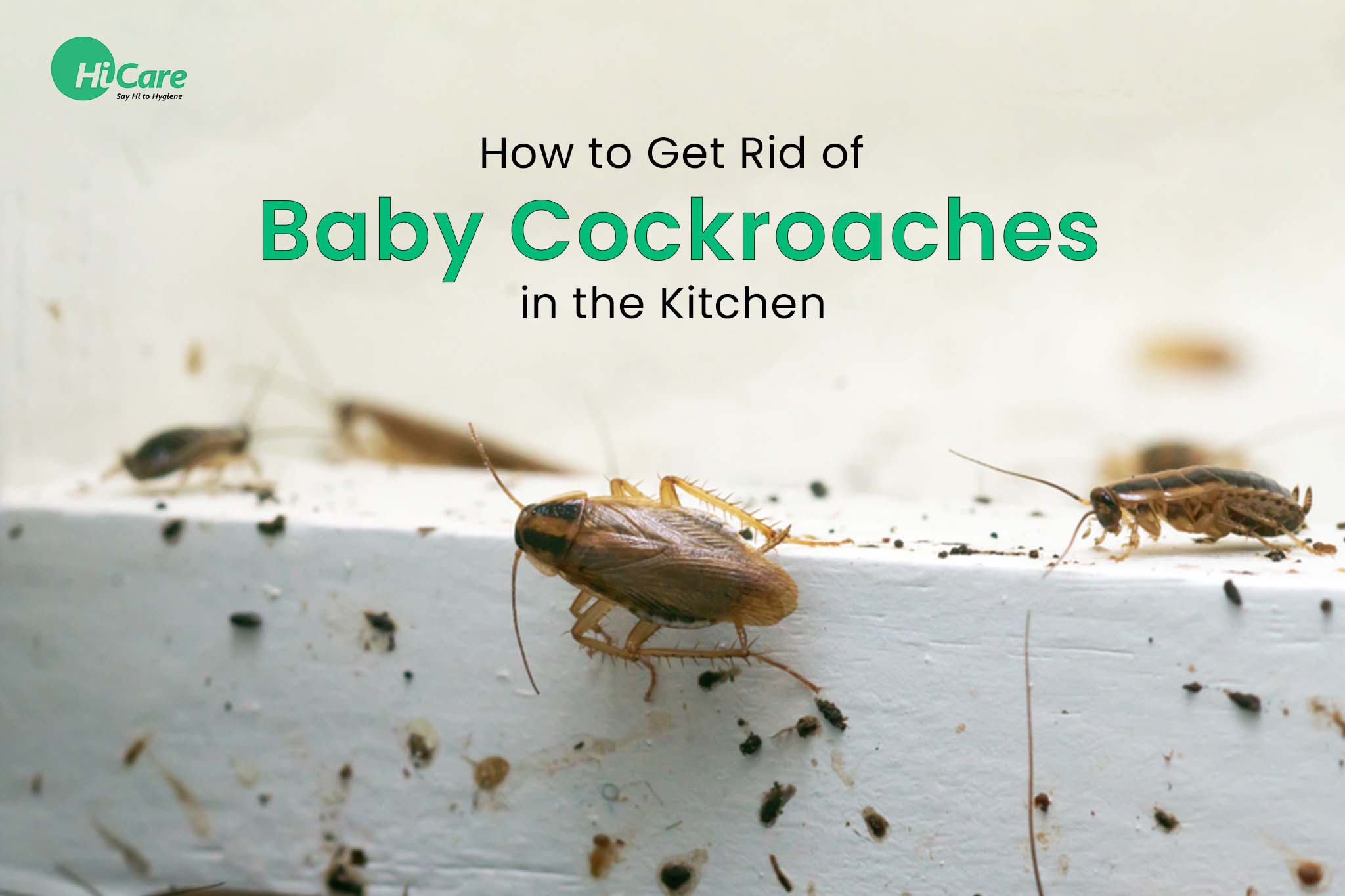
Image Source: hicare.in
How To Get Rid Of Small Kitchen Roaches Fast
So, you’ve spotted those tiny, unwelcome guests scuttling across your kitchen counter or disappearing into cracks? You’re likely asking: How do I get rid of small kitchen roaches fast? The immediate answer is a multi-pronged approach focusing on elimination, prevention, and ongoing maintenance. Don’t worry; tackling a cockroach problem in your kitchen, even a persistent one, is achievable with the right strategies and a little diligence. This guide will walk you through effective kitchen cockroach control methods, covering everything from DIY kitchen roach solutions to understanding the best kitchen pest management techniques for eliminating roaches in the kitchen.
Why Roaches Love Your Kitchen
Before we dive into getting rid of them, let’s briefly touch on why kitchens are prime real estate for these resilient insects. Small roaches, like German cockroaches, are particularly fond of kitchens because they offer:
- Food Sources: Crumbs, spills, grease, pet food, and even soap can be a feast.
- Water Sources: Leaky pipes, condensation under sinks, and standing water are essential for their survival.
- Shelter: Warm, dark, and humid environments are ideal. Cracks, crevices, appliance motors, and cabinets provide plenty of hiding spots.
- Warmth: Kitchens often have warmer temperatures due to appliances, making them attractive year-round.
Identifying the Culprits: What Kind of Small Roaches Are You Dealing With?
The most common small roaches found in kitchens are German cockroaches. They are light brown to tan with two distinctive dark stripes on their backs. They reproduce rapidly and are notorious for their ability to infest homes. Other smaller species might include the Asian cockroach, which is similar in appearance to the German cockroach but is more attracted to lights and can fly. Knowing your enemy is the first step in effective kitchen bug treatment.
The Emergency Plan: Immediate Steps for Fast Roach Removal
When you need to get rid of small kitchen roaches fast, immediate action is key. This is about disrupting their immediate environment and reducing their numbers quickly.
1. The Blitz: Cleanliness is Paramount
This isn’t just about tidiness; it’s a critical step in eliminating roaches in the kitchen.
- Deep Clean: Go beyond your usual wipe-down.
- Empty all cabinets and drawers. Wipe them down thoroughly, paying attention to corners and crevices.
- Clean behind and under appliances like the refrigerator, oven, and microwave. Grease buildup is a major attractant.
- Wash all dirty dishes immediately after use. Never leave them in the sink overnight.
- Wipe down counters and stovetops after every meal.
- Sweep and mop floors daily, especially under cabinets and appliances.
- Empty trash cans frequently and ensure they have tight-fitting lids.
- Eliminate Water Sources: Roaches can’t survive long without water.
- Fix any leaky faucets or pipes under sinks.
- Wipe up any standing water, even condensation.
- Don’t leave pet water bowls out overnight if possible, or clean them daily.
- Store Food Properly:
- Keep all food, including pet food, in airtight containers made of glass, metal, or thick plastic. Cardboard boxes and plastic bags are easily breached.
2. Targeted Traps and Baits
These are your first line of defense for rapid reduction.
- Sticky Traps: Place these in areas where you see roaches: under sinks, behind appliances, in corners of cabinets. They help monitor activity and catch some of the population.
- Bait Stations: These are highly effective. Roaches eat the poisoned bait and take it back to their harborage areas, killing others.
- Place bait stations in quiet, dark areas where roaches are likely to travel.
- Avoid spraying insecticides near bait stations, as this can deter roaches from eating the bait.
- Choose baits specifically designed for the type of roach you’re dealing with if possible.
Long-Term Kitchen Cockroach Control: Building a Roach-Free Zone
Once you’ve implemented the immediate steps, it’s time to focus on sustainable kitchen pest management to prevent cockroach infestations kitchen from returning. This involves a combination of treatments and habitat modification.
The Power of Baits: A Deeper Dive
Gel baits are exceptionally effective for safe roach removal. They can be applied in tiny amounts directly into cracks, crevices, and other hard-to-reach areas where roaches hide.
- How they work: Roaches consume the gel bait, often attracted by its sweetness or protein content. They then return to their nests and die. Other roaches may feed on the feces or carcasses of the poisoned roach, creating a domino effect that can significantly reduce the population.
- Application:
- Apply small dots (pea-sized) of gel bait in areas where you see roach activity or evidence (droppings, shed skins).
- Focus on hidden areas: under sinks, behind appliances, inside cabinet hinges, along baseboards, and around plumbing penetrations.
- Replenish bait as needed. Roaches can become resistant to certain baits, so rotating bait types or brands might be necessary for persistent kitchen roaches.
Insect Growth Regulators (IGRs)
IGRs are a crucial component of kitchen pest management for long-term control. They don’t kill roaches directly but disrupt their life cycle.
- How they work: IGRs prevent young roaches from maturing into adults or stop them from reproducing. This is vital for breaking the infestation cycle, especially for species like the German cockroach that reproduce quickly.
- Application: IGRs can be found in sprays or bait formulations. They are typically applied in the same areas as baits, targeting harborage sites.
Residual Sprays
While baits and IGRs are often preferred for their targeted action, residual sprays can be used as a supplementary kitchen bug treatment.
- Spot Treatment: Instead of spraying entire surfaces, focus on applying residual sprays in cracks, crevices, and along baseboards where roaches travel and hide.
- Caution: Be mindful of food preparation surfaces. Ensure any sprays used are labeled as safe for kitchen use and follow instructions carefully regarding ventilation and drying times. Many professional pest control products are available for DIY use, but always read and follow the label.
Dusts and Powders
Diatomaceous earth and boric acid are popular home remedies for roaches that also serve as effective long-term treatments.
- Diatomaceous Earth (Food Grade): This natural powder is made from fossilized algae. Its sharp edges scratch the roach’s exoskeleton, causing them to dehydrate and die. Apply a thin, light dusting in dry areas where roaches travel, such as behind appliances, under cabinets, and in wall voids. It’s safe to use around food areas when applied correctly, as long as it’s food-grade.
- Boric Acid: This is a common kitchen ingredient that also acts as a stomach poison for roaches.
- Apply a very fine, light dusting in hidden areas. Roaches walk through it, ingest it when grooming, and die.
- Important: Boric acid can be toxic if ingested by pets or children. Apply it carefully in inaccessible areas. Do not apply it to countertops or surfaces where food is prepared.
Natural Roach Deterrents and Home Remedies for Roaches
For those seeking natural cockroach deterrents or home remedies for roaches, several options can complement chemical treatments or serve as preventative measures. While they may not eradicate a severe infestation as quickly as chemical baits, they can help deter roaches and reduce their numbers.
Essential Oils
Certain essential oils have properties that roaches dislike.
- Peppermint Oil: The strong scent can mask food odors and repel roaches. Mix a few drops with water in a spray bottle and spray around entry points, baseboards, and under sinks.
- Tea Tree Oil: Similar to peppermint oil, its strong aroma can deter roaches.
- Eucalyptus Oil: Another potent scent that can help repel them.
- Application: Mix 10-20 drops of your chosen oil with a cup of water. You can also soak cotton balls in the oil and place them in affected areas. Reapply regularly as the scent fades.
Vinegar and Water
A simple solution of equal parts white vinegar and water can be used to wipe down surfaces. While not a direct killer, the scent can be a deterrent, and it helps remove scent trails roaches leave behind.
Bay Leaves
Roaches are said to dislike the smell of bay leaves. Place dried bay leaves in cabinets, drawers, and pantry areas. Replace them every few weeks to maintain their scent.
Cucumber Peels
Some anecdotal evidence suggests that roaches dislike the smell of cucumber. Place fresh cucumber peels in cabinets and near entry points. Replace them every few days.
Baking Soda and Sugar
A common DIY kitchen roach solution, this mixture acts as a poison.
- How it works: Mix equal parts baking soda and granulated sugar. The sugar attracts the roaches, and the baking soda, when ingested, reacts with their digestive acids to produce gas, which kills them.
- Application: Place small amounts of this mixture in shallow dishes or bottle caps in areas where you see roach activity. Keep out of reach of pets and children.
Table: Natural Roach Deterrents Compared
| Method | How it Works | Application | Effectiveness (Severe Infestations) | Best For |
|---|---|---|---|---|
| Essential Oils | Repellent scent | Spray diluted solutions or soak cotton balls; place in harborage areas. | Low to Moderate | Minor deterrents, complementing other methods |
| Vinegar & Water | Removes scent trails, mild deterrent | Wipe down surfaces, cabinets, and floors. | Low | Cleaning, removing food residue |
| Bay Leaves | Unpleasant scent | Place dried leaves in cabinets, drawers, and pantry corners. | Low | Minor deterrent, freshening |
| Cucumber Peels | Unpleasant scent | Place fresh peels in cabinets and near entry points. | Low | Mild deterrent |
| Baking Soda & Sugar | Digestive poison (when ingested) | Place mixture in shallow dishes in hidden areas. | Moderate | Small-scale DIY treatment, complementary |
Addressing Persistent Kitchen Roaches: When DIY Isn’t Enough
Sometimes, despite your best efforts, persistent kitchen roaches can be a sign of a larger, more entrenched infestation. If you’re still seeing significant activity after weeks of consistent treatment, it might be time to consider professional help.
Professional Pest Control
Professional exterminators have access to more potent and targeted treatments, as well as specialized equipment.
- Inspection: They can conduct a thorough inspection to pinpoint the source and extent of the infestation.
- Targeted Treatments: They can apply baits, residual sprays, and IGRs strategically and safely.
- Follow-up: Professional services often include follow-up visits to ensure the problem is resolved.
When choosing a pest control service, ensure they are licensed and experienced in dealing with cockroach infestations. Ask about their methods and the safety of their treatments, especially if you have children or pets.
Prevention: The Best Defense Against Future Cockroach Infestations Kitchen
Once you’ve successfully rid your kitchen of roaches, the most critical step is prevention to avoid a recurrence. This involves maintaining the habits you’ve established and being vigilant.
Sealing Entry Points
Roaches can enter your home through tiny openings.
- Caulk Cracks and Crevices: Inspect walls, baseboards, around pipes, and window frames for any gaps and seal them with caulk.
- Weatherstrip Doors and Windows: Ensure seals are tight to prevent entry.
- Inspect Incoming Items: Be cautious of bringing in used appliances, furniture, or grocery bags that might already harbor roaches.
Ongoing Sanitation
This cannot be stressed enough. A clean kitchen is an unappealing kitchen to roaches.
- Daily Cleaning Routine: Make it a habit to wipe down counters, sweep floors, and wash dishes immediately.
- Regular Appliance Cleaning: Periodically pull out appliances to clean behind and underneath them.
- Trash Management: Keep trash cans clean and sealed, and take the trash out regularly.
- Pet Food: Don’t leave pet food out overnight. Clean pet bowls daily.
Reducing Clutter
Clutter provides numerous hiding and nesting spots for roaches.
- Organize Cabinets: Keep cabinets and pantries tidy and organized.
- Declutter Paper Products: Newspapers, cardboard boxes, and old mail can be attractants and hiding places. Dispose of them promptly.
Frequently Asked Questions (FAQ)
Q1: How quickly can I expect to see results after starting treatment?
You should start seeing a reduction in roach activity within a few days to a week, especially with baits and traps. However, eliminating a severe infestation can take several weeks to months, depending on the species, the extent of the infestation, and the consistency of your treatment.
Q2: Are natural cockroach deterrents effective for severe infestations?
Natural deterrents are generally best used for prevention or to complement chemical treatments. While they can help deter roaches, they are unlikely to eradicate a large, established infestation on their own.
Q3: Can I use bug bombs or foggers in my kitchen?
While bug bombs might kill roaches exposed at the time of application, they are often ineffective against persistent kitchen roaches because they don’t reach roaches hidden in cracks and crevices. Furthermore, their residual effect is often short-lived, and they can sometimes scatter roaches to other areas of the house. They are generally not recommended as a primary solution for kitchen cockroach control.
Q4: How do I know if I have a serious cockroach problem?
Signs of a serious infestation include:
- Seeing roaches during the day (they are primarily nocturnal).
- Finding a large number of droppings (small, black, pepper-like specks).
- Detecting a musty or foul odor, which is characteristic of cockroach pheromones.
- Seeing shed skins or egg cases.
Q5: What is the best way to prevent roaches from coming back?
The best prevention is a combination of excellent sanitation, sealing entry points, reducing clutter, and being vigilant about inspecting anything brought into the home. Regular monitoring with sticky traps can also help catch a problem early.
Q6: Is it safe to use insecticides in the kitchen if I have pets and children?
When using any insecticide, always read and follow the product label instructions carefully. Choose products specifically labeled for use in kitchens and follow all safety precautions regarding ventilation, application to food surfaces, and keeping children and pets away from treated areas until they are dry and safe. Consider using bait stations, which are often more contained and safer when placed correctly out of reach. Natural remedies and physical exclusion methods are always the safest options.
By combining immediate cleanup with targeted treatments and a strong commitment to ongoing prevention, you can effectively get rid of small kitchen roaches and keep them out for good, ensuring a healthier and more pleasant kitchen environment.