Do you want to know how to prevent ants in the kitchen? Keeping ants out means cleaning well and blocking their ways in. Getting rid of small ants around your kitchen sink can feel like a big problem. Tiny ants in kitchen spaces look for food and water. The sink area is perfect for them. It has drips, tiny food bits, and moisture. But don’t worry. You can make them leave and stop them from coming back. This guide shows easy steps to take control.
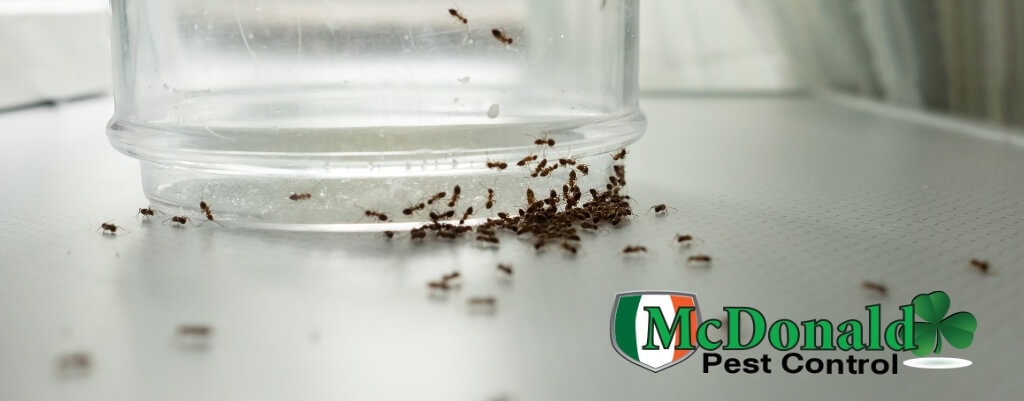
Image Source: www.mcdonaldpestcontrol.com
Why Ants Like Your Kitchen Sink
Ants come inside for three main reasons: food, water, and shelter. Your kitchen sink offers all three.
What Ants Want
Ants need food to live. They eat many things. Sweet things, greasy things, and crumbs are their favorites. Even tiny drops of juice or a single crumb near the sink drain can call ants.
Ants also need water. They get thirsty just like us. A dripping faucet or wet sponge is a perfect water source for them. The damp area around the sink is often their first stop inside.
Why The Sink Area is Perfect
Think about your kitchen sink.
* You wash dishes there. Food bits go down the drain. Some bits stay near the drain or in the trap.
* Water splashes around. It wets the counter, the sink edge, and the floor.
* Wet sponges and dishcloths sit nearby. These are damp places ants like.
* Trash cans are often close. They hold food waste that ants can smell.
All these things make the sink area a prime spot for ant visits. This is why you often see tiny ants in kitchen spaces gathering right there.
First Steps When You See Ants
Seeing small ants kitchen counter or around the sink means you need to act fast. Don’t just spray the ants you see. That only gets a few. You need to deal with where they come from and why they are there.
Clean Up Messes Fast
This is the most important first step for ant control kitchen sink. Ants follow scent trails to food. If there’s no food, there’s no reason for them to stay.
* Wash all dishes right away. Don’t leave dirty dishes in the sink.
* Wipe down the sink. Use soap and water. Get rid of any food bits.
* Clean the counter tops. Make sure no crumbs or spills are left.
* Sweep or vacuum the floor near the sink.
* Empty the trash can often. Tie the bag tight.
This quick clean-up removes their food source. It also messes up their scent trails.
Find Where They Come In
Ants come from outside or from other parts of your home. They use tiny paths to get to the food. Finding these ant entry points kitchen is key to stopping them.
* Look closely at the wall behind the sink.
* Check around the window near the sink.
* Look at the edge where the counter meets the wall.
* Watch the ants. See where they come from. They usually follow a line.
Once you find their path, you know where to focus your efforts.
Easy Ways to Stop Ants
You don’t always need strong chemicals to get rid of ants naturally kitchen sink. Many things you already have at home work well. These are good natural ant killer kitchen options.
Simple Soap and Water
Dish soap kill ants kitchen effectively. It breaks down their scent trails. It also coats the ants, making it hard for them to breathe.
- Mix dish soap with water in a spray bottle. About one part soap to two parts water is good.
- Spray this mix directly on the ants you see. They will stop moving.
- Wipe up the dead ants with a wet cloth.
- Spray the areas where you saw ants walking. This cleans the scent trail.
You can also pour boiling water mixed with soap down the drain. This can kill ants that are living or finding food there. This is a simple, safe way to start ant control kitchen sink.
Using Natural Sprays
Several natural things can act as a natural ant killer kitchen. They can kill ants or make areas smell bad to ants so they stay away.
Vinegar Mix
Ants hate the smell of vinegar. It also helps clean surfaces and remove scents.
* Mix equal parts white vinegar and water.
* Put it in a spray bottle.
* Spray it on counters, around the sink, and near entry points.
* Use it to wipe down surfaces daily.
The vinegar smell goes away for humans when it dries, but ants can still smell it for a while. This is a great way to get rid of ants naturally kitchen sink.
Citrus Spray
Ants don’t like citrus smells either. Lemon juice or orange peels can work.
* Squeeze lemon juice into water or put citrus peels in water.
* Use this water to wipe down surfaces.
* You can also blend citrus peels with water and spray it.
This leaves a fresh smell for you but is a barrier for ants.
Essential Oils
Some plant oils repel ants. Peppermint, tea tree oil, and eucalyptus oil are examples.
* Add a few drops of essential oil to water in a spray bottle.
* Spray this mix where you see ants.
* You can also put a few drops on cotton balls and place them near entry points.
Use these oils with care, especially if you have pets. Some oils can be bad for them. Check first.
Using Ant Baits Safely
Spraying ants you see only kills the workers looking for food. The real home of the ants is the colony. It might be in the wall, outside, or under the floor. To get rid of the whole group, you need ant bait for kitchen ants.
How Baits Work
Ant baits contain a sweet or greasy food that ants like. It also has a slow-acting poison.
* Worker ants find the bait.
* They eat some and carry some back to their nest.
* They share the poison with the other ants, including the queen.
* Slowly, the whole colony dies.
This is often the best way to get rid of tiny ants in kitchen spaces for good.
DIY Bait with Borax
Borax is a common laundry product that can be used to make a homemade ant bait for kitchen ants. Borax for ants kitchen works because it’s toxic to them when they eat it.
- Mix one part Borax with three parts powdered sugar or syrup. Ants are attracted to the sweet sugar or syrup.
- Add a little water to make a paste or liquid.
- Put small drops of this mix on pieces of cardboard or small dishes.
- Place these where you see ants, but where kids and pets cannot reach them.
Do not mix Borax with water and spray it. Borax works when ants eat it. You want them to take it back to the nest. Use Borax for ants kitchen carefully and keep it away from food and people.
Using Store-Bought Baits
Many stores sell ant bait for kitchen ants. These come in small plastic stations or gel form.
* These baits are ready to use.
* They are often safer to use around the house than loose bait mixes.
* Read the label carefully. Make sure it is safe for indoor use.
* Place them along ant trails, not where you spray other cleaners or killers.
Placing Baits Correctly
Putting bait in the right spot is important for ant control kitchen sink.
* Place bait along the ant trails you see. Don’t put it right in the middle of the trail, but near it.
* Place bait near ant entry points kitchen.
* Put bait near the sink area where you see them most.
* Put out several bait stations if you see ants in many spots.
* Don’t kill the ants gathering at the bait. You want them to take the bait home.
It might take a few days or even a week to see results with bait. Be patient. If the ants stop taking one type of bait, try another. Some ants like sweet things, others like greasy things.
Blocking Ants From Coming Inside
Stopping ants from entering your home is a key part of how to prevent ants in kitchen spaces. You need to seal up their tiny pathways. These are the main ant entry points kitchen.
Seal Cracks and Holes
Ants can fit through the smallest openings.
* Look for cracks in the walls, especially near the floor or ceiling.
* Check gaps where pipes go into the wall or floor (like under the sink).
* Use caulk or sealant to fill these cracks and holes. This blocks the ants’ road into your home.
Check Doors and Windows
Gaps around doors and windows are common ant entry points kitchen.
* Look at the seals around windows and doors. Do they close tightly?
* Check weather stripping. Is it old or damaged?
* Repair or replace seals and weather stripping to close gaps.
Look Around Pipes
Pipes under the sink, behind the fridge, or near washing machines are often used by ants.
* Check where pipes go into the wall or floor.
* Are there gaps around the pipes?
* Use caulk or steel wool to block these gaps. Steel wool is good because ants cannot chew through it.
Sealing entry points is a long-term way to prevent ants. It stops them before they get to your small ants kitchen counter or sink.
Keeping Ants Away Long-Term
Getting rid of the ants you see is only part of the job. To truly achieve ant control kitchen sink and keep tiny ants in kitchen spaces away, you need to prevent them from coming back. This is the main part of how to prevent ants in kitchen.
Keep Food Locked Up
This is the most important step. Ants come for food.
* Store all food in airtight containers. Cereal, sugar, flour, pet food – put it all in sealed bins.
* Don’t leave food sitting out on counters.
* Clean up spills right away. Don’t let sticky spots dry.
* Wipe down food jars (like honey or syrup) that might have drips.
If ants don’t find easy food, they are less likely to stay.
Clean Regularly
A clean kitchen is less inviting to ants.
* Wipe down counters and tables daily. Use your vinegar mix or soapy water. This helps get rid of invisible food traces and scent trails.
* Sweep or vacuum floors regularly. Pay close attention to edges and corners.
* Clean under appliances like the toaster or microwave. Crumbs hide there.
* Clean the sink drain. You can use boiling water. Or use a mix of baking soda and vinegar followed by hot water. This helps break down grease and food bits in the drain.
* Change out sponges and dishcloths often. Wet, dirty ones are ant magnets.
Regular cleaning is your best defense against small ants kitchen counter and sink.
Fix Leaks
Water attracts ants.
* Check your faucet for drips. Fix any leaks right away.
* Look under the sink for leaky pipes. Even a small leak creates a damp spot that ants like.
* Make sure the area around the sink is dry after you use it. Wipe up splashed water.
Removing water sources is crucial for ant control kitchen sink.
Manage Trash
Trash cans hold food ants love.
* Use a trash can with a tight-fitting lid.
* Empty trash often, especially if it has food waste.
* Take the trash bags outside to a larger bin. Make sure the outdoor bin is also sealed.
* Rinse out sticky food containers before putting them in the trash or recycling.
Outside Yard Work
Ants often come from outside. What you do outside can help prevent ants inside.
* Trim bushes and trees so they don’t touch your house. These can be bridges for ants.
* Move firewood piles away from your house walls.
* Clean up outdoor spills, especially sweet drinks.
* Check your home’s foundation for cracks and seal them from the outside.
* Make sure water drains away from your house foundation. Standing water outside can attract ants.
These outside steps reduce the number of ants trying to get in. This supports your ant control kitchen sink efforts.
Dealing with Tiny Invaders
Sometimes the ants you see are very, very small. Tiny ants in kitchen areas might be different types, like pharaoh ants or ghost ants. They are hard to see and can hide well. The steps to get rid of them are similar, but might need more care.
Focus on the Source
With tiny ants, finding their entry point can be harder. They use even smaller cracks.
* Watch their trails very closely. Where do they disappear?
* Look around electrical outlets, phone jacks, or small holes for wires. These can be entry points.
* Use bait designed for these specific tiny ant types if you can identify them. Sometimes regular bait doesn’t work as well.
Clean Every Spot
Because they are so small, tiny ants in kitchen areas can hide anywhere.
* Clean all surfaces meticulously, including edges and corners on small ants kitchen counter spaces.
* Check inside cabinets, pantries, and drawers near the sink or counter. Ants might be trailing inside looking for food.
* Wipe down appliance surfaces and handles.
Treating tiny ants in kitchen often relies heavily on finding their hidden trails and using bait they will eat and take back to their hard-to-reach nest.
Full Ant Control Near Your Sink
Getting rid of ants around your sink involves more than just one step. You need a plan for full ant control kitchen sink.
Mix Methods
The best way to get rid of ants and keep them away is to use a mix of methods.
* First, clean thoroughly to remove food and water. This is step one for natural ant killer kitchen actions.
* Use natural sprays (like soap or vinegar) to kill the ants you see and mess up their trails. This is part of how to get rid of ants naturally kitchen sink.
* Place ant bait (store-bought or borax for ants kitchen mix) to target the whole colony. This is key for long-term ant control.
* Seal entry points to stop new ants from coming in.
* Keep up with regular cleaning and prevention steps. This is how to prevent ants in kitchen over time.
Using these steps together gives you the best chance at getting rid of small ants around kitchen sink areas for good.
Be Patient
Getting rid of an ant problem takes time.
* Killing the ants you see is fast, but it doesn’t solve the problem.
* Baiting takes days or a week to work because the ants need to take the poison back to the nest.
* Prevention is ongoing. You need to keep cleaning and checking for new trails or openings.
Don’t give up if you still see a few ants after a day or two. The baits might be working. Keep monitoring the bait stations. If ants are still taking the bait, leave it there.
When to Ask For Help
If you have tried these steps and the ants are still a major problem, you might need help.
* A pest control professional can find the ant type and colony location.
* They have stronger baits or treatments that can solve the problem quickly.
* This is a good option if the ants keep coming back or if you have a large problem.
Remember, dealing with ants around your sink is possible with simple steps and consistency.
Quick Guide: Ant Control Steps
Here is a simple overview of the steps for ant control kitchen sink:
| Step | Action | What it Does | Key Items |
|---|---|---|---|
| 1. Clean | Remove all food & water sources near sink. | Removes attraction, breaks scent trails. | Dish soap, water, cloths, sponges, trash can. |
| 2. Attack | Kill visible ants, disrupt trails. | Reduces numbers, messes up paths. | Dish soap spray, vinegar spray, boiling water. |
| 3. Bait | Place bait for ants to take to the nest. | Kills the colony (including the queen). | Ant bait stations, gel baits, Borax + sugar mix. |
| 4. Block | Seal entry points into your home. | Stops new ants from coming inside. | Caulk, sealant, steel wool. |
| 5. Prevent | Maintain cleanliness & check for water. | Keeps ants from returning long-term. | Airtight food containers, daily cleaning. |
Following these steps in order is an effective way to get rid of small ants around kitchen sink and keep your kitchen ant-free.
Frequently Asked Questions (FAQ)
Q: Will dish soap kill ants kitchen?
A: Yes, dish soap mixed with water kills ants it touches by coating them and breaking down their waxy outer layer, making it hard for them to breathe. It also helps remove their scent trails.
Q: Can I use borax for ants kitchen?
A: Yes, borax for ants kitchen is often used in homemade baits. When mixed with something sweet that attracts ants, they eat the borax and take it back to their nest, which can kill the colony over time. Be sure to keep borax baits away from kids and pets.
Q: What is the best natural ant killer kitchen?
A: There isn’t one “best” natural ant killer kitchen, as different methods work for different situations. Dish soap spray kills ants on contact and disrupts trails. Vinegar spray repels ants and cleans surfaces. Essential oils like peppermint can also repel them. For killing the colony naturally, a borax-based bait is a common method (though Borax itself is a chemical compound, the method is often grouped with natural home remedies).
Q: How long does it take to get rid of tiny ants in kitchen?
A: Killing visible ants with sprays is fast, but getting rid of the whole colony using ant bait for kitchen ants can take several days to a week or even two. Prevention is ongoing, so keeping them away requires regular cleaning and sealing.
Q: Why do I keep getting small ants kitchen counter?
A: Small ants keep coming back to your kitchen counter because they are finding food, water, or a pathway into your home nearby. Common reasons include crumbs, spills, sticky containers, water drops, leaky faucets, or small cracks they are using to enter from outside or inside the walls. Focusing on cleanliness and finding ant entry points kitchen is key.
Q: Are the small ants in my kitchen dangerous?
A: Most common tiny ants in kitchen spaces in homes (like odorous house ants or pavement ants) are not dangerous. They don’t bite or sting humans and don’t spread diseases. They are mostly a nuisance. However, some types of ants can contaminate food. The main issue is their presence in your food areas.
Q: Should I spray store-bought ant killer around my kitchen sink?
A: Using chemical sprays directly in food prep areas like the kitchen sink is generally not recommended. Sprays kill only the ants you see and can contaminate surfaces. Ant bait for kitchen ants is usually a better option for getting rid of the source (the nest). If you use a spray, make sure it’s safe for indoor use and follow instructions carefully, keeping it away from food and dishes. Natural sprays like dish soap or vinegar are often safer choices for killing ants on contact in the kitchen.
Q: Can ants chew through caulk used to seal entry points?
A: Standard caulk is usually effective at blocking ants. While some insects can chew, common small ants are generally stopped by a properly applied layer of caulk. For areas with known persistent ant problems or larger pests, stronger materials like steel wool can be pushed into gaps before sealing with caulk. Sealing ant entry points kitchen well is important.
Q: What if the ants are coming from the drain itself?
A: Ants sometimes find food or water in the sink drain. You can pour boiling water carefully down the drain to kill ants present. You can also use a mix of baking soda and vinegar, followed by hot water, to help clean the drain and remove food bits. Ensure there are no leaky pipes under the sink providing constant moisture.
Q: How can I tell if I need professional ant control kitchen sink service?
A: Consider calling a professional if:
1. You have a very large number of ants that don’t decrease after trying home methods.
2. You cannot find the source or entry points of the ants.
3. Ants return quickly after you try to get rid of them.
4. You suspect you have a different type of ant problem (like carpenter ants causing damage).
Professional ant control kitchen sink services can quickly identify the ant type and use targeted treatments to solve the problem.
By following these steps and keeping your kitchen clean, you can say goodbye to those unwelcome small ants around your sink.