A persistent, unpleasant odor emanating from your kitchen sink can be a real nuisance. So, how do you get rid of kitchen sink smell permanently? The key lies in identifying the root cause and implementing consistent cleaning and preventative measures. A clogged drain smell is often the culprit, but other factors like accumulated grease, food debris, and even issues within your plumbing can contribute to that rotten food smell sink. This comprehensive guide will walk you through effective methods, from quick fixes to long-term solutions, ensuring your kitchen stays fresh and odor-free.
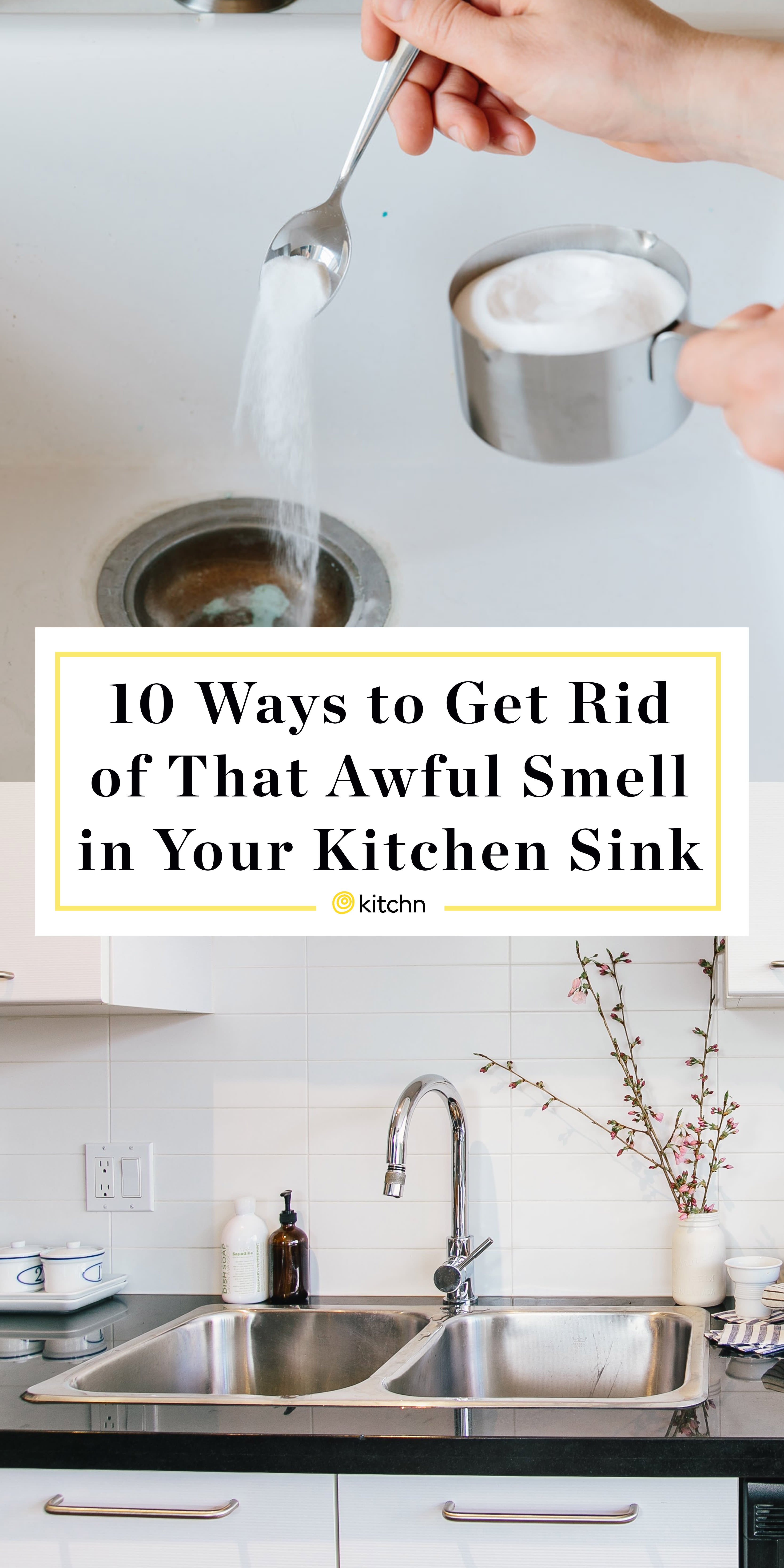
Image Source: cdn.apartmenttherapy.info
Deciphering the Source of the Stench
Before you can banish the bad smells, you need to figure out why your sink is suddenly more fragrant than a bouquet of flowers. Most kitchen sink odors are caused by one of these common issues:
- Food Scraps and Grease Buildup: When you wash dishes, small bits of food, grease, and oil inevitably go down the drain. Over time, these substances cling to the inside of your pipes, forming a sticky film. This film becomes a breeding ground for bacteria. As these bacteria break down the organic matter, they release foul-smelling gases. This is especially common if you don’t have a garbage disposal or if yours isn’t functioning optimally.
- Garbage Disposal Odor: If you have a garbage disposal, its blades and interior can accumulate food particles and slime. Even with regular use, small bits can get trapped, leading to garbage disposal odor. This trapped debris decomposes, producing unpleasant smells that can waft back up into your sink.
- The Dry Trap: Underneath your sink, there’s a U-shaped pipe called a P-trap. Its purpose is to hold water, creating a barrier that prevents sewer gases from coming up into your home. If your sink isn’t used often, or if there’s a significant blockage, the water in the P-trap can evaporate. Once this water barrier is gone, those nasty sewer smells can easily enter your kitchen.
- Smelly Pipes and Traps: Sometimes, the pipes themselves or the P-trap can become coated with a stubborn layer of grease and gunk. This buildup can harbor bacteria and emit odors even when the drain isn’t actively clogged. This is a common reason for smelly pipes.
- Bad Smell Under Sink: Occasionally, the odor isn’t coming directly from the drain itself but from something stored or leaking in the cabinet beneath your sink. Check for old cleaning supplies, damp sponges, or even a minor leak that could be causing mildew or mold growth. This is what creates that bad smell under sink.
Effective Strategies for a Fresh Sink
Now that we know where the smells might be coming from, let’s explore how to tackle them head-on.
Quick Fixes for Immediate Relief
Sometimes, you just need a fast solution. These methods can provide immediate relief for minor odors.
1. The Baking Soda and Vinegar Power Duo:
This is a classic for a reason. It’s a natural sink cleaner that effectively tackles odors and minor blockages.
- How to do it:
- Pour about ½ cup of baking soda down the drain.
- Follow it with ½ cup of white vinegar. You’ll hear it fizzing – that’s the chemical reaction working to break down grime.
- Let it sit for at least 15-30 minutes, or even longer if the smell is strong.
- Boil a kettle of water.
- Carefully pour the boiling water down the drain to rinse away the loosened debris and vinegar.
This baking soda vinegar drain method is excellent for routine cleaning and can help prevent future buildup.
2. Boiling Water Flush:
A simple pour of boiling water can dislodge grease and slime.
- How to do it:
- Boil a kettle or pot of water.
- Carefully and slowly pour the boiling water directly down the drain. Do this in stages to allow the heat to work.
Caution: Avoid this method if you have PVC pipes that are old or have had issues, as excessive heat could potentially damage them. For most modern plumbing, it’s safe.
3. Citrus Peel Power:
The natural oils in citrus peels can help to cut through grease and leave a pleasant scent.
- How to do it:
- Collect citrus peels (lemons, oranges, grapefruits).
- Grind them in your garbage disposal (if you have one) along with some cold water.
- If you don’t have a disposal, you can chop the peels finely and place them in a mesh bag, then run hot water over them in the sink.
Deep Cleaning Methods for Stubborn Odors
If the quick fixes aren’t enough, it’s time for a more thorough approach.
1. Natural Sink Cleaner Cocktail:
Combine the power of baking soda, vinegar, and salt for a more potent cleaning solution.
- How to do it:
- Mix ½ cup of baking soda with ¼ cup of salt.
- Pour this mixture down the drain and let it sit for about an hour.
- Follow with ½ cup of white vinegar. Let it fizz and sit for another 30 minutes.
- Flush thoroughly with hot water.
2. Using a Drain Cleaning Brush:
A dedicated drain cleaning brush can physically remove gunk from the pipes.
- How to do it:
- Purchase a long, flexible drain cleaning brush.
- Gently insert the brush into the drain opening and push it down as far as it will go.
- Twist and scrub the inside of the pipes, pulling the brush up and down to dislodge debris.
- Rinse thoroughly with hot water.
This is an excellent part of drain cleaning and helps remove the source of smelly pipes.
3. Cleaning the Garbage Disposal:
If your garbage disposal is the culprit, a deep clean is in order.
- How to do it:
- Ensure the disposal is turned off and the power is disconnected.
- Pour about ½ cup of baking soda into the disposal.
- Follow with 1 cup of white vinegar. Let it sit for 15-20 minutes.
- Scrub the inside of the disposal chamber with a stiff brush or an old toothbrush, paying attention to the blades and splash guard.
- Rinse thoroughly by running cold water and turning on the disposal for a minute or two. You can also grind up a few ice cubes to help clean the grinding chamber.
This is a vital step for addressing garbage disposal odor.
Addressing a Clogged Drain Smell Specifically
When the odor is directly linked to a blockage, clearing that clog is paramount.
- Manual Removal: Sometimes, the clog is close to the drain opening. Use tongs or pliers to carefully pull out any visible debris.
- Plunger Power: A good old-fashioned plunger can create suction to dislodge clogs. Ensure there’s enough water in the sink to cover the plunger’s cup, create a seal, and plunge vigorously.
- Baking Soda and Vinegar (Again): This is a great first step for minor clogs before resorting to mechanical methods.
- Enzyme Drain Cleaners: These are a safer alternative to harsh chemical cleaners. They use natural enzymes to break down organic matter. Follow the product instructions carefully. They are a good option for ongoing preventative drain maintenance.
- Chemical Drain Cleaners (Use with Caution): While effective, these can be harsh on pipes and the environment. If you choose to use them, follow the instructions precisely and ensure good ventilation. Never mix different chemical drain cleaners, as this can create dangerous fumes.
If you suspect a deep or persistent clog, it might be time to call a plumber for professional drain cleaning.
Tackling the Bad Smell Under Sink
A persistent bad smell under sink might not be directly related to the drain itself.
- Check for Leaks: Inspect the pipes, fittings, and the P-trap for any signs of moisture. Even a small drip can lead to mold and mildew growth, causing unpleasant odors.
- Clean Out the Cabinet: Remove everything from under the sink. Dispose of any old cleaning products, damp rags, or anything that might be contributing to the smell.
- Wipe Down Surfaces: Use a mild cleaner or a diluted bleach solution (if appropriate for your surfaces) to wipe down the inside of the cabinet. Ensure it dries completely.
- Mold and Mildew Treatment: If you find mold or mildew, use a dedicated mold cleaner or a solution of equal parts water and white vinegar to scrub the affected areas. Ensure good ventilation during this process.
Dealing with Smelly Pipes
If the issue is ingrained in the pipes themselves, you might need a dedicated plumbing deodorizer or a more intensive cleaning routine.
- Regular Use of Natural Cleaners: Consistently using the baking soda vinegar drain method or enzyme cleaners can prevent the buildup that leads to smelly pipes.
- Hot Water Flushing: Regularly running hot water down the drain after washing dishes can help melt away grease before it solidifies.
- Professional Drain Cleaning: For severe buildup in your plumbing, a plumber can use specialized equipment to thoroughly clean the pipes.
Preventative Drain Maintenance: The Key to Permanent Freshness
The best way to get rid of kitchen sink smell permanently is to prevent it from happening in the first place. Consistent preventative drain maintenance is your best friend.
What to Avoid Putting Down the Drain
This is arguably the most crucial aspect of keeping your sink smelling fresh.
- Grease and Fats: Never pour cooking grease, oils, or fats down the drain. They solidify in pipes and are a primary cause of clogs and odors. Pour them into a container and dispose of them in the trash once cooled.
- Coffee Grounds: While seemingly harmless, coffee grounds don’t dissolve and can accumulate, creating clogs and contributing to smells.
- Eggshells: Similar to coffee grounds, eggshells have a sticky membrane that can adhere to pipes and attract other debris.
- Starchy Foods: Pasta, rice, and potato peels can swell with water and create blockages.
- Fibrous Foods: Celery, corn husks, and other stringy vegetables can wrap around disposal blades and clog pipes.
- Bones and Fruit Pits: These are too hard for most garbage disposals to break down effectively and can cause damage or clogs.
Daily and Weekly Habits for a Happy Sink
Incorporating a few simple habits into your routine can make a world of difference.
- Rinse with Hot Water: After each use, especially after washing greasy dishes, run hot water down the drain for about 30 seconds. This helps wash away any residual grease.
- Use the Baking Soda and Vinegar Method Weekly: Make this a regular part of your cleaning routine, perhaps once a week or every other week.
- Clean Your Garbage Disposal Regularly: Follow the cleaning steps mentioned earlier at least once a month, or more frequently if you use it heavily.
- Wipe Down the Sink and Faucet: Don’t forget to clean the sink basin, drain cover, and faucet. This prevents food particles and residue from accumulating around the opening.
- Check Under the Sink: Periodically glance under the sink to ensure there are no leaks or dampness.
Periodic Professional Check-ups
Even with the best home maintenance, it’s wise to have your plumbing checked by a professional every few years. They can identify potential issues before they become major problems and perform a thorough drain cleaning if necessary.
Troubleshooting Specific Odor Scenarios
Let’s consider some specific situations you might encounter.
My Sink Smells Like Rotten Eggs
This distinct odor is often caused by sulfur compounds produced by bacteria breaking down organic matter in a low-oxygen environment. This can happen in a slow-moving drain or a P-trap that has stagnant water.
- Solution: Perform a deep clean with the baking soda vinegar drain method, followed by a thorough hot water flush. If the smell persists, you may have a more significant buildup or a venting issue in your plumbing, which might require professional attention.
My Garbage Disposal Smells Awful
This is a very common complaint. The grinding chamber is a prime spot for food particles to lodge and decompose.
- Solution: Regularly clean the disposal using ice cubes, citrus peels, baking soda, and vinegar. Make sure you are not putting problematic foods (like those mentioned above) into the disposal. If the odor is very persistent, consider using a specialized garbage disposal cleaner.
The Smell Only Happens When I Run the Water
This indicates that the water is stirring up trapped debris or gases in the drain or pipes.
- Solution: This strongly suggests a buildup of grease and food particles within the pipes. A thorough drain cleaning using a brush, enzyme cleaner, or even a professional snake might be needed. The baking soda vinegar drain method is a good starting point.
Frequently Asked Questions (FAQ)
Q1: Can I use bleach to clean my kitchen sink drain?
A1: While bleach can kill bacteria, it’s generally not recommended as a primary method for drain cleaning or plumbing deodorizer. It doesn’t effectively break down grease and food particles, which are the main causes of odors. Furthermore, mixing bleach with other cleaners (like vinegar or ammonia) can create toxic fumes.
Q2: How often should I use baking soda and vinegar on my drain?
A2: For preventative drain maintenance and to combat minor odors, using the baking soda vinegar drain method once a week or every other week is a good practice. If you’re dealing with a persistent clogged drain smell, you might need to do it more frequently initially.
Q3: What is a plumbing deodorizer?
A3: A plumbing deodorizer typically refers to products specifically designed to eliminate odors in drains and pipes. These can range from simple enzyme-based cleaners to more potent chemical solutions. Natural methods like baking soda and vinegar also act as effective deodorizers.
Q4: Why does my sink have a bad smell under the sink?
A4: A bad smell under sink often points to issues within the cabinet itself, such as leaks, dampness, mold, mildew, or stored cleaning supplies. It’s less likely to be a direct drain issue unless there’s a problem with the P-trap or a leak causing secondary odors.
Q5: Is it okay to put food scraps down the garbage disposal?
A5: You can put some food scraps down the garbage disposal, but it’s crucial to know what to avoid. Hard items, fibrous materials, grease, and starchy foods should never go down the disposal, as they contribute to garbage disposal odor and can cause clogs.
Q6: How do I know if I have smelly pipes?
A6: Smelly pipes will emit an odor that seems to come from the drain itself, even when no water is running, or the smell intensifies when water is used. This is usually due to a buildup of slime and grime inside the pipes that harbors bacteria.
By understanding the causes of kitchen sink odors and implementing a consistent cleaning and preventative drain maintenance routine, you can permanently banish that unpleasant stench and enjoy a fresh, clean kitchen. Remember, prevention is always easier than cure!