Image Source: contemporarystructures.co.uk
How To Get Rid Of Ants On Kitchen Counter Fast and Safely
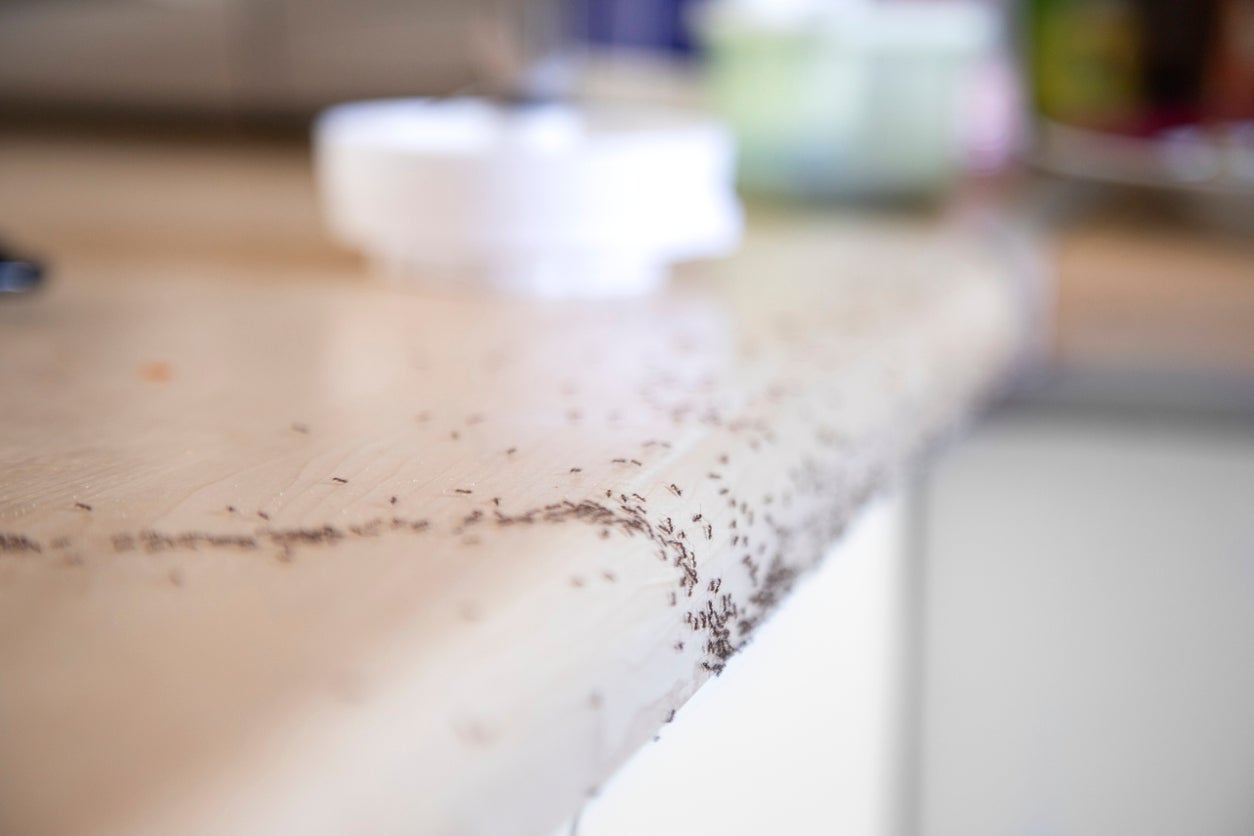
Can you get rid of ants on your kitchen counter quickly and without using harsh chemicals? Yes, you can. This guide will show you how to tackle those pesky invaders efficiently and safely. Dealing with an ant infestation on your kitchen counter can be frustrating. You might wonder what draws them in and how to effectively eliminate them. This article is your comprehensive resource for banishing kitchen ants and keeping them away for good. We’ll cover everything from identifying the source to implementing both quick fixes and long-term prevention strategies, focusing on methods that are safe for your family and pets.
Pinpointing the Ant Attraction
Before you can effectively get rid of ants, it’s crucial to figure out why they are showing up on your kitchen counter in the first place. Ants are often attracted to food sources, water, and even shelter. Understanding their motives is the first step in a successful pest control operation.
Sweet Temptations
Ants absolutely love sugar. Crumbs from cookies, spills from juice or soda, and even sticky residue from jam jars are like a five-star buffet for ants. If you have fruit sitting out, especially overripe fruit, this can also be a major draw. Even tiny amounts of sweetness left behind can attract a whole colony.
The Allure of Protein and Fats
It’s not just sweets that attract ants. They also seek out protein and fatty foods. This includes things like:
- Pet food left in bowls
- Grease splatters around the stove
- Unsealed containers of butter or oil
- Crumbs from meat or cheese
Water Sources
Just like us, ants need water to survive. Leaky faucets, a wet sponge left on the counter, or even condensation from a cold drink can provide them with the hydration they need. These small water sources can be a lifeline for ants, especially in drier conditions.
Hidden Entry Points
Ants can be surprisingly small and can find their way into your kitchen through the tiniest cracks and crevices. These entry points could be:
- Gaps around windows and doors
- Cracks in walls or baseboards
- Entry points for pipes or wires
Swift Solutions: Getting Rid of Ants on the Counter Immediately
When you see ants marching across your clean counter, you want them gone now. Here are some fast-acting methods you can try using common household items. These methods focus on immediate removal and disrupting their ant trails.
Vinegar Power Wash
White vinegar is a fantastic natural cleaner and a great ant repellent. The strong smell disrupts their pheromone trails, which they use to navigate.
How to use:
- Mix equal parts white vinegar and water in a spray bottle.
- Spray directly onto the kitchen ants and the ant trails they have created.
- Wipe down the entire counter surface with the solution.
- Repeat as needed, especially if you see more ants.
The vinegar smell dissipates for humans but remains an effective deterrent for ants.
Soapy Water Spray
Dish soap is effective because it breaks down the waxy outer layer of ants, causing them to suffocate.
How to use:
- Fill a spray bottle with water and add a few squirts of liquid dish soap.
- Spray directly onto the ants. You’ll see them die quickly.
- Wipe up the dead ants and the soapy residue with a damp cloth.
This is a very safe and immediate way to kill ants you see on the counter.
Lemon Juice Zest
Lemon juice is another acidic solution that ants dislike. Its strong scent can also help mask ant trails.
How to use:
- Squeeze fresh lemon juice directly onto the ant trails and any areas where you see ants.
- Alternatively, use lemon-scented cleaning products.
- Wipe down the counters with diluted lemon juice or a lemon-scented cleaner.
Cinnamon Sprinkle
Cinnamon is a natural ant repellent. Ants dislike its smell and texture, and it can effectively block their scent trails.
How to use:
- Sprinkle ground cinnamon generously along ant trails, entry points, and the edges of your counter.
- You can also create a line of cinnamon powder to act as a barrier.
Coffee Grounds Strategy
Many people find that used coffee grounds can deter ants. The strong smell and texture are believed to be unpleasant for them.
How to use:
- Sprinkle dried, used coffee grounds around the perimeter of your kitchen or near potential entry points.
- While less direct for counter ants, it can help prevent them from entering the kitchen in the first place.
Natural Ant Control: Long-Term Prevention and Repellents
Quick fixes are great for immediate relief, but for a lasting solution to your persistent ant problem, you need to focus on natural control methods and prevention. These strategies aim to make your kitchen less inviting to ants and disrupt their colonies.
Targeting Ant Trails
Ants follow scent trails, also known as pheromone trails, to find food and return to their nest. Eliminating these trails is key to preventing their return.
Methods to Disrupt Ant Trails:
- Vinegar Solution: As mentioned earlier, spraying with a 50/50 vinegar and water solution effectively erases these trails.
- Soapy Water: Wiping down surfaces with soapy water also removes the scent markers.
- Lemon Juice: The acidity of lemon juice can also effectively destroy ant scent trails.
By consistently cleaning surfaces where you’ve seen ants with these solutions, you make it harder for them to navigate back to your kitchen.
Introducing Natural Ant Repellents
There are several natural ingredients that ants strongly dislike and will avoid. Incorporating these into your cleaning routine or placing them strategically can create a natural barrier.
Essential Oils Power
Certain essential oils have strong scents that ants find repulsive.
- Peppermint Oil: Ants hate the strong smell of peppermint.
- How to use: Mix 10-15 drops of peppermint essential oil with water in a spray bottle. Spray around entry points, cracks, and on counter edges.
- Tea Tree Oil: Another potent oil that disrupts ant communication.
- How to use: Mix 10-15 drops with water and spray.
- Clove Oil: The strong aroma of cloves can be a powerful deterrent.
- How to use: You can place a few drops on cotton balls and place them near ant entry points or mix with water for spraying.
Important Note: While generally safe, some essential oils can be irritating to pets. Ensure good ventilation and keep pets away from treated areas until the scent has subsided.
Herbal Barriers
Certain herbs can also act as natural ant repellents.
- Bay Leaves: Ants are said to dislike the smell of bay leaves. Place whole bay leaves in cupboards, drawers, and along windowsills.
- Cinnamon: As mentioned before, a sprinkle of cinnamon powder can create an effective barrier.
- Mint: Planting mint near your home or placing mint leaves in areas where ants are seen can help deter them.
DIY Ant Baits with Natural Ingredients
While commercial ant killer products are available, natural baits can be just as effective and safer. The goal is to lure ants with something they like, have them ingest a natural poison, and take it back to their colony.
Borax and Sugar Bait (Use with Caution)
Borax is a natural mineral that is toxic to ants when ingested. When mixed with a sweet substance, it can be an effective bait.
Recipe:
- 1 part Borax
- 3 parts sugar (powdered sugar works best as it dissolves easily)
- A small amount of water to create a paste or syrup
How to make and use:
- Mix the Borax and sugar thoroughly.
- Add just enough water to create a sticky paste or a thin syrup.
- Place small amounts of this bait in shallow containers (like bottle caps or small pieces of cardboard) near ant trails or entry points, but out of reach of children and pets.
- Ants will be attracted to the sugar, eat the mixture, and carry it back to their nest.
Safety Precaution: Borax is toxic if ingested by humans and pets. Handle with extreme care and place baits in secure locations where they cannot be accessed by children or animals.
Baking Soda and Sugar Bait
Baking soda is another common household item that can be used as an ant killer. When ants consume baking soda, it reacts with their digestive system, leading to their demise.
Recipe:
- 1 part baking soda
- 1 part powdered sugar
How to make and use:
- Mix the baking soda and powdered sugar together.
- Sprinkle this mixture in areas where you see ants, particularly along ant trails and near their entry points.
- Ants are attracted to the sugar and will eat the baking soda, which will then kill them.
This method is generally considered safer than Borax, but still, keep it away from children and pets if possible.
Enhancing Kitchen Counter Hygiene: The Foundation of Ant Prevention
The most effective way to get rid of ants and prevent their return is to ensure your kitchen is not an attractive place for them. Maintaining impeccable kitchen counter hygiene is paramount.
Sealing Food Sources
The easiest way to stop ants is to remove their food.
- Airtight Containers: Store all food, especially sweets, grains, and cereals, in airtight containers. This includes sugar, flour, pet food, and even fruit.
- Clean Up Spills Immediately: Wipe up any spills or crumbs as soon as they happen. Don’t let sugary drinks or sticky residues sit on the counter.
- Regular Wiping: Make it a habit to wipe down your kitchen counters daily, paying attention to any sticky spots or lingering food particles.
Managing Water Sources
Ants need water, so eliminating potential water sources is another crucial step.
- Fix Leaks: Repair any leaky faucets or pipes immediately.
- Dry Surfaces: Ensure your sink and counters are dried after washing or use. Don’t leave wet sponges or cloths sitting out.
- Pet Water Bowls: Clean pet water bowls regularly and avoid leaving standing water.
Trash Management
Your trash can be a goldmine for ants if not managed properly.
- Sealed Trash Cans: Use trash cans with tight-fitting lids.
- Frequent Emptying: Empty your kitchen trash regularly, especially if it contains food scraps.
- Clean the Bin: Wash out your trash bin periodically to remove any sticky residue or spills.
Deep Cleaning Your Kitchen
Beyond daily wiping, occasional deep cleaning can make a big difference.
- Under Appliances: Ants can hide and nest under appliances like refrigerators or toasters. Pull them out and clean thoroughly.
- Inside Cabinets and Drawers: Regularly clean the inside of your kitchen cabinets and drawers, especially those where food is stored.
- Floors: Sweep and mop your kitchen floor regularly to remove any stray crumbs or spills that might attract ants.
Advanced Strategies for Persistent Ant Problems
If you’re dealing with a persistent ant problem and natural methods aren’t enough, you might need to consider more targeted approaches.
Sticky Traps for Ants
Sticky traps for ants can be a useful tool for monitoring and catching ants.
- How they work: These traps contain an adhesive surface and often a bait to lure ants. Once on the trap, ants get stuck.
- Placement: Place them along ant trails, near entry points, or in areas where you frequently see ants.
- Monitoring: They can help you identify the main routes ants are using to enter your kitchen.
Commercial Ant Killers (Use with Caution)
If natural methods fail, you might consider commercial ant killer products. However, it’s essential to use them safely and strategically, especially in the kitchen.
- Gel Baits: Gel baits are often formulated with an attractant and a slow-acting poison. Ants eat the gel and carry it back to their colony, which can effectively kill the entire nest over time.
- Application: Apply these baits in small dots in discreet areas where ants are seen, such as under cabinets, behind appliances, or in cracks. Never apply directly to kitchen counters where food is prepared.
- Sprays: Ant sprays can kill ants on contact. However, they often don’t address the source of the problem (the nest) and can sometimes scatter ants, making the problem worse or leading them to find new entry points.
- Use: If using sprays, opt for ones specifically designed for kitchen use or natural, plant-based formulas. Always follow label instructions and ensure the area is well-ventilated. Avoid spraying near food, utensils, or cooking surfaces.
When to Consider Professional Help:
If you’ve tried multiple methods and are still struggling with a large or persistent ant infestation, it might be time to call a professional pest control service. They can identify the specific ant species, locate the nest, and use targeted treatments safely and effectively.
Identifying Ant Species
Knowing the type of ant you’re dealing with can help in choosing the most effective control method. While this guide focuses on general solutions, different species may have slightly different preferences.
| Ant Type | Common Attractors | Typical Behavior |
|---|---|---|
| Sugar Ants | Sweets, crumbs, honeydew | Small, often found in kitchens, colonies can be large |
| Odorous House Ants | Sweets, fats, proteins, decaying food | Emit a coconut-like smell when crushed, travel in trails |
| Pharaoh Ants | Sweets, proteins, fats, dead insects, blood | Tiny, reddish-brown, often found in wall voids or moist areas, colonies can split |
| Carpenter Ants | Proteins, sugars, honeydew, living or dead insects | Larger, often seen foraging, nest in wood, can cause structural damage |
Understanding the type of ant can inform your strategy, but the core principles of hygiene, eliminating food and water sources, and disrupting trails remain universal.
Frequently Asked Questions (FAQ)
Q1: How do I know if I have an ant infestation?
A1: You likely have an ant infestation if you regularly see numerous ants in your kitchen, especially marching in lines (ant trails), or if you find them in your pantry or near food sources.
Q2: Are natural ant control methods effective against carpenter ants?
A2: Natural methods can help deter foraging carpenter ants, but if you suspect a nest within your walls, professional help is recommended as carpenter ants can cause structural damage. Disrupting their trails and removing food sources is still important.
Q3: Can I use essential oils directly on my kitchen counter?
A3: It’s best to dilute essential oils with water or a carrier oil before applying them to surfaces. Directly applying undiluted essential oils might damage some countertop finishes or be too concentrated. Always test in an inconspicuous area first.
Q4: How long does it take for natural ant control methods to work?
A4: Natural methods like vinegar or essential oils work immediately to deter ants, but eliminating a persistent ant problem might take a few days to a week as you consistently disrupt their trails and food sources. Baits can take several days to a couple of weeks to eliminate the colony.
Q5: What is the fastest way to get rid of ants on my kitchen counter?
A5: The fastest way to eliminate visible ants is with a direct spray of soapy water or a vinegar and water solution. However, for a long-term solution, you need to focus on cleaning, sealing food, and removing attractants.
Q6: Are sticky traps for ants safe to use around pets and children?
A6: Most sticky traps for ants are safe as they don’t involve toxic chemicals. However, the sticky surface itself could be a concern for very curious pets or young children who might try to play with them. Place them in out-of-the-way locations.
By combining immediate cleaning strategies with consistent kitchen counter hygiene and long-term prevention, you can effectively get rid of ants on your kitchen counter and keep your home ant-free. Remember that persistence is key, especially when dealing with a persistent ant problem.