A smelly kitchen drain is an unpleasant issue that many homeowners face. The most effective ways to get rid of a smelly kitchen drain fast involve clearing out the gunk and grease that cause the odor, and then preventing its buildup. Can I use vinegar and baking soda to clean my kitchen drain? Yes, vinegar and baking soda are a popular and effective natural method for deodorizing kitchen pipes and can help eliminate sink smells.
This guide will delve into various drain cleaning techniques to tackle that persistent bad kitchen drain smell. We’ll explore natural solutions, mechanical methods, and crucial kitchen drain maintenance tips to ensure a perpetually fresh kitchen sink. Let’s start by deciphering what causes these unwelcome odors.
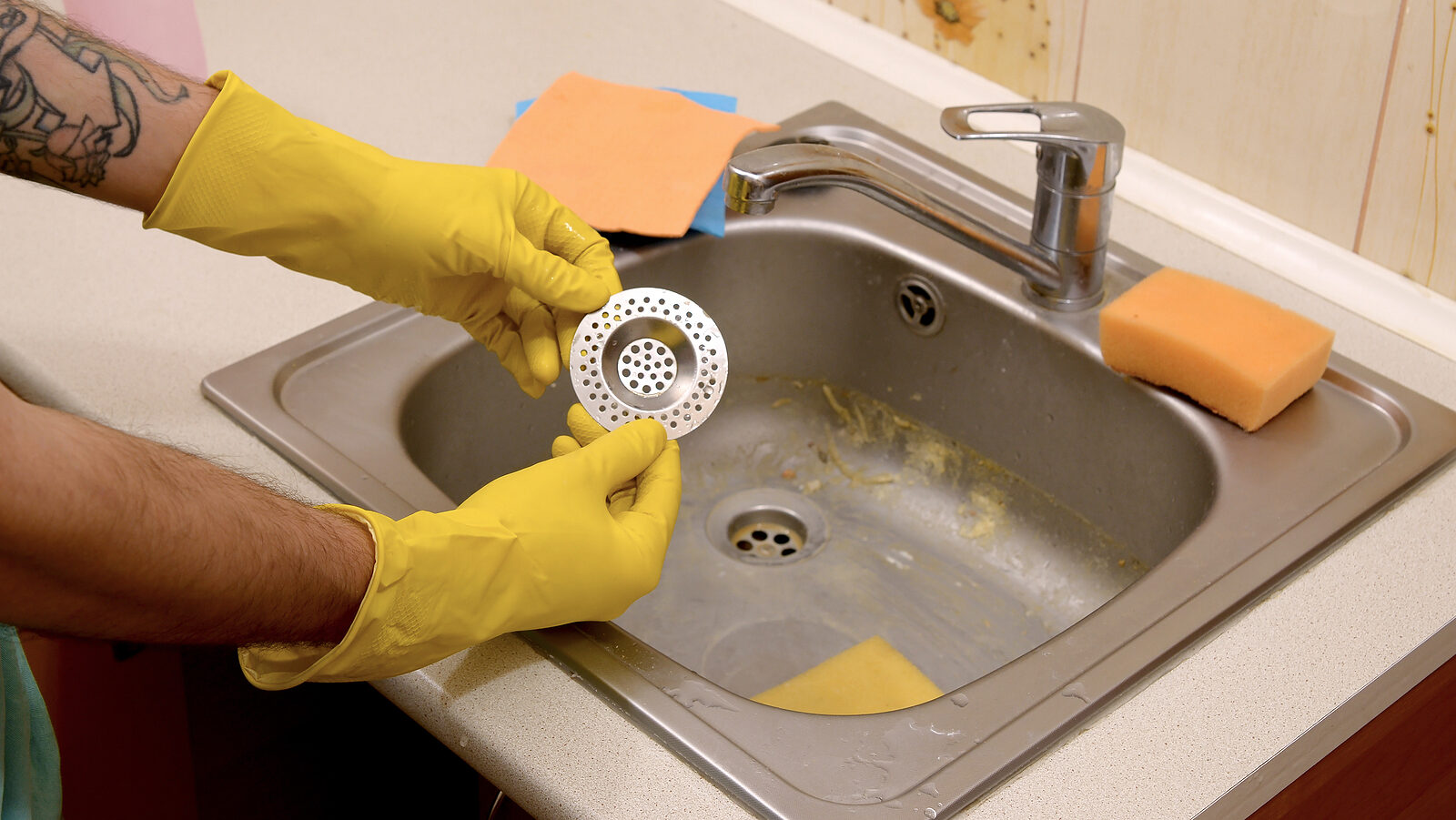
Image Source: blockbusters.co.uk
Deciphering the Source of Kitchen Sink Odors
The primary culprit behind a smelly kitchen drain is almost always the buildup of organic matter within the pipes. When food scraps, grease, oils, fats, soap scum, and other debris go down your drain, they don’t always make a clean exit. Instead, they cling to the inner walls of your pipes, creating a sticky, organic sludge.
This sludge becomes a breeding ground for bacteria. These bacteria feast on the decomposing food particles and release foul-smelling gases as a byproduct. These gases, often containing sulfur compounds, are what you detect as that unmistakable bad kitchen drain smell.
Common culprits that contribute to this buildup include:
- Grease, Oils, and Fats: These are the absolute worst offenders. When hot, they flow down the drain easily. However, as they cool, they solidify and coat the pipe walls, trapping other debris and creating a sticky mess. Pouring cooking grease or bacon fat down the drain is a fast track to a smelly drain.
- Food Scraps: Small particles of food, especially starchy ones like rice, pasta, and potato peels, can easily get caught in the pipes. Over time, these particles decompose and contribute to the bacterial growth.
- Coffee Grounds: While many people think coffee grounds help clean drains, they actually don’t break down easily and can accumulate, adding to the blockage and odor problem.
- Eggshells: Similar to coffee grounds, eggshells have a waxy coating that can trap other debris and contribute to clogs.
- Soap Scum: The combination of soap and minerals in your water can create a hard, sticky residue that builds up on pipe surfaces, catching other debris.
- Hair: While more common in bathroom drains, hair can sometimes find its way into kitchen drains and contribute to clogs.
When water flows down the drain, it can agitate this sludge, releasing the foul-smelling gases upwards and into your kitchen.
The Role of Bacteria in Drain Odors
Bacteria are microscopic organisms that are ubiquitous in our environment. In the warm, moist, and nutrient-rich environment of your kitchen drain pipes, they thrive. As they consume the organic waste, they perform a process called anaerobic decomposition. This process releases various gases, including hydrogen sulfide, which has the characteristic rotten egg smell.
The longer the organic matter sits in your pipes, the more time bacteria have to multiply and produce these gases, leading to a more intense and persistent kitchen sink odor removal challenge.
Natural Drain Cleaners: Your First Line of Defense
Before reaching for harsh chemical drain cleaners, which can damage your pipes and are bad for the environment, consider these powerful and safe natural drain cleaners. These methods are excellent for deodorize kitchen pipes and can also help unclog kitchen sink blockages that are not too severe.
The Classic: Baking Soda and Vinegar
This is arguably the most popular and effective DIY method for kitchen sink odor removal. It’s safe, inexpensive, and works by creating a fizzy reaction that helps loosen debris and neutralize odors.
What you’ll need:
- 1 cup baking soda
- 1 cup white vinegar
- Boiling water
Steps:
- Pour Baking Soda: Start by pouring the cup of baking soda directly down the drain. Make sure it goes as far down as possible.
- Add Vinegar: Immediately follow with the cup of white vinegar. You’ll see a fizzing and bubbling reaction. This is the vinegar (an acid) reacting with the baking soda (a base), creating carbon dioxide gas. This reaction helps to break down grease and gunk.
- Cover and Wait: Cover the drain opening with a stopper or a wet cloth to keep the fizzing reaction contained within the pipes, maximizing its effectiveness. Let it sit for at least 15-30 minutes, or longer for tougher odors.
- Flush with Boiling Water: After the waiting period, pour a kettle of boiling water down the drain. The hot water helps to flush away the loosened debris and any remaining baking soda and vinegar residue.
This method is fantastic for regular kitchen drain maintenance and can help eliminate sink smells before they become a major problem.
Salt and Baking Soda Power Duo
Salt acts as an abrasive and can help scrub away buildup. When combined with baking soda, it creates a potent cleaning paste.
What you’ll need:
- 1/2 cup baking soda
- 1/2 cup salt
- Boiling water
Steps:
- Mix Dry Ingredients: Combine the baking soda and salt in a bowl.
- Pour Down Drain: Pour the mixture down your drain.
- Wait: Let the mixture sit for at least 30 minutes, or even overnight for stubborn smells.
- Flush: Flush the drain with boiling water.
This is another excellent option for deodorize kitchen pipes and can be done weekly to maintain a fresh kitchen sink.
Lemon Power for a Fresh Scent
Lemons are natural deodorizers and also contain citric acid, which can help break down grease.
What you’ll need:
- Lemon peels (from 1-2 lemons)
- Boiling water
Steps:
- Boil Peels: Place the lemon peels in a pot with enough water to cover them. Bring to a boil and simmer for a few minutes.
- Pour: Carefully pour the hot lemon-infused water down the drain.
This is a simple and fragrant way to eliminate sink smells and add a pleasant aroma to your kitchen. You can also just run hot water with lemon juice down the drain.
Baking Soda Paste for Tough Spots
For localized odors or buildup right at the drain opening, a paste can be very effective.
What you’ll need:
- 1/2 cup baking soda
- Water (enough to make a paste)
Steps:
- Make Paste: Mix baking soda with just enough water to form a thick paste.
- Apply: Apply the paste around the drain opening and stopper.
- Scrub: Use an old toothbrush or a small scrub brush to work the paste into the drain and surrounding areas.
- Rinse: Rinse thoroughly with hot water.
This helps with kitchen sink odor removal on the visible parts of your drain.
Mechanical Methods for Stubborn Clogs and Odors
Sometimes, the buildup is more significant, and natural methods alone might not be enough to unclog kitchen sink blockages or completely eliminate sink smells. In these cases, mechanical methods can be more effective.
The Plunger: A Simple but Effective Tool
A plunger creates suction that can dislodge minor clogs and push debris further down the pipe.
What you’ll need:
- A cup plunger (designed for sinks)
- Water
Steps:
- Seal the Overflow: If your sink has an overflow drain, block it with a wet rag. This ensures the suction is directed into the drainpipe.
- Create a Seal: Fill the sink with enough water to cover the cup of the plunger. Place the plunger firmly over the drain opening, ensuring a good seal.
- Plunge Vigorously: Pump the plunger up and down forcefully for about 20-30 seconds.
- Break the Seal: Quickly pull the plunger up to break the seal.
- Repeat: Repeat the process several times if necessary.
- Flush: Once you think the clog is cleared, flush the drain with hot water.
A plunger is a great first step when you need to unclog kitchen sink issues causing odors.
The Drain Snake (Auger): For Deeper Blockages
A drain snake, or auger, is a flexible metal cable that can be fed into the drain to break up or retrieve clogs. This is a more direct approach to tackling the source of the smell.
What you’ll need:
- A drain snake/auger
Steps:
- Insert the Snake: Feed the end of the snake into the drain opening.
- Advance and Rotate: Push the snake further into the pipe until you meet resistance (the clog). Once you hit the clog, lock the cable and rotate the handle. This will help the snake’s tip burrow into the clog or break it up.
- Retrieve or Break: You can either try to hook onto the clog and pull it out, or break it up into smaller pieces that can be flushed away.
- Withdraw and Clean: Slowly withdraw the snake, cleaning off any debris as you go.
- Flush: Run hot water down the drain for several minutes to clear any remaining residue.
Using a drain snake is an effective drain cleaning technique for more serious clogs that cause a bad kitchen drain smell.
Manual Cleaning of the Drain Stopper and Strainer
Often, the smell emanates from the visible parts of your drain. The stopper and strainer are prime spots for gunk and hair to accumulate.
What you’ll need:
- Gloves
- Baking soda paste or all-purpose cleaner
- An old toothbrush or scrub brush
Steps:
- Remove Stopper/Strainer: Carefully remove the drain stopper or strainer from your sink.
- Scrub: Use the baking soda paste or cleaner and scrub brush to thoroughly clean the stopper and the inside of the drain opening. Pay attention to any nooks and crannies where debris can hide.
- Rinse: Rinse both the stopper and the drain opening thoroughly with hot water.
- Reassemble: Place the clean stopper or strainer back into the drain.
This simple act of cleaning these components can significantly contribute to kitchen sink odor removal and a fresh kitchen sink.
Chemical Drain Cleaners: Use with Caution
While natural and mechanical methods are preferred, there might be instances where a chemical drain cleaner is considered. These products contain harsh chemicals designed to dissolve grease, hair, and other organic matter quickly. However, they come with significant drawbacks.
Drawbacks of Chemical Drain Cleaners:
- Pipe Damage: Many chemical cleaners are highly corrosive and can damage PVC, metal, and even older pipe materials over time, leading to leaks and costly repairs.
- Environmental Impact: The chemicals are often harmful to aquatic life and can contaminate water sources.
- Health Hazards: The fumes can be toxic, and contact with skin or eyes can cause severe burns. Always wear protective gear (gloves, eye protection) and ensure good ventilation if you choose this route.
- Ineffectiveness on Certain Clogs: Some chemical cleaners are not effective on solid blockages like food particles or mineral buildup.
- Reaction with Other Cleaners: Never mix chemical drain cleaners with other cleaning products, especially vinegar or ammonia, as this can create dangerous fumes.
When might you consider them?
- For a completely stubborn clog that hasn’t responded to other methods, as a last resort before calling a plumber.
If you do use a chemical cleaner:
- Read the instructions carefully and follow them precisely.
- Use only as directed.
- Ensure good ventilation.
- Wear protective gear.
- Never pour hot water into the drain after using a chemical cleaner, as this can cause splashing.
For kitchen sink odor removal, the goal is usually not a severe clog, so these are generally not the best first approach.
Preventing Smelly Drains: The Best Strategy
The most effective way to deal with a smelly kitchen drain is to prevent the problem from occurring in the first place. Consistent kitchen drain maintenance is key to enjoying a permanently fresh kitchen sink.
Proper Garbage Disposal Use
If you have a garbage disposal, use it correctly.
- Run Cold Water: Always run cold water while using the disposal and for about 15 seconds afterward. Cold water helps solidify grease, allowing the disposal to chop it up and flush it away. Hot water can melt grease, which then hardens further down the pipe.
- Avoid Fibrous and Starchy Foods: Foods like celery, corn husks, artichokes, asparagus, and potato peels can wrap around the disposal blades and clog pipes. Starchy foods like rice and pasta can expand and create blockages.
- Limit Hard Items: Avoid putting hard items like bones, fruit pits, and silverware down the disposal.
- Grind in Batches: Don’t overload the disposal. Grind food in small batches.
Scrape Plates Before Washing
Make it a habit to scrape food scraps into the trash or compost bin before rinsing plates in the sink. This significantly reduces the amount of debris entering your drain.
Never Pour Grease Down the Drain
As mentioned earlier, grease is a major enemy of your drains. Instead, collect it in a heat-safe container and dispose of it in the trash once it cools.
Use a Drain Strainer
A simple drain strainer can catch larger food particles and debris, preventing them from entering the pipes. Clean the strainer regularly.
Regular Flushing with Hot Water
Once a week, or even more often, flush your drain with boiling water. This helps to melt and wash away any nascent grease buildup before it solidifies and traps other debris. This is a simple yet effective step for kitchen drain maintenance.
Periodic Baking Soda and Vinegar Treatments
Performing the baking soda and vinegar or salt and baking soda treatment once a month can go a long way in preventing future odors and clogs. This is a proactive approach to deodorize kitchen pipes.
Troubleshooting Persistent Smells
If you’ve tried several methods and your drain still smells, it might indicate a more significant issue.
Check the P-Trap
The P-trap is the U-shaped pipe under your sink. It’s designed to hold water, creating a seal that prevents sewer gases from entering your home. If the trap is dry or has a buildup of debris, it can cause odors.
- How to check: You can often see if the P-trap is holding water. If it seems dry, you might have a venting issue or a clog further down. If there’s a visible buildup of gunk around the P-trap, it needs cleaning.
- Cleaning the P-trap: Place a bucket underneath the P-trap. Unscrew the slip nuts on either side of the U-bend. Carefully remove the trap, empty its contents into the bucket, and clean it with a brush and hot, soapy water. Reassemble, ensuring a tight seal, and run water to test for leaks.
Venting Issues
Your plumbing system has vents that allow sewer gases to escape upwards and equalize pressure in the pipes. If a vent pipe becomes blocked (e.g., by leaves or debris in an exterior vent stack), it can cause a vacuum in the pipes, preventing water from properly draining and potentially allowing sewer gases to enter your home through the drains. This is a more complex issue and may require professional help.
Sewer Line Problems
In rare cases, the odor might be originating from a problem further down your sewer line, such as a break or blockage. If you suspect this, it’s best to contact a licensed plumber.
Table: Quick Guide to Drain Cleaning Solutions
| Problem | Solution | Frequency | Notes |
|---|---|---|---|
| Light Odor/Prevention | Baking Soda & Vinegar | Weekly/Monthly | Effective for deodorizing and minor buildup. |
| Salt & Baking Soda | Monthly | Good for scrubbing and odor elimination. | |
| Lemon Peels/Juice Flush | As needed | Freshens and helps with mild grease. | |
| Scrape Plates, Strainer Use | Daily | Crucial for preventing buildup. | |
| Cold Water with Disposal | Every Use | Prevents grease solidifying in pipes. | |
| Minor Clog & Odor | Plunger | As needed | Creates suction to dislodge debris. |
| Moderate Clog & Odor | Drain Snake/Auger | As needed | Reaches deeper clogs and breaks them up. |
| Visible Gunk | Manual Cleaning of Stopper/Strainer | As needed | Cleans immediate source of smell. |
| Stubborn Odor/Clog | Clean P-Trap | If suspect | Addresses buildup in the U-bend. |
| Persistent Severe Issue | Chemical Drain Cleaner (Use with extreme caution) | Last Resort | Can damage pipes; potent fumes. |
| Plumber | If other methods fail | For complex blockages, venting issues, or sewer line problems. |
Frequently Asked Questions (FAQ)
Q1: How often should I clean my kitchen drain to prevent smells?
For general maintenance and to keep your kitchen sink smelling fresh, aim for a baking soda and vinegar flush once a month. Daily practices like scraping plates and using a strainer are also essential.
Q2: Can I pour bleach down my kitchen drain to kill bacteria and odors?
While bleach is a disinfectant, it’s generally not recommended for regular drain cleaning. It can be harsh on pipes, especially if mixed with other chemicals (like vinegar, which creates dangerous chlorine gas). It also doesn’t effectively break down the greasy buildup that causes most odors. Stick to gentler methods for deodorize kitchen pipes.
Q3: My drain smells like rotten eggs. What does that mean?
The rotten egg smell is typically caused by hydrogen sulfide gas, a byproduct of bacteria breaking down organic matter in your pipes. This indicates a buildup of grease, food particles, and other debris, creating a prime environment for these odor-causing bacteria. You need to focus on kitchen sink odor removal by clearing out this buildup.
Q4: Is it safe to use a chemical drain cleaner if I have a septic system?
No, it is generally not safe to use chemical drain cleaners if you have a septic system. The harsh chemicals can kill the beneficial bacteria in your septic tank that are crucial for breaking down waste. Stick to natural drain cleaners for septic systems.
Q5: My garbage disposal smells. How can I fix it?
For a smelly garbage disposal, try grinding some citrus peels (lemon, lime, orange) with cold water. You can also use the baking soda and vinegar method, letting it sit in the disposal basin for a while before flushing with cold water. Avoid putting fibrous or starchy foods down the disposal.
By understanding the causes of kitchen sink odors and employing these effective drain cleaning techniques, you can quickly banish that bad kitchen drain smell and maintain a clean, fresh kitchen sink. Remember, consistent kitchen drain maintenance is your best defense against future issues.