Open-plan layouts are popular today. They make homes feel big and airy. But sometimes, you want a little separation. You may not want kitchen smells reaching the living room. Or maybe you want to hide dirty dishes when guests are over. You might just want to make different areas feel cozy and distinct. Learning how to divide kitchen from living room spaces helps you get the best of both worlds – the open feel and the defined areas. This article looks at many creative ways to add division without building a full wall.
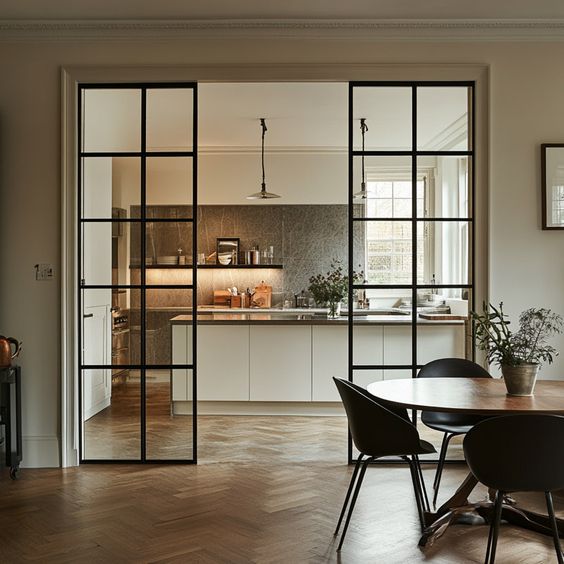
Image Source: andorwillow.com
Why Separate Kitchen and Living Spaces?
Many people like open rooms. They are good for families and parties. Everyone feels together. But there are reasons why you might want to create separation.
- Noise Control: Blenders, dishwashers, and cooking noises can be loud. You might want quiet in the living room.
- Smell Control: Cooking smells travel far in open spaces. You might not want dinner smells lingering in the living room.
- Visual Order: A messy kitchen can be seen from the living room. Hiding it can make your home feel tidier.
- Making Zones: Division helps make different parts of the large room feel like their own spaces. This is how to create zones in open plan living areas.
- Privacy: You might want a little privacy in one area while others use the other.
Adding a kitchen living room divider helps solve these issues. It creates a living room kitchen barrier. Let’s look at different ideas.
Looking at Different Ideas for Division
There are many ways to divide your open space. Some are lasting. Some are easy to change. You can add a physical barrier. Or you can use things that just make the areas look different.
Physical Barriers: More Solid Ways to Divide
These methods use real objects or structures to create separation. They act as a room divider for open concept spaces.
Adding a Kitchen Island or Peninsula
A kitchen island or a peninsula (an island attached to a wall) is a common way to divide the space. It is a strong living room kitchen barrier.
- How it works: The island stands between the kitchen and the living area. It has cabinets or shelves. The side facing the living room can be a seating area.
- Benefits:
- Adds work space in the kitchen.
- Adds storage.
- Offers casual seating.
- Clearly defines the kitchen edge.
- It’s a natural spot for people to gather.
- Things to think about:
- Needs space. A large island might block the flow.
- Can be costly to add later.
- It’s a permanent change.
- Types of Islands:
- Fixed Islands: Built in place. Often have power outlets. Can hold sinks or cooktops. They make a clear division.
- Movable Islands: On wheels. Can be moved around. Less of a strong barrier. But more flexible. Often smaller.
An island or peninsula is a functional and stylish kitchen living room divider idea. It works well in many homes.
Building a Low Wall or Pony Wall
A low wall does not go all the way to the ceiling. It’s often called a pony wall or half wall. This is one of the great partition wall ideas kitchen living room planners use.
- How it works: A wall is built part-way up. It separates the kitchen from the living room.
- Benefits:
- Creates a strong sense of division.
- Can hide the lower part of the kitchen, like counters or clutter.
- Lets light pass over it.
- People can talk over it.
- Can be used for seating on the living room side. Or you can put a console table against it.
- Things to think about:
- Needs building work.
- It’s a permanent change.
- Can feel a bit closed off compared to a full open space.
- Using the Top: The top of a pony wall can be a shelf. You can put plants, photos, or art there. This adds style and purpose to the partition wall ideas kitchen living room design includes.
Low walls are good for a clear living room kitchen barrier without blocking all light and connection.
Adding Built-in Shelves or Cabinets
Tall, open shelving units or closed cabinets can divide the space. They can go from the floor part-way up or all the way to the ceiling.
- How it works: A tall unit stands between the two areas. It creates a wall of storage or display space.
- Benefits:
- Adds lots of storage or display spots.
- Can look nice from both sides (especially open shelves).
- Provides a strong visual barrier.
- Lets light through if it’s open shelving.
- Can be used to display plants, books, or decor.
- Things to think about:
- Tall units can make the space feel smaller.
- Needs to be chosen carefully to match the style of both rooms.
- Requires careful placement to avoid blocking pathways.
- Fixed units require installation.
Built-in units are a functional kitchen living room divider idea. They offer storage and separation at the same time.
Using Sliding or Folding Doors
Doors that slide or fold can close off the kitchen completely when needed. Then they can be opened to connect the spaces. These act as a screen divider for kitchen and living room areas.
- How it works: Doors are put on a track. They slide into a pocket in the wall or along the wall. Or they fold up neatly.
- Benefits:
- Can completely separate the rooms. Blocks sights, smells, and some noise.
- Can be fully opened to bring back the open feel.
- Adds a modern or unique design element.
- Works well for hiding kitchen mess.
- Things to think about:
- Can be expensive to install.
- Needs space for the doors to slide or fold.
- Requires building work.
- Less flexible than temporary options.
- Materials: Doors can be glass (lets light through), wood (more solid), or other materials. A glass screen divider for kitchen and living room keeps the light flow.
Sliding or folding doors offer the most flexibility between open and closed plans. They are a smart kitchen living room divider idea for people who want both options.
Temporary or Flexible Dividers: Easy to Add or Change
These methods are not fixed structures. You can add them easily. You can also change them or move them. They offer temporary room dividers.
Screen Dividers
Folding screens are a classic way to divide a room. They are easy to move and set up. They are a simple screen divider for kitchen and living room spaces.
- How it works: A screen stands in the middle of the room or near the kitchen edge. It blocks the view partly or fully.
- Benefits:
- Very easy to add or remove.
- No installation needed.
- Comes in many styles, colors, and materials.
- Can be used to hide specific areas, like a messy counter.
- Relatively low cost.
- Things to think about:
- Does not block noise or smells.
- Can be knocked over.
- Provides visual separation kitchen living room areas. But not a solid barrier.
- Types: Screens can be made of wood, fabric, paper, metal, or other things. Some have solid panels. Some are see-through. A fabric screen divider for kitchen and living room areas can add softness.
Screen dividers are good temporary room dividers. They add privacy and style quickly.
Using Curtains or Blinds
Fabric curtains or vertical blinds hung from the ceiling can create a soft division.
- How it works: A track is put on the ceiling. Curtains or blinds hang down. They can be pulled open or closed.
- Benefits:
- Softer look than hard barriers.
- Can be easily opened or closed.
- Adds texture, color, and pattern.
- Helps soften echoes in large rooms.
- Easier to install than solid walls.
- Things to think about:
- Don’t block smells or noise well.
- Need cleaning.
- Might not look right in all styles of homes.
- They are temporary room dividers. But the track is fixed.
Curtains offer a flowy, flexible room divider for open concept spaces.
Adding Large Plants or Plant Stands
Big potted plants or a line of plants on a stand can create a natural, living barrier.
- How it works: Place large plants or a plant stand between the two areas. The plants create a green wall.
- Benefits:
- Brings nature inside.
- Improves air quality (some plants do).
- Adds life and color.
- Creates a soft, attractive division.
- Easy to move plants if needed.
- Things to think about:
- Needs plant care (watering, light).
- Doesn’t block much visually.
- Doesn’t block noise or smells.
- Might not be suitable for homes with pets that chew plants.
Plants are a lovely, natural visual separation kitchen living room idea. They add beauty and life.
Movable Storage Units
Units like bookshelves on wheels or rolling carts can be used as temporary room dividers.
- How it works: A unit is placed where you want the division. It can be moved later.
- Benefits:
- Adds storage.
- Can be moved easily.
- Comes in many sizes and styles.
- Offers some visual block.
- Things to think about:
- Might need to be heavy enough not to tip.
- Less stable than fixed units.
- Still needs space to be moved.
Movable storage is a practical room divider for open concept spaces, adding function and flexibility.
Visual Dividers: Separating Without Physical Barriers
These methods don’t use objects that block the path. They use design elements to make the areas look separate. This is about creating visual separation kitchen living room areas.
Using Different Flooring
Changing the floor type or color from one area to the next marks the line between spaces.
- How it works: The kitchen floor might be tile. The living room floor might be wood or carpet. The change in material marks the boundary.
- Benefits:
- Clear visual line.
- Different floors are good for different uses (tile is good in kitchens for spills).
- It’s a permanent part of the home’s design.
- Things to think about:
- Requires major renovation if floors are already in place.
- Doesn’t block anything physically.
- Can feel less like a “division” and more like a clear boundary.
Different flooring is a strong visual separation kitchen living room technique. It helps how to create zones in open plan layouts from the ground up.
Placing Rugs
Putting a large rug in the living area helps define that space. It sets it apart from the kitchen area.
- How it works: A rug is placed under the furniture in the living room. It creates a soft zone.
- Benefits:
- Easy to add or change.
- Adds color, texture, and warmth.
- Helps define the living zone.
- Makes the living area feel cozier.
- No installation needed.
- Things to think about:
- Doesn’t block anything physically.
- Needs cleaning.
- Choose a rug that is big enough to include the main furniture pieces.
Rugs are a simple, effective visual separation kitchen living room idea. They help how to create zones in open plan living easily.
Using Different Lighting
Different types of lights in each area help define them as separate zones.
- How it works: The kitchen might have bright task lights (like spotlights over counters). The living room might have softer mood lighting (like lamps). A pendant light over an island also marks the kitchen zone.
- Benefits:
- Defines zones without physical barriers.
- Creates the right mood for each activity (cooking vs. relaxing).
- Adds style.
- Improves how the spaces work.
- Things to think about:
- Requires planning during building or renovation for fixed lights.
- Lamps can be added anytime.
- Doesn’t block anything visually during the day if lights are off.
Lighting is a great way to create visual separation kitchen living room areas. It helps how to create zones in open plan spaces using light and shadow.
Painting Walls Differently or Using Wall Treatments
Using different paint colors or adding wallpaper to one area can define it.
- How it works: Paint the kitchen walls a different color than the living room walls. Or add wallpaper or a special finish to the living room wall that faces the kitchen.
- Benefits:
- Clearly defines the edge of a zone.
- Adds personality and style.
- Relatively low cost for paint.
- Can be changed later.
- Things to think about:
- Doesn’t block anything physically.
- The color or pattern change should make sense with the overall style.
- Needs painting work.
Different wall treatments create strong visual separation kitchen living room areas. They are another way how to create zones in open plan spaces using color and texture.
Arranging Furniture
How you place your furniture is key in an open plan. You can use furniture to create a living room kitchen barrier. This is a major part of furniture layout open concept design.
- How it works: Use the backs of sofas, chairs, or console tables to form the edge of the living room zone. Face the sofa away from the kitchen. Put a console table behind the sofa.
- Benefits:
- Uses furniture you already have.
- No extra cost unless you buy new furniture.
- Easy to change.
- Helps define the living area clearly.
- Keeps the open feel while showing where one area ends and the next begins.
- Things to think about:
- Needs furniture that works from all sides (like a sofa with a nice back).
- Might block pathways if not planned well.
- Doesn’t block sounds or smells.
Using furniture layout open concept is a simple and effective way to create zones. It’s a foundational kitchen living room divider idea. You can place a sofa table behind your couch. This adds a surface and acts like a low wall.
Bringing Ideas Together
You don’t have to use just one idea. You can mix and match. For example:
- Use an island (physical barrier) with different flooring around it (visual barrier).
- Use a sofa to define the living area (furniture layout) and add a large rug (visual barrier) within that area.
- Use a screen divider for kitchen and living room temporary separation. Add targeted lighting to each zone.
Mixing ideas helps create layers of separation. It makes the zones feel more distinct.
Thinking About What Works Best for You
Choosing the right kitchen living room divider depends on your needs, space, and budget.
- Your Goal: Do you want to hide the kitchen completely? Or just make the areas look different? If you want to hide the kitchen, sliding doors or a taller wall might be best. For just visual cues, rugs, paint, or furniture layout open concept works well.
- Your Space: How big is the room? A large island needs a large room. A screen divider might work in a smaller space. Consider how people move through the room. Don’t block main paths.
- Your Budget: Building walls or adding fixed islands is costly. Temporary room dividers like screens, curtains, or rugs are cheaper. Using furniture you have is free!
- Your Style: The divider should match your home’s look. A modern screen, a rustic wood wall, or a classic rug – pick what fits.
- Are You Renting? If you rent, you can’t make big changes. Temporary room dividers are perfect. Furniture layout open concept, rugs, plants, and screen dividers are good choices. Owners can do more permanent things like walls or islands.
This table can help you compare different methods:
h4>Comparing Different Divider Methods
| Method | Type of Separation | Blocks Sights? | Blocks Smells/Noise? | Permanence | Cost Range | Best For… |
|---|---|---|---|---|---|---|
| Kitchen Island/Peninsula | Physical/Visual | Partially | No | Permanent | High | Adding function, clear zone, space available |
| Low Wall (Pony Wall) | Physical/Visual | Partially | No | Permanent | Medium/High | Clear boundary, partial view block |
| Built-in Shelves/Cabinets | Physical/Visual | Depends on type | No | Permanent | High | Adding storage, strong visual block (if solid) |
| Sliding/Folding Doors | Physical | Yes (when closed) | Yes (some) | Permanent | High | Full separation option, hides kitchen |
| Screen Divider | Physical/Visual | Partially/Yes | No | Temporary | Low/Medium | Quick change, style, visual block |
| Curtains/Blinds | Physical/Visual | Partially/Yes | No | Temporary | Low/Medium | Soft look, easy to open/close |
| Large Plants | Visual | Partially | No | Temporary | Low/Medium | Natural look, soft boundary |
| Movable Storage Units | Physical/Visual | Partially/Yes | No | Temporary | Low/Medium | Adding storage, flexible placement |
| Different Flooring | Visual | No | No | Permanent | Medium/High | Defining boundary from floor |
| Rugs | Visual | No | No | Temporary | Low/Medium | Defining living zone, adding comfort |
| Different Lighting | Visual | No | No | Permanent/Temp | Low/High | Creating different moods and zones |
| Different Wall Colors/Treat | Visual | No | No | Permanent/Temp | Low/Medium | Strong visual boundary on walls |
| Furniture Layout | Visual/Physical | Partially | No | Temporary | Low | Easy to change, uses existing items |
This table helps see which kitchen living room divider ideas fit your needs. Thinking about these points helps you pick the best room divider for open concept living.
More Details on Popular Divider Ideas
Let’s look deeper into some common and flexible options.
Exploring Screen Dividers More
A screen divider for kitchen and living room use is very versatile. They are not heavy. You can move them if you change your mind.
h5>Types of Screens
- Folding Screens: These have panels joined together. They fold up small for storage. You can make them zigzag to stand up. They come in 3, 4, 5, or more panels.
- Hanging Screens: These hang from the ceiling. They can be made of wood, metal, beads, or fabric. They divide the space but often let light and air through. They create visual separation kitchen living room spaces.
- Sliding Screens: Like sliding doors but often lighter. They hang from an overhead track. They can be slid open or closed.
h5>Materials for Screens
- Wood: Can be solid, carved, or slatted. Offers a natural or classic look.
- Fabric: Stretched over a frame or hanging loosely. Adds softness and color. Can be see-through or opaque.
- Paper: Often used in Japanese-style screens (shoji screens). Lets diffused light through. Offers a simple, clean look.
- Metal: Can be solid panels or open metalwork patterns. Adds a modern or industrial feel.
- Other: Bamboo, beads, ropes, or even recycled materials can be used to make unique screens.
A screen divider for kitchen and living room use is a great temporary room divider. It adds style and function without major work.
Learning About Furniture Layout in Open Plans
Using your furniture smartly is one of the easiest ways how to create zones in open plan spaces. It costs nothing if you use what you have. It relies on clever furniture layout open concept principles.
h5>Using Sofas and Chairs
Place the main sofa to face away from the kitchen. This clearly marks the edge of the living room area. Put chairs facing the sofa or angled inwards. This creates a cozy seating group within the larger space. The back of the sofa becomes a living room kitchen barrier.
h5>Adding Console Tables or Bookcases
Place a low console table or a narrow bookcase behind the sofa. This finishes the back of the sofa nicely. It also adds a surface for lamps, books, or decor. It makes the division clearer. It acts like a low wall.
h5>Creating Walkways
Make sure your furniture arrangement still allows for clear paths to walk through the space. Don’t block the flow between the kitchen and living areas too much. Good furniture layout open concept design guides movement.
Using furniture is a simple yet powerful kitchen living room divider idea. It shapes how people use and see the space.
Thinking About Partition Wall Ideas
Partition walls don’t have to be full, solid walls. Low walls or clever built-ins are popular partition wall ideas kitchen living room planners use.
h5>Low Walls with Purpose
A low wall can be more than just a barrier.
* Counter Height: A common height. Can extend the kitchen counter space. Or be a bar on the living room side.
* Sofa Back Height: A wall built to the height of a sofa back feels natural next to furniture.
* With Built-in Features: The wall can have shelves built into it. Or a space for a TV on the living room side. This adds function to the living room kitchen barrier.
h5>Clever Built-in Units
Instead of a wall, you can build a unit that serves a purpose.
* Fireplace Unit: A unit with a fireplace visible from both sides (or a solid back). It heats the living room and acts as a major focal point and divider.
* Entertainment Unit: A large unit holding a TV, media equipment, and shelves. It clearly divides the space and serves the living room.
* Combined Storage and Seating: A unit that has storage on the kitchen side and bench seating on the living room side. Very functional!
These partition wall ideas kitchen living room spaces use are more permanent. They need planning and building work. But they offer strong, functional divisions.
Visual Separation with Style
Using color, light, and texture creates visual separation kitchen living room spaces can benefit from without losing the open feel.
h5>Color and Paint Zones
Pick a main color scheme for the whole open space. Then, choose colors within that scheme that differ slightly for the kitchen and living areas. Or use a bold accent wall in the living room to make it stand out from the kitchen.
h5>Lighting Layers
Think about the feeling you want in each area.
* Kitchen: Bright, clear task lighting over counters and the island.
* Dining Area (if any): A pendant light or chandelier over the table defines this spot.
* Living Room: Softer ambient light from lamps, perhaps some accent lighting on artwork. Dimmer switches are useful here.
This layered lighting creates zones that feel different at different times of the day.
h5>Defining with Texture
Use different materials on walls or in decor.
* A different backsplash tile in the kitchen.
* A feature wall with brick or wood panels in the living room.
* Different fabrics on furniture and cushions in each area.
These visual cues signal a change in space. They help how to create zones in open plan layouts in subtle ways.
Making the Choice
Deciding how to divide your open plan kitchen and living room is exciting. Think about how you use the space now. Think about how you want to use it in the future.
- Do you cook often and make a lot of mess or noise? A more solid barrier like an island or sliding doors might help.
- Do you mostly want to make the living area feel cozier and separate from the view of the kitchen? Furniture, rugs, and lighting are good options.
- Is your budget small? Furniture, rugs, plants, or simple screens are low-cost ways to add division.
- Do you plan to live there a long time? Permanent changes like walls or islands might be worth the cost. If you might move or like to change things often, temporary room dividers are better.
Look at photos online for inspiration. See how other people have used kitchen living room divider ideas. Imagine the different solutions in your own home.
Putting it All Together
An open plan layout is great for connecting people. But adding some division can make the space work even better. You can control noise, smells, and visual clutter. You can make different zones for different uses.
Whether you choose a solid living room kitchen barrier like an island, a flexible screen divider for kitchen and living room use, or just clever furniture layout open concept design, you can improve your home. You have many choices, from simple visual separation kitchen living room ideas like rugs and paint to more complex partition wall ideas kitchen living room building might involve.
Think about what level of separation you need. Think about your style and budget. You can find the perfect way to divide your open plan kitchen and living room. You can create spaces that are both open and distinct.
Frequently Asked Questions (FAQ)
h4>What is the easiest way to divide an open plan kitchen and living room?
The easiest ways are often temporary and visual. Using your existing furniture to create zones is very easy. Adding a large rug in the living area or placing a simple screen divider are also quick and easy methods. Using plants or arranging decor items on a console table behind a sofa works well too.
h4>How can I divide my rented open plan apartment?
Renters need solutions that don’t make permanent changes. Great options include using furniture layout open concept arrangements, adding temporary room dividers like screens or curtains, using rugs to define areas, placing large plants, or using movable storage units. You can also use art and lighting to create visual zones without altering the structure.
h4>Does a kitchen island really help divide the space?
Yes, a kitchen island is one of the most common and effective ways to create a living room kitchen barrier. It provides a clear line between the two areas. It also adds workspace, storage, and seating, making it a functional divider.
h4>Can I divide the space without blocking light?
Absolutely. Many kitchen living room divider ideas allow light to pass through. Examples include low pony walls (light passes over the top), open shelving units, glass sliding doors, hanging screens (like beads or open patterns), plants, curtains made of sheer fabric, and visual methods like different flooring, rugs, or lighting.
h4>What are partition wall ideas for kitchen and living room?
Partition wall ideas include building a low wall (pony wall) that doesn’t go to the ceiling. Another idea is a partial wall with an opening or a window. You can also build units that serve as walls, like floor-to-ceiling open bookshelves or a fireplace unit. These walls can include built-in shelves or cabinets for extra function.
h4>How do I use furniture layout open concept to divide rooms?
Arrange large furniture pieces, like sofas and chairs, to face inwards to the living area and have their backs towards the kitchen. This creates a defined “room” feel for the living space. Placing a console table or bench behind the sofa further strengthens this boundary, acting as a low living room kitchen barrier. Make sure there are still clear paths for walking.
h4>What is visual separation kitchen living room?
Visual separation means making the areas look different without a physical barrier that blocks movement or light. Methods include using different paint colors or wall treatments, different flooring or rugs, different lighting styles (bright kitchen lights, softer living room lamps), and using artwork or decor placement to define zones. This helps how to create zones in open plan spaces using design elements.
h4>Are temporary room dividers strong enough to block sounds or smells?
Generally, temporary room dividers like screens, curtains, or plants do not block sounds or smells effectively. They are mainly for visual separation kitchen living room areas. To block noise and smells, you need a more solid barrier like a full or partial wall, or sliding/folding doors that can be closed.
h4>How can I make zones in an open plan space?
You can make zones using various methods or a combination of them. Use kitchen living room divider ideas like islands or low walls. Use furniture layout open concept to group seating. Use visual cues like rugs, different lighting, or paint colors. The key is to define areas for different uses, even if they are part of one large room.
h4>Is a screen divider for kitchen and living room a good idea for small spaces?
Yes, a screen divider can be a good temporary room divider for small spaces. It doesn’t take up much floor space when folded or placed. It offers a visual break without making the room feel totally closed off. However, in a very small space, even a screen might feel like clutter if not chosen carefully.