Can I really cool down my outdoor kitchen? Yes, you absolutely can! Cooking outside feels great. But summer heat can make it tough. The sun beats down. Your grill makes things hotter. It makes you want to go inside. But you don’t have to! You can make your outdoor kitchen a cool place to be. This guide shows you how. We look at simple ways. We look at smart tools. The goal is for you to stay cool outdoor living. This lets you enjoy your space even on hot days.
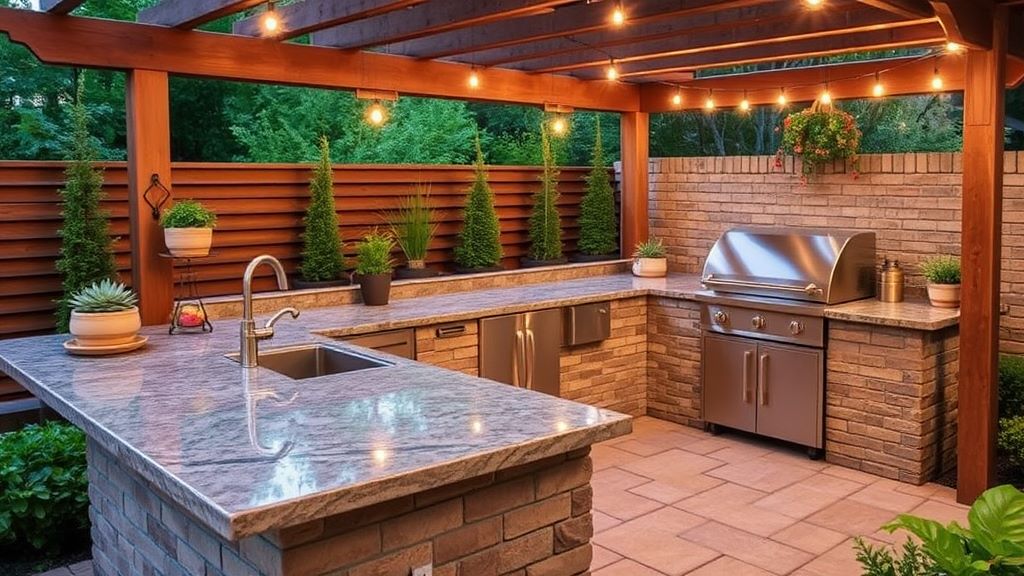
Image Source: gwsmasonry.com
Grasping Why Outdoor Kitchens Get So Hot
Before we cool things down, let’s see why they heat up. Two big things make your outdoor kitchen hot.
One is the sun. It shines bright. It sends heat waves. These waves hit your patio. They hit your counter. They hit you! Everything gets warm. The air gets warm too. Direct sun is a main problem.
The second thing is your grill or stove. Cooking makes heat. Lots of heat! This heat rises. If it has nowhere to go, it just stays there. It makes the air around your cooking area very warm.
Put the sun and the grill together, and you get a really hot spot. We need ways to fight both kinds of heat.
Simple Ways to Block the Sun: Shade Power
Blocking the sun is the first and best step. If the sun’s rays don’t hit you or your kitchen, things stay much cooler. Good outdoor kitchen shade structures are key. They stop the heat before it starts.
Different Kinds of Shade
There are many ways to make shade. Some are simple covers. Some are built-in parts of your kitchen.
- Solid Roofs: This is like having a roof over your house. It blocks all the sun. It also keeps rain off. This makes your outdoor kitchen usable in more kinds of weather. A solid roof can be part of your home. Or it can be a standalone structure.
- Pergolas: Pergolas are popular. They have a frame with beams across the top. They give some shade. They let some sun through. They look nice. For more shade, you can add things to the top. These are pergola shade ideas. You can put fabric covers on the beams. Or grow plants up the sides and over the top. Vines make lovely, natural shade.
- Awnings: Awnings attach to your house or a structure. They can be pulled out when you need shade. You can fold them back when you want sun. They come in different sizes and colors. Some are manual. Some use a motor.
- Shade Sails: These are pieces of fabric. They are stretched tight between posts or walls. They come in cool shapes like triangles or squares. They give good shade. They look modern. They let air move freely under them.
- Gazebos: A gazebo is like a small, open building. It usually has a solid roof. It can have open sides. Or it can have screens. It offers full shade and can be a good spot for an outdoor kitchen or seating area.
Placing Your Kitchen for Natural Shade
Think about where the sun goes during the day. The afternoon sun is often the hottest. If you can, build your outdoor kitchen where it will be in the shade later in the day. Maybe under a big tree. Or on the side of your house that faces north (in the Northern Hemisphere). This is part of cool outdoor kitchen design. Thinking about the sun’s path helps a lot.
Using Plants for Shade: Green Power
Plants are a natural way to get shade. Landscaping for outdoor kitchen shade makes your space look nice too.
- Trees: Planting trees near your outdoor kitchen works over time. Trees with big leaves are best. They cast a wide shadow. Think about where the tree’s shadow will be when the sun is highest or hottest. Make sure the tree is a good kind for your area. Pick one that grows well there. Trees take time to grow big enough to give lots of shade. But they are worth the wait.
- Vines: Growing vines on a pergola or a wall adds shade. They make a green roof or wall. This helps block the sun. It also makes the air feel a bit cooler around the plants.
- Tall Bushes or Hedges: These can block low sun. Or they can block heat that bounces off a hot wall or fence. Placing them wisely helps make the space feel cooler and more private.
Using plants is a soft way to get shade. It makes your outdoor area feel calm and cool.
Letting Heat Escape: Ventilation
Your grill makes hot air. This hot air needs to go away. This is called ventilation for outdoor cooking areas.
- Vent Hoods: A vent hood goes over your grill. It has a fan inside. The fan pulls up the hot air and smoke from the grill. It pushes this hot air away from your cooking spot. This makes the air right where you stand much more comfortable. A good vent hood is a must for serious outdoor cooking.
- Open Design: An open outdoor kitchen lets air move easily. If there are walls on only one or two sides, hot air can move up and away. If your kitchen is in a corner with walls on three sides and a roof, hot air might get trapped. Try to keep the sides open.
- Vents in Roofs: If you have a solid roof, adding vents can help. Hot air rises to the roof. Vents let it escape outside. This stops hot air from sitting right over your head.
Good ventilation does not cool the air itself. But it removes the hot air from cooking. This stops that heat from adding to the overall temperature in your space.
Making Air Move: Fans
Moving air feels cooler. Even if the air temperature is the same, a breeze helps sweat dry off your skin. This makes you feel cooler. Fans are a great way to create a breeze.
Outdoor Ceiling Fans
These fans hang from a roof or pergola. They are like indoor ceiling fans, but stronger. They are made to be outside. This means they can handle water and sun. Look for outdoor ceiling fans heat reduction in your space. They move air down and around. Place them where you cook. Or over your dining table. Or over your seating area. They make the space feel much more pleasant. Make sure they are rated for outdoor use (damp or wet rated).
- Damp Rated: Good for covered areas where they won’t get direct rain.
- Wet Rated: Good for areas where they might get wet, like an open patio.
Choose a fan size that fits your space. A big fan in a small space might be too much. A small fan in a big space won’t do much. The package will usually tell you what room size the fan is good for. Think about your outdoor “room.”
Other Types of Outdoor Fans
- Pedestal Fans: These stand on the ground. You can move them where you need them. They are good for directing air flow to a specific spot.
- Wall-Mounted Fans: These attach to a wall or post. They save floor space.
- Portable Fans: Small fans you can put on a counter or table. Good for one person.
Any fan that moves air will help. The goal is to create that feeling of a breeze.
Using Water to Cool Air: Evaporation
Water needs heat to turn into a gas (vapor). When water evaporates, it takes heat from the air. This makes the air cooler. You can use this idea to cool your outdoor kitchen. This works best in places with dry heat, like deserts. In places with humid air (air that already has lots of water), this method doesn’t work well. It might just make things feel sticky and wet.
Misting Fans
These are fans with tiny water sprayers. They make a super fine mist of water. The fan blows this mist out. The small water drops grab heat from the air to turn into vapor. This makes the air temperature drop. Misting fans outdoor kitchen solutions can lower the temperature by many degrees. It feels very cool and refreshing on a hot, dry day.
- How They Work: Water goes through small holes (nozzles). A pump makes the water pressure high. High pressure makes a very fine mist. The fan pushes the mist into the hot air. The mist evaporates fast. This cools the air.
- Types: You can get misting fans that stand on the ground. Or kits to add mist nozzles to a regular fan or a structure like a pergola.
- Important: Use clean water. The nozzles can get blocked. In humid places, they might make things damp instead of cool.
Evaporative Coolers
These are also called swamp coolers. They work like a big box fan with wet pads inside. A pump moves water up to the pads. The fan pulls hot, dry outdoor air through the wet pads. As the air passes through, the water on the pads evaporates. This cools the air. The fan then blows the cooler, moister air out.
Evaporative coolers outdoor units use less electricity than air conditioners. They work very well in dry climates. They add moisture to the air, which can be nice when the air is dry. But again, in humid places, they are not a good choice. They will just make the air feel heavy and damp.
- Size Matters: Get an evaporative cooler that is right for your space size. They are rated by how much air they move (CFM – Cubic Feet per Minute). A bigger number means it cools a larger area.
- Water Supply: They need a water source. Some have a tank you fill up. Others can connect to a garden hose for continuous water.
- Maintenance: The pads need to be kept clean. Sometimes they need to be replaced. The water in the tank needs to be fresh.
These water-based cooling methods are powerful. But remember, they are best for dry places. They are part of the many outdoor patio cooling solutions you can use.
Putting It All Together: Layers of Cool
The best way to cool your outdoor kitchen is often to use a mix of these ideas. Think of it like layers.
- First Layer: Block the Sun. Get good outdoor kitchen shade structures. This could be a roof, a pergola with a cover, or shade sails. Add landscaping for outdoor kitchen shade with trees or bushes. This stops the main source of heat.
- Second Layer: Move the Air. Add outdoor ceiling fans heat reduction under your shade structure. Or use other fans. Moving air helps you feel cooler, even if the air temperature doesn’t drop much.
- Third Layer: Cool the Air (if needed). If you live in a dry place and the first two layers are not enough, add a misting fan outdoor kitchen solution or an evaporative cooler outdoor unit. This will actually lower the air temperature.
This layered approach creates a really cool outdoor kitchen. It uses both passive methods (shade, design, plants) and active methods (fans, water coolers). It’s a smart way to make your space usable and comfortable all summer long.
Thinking About Your Cool Outdoor Kitchen Design
When planning or fixing up your outdoor kitchen, think about cooling from the start.
- Location: Where does the sun hit the hardest? Can you build in a spot that gets natural afternoon shade?
- Materials: Light colors reflect heat. Dark colors soak it up. Use lighter colors for counters, floors, and walls if you have them. Some materials stay cooler than others. Stone can get very hot. Wood might stay a bit cooler.
- Air Flow: How will air move through the space? Can you add vents? Is it open enough? Good ventilation for outdoor cooking areas helps with both heat and smoke.
- Space for Gear: If you plan to use fans or coolers, is there space for them? Can ceiling fans be safely installed? Is there power nearby?
Planning for cool outdoor kitchen design from the start saves trouble later.
Keeping Things Running: Care and Upkeep
Once you have your cooling systems, you need to take care of them.
- Shade Structures: Check for damage after storms. Clean fabric covers. Trim trees or vines that grow too much.
- Fans: Keep the blades clean. Dust can make them less effective. Make sure they are secure. Check wires are safe and rated for outdoor use.
- Misting Systems: Clean the nozzles often. They can get clogged by minerals in the water. Use a brush or a special cleaner. Drain the system in winter if you live where it freezes.
- Evaporative Coolers: Clean or replace the wet pads often. This keeps them working well and stops smells. Clean the water tank. Drain it for winter storage.
Regular care keeps your cooling tools working their best.
Choosing What Is Right for You: Factors to Consider
With so many outdoor patio cooling solutions, how do you pick? Think about these things:
| Factor | What to Think About | Examples of Solutions |
|---|---|---|
| Your Climate | Is it mostly dry heat or humid heat? | Dry heat: Misting fans, Evaporative coolers. Humid heat: Fans, Shade. |
| Your Money | How much can you spend? Some things cost more to buy. Some cost more to run. | Cheaper: Shade sails, Portable fans. More cost: Built-in roofs, High-end misting systems. |
| Your Space | How big is the area you need to cool? Is it open or covered? Is there power nearby? | Small spot: Single fan or mister. Large area: Multiple fans, Bigger cooler, Large shade structure. |
| Your Style | How do you want your outdoor kitchen to look? | Pergolas look natural. Shade sails look modern. Solid roofs look like a room. |
| How Much Effort | How much work do you want to do to keep it running? | Shade needs little daily effort. Misting/Evaporative need more care. |
Think about what is most important for your situation. Maybe start with shade. Then add a fan. See how that feels. You can add more later if you need to. The goal is to make your outdoor living space somewhere you want to be, even when it’s hot.
FAQs: Quick Answers
Here are answers to common questions about cooling outdoor kitchens.
Do misting fans make everything wet?
They can if the mist is not fine enough or if the air is already very humid. High-pressure misting systems make finer mist that evaporates faster, causing less wetness. In dry air, the mist evaporates well and usually doesn’t make things very wet, just cool.
Are evaporative coolers the same as air conditioning?
No. Air conditioners use special chemicals (refrigerants) and a closed system to remove heat and humidity. Evaporative coolers use water and evaporation. They add humidity to the air. AC is much more powerful but uses more energy and is not meant for open outdoor spaces. Evaporative coolers are better for semi-open or open spaces in dry climates.
How much shade is enough?
You need enough shade to cover the areas where you cook, eat, or sit during the hottest times of the day. Watch where the sun is highest and strongest (usually mid-day to late afternoon). Your shade should block the sun from these spots.
Can outdoor ceiling fans really cool the air temperature?
No, fans move air. They don’t lower the air temperature itself. But moving air helps sweat evaporate from your skin faster. This makes you feel much cooler. This is called the wind chill effect. So, while the air is the same temperature, you feel cooler.
Is landscaping for shade a lot of work?
Trees and large bushes need some care, like watering when young, and trimming now and then. But once they are set up, they provide shade year after year without needing electricity. It is a lower effort, natural cooling method compared to fans or misters that need power and more regular cleaning.
Bringing It All Together for a Cooler Space
Living outside is one of the great joys of having a home with a yard. But hot weather can make it hard to use your outdoor kitchen. By thinking about shade, air movement, and maybe using water-based cooling, you can make your space comfortable again.
Start with good outdoor kitchen shade structures. Add landscaping for outdoor kitchen shade. Make sure you have good ventilation for outdoor cooking areas. Then bring in active solutions like outdoor ceiling fans heat reduction. If your climate is dry, consider misting fans outdoor kitchen style or evaporative coolers outdoor units.
Mixing different outdoor patio cooling solutions often works best. Plan your cool outdoor kitchen design wisely. Take care of your cooling tools.
With the right steps, your open outdoor kitchen can be a cool and welcoming spot. You can cook, eat, and relax outside even when the sun is strong. Enjoy staying cool outdoor living!