Cleaning stainless steel in a commercial kitchen requires specific steps to keep it safe, shiny, and lasting a long time. How do you clean stainless steel in a commercial kitchen? The simple answer is to clean it often using the right tools and cleaners, making sure to remove all dirt and grease, rinse well, sanitize to kill germs, and dry thoroughly. Sometimes you’ll need to use a special polish to keep it looking its best and prevent marks. This detailed guide will show you the best ways to handle all your stainless steel surfaces and appliances, helping you maintain top commercial kitchen hygiene and meet important food service cleaning standards.
Stainless steel is a must-have in any commercial kitchen. It’s strong. It fights rust and stains well. Germs don’t easily stick to its smooth surface. This makes it great for worktops, sinks, fridges, ovens, and more. But even stainless steel needs regular, proper care. Wrong cleaning can cause scratches or leave dull marks. It can even lead to tiny rust spots over time. Following the right steps keeps your kitchen safe and looking professional.
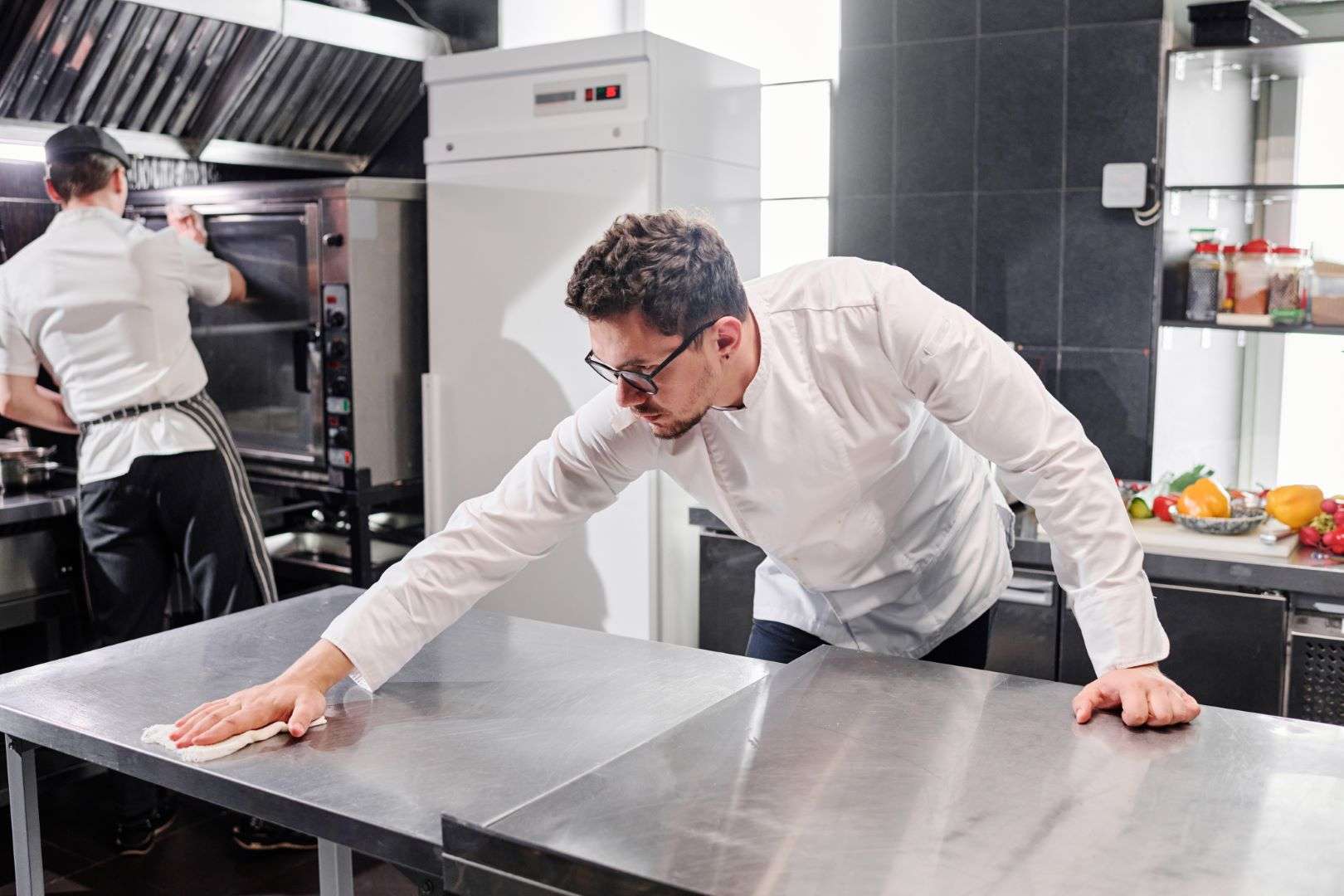
Image Source: safekitchens.com
Why Stainless Steel is Key in the Kitchen
Commercial kitchens use stainless steel a lot. Why?
* It’s tough: It can handle busy work every day.
* It’s clean: Its surface is not porous. This means bacteria and dirt can’t hide inside it.
* It lasts: It doesn’t easily rust or stain if cared for right.
* It looks good: A clean, shiny kitchen looks good to staff and inspectors.
But stainless steel has a grain, like wood. You need to clean along this grain. Cleaning against it can cause tiny scratches. These scratches can trap dirt and make the surface look dull. Also, fingerprints and water spots show up easily on stainless steel. Knowing how to clean it the right way is vital.
Your Daily Cleaning Steps
Every day, or even several times a day during busy periods, you need to clean stainless steel surfaces. This removes food bits, spills, and light grease before they cause bigger problems. This is a basic part of commercial kitchen cleaning.
Step 1: Clear the Surface
First, take off all items from the stainless steel area. Scrape any large food pieces or crumbs into the bin. Wipe away obvious spills with a paper towel.
Step 2: Wet the Surface
Use warm water to wet the area. This helps loosen some dirt and prepares the surface for cleaning.
Step 3: Apply a Cleaner
Use a cleaner made for kitchens. For daily cleaning, a mild dish soap mixed with warm water often works well. Spray the solution or dip a cloth into it. Apply it to the stainless steel. For areas with a bit more grease, a stainless steel degreaser might be needed even daily. This helps to remove grease from stainless steel effectively.
Step 4: Scrub Along the Grain
This is very important. Find the direction of the faint lines in the stainless steel. This is the grain. Use a soft cloth, sponge, or non-scratch scrubbing pad. Gently scrub the surface. Always move your hand in the same direction as the grain. If you scrub against the grain, you risk making small scratches. These scratches are hard to get out. They can make the surface look dull over time. Scrub all parts of the surface, sink, or appliance. Make sure you clean stainless steel appliances like fridges and ovens following their specific grain too.
Step 5: Rinse Thoroughly
Rinse the cleaner off completely. Leftover soap or cleaner can leave streaks or a sticky film. Use clean, warm water. Wipe down the surface with a clean cloth dipped in plain water. Rinse the cloth often. Or, if it’s a sink, just rinse it well with running water.
Step 6: Dry Immediately
This step is critical. Water left on stainless steel can dry and leave water spots. Use a clean, dry microfiber cloth. Wipe the entire surface down right away. Dry along the grain, just like you scrubbed. A microfiber cloth is great because it soaks up water well and doesn’t leave lint behind. Drying also helps prevent streaks and keeps the stainless steel shiny.
Step 7: Inspect Your Work
Look closely at the surface. Are there any spots you missed? Are there streaks? If so, repeat the rinse and dry steps in those areas.
Handling Tougher Stains
Sometimes, daily cleaning isn’t enough. Greasy buildup, water marks, or fingerprints can need extra effort. Knowing how to remove grease from stainless steel and tackle other specific stains is key.
Grease That Won’t Budge
Heavy grease is common around stoves, fryers, and ventilation hoods.
* Use a good quality stainless steel degreaser. These products are made to cut through grease.
* Read the degreaser’s instructions. Some need to sit for a few minutes.
* Apply the degreaser to the greasy area.
* Scrub along the grain with a non-scratch pad or brush.
* Rinse thoroughly with clean water.
* Dry right away with a microfiber cloth.
* You might need to do this a few times for very thick grease.
Water Spots and Mineral Buildup
Hard water can leave mineral deposits and spots when it dries. This is often called stainless steel water spots removal.
* For light spots: Try wiping with a cloth dampened with white vinegar. Vinegar is acidic and helps break down mineral deposits.
* Wipe along the grain.
* Rinse very well with clean water.
* Dry immediately with a microfiber cloth.
* For tougher spots: You can make a paste with baking soda and a little water. Apply the paste to the spot. Let it sit for a short time.
* Gently rub the paste into the spot, following the grain, using a soft cloth.
* Rinse completely.
* Dry right away.
* Never scrub hard with baking soda paste, as it can be slightly abrasive. Use it gently.
Fingerprints and Smudges
Stainless steel loves to show fingerprints.
* For light prints: Sometimes just wiping with a clean microfiber cloth can remove them.
* For more stubborn prints: Use a small amount of window cleaner or a dedicated stainless steel cleaner/polish spray.
* Spray onto a cloth, not directly onto the surface (this avoids streaks).
* Wipe the surface along the grain.
* Buff dry with a clean, dry part of the cloth.
Heat Tints and Discoloration
High heat can sometimes cause stainless steel to turn a golden or blue color. This is called heat tint.
* Heat tint is oxidation. It can be hard to remove completely.
* You can try a cleaner made specifically for removing heat tint from stainless steel.
* Follow the product instructions carefully.
* Some people use a paste of baking soda and water, applied gently along the grain. This is less likely to work on severe tint.
* Rinse very well and dry.
* Preventing heat tint is easier than removing it. Avoid letting stainless steel cookware heat up empty for too long. Clean up spills quickly on hot surfaces.
Rust Spots
Good quality stainless steel should not rust easily. If you see rust spots, they might be from:
* Iron particles landing on the surface (like from steel wool or rusty water).
* Damage to the protective layer of the stainless steel.
* Using cleaners with chlorides (like some bleach products) that sit on the surface too long.
* To remove light rust spots:
* Try a paste of baking soda and water. Rub gently along the grain with a soft cloth.
* Special rust removers for stainless steel exist. Use them carefully and follow instructions.
* Never use steel wool. It leaves iron particles that will rust and scratch the surface badly.
* Rinse completely and dry the area right away.
Sanitize After Cleaning
Cleaning removes dirt and grease. But it doesn’t always kill all the germs. In a commercial kitchen, killing germs (sanitizing) after cleaning is a critical step for public health and meeting food service cleaning standards. You must sanitize kitchen equipment and surfaces that touch food or could be touched by people handling food.
Why Sanitize?
- To kill bacteria and viruses that cleaning might leave behind.
- To prevent the spread of foodborne illnesses.
- To meet local health codes and commercial kitchen hygiene requirements.
How to Sanitize Stainless Steel
Sanitizing happens after the surface is clean and rinsed. Dirt and grease can stop sanitizers from working right.
- Choose Your Sanitizer: Common sanitizers in commercial kitchens are:
- Quaternary Ammonium Compounds (Quats)
- Chlorine-based sanitizers (like diluted bleach)
- Iodine-based sanitizers (less common now)
- Follow the product label exactly for mixing instructions. Too strong can be unsafe; too weak won’t kill germs. The right concentration is key.
- Apply the Sanitizer: You can spray the sanitizer solution onto the clean stainless steel surface or wipe it on with a cloth soaked in the solution. Make sure the entire surface that needs sanitizing is wet with the solution.
- Allow Contact Time: Sanitizers need time to work. The product label will state the required contact time. This is usually between 30 seconds and a few minutes. Do not wipe the sanitizer off during this time. Let it air dry if the label allows, or follow instructions for rinsing.
- Rinse (If Needed): Some sanitizers require a final rinse with clean water, especially for surfaces that will touch food. Others, like some Quats at the correct dilution, are designed as a “no-rinse” sanitizer. Always check the product label.
- Air Dry: It’s best to let sanitized surfaces air dry if possible. Wiping with a towel, even a clean one, can sometimes put germs back onto the surface. If you must dry (e.g., for equipment that needs to be used right away), use a designated clean, dry cloth only for this purpose.
Sanitizing Specific Stainless Steel Items
- Worktops: Clean, rinse, then apply sanitizer. Let it sit for the required time, then rinse if needed and air dry.
- Sinks: Clean well, rinse, then fill with or apply sanitizer solution. Make sure all surfaces get contact time. Drain, rinse if needed, and air dry.
- Equipment (Mixers, Slicers, etc.): After cleaning and rinsing removable parts, soak or spray them with sanitizer according to instructions. Allow contact time. Reassemble or store properly. For non-removable parts, wipe with sanitizer, allow contact time, and rinse if needed. This is how you sanitize kitchen equipment made of stainless steel.
Deep Cleaning Commercial Kitchen Stainless Steel
Daily cleaning keeps things tidy, but a deep cleaning commercial kitchen effort tackles buildup in hard-to-reach places and areas that might get missed daily. Deep cleaning should happen regularly, perhaps weekly or monthly, based on kitchen traffic and what areas need it.
Deep cleaning goes beyond the surface. It means looking at:
* Spaces between equipment.
* Underneath counters and appliances.
* Inside ovens (stainless steel parts).
* Ventilation hoods and filters.
* Legs and bases of stainless steel tables and equipment.
The process for deep cleaning stainless steel parts is similar to daily cleaning but more thorough.
* Use Stronger Cleaners: You might use a more potent stainless steel degreaser for heavy grease buildup. Follow product instructions and safety warnings carefully.
* More Scrubbing Power: You might need slightly stiffer brushes (still non-scratch!) to get into corners and remove stubborn grime.
* Dismantle Where Possible: If parts of stainless steel equipment can be safely taken apart (like shelving or parts of a slicer), take them apart to clean every surface.
* Focus on Hidden Areas: Look for grease and grime where walls meet floors, around equipment legs, and inside equipment doors and seals.
* Rinse and Sanitize Fully: After using stronger cleaners and getting into all the nooks, ensure you rinse away all chemical residue. Then, sanitize every surface you’ve cleaned, paying attention to contact times.
* Check Drains: Clean stainless steel drains in sinks thoroughly.
Deep cleaning helps maintain overall commercial kitchen hygiene and prevents buildup that can become a breeding ground for pests and bacteria. It’s a key part of meeting food service cleaning standards.
Tools and Products for Cleaning Stainless Steel
Using the right tools and products is vital. The wrong ones can damage the stainless steel surface.
Recommended Tools:
- Microfiber Cloths: Excellent for cleaning, rinsing, drying, and buffing. They are soft and highly absorbent. Use separate cloths for cleaning and drying/polishing to avoid spreading residues.
- Soft Sponges: Good for applying cleaners and light scrubbing. Make sure they are clean and free of grit.
- Non-Scratch Scrub Pads: For tougher spots and grease. Look for pads specifically marked as safe for stainless steel or non-scratch. White or blue pads are usually safe; green or black pads are often too abrasive.
- Soft Brushes: Useful for getting into corners and edges or cleaning textured stainless steel surfaces (like some equipment bases).
- Spray Bottles: For applying cleaning and sanitizing solutions evenly. Label them clearly!
- Buckets: For mixing cleaning or sanitizing solutions and rinsing cloths.
Recommended Products:
- Mild Dish Soap: Good for everyday cleaning.
- Commercial Kitchen Cleaner/Degreaser: Specifically formulated to cut through grease and grime common in kitchens. Look for a good stainless steel degreaser.
- Vinegar: Useful for water spots, but remember to rinse well afterward as its acidity can potentially affect the surface over time if left. Do not mix vinegar with chlorine bleach – it creates dangerous gas!
- Baking Soda: For making a gentle paste for specific spots, used with care.
- Approved Sanitizers: Quats, chlorine solutions, etc., mixed to the correct concentration for food service.
- Stainless Steel Cleaner/Polish: These products clean light marks and leave a protective layer that resists fingerprints and water spots, giving a nice shine. A good stainless steel polish can make surfaces look new.
What NOT to Use:
- Steel Wool: This is the number one enemy of stainless steel. It causes scratches and leaves behind tiny bits of steel that will rust.
- Abrasive Powders or Cleaners: Products with harsh grit will scratch the surface.
- Chlorine Bleach (Undiluted or Left On): While diluted bleach is used as a sanitizer, letting strong bleach sit on stainless steel for too long can cause pitting and discoloration, especially certain grades. Rinse thoroughly after using bleach solutions.
- Oven Cleaners (on stainless steel surfaces not inside ovens): Many oven cleaners are very harsh and can damage the exterior stainless steel finish of appliances. Use specific stainless steel cleaners.
- Tools with Metal Parts: Avoid scrapers or tools with metal edges that can scratch.
Keeping the Shine: Stainless Steel Polish
After cleaning and sanitizing, you might want to use a stainless steel polish. This is not strictly for hygiene, but it makes the surface look great and can offer some protection.
- How Polish Helps:
- It removes light smudges and fingerprints.
- It restores shine.
- It leaves a thin layer that helps resist future fingerprints and water spots.
- How to Apply Polish:
- Make sure the surface is clean and completely dry first.
- Use a clean, dry microfiber cloth.
- Apply a small amount of stainless steel polish to the cloth (not directly to the surface).
- Wipe the polish onto the stainless steel, following the grain.
- Use a second clean, dry microfiber cloth to buff the surface, again following the grain, until it shines.
- Use polish sparingly. Too much can leave a greasy residue.
Using stainless steel polish is the final touch in maintaining clean stainless steel appliances and surfaces.
Common Mistakes to Avoid
Even with the right steps, it’s easy to make mistakes that can harm your stainless steel or make cleaning less effective.
- Ignoring the Grain: Always clean with the grain. This prevents scratches and helps lift dirt from the tiny lines.
- Using the Wrong Tools: Steel wool or abrasive pads are a big no. They will damage the surface.
- Not Rinsing Enough: Leftover cleaners or sanitizers can leave streaks, films, or even damage the surface over time. Rinse thoroughly!
- Not Drying: Letting water air dry leads to water spots. Always dry surfaces right away.
- Mixing Chemicals: Never mix cleaning chemicals unless the labels specifically say it’s safe. Mixing things like bleach and ammonia or bleach and vinegar can create dangerous fumes.
- Using Food Contact Sanitizer on Dirty Surfaces: Sanitizers won’t work if they have to fight through grease and grime. Clean first, then sanitize.
- Not Following Product Instructions: Cleaners and sanitizers have specific directions for dilution, application, and contact time. Follow them for safety and effectiveness.
- Neglecting Deep Cleaning: Daily cleaning is good, but buildup in hidden areas will occur. Regular deep cleaning commercial kitchen routines are necessary.
Safety First When Cleaning
Commercial kitchen cleaning involves chemicals and can be near hot surfaces or electrical equipment. Safety is paramount.
- Read Labels: Always read the instructions and warnings on cleaning product labels.
- Wear Gloves: Protect your hands from chemicals and hot water.
- Ensure Ventilation: Work in well-aired areas, especially when using strong cleaners or sanitizers. Open windows if possible, or ensure the kitchen ventilation system is on.
- Store Chemicals Properly: Keep cleaning products in their original, labeled containers. Store them in a safe place away from food prep areas and out of reach.
- Use caution around electrical items: Never spray liquids directly onto electrical parts of appliances. Apply cleaners or sanitizers to a cloth first.
- Mind Hot Surfaces: Be aware of hot stoves, ovens, or cooking surfaces when cleaning nearby stainless steel. Let them cool first if possible.
How Proper Cleaning Meets Standards
Properly cleaning stainless steel is not just about looks; it’s a core part of commercial kitchen hygiene and meeting strict food service cleaning standards set by health authorities.
- Prevents Germ Growth: Cleaning removes the food source that bacteria need to grow. Sanitizing kills the bacteria. This direct link supports food safety.
- Reduces Cross-Contamination: Clean surfaces mean germs are less likely to spread from raw food to cooked food or from hands to food.
- Passes Inspections: Health inspectors look for clean and well-maintained equipment and surfaces. Showing you have a system for keeping stainless steel clean is crucial.
- Prolongs Equipment Life: Regular cleaning prevents corrosive buildup (like rust or grease) that can damage stainless steel over time, saving money on repairs or replacements.
- Shows Professionalism: A clean kitchen builds trust with staff and customers alike.
Every step you take to clean stainless steel properly contributes to the overall safety and success of your commercial kitchen. It is a vital part of commercial kitchen cleaning routines.
Steps for Specific Stainless Steel Areas
Different stainless steel items in the kitchen need slightly varied approaches.
Stainless Steel Countertops and Work Areas
These need constant attention as they are used for food prep.
* Frequent wiping during service.
* Full clean, rinse, and sanitize after food prep tasks change (e.g., from raw meat to vegetables).
* Thorough clean, rinse, sanitize, and dry at the end of the shift.
Stainless Steel Sinks
Sinks handle dirty dishes and food waste. They can quickly become germy.
* Clean out food debris constantly.
* Use a good degreaser if greasy pots are washed.
* Clean the entire sink, including faucets and drains, thoroughly.
* Rinse well.
* Sanitize the entire sink basin and faucet handles.
* Rinse if required and dry.
Clean Stainless Steel Appliances (Fridges, Freezers, Ovens, Microwaves)
Focus on the exterior stainless steel panels and handles.
* Wipe down exteriors daily to remove fingerprints and spills.
* For grease around oven doors or hoods, use a stainless steel degreaser.
* Clean door handles often – they are touched constantly.
* Follow the grain on large flat panels.
* Rinse any cleaner residue completely.
* Dry thoroughly to avoid streaks.
* Sanitize handles and frequently touched parts.
Stainless Steel Shelving and Storage Racks
These can collect dust and grease.
* Empty shelves before cleaning if possible.
* Wipe down shelves and supports.
* For wire shelving, use a brush to get into corners and joins.
* Rinse and dry well, as wet shelves can be a hygiene issue.
* Sanitize if used for storing food items or clean equipment.
Table: Common Stainless Steel Issues and Solutions
Here’s a quick guide for common problems:
| Problem | Cause | Recommended Solution | What to Avoid |
|---|---|---|---|
| Grease Buildup | Cooking fumes, handling greasy items | Stainless steel degreaser, scrub along grain, rinse, dry | Steel wool, abrasive pads |
| Water Spots | Hard water drying | White vinegar wipe, baking soda paste (gentle), rinse, dry | Letting water air dry |
| Fingerprints | Touching surfaces | Microfiber cloth, stainless steel polish/cleaner | Harsh cleaners, scrubbing hard |
| Heat Tint/Discoloration | High heat, rapid temperature change | Specialty heat tint remover, baking soda paste (gentle) | Harsh chemicals, abrasive scrubbing |
| Light Rust Spots | Iron particles, chlorides, surface damage | Baking soda paste (gentle), specialty rust remover | Steel wool, chlorine bleach |
| Dullness/Streaks | Improper rinsing/drying, wrong cleaner | Thorough rinsing, immediate drying along grain, stainless steel polish | Letting soap dry, cleaning against grain |
Deep Dive into Deep Cleaning Areas
Let’s look closer at specific areas needing deep cleaning in a commercial kitchen’s stainless steel. Deep cleaning commercial kitchen surfaces involves tackling areas missed in daily routines.
Ventilation Hoods and Filters
Often stainless steel, these collect significant grease.
* Filters can usually be removed, soaked in a strong degreaser solution, scrubbed, rinsed, and dried.
* The hood interior and exterior need a heavy-duty stainless steel degreaser.
* Work carefully around lights and electrical parts.
* Rinse multiple times to remove all degreaser residue.
* Dry well. This area is crucial for fire safety as well as hygiene.
Behind and Underneath Equipment
Pull out stainless steel tables, fridges, and ovens if they are on wheels or movable.
* Clean the stainless steel legs, frames, and bases which collect dust, grease, and spills.
* Use degreaser and brushes for corners and welds.
* Clean the floor and wall behind the equipment too – often tiled but may have stainless steel kick plates.
* Sanitize legs and bases before pushing equipment back.
Inside Stainless Steel Ovens
Many commercial ovens have stainless steel interiors.
* Follow the manufacturer’s instructions for oven cleaning. Some self-clean, others require specific oven cleaners.
* Ensure any cleaner used is safe for the grade of stainless steel inside the oven at high temperatures.
* Rinse thoroughly to remove all chemical residue.
* Wipe dry.
Stainless Steel Walls or Backsplashes
Often found behind cooking areas, they get splattered with grease.
* These require regular use of a stainless steel degreaser.
* Work in sections, applying degreaser, scrubbing along the grain, rinsing, and drying.
* Pay attention to edges and corners where they meet other surfaces.
Deep cleaning these areas ensures that even hidden parts of your stainless steel are clean, contributing significantly to overall commercial kitchen hygiene and meeting those important food service cleaning standards. It’s not just about the parts you see easily.
Frequently Asked Questions (FAQ)
Here are some common questions about cleaning stainless steel in a commercial kitchen.
Q: Can I use regular bleach to sanitize stainless steel?
A: You can use a diluted chlorine bleach solution approved for food contact surfaces. However, strong or undiluted bleach can stain and pit stainless steel, especially if left on too long. Always mix according to the label and rinse thoroughly if required. Some people prefer quat-based sanitizers for stainless steel as they are less corrosive.
Q: How do I know the direction of the grain?
A: Look very closely at the surface in good light. You’ll see faint, parallel lines. These lines run either horizontally or vertically on most surfaces. Always wipe or scrub following these lines.
Q: Why do I get streaks after cleaning?
A: Streaks usually happen because of leftover cleaner residue or not drying the surface completely and quickly enough after rinsing. Make sure you rinse thoroughly with clean water and dry immediately with a clean, dry microfiber cloth, wiping along the grain.
Q: What’s the best way to remove heavy grease buildup?
A: The best way is to use a commercial-grade stainless steel degreaser designed for kitchens. Apply it as directed, let it work, then scrub along the grain with a non-scratch pad. You might need multiple applications for very heavy grease.
Q: Do I need to polish stainless steel after every cleaning?
A: No, polishing is not necessary for hygiene. It’s mainly for appearance, to restore shine and help resist fingerprints/water spots. You can do it daily, a few times a week, or as needed to keep surfaces looking their best.
Q: Can I use glass cleaner on stainless steel?
A: Some glass cleaners can work for light smudges or fingerprints on stainless steel, especially those containing ammonia (used carefully). However, dedicated stainless steel cleaners or polishes often work better and leave a protective finish. Avoid glass cleaners with harsh additives that might not be suitable for metal.
Q: My stainless steel sink has white spots that won’t come off with soap. What are they?
A: These are likely mineral deposits from hard water (limescale). This is a common stainless steel water spots problem. Try wiping with a cloth soaked in white vinegar, or use a baking soda paste gently applied and rubbed along the grain. Remember to rinse and dry well afterward.
Q: Is it OK to use steel wool just once for a tough spot?
A: No, absolutely not. Steel wool will cause permanent scratches and embed tiny iron particles in the stainless steel surface. These particles will rust, creating more problems. Always use non-scratch pads or brushes approved for stainless steel.
Mastering how to clean stainless steel in a commercial kitchen is a key skill. It protects your investment in expensive equipment, ensures the highest levels of commercial kitchen hygiene, and helps you meet demanding food service cleaning standards. By using the right methods, tools, and products – and avoiding the wrong ones – you can keep your kitchen safe, spotless, and shining.