Is your KitchenAid self-cleaning oven in need of a spruce-up? You’re in the right place! This guide will walk you through how to clean your KitchenAid self-cleaning oven, covering both the self-cleaning cycle and effective natural cleaning methods. Can I use oven cleaner in my KitchenAid self-cleaning oven? Generally, it’s best to avoid harsh chemical oven cleaners in self-cleaning ovens, especially on the interior surfaces as they can damage the special enamel coating and the self-cleaning mechanism. Always check your oven’s manual for specific recommendations.
Maintaining your KitchenAid self-cleaning oven is key to its longevity and performance. While the self-cleaning feature is a marvel of modern convenience, it’s not a substitute for occasional deep cleaning and proper care. This comprehensive guide will equip you with the knowledge to tackle everything from regular upkeep to removing stubborn, burnt-on messes. We’ll explore the ins and outs of your oven’s self-cleaning function, offer gentle yet effective natural cleaning methods, and provide tips for keeping your oven looking its best.
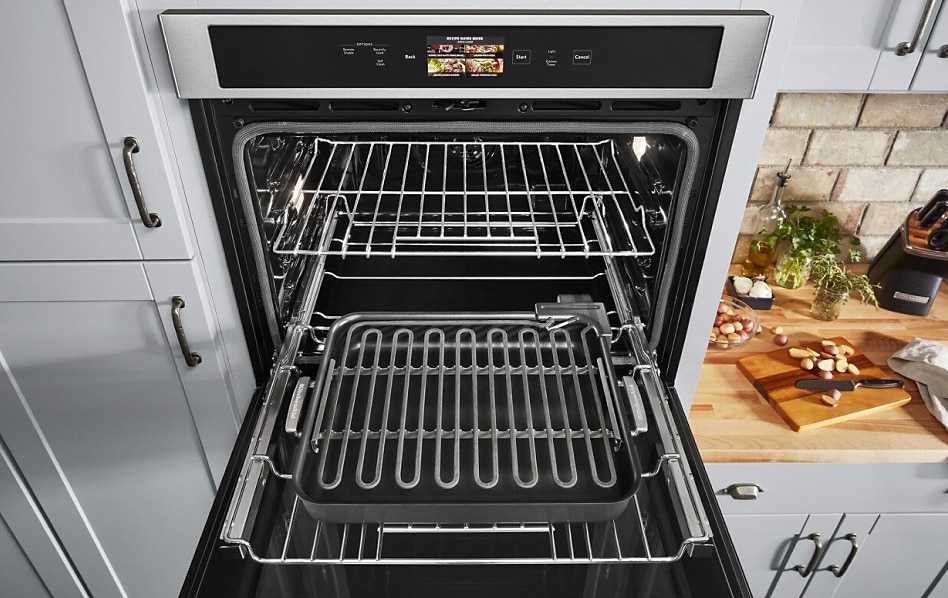
Image Source: www.kitchenaid.com
Deciphering Your KitchenAid Self-Cleaning Oven Cycle
Your KitchenAid self-cleaning oven uses high temperatures to turn food residue into ash, making it easier to wipe away. This process, while powerful, requires a little preparation and post-cleaning attention.
How the Self-Cleaning Cycle Works
The self-cleaning cycle heats your oven to extremely high temperatures, typically between 800°F and 1,000°F (427°C to 538°C). At these temperatures, grease, food spills, and other debris are essentially incinerated, turning into a fine ash.
- High Heat: The oven door automatically locks to prevent accidental opening during the cycle.
- Incineration: Food residue breaks down at the molecular level.
- Ash Residue: Once the cycle is complete and the oven has cooled, you’ll be left with a powdery ash.
Before You Begin the Self-Cleaning Cycle
Proper preparation is crucial for a successful and safe self-cleaning cycle. Skipping these steps can lead to smoke, unpleasant odors, or damage to your oven.
Removing Oven Racks and Accessories
Crucially, remove all oven racks, broiler pans, and any other accessories from the oven interior before starting the self-cleaning cycle. The extreme heat can cause permanent discoloration and warping of these items. Even racks with the “self-clean safe” designation can be dulled or damaged over time.
- Racks: These are usually made of nickel-plated steel or chrome, which can discolor and become brittle at high self-cleaning temperatures.
- Broiler Pans: Often have a porcelain enamel coating that can be damaged.
- Other Accessories: Any items left inside will be subjected to intense heat and can melt, warp, or become permanently discolored.
Wiping Up Loose Debris
While the self-cleaning cycle handles burnt-on messes, it’s a good idea to manually remove any large, loose food particles or debris from the oven floor. This helps prevent excessive smoke and reduces the load on the self-cleaning process.
- Use a damp cloth or paper towel to wipe out crumbs, spills, and food bits.
- Pay attention to the oven door edges and the area around the heating elements.
Ventilating Your Kitchen
The self-cleaning cycle can produce smoke and fumes, especially if there’s a significant amount of food residue to burn off. Ensure your kitchen is well-ventilated.
- Open windows.
- Turn on your range hood fan.
- Consider running a portable air purifier.
During the Self-Cleaning Cycle
Once initiated, allow the cycle to complete without interruption.
- Door Lock: The oven door will automatically lock once the cycle begins and will remain locked until the oven has cooled to a safe temperature. Do not attempt to force the door open.
- Odors and Smoke: Some odors and smoke are normal, particularly on the first few uses or if the oven is particularly dirty. If the smoke is excessive, you may need to turn off the cycle and address any overlooked debris.
After the Self-Cleaning Cycle
Patience is key here. Allow the oven to cool completely before proceeding.
- Cooling Down: The oven door will remain locked until the internal temperature drops to a safe level. This can take a couple of hours.
- Wiping Ash: Once the door unlocks, use a damp cloth or sponge to wipe away the fine ash residue from the oven interior. You may need to rinse and wring out your cloth several times.
- Stubborn Spots: If there are any remaining tough spots, you might need to use a non-abrasive scrub pad or a paste made from baking soda and water.
Natural Methods for Kitchenaid Oven Cleaning
When you prefer to avoid harsh chemicals or when the self-cleaning cycle isn’t suitable, natural methods offer effective alternatives for Kitchenaid oven cleaning. These methods are gentler on your oven and the environment.
Baking Soda Oven Cleaning: The Gentle Giant
Baking soda is a mild abrasive and a natural deodorizer, making it an excellent choice for cleaning your oven. This method is perfect for removing light to moderate grease and grime, and it’s also a great way to tackle removing burnt food from oven interiors when used correctly.
How to Use Baking Soda for Oven Cleaning
- Create a Paste: In a bowl, mix about ½ cup of baking soda with a few tablespoons of water. Adjust the amount of water until you have a thick, spreadable paste.
- Apply the Paste: Wearing gloves, spread the paste all over the interior surfaces of your oven. Avoid the heating elements and any openings. Focus on areas with grease buildup or burnt-on food. The paste may turn brownish in some areas, which is normal.
- Let it Sit: Allow the baking soda paste to sit for at least 12 hours, or overnight. This gives the baking soda time to break down the grease and grime.
- Wipe Away the Paste: After the waiting period, use a damp cloth or sponge to wipe away as much of the dried paste and loosened grime as possible. A plastic scraper or spatula can help with more stubborn areas.
- Vinegar Rinse: For any remaining baking soda residue, spray a little white vinegar onto the surfaces. The vinegar will react with the baking soda, creating a gentle fizzing action that helps lift the remaining paste. Wipe clean with a damp cloth.
- Final Wipe Down: Wipe the oven interior with a clean, damp cloth to remove any lingering residue.
Tips for Baking Soda Oven Cleaning:
- For very dirty ovens, you might need to repeat the process or apply a thicker paste.
- Ensure you wipe out all baking soda residue, as any remaining powder can cause a white film when the oven is next heated.
Vinegar Oven Cleaning: The Natural Degreaser
White vinegar is acidic and can effectively cut through grease and dissolve mineral deposits. It’s a great companion to baking soda or can be used on its own for lighter cleaning tasks. Vinegar oven cleaning is one of the most accessible natural oven cleaning methods.
How to Use Vinegar for Oven Cleaning
- Vinegar Solution: Mix equal parts white vinegar and water in a spray bottle.
- Spray the Oven: Spray the solution generously onto the oven interior, focusing on greasy areas.
- Let it Work: Let the vinegar solution sit for at least 30 minutes to an hour.
- Wipe Clean: Wipe down the oven interior with a damp cloth or sponge. For tougher spots, you can dip your cloth in straight vinegar.
- Rinse: Wipe again with a cloth dampened with plain water to remove any vinegar residue.
Combining Baking Soda and Vinegar
For a more powerful cleaning duo, use baking soda first (as described above), then spray vinegar onto the dried baking soda to activate a fizzing clean.
The Power of Steam for Loosening Grime
Steam can be a wonderfully effective way to loosen baked-on food and grease, making it easier to wipe away. This is a gentle yet efficient method, especially good for regular self cleaning oven maintenance.
Steam Cleaning Your KitchenAid Oven
- Oven-Safe Bowl: Place an oven-safe bowl or baking dish filled with water on the oven rack. Some people add a cup of white vinegar to the water for extra degreasing power.
- Heat the Oven: Heat the oven to around 250°F (120°C) for 20-30 minutes.
- Turn Off and Cool: Turn off the oven and let it cool down enough so you can safely work inside, but while it’s still warm and steamy.
- Wipe Down: Carefully remove the bowl of water. The steam should have softened any residue. Wipe the oven interior with a damp cloth or sponge.
- Stubborn Spots: For any remaining grime, you can use a paste of baking soda and water or a little vinegar.
Cleaning Specific Oven Parts
Beyond the main oven cavity, certain parts require their own cleaning strategies.
How to Clean Oven Racks
As mentioned, how to clean oven racks properly is crucial for their longevity. Since they shouldn’t go through the self-cleaning cycle, here are effective alternatives:
Soaking Method:
- Bathtub or Large Container: Lay old towels in the bottom of your bathtub or a large plastic container to prevent scratching.
- Hot Water and Dish Soap: Fill the tub with hot water and add a generous amount of dish soap.
- Soak Racks: Submerge the oven racks in the soapy water and let them soak for several hours or overnight.
- Scrub and Rinse: Use a non-abrasive scrubbing pad or a stiff brush to scrub away loosened grime. Rinse thoroughly with clean water.
Baking Soda Paste Method:
- Apply Paste: Make a thick paste of baking soda and water. Apply it to the oven racks, ensuring all soiled areas are covered.
- Let it Sit: Let the paste sit for at least a few hours, or overnight.
- Scrub and Rinse: Scrub with a non-abrasive pad and rinse well.
Cleaning the Oven Door Glass
A sparkling oven door glass enhances the overall appearance of your kitchen. Greasy splatters and burnt-on residue can be tough to tackle.
Natural Methods for Oven Door Glass:
- Baking Soda Paste: Apply the same baking soda paste used for the oven interior to the inside of the oven door glass. Let it sit for about 30 minutes to an hour, then gently scrub with a non-abrasive sponge and wipe clean.
- Razor Blade (with caution): For very stubborn burnt-on spots on the glass (and only on the glass, never on the metal frame), you can very carefully use a flat razor blade scraper held at a low angle. This requires extreme caution to avoid scratching the glass.
- Vinegar Spray: A simple spray of diluted vinegar can help cut through grease.
Important Note: Never spray cleaning solutions directly onto the door seals. Wipe them gently with a damp cloth only.
When to Use Commercial Oven Cleaners for Kitchenaid Ovens
While natural methods are preferred, there might be times when a commercial oven cleaner for Kitchenaid ovens seems necessary.
Choosing the Right Product
- “Fume-Free” Options: If you must use a chemical cleaner, opt for fume-free formulas. These are generally less harsh.
- Read Labels Carefully: Always ensure the product is safe for self-cleaning ovens and follow the instructions precisely. Some cleaners can damage the enamel coating or the oven’s components.
- Spot Testing: If unsure, test the cleaner on a small, inconspicuous area first.
How to Use Commercial Oven Cleaners Safely:
- Ventilate: Ensure excellent ventilation by opening windows and using exhaust fans.
- Protect Yourself: Wear rubber gloves, eye protection, and old clothing.
- Apply Sparingly: Apply the cleaner only to the soiled areas, avoiding heating elements, gaskets, and the door seal.
- Follow Dwell Time: Adhere strictly to the recommended dwell time on the product label.
- Thorough Rinsing: Rinse the oven interior thoroughly with a damp cloth multiple times to remove all chemical residue. Any residual cleaner can produce harmful fumes when the oven is next heated.
Best Way to Clean a Self-Cleaning Oven: A Balanced Approach
The best way to clean self-cleaning oven models, including your KitchenAid, is often a combination of using the self-cleaning feature strategically and employing natural cleaning methods for maintenance and specific tasks.
Maintaining Your Self-Cleaning Oven:
- Regular Wiping: After cooking, wipe up spills and splatters while the oven is still warm (but not hot). This prevents them from baking on.
- Scheduled Self-Cleaning: Use the self-cleaning cycle only when necessary. Frequent use can put a strain on the oven’s components and can also release unpleasant odors. Clean spills as they happen to minimize the need for frequent, heavy-duty self-cleaning.
- Natural Cleaning: Incorporate natural cleaning methods (baking soda, vinegar, steam) for lighter messes and routine upkeep. This will help keep your oven cleaner between self-cleaning cycles.
- Rack Cleaning: Clean your oven racks separately using the methods described above.
Dealing with Specific Cleaning Challenges:
- Stubborn Burnt Food: For food that is extremely burnt on and won’t budge after a self-clean or natural cleaning, you might need to repeat the baking soda paste method or try a specialized oven cleaner specifically designed for tough, baked-on residue and approved for your oven type. Always test first.
- Odor Control: If your oven produces strong odors during self-cleaning, it might indicate excessive residue. Try a more thorough manual cleaning with baking soda or steam before running the self-clean cycle again.
Frequently Asked Questions (FAQ)
Q1: How often should I use the self-cleaning feature on my KitchenAid oven?
A1: It’s best to use the self-cleaning cycle only when the oven is significantly soiled. Overuse can shorten the lifespan of the oven’s components and can also lead to unpleasant odors. Regular manual cleaning with natural methods will reduce the need for the self-cleaning cycle.
Q2: Can I clean the oven racks while using the self-cleaning cycle?
A2: No. Always remove oven racks, broiler pans, and any other accessories before running the self-cleaning cycle. The extreme heat can cause irreparable damage, discoloration, and warping to these items.
Q3: Why does my self-cleaning oven smell bad or produce a lot of smoke?
A3: This is usually due to accumulated food debris, grease, or spills that are burning off during the cycle. It’s important to wipe up any loose debris and address significant spills before starting the self-cleaning function. If the problem persists, there might be residue on the door gasket or the oven’s insulation, which may require professional attention.
Q4: Are natural oven cleaning methods effective for heavily soiled KitchenAid ovens?
A4: Natural methods like baking soda paste and steam are very effective for regular maintenance and moderate messes. For extremely tough, baked-on grime that the self-cleaning cycle might not fully remove, you might need to repeat natural cleaning steps or consider a specialized oven cleaner designed for baked-on food, ensuring it’s safe for your specific oven model.
Q5: How do I clean the oven door glass on my KitchenAid self-cleaning oven?
A5: You can use a baking soda paste applied to the inside of the glass, let it sit, and then gently scrub and wipe clean. For very stubborn spots, a careful application of a flat razor blade at a low angle can be used, but extreme caution is advised to avoid scratching the glass. Always avoid the door seals.
By following these steps and tips, you can effectively clean and maintain your KitchenAid self-cleaning oven, ensuring it remains a reliable and efficient appliance in your kitchen for years to come.