Cleaning your granite kitchen sink keeps it looking nice. It also helps it last a long time. Tough stains can be hard to get rid of. But with the right steps, your sink can look new again. This guide shows you how to clean granite sinks well. We will cover cleaning granite composite sink models too. We will also show you how to remove granite sink stains that are stubborn. You will learn about the best cleaner for granite sink surfaces and how to handle common issues like cleaning hard water stains on granite sink materials. If you have a dark sink, we cover how to clean a black granite sink so it shines. We will talk about caring for this natural stone sink cleaning process. We will also look at polishing granite sink surfaces and how to disinfect granite kitchen sink areas properly. We will even mention cleaning specific brands like cleaning Elkay granite sink models. Plus, we will explore simple methods like baking soda vinegar granite sink cleaning.
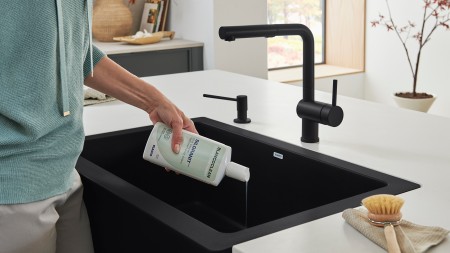
Image Source: cdn.blanco.com
Why Clean Your Granite Sink?
Keeping your sink clean is important. Granite sinks look very nice. They can be made of solid granite. Or they can be made of granite composite. Granite composite is crushed granite stone mixed with a strong resin. Both types need care.
Dirt, food bits, and soap can build up. This makes the sink look dull. It can also hold germs. Hard water leaves spots. These spots are ugly. Stains happen too. Coffee, tea, or food colors can leave marks.
Regular cleaning stops problems. It keeps the sink clean and safe. It helps the sink stay beautiful. It makes your sink last longer. This saves you money later.
Getting Ready to Clean
You need a few things before you start. Gather your cleaning supplies. This makes cleaning easier and faster.
Here is a list of things you might need:
- Warm water
- Mild dish soap
- Soft cloth or sponge (not scratchy ones)
- Baking soda
- Hydrogen peroxide
- Rubbing alcohol
- Vinegar (white vinegar)
- Spray bottle
- Old toothbrush
- Granite cleaner (check if it’s safe for sinks)
- Mineral oil or a stone sealant/polish
Make sure your cleaning cloth or sponge is soft. Rough pads can scratch the sink surface. This is true for both natural granite and granite composite sink types.
Basic Daily Cleaning Steps
Clean your sink every day. This stops dirt from building up. It helps prevent many stains. Daily cleaning is quick and easy.
Here are the steps for basic cleaning:
- Rinse the sink. Use warm water. Wash away food pieces.
- Put a little mild dish soap on a soft cloth.
- Wipe down the sink surface. Clean the sides and bottom. Clean around the drain.
- Rinse the sink again. Use warm water to wash away soap.
- Dry the sink. Use a soft, dry cloth. Drying is important. It stops water spots. Water spots are common on granite composite sink surfaces. Especially on dark colors.
Doing this daily keeps your sink looking good. It stops many common problems.
More Detailed Cleaning
Sometimes, your sink needs more than basic cleaning. This happens when you see spots or a bit of buildup.
Here is how to do a more detailed clean:
- Rinse the sink with warm water.
- Make a mix of warm water and mild dish soap. Use a good amount of soap.
- Dip your soft cloth or sponge in the soapy water.
- Rub all parts of the sink well. Use gentle circles. Pay attention to areas that look dirty.
- Rinse the sink completely.
- Dry the sink with a soft cloth.
This deeper clean helps remove light grime. It is good to do this a few times a week.
Handling Different Stains
Knowing how to remove granite sink stains is key. Different stains need different methods. Don’t use harsh chemicals right away. Try gentle options first.
Food Stains (Coffee, Tea, Wine)
These stains can soak into the surface. Especially in granite composite sinks.
Try this method:
- Make a paste. Mix baking soda with a little water. It should be like thick toothpaste.
- Put the paste on the stain. Cover the stain completely.
- Let the paste sit. Leave it for maybe 15 minutes. For tough stains, leave it longer. Even overnight.
- Rub the paste gently. Use a soft cloth or an old toothbrush.
- Rinse the area well with water.
- Dry the sink.
Baking soda is a gentle scrubber. It also helps pull out stains. This is a common and safe way for baking soda vinegar granite sink cleaning, though for stains, just baking soda and water works well.
Grease and Oil Stains
Grease can leave dark spots.
Try this:
- Wipe up as much grease as you can right away. Use a paper towel.
- Put baking soda on the stain. Let it soak up the grease.
- After a few minutes, brush away the baking soda.
- If a mark is left, make a baking soda paste with water.
- Put the paste on the stain.
- Let it sit for some time (15 mins to a few hours).
- Rub and rinse.
- Dry the sink.
A mild dish soap designed to cut grease can also work for fresh grease spots during your daily clean.
Cleaning Hard Water Stains on Granite Sink
Hard water leaves white or cloudy spots. This is calcium and other minerals. Cleaning hard water stains on granite sink surfaces is a common need. These stains can be stubborn.
Try this method:
- Make a mix of half water, half white vinegar. Put it in a spray bottle.
- Spray the hard water spots.
- Let the vinegar mix sit. Let it work for 5-10 minutes.
- Gently rub the spots. Use a soft cloth or sponge.
- Rinse the sink well. Rinse many times to remove all vinegar.
- Dry the sink completely.
Vinegar is acidic. It helps break down mineral deposits. But don’t leave vinegar on granite too long. Rinse it off well. Some people worry about vinegar on natural stone sink cleaning. For sealed natural granite, it’s usually okay for short times. For granite composite, it’s generally safe for removing mineral buildup.
For very tough hard water stains:
- Soak paper towels in the vinegar and water mix.
- Lay the soaked paper towels directly on the stains.
- Let them sit for 30 minutes to an hour.
- Remove paper towels.
- Gently rub the area.
- Rinse and dry.
Another option for hard water is rubbing alcohol.
- Put some rubbing alcohol on a soft cloth.
- Rub the hard water spots.
- Rinse and dry.
Rubbing alcohol can also help lift water spots.
Deep Cleaning Your Sink
Sometimes your sink needs a deep clean. This removes built-up grime and refreshes the look. This is more than just daily cleaning. It’s a deeper clean for natural stone sink cleaning needs or for granite composite sinks.
Steps for a deep clean:
- Remove everything from the sink.
- Rinse the sink well with warm water.
- Make a thick paste of baking soda and water.
- Spread the paste all over the sink surface. Cover the bottom and sides. Get into the corners.
- Let the paste sit for 15-30 minutes.
- Use a soft sponge or cloth to scrub the paste. Scrub in circles. Work from top to bottom.
- Rinse the sink very well. Make sure all paste is gone.
- Check for any remaining spots or stains. Treat them using the methods for specific stains (like vinegar for hard water).
- Rinse again.
- Dry the entire sink completely with a soft cloth. This deep cleaning helps remove many kinds of buildup and prepares for polishing.
Natural Cleaning Options
You can clean your sink using simple things you might have. Baking soda vinegar granite sink cleaning is a popular natural method.
Baking Soda
Baking soda is great for cleaning.
- Gentle Scrubber: Use it dry on a wet sponge for mild scrubbing.
- Paste for Stains: Mix with water to make a paste for tougher spots.
- Odor Absorber: Sprinkle some in the sink to help with smells. Rinse it away later.
Vinegar
Vinegar is good for mineral spots and light grime.
- Hard Water: Mix with water (50/50) in a spray bottle. Spray, let sit, rinse, dry.
- General Cleaning: Use the diluted mix to wipe down the sink. Always rinse well after using vinegar.
Baking Soda and Vinegar Together
Baking soda and vinegar make a fizzy reaction. Some people use this for cleaning.
- Sprinkle baking soda on the wet sink.
- Pour or spray vinegar onto the baking soda.
- Let it fizz for a few minutes.
- Scrub with a soft brush or sponge.
- Rinse very well.
- Dry.
This fizzing can help loosen some dirt. However, using them one after the other (like baking soda paste, then vinegar rinse for hard water) is often more effective for specific problems. The fizzing action itself doesn’t clean much; it’s the action of each product individually that does the work. Baking soda is alkaline, vinegar is acidic. When mixed, they cancel each other out somewhat. Still, baking soda vinegar granite sink cleaning is a common home remedy many people use.
Cleaning Black Granite Sinks
How to clean a black granite sink needs special care. Black or dark sinks show spots more easily. Water spots, soap scum, and mineral deposits are very visible.
The cleaning steps are the same as for other colors. But drying is even more important.
- Clean the sink using mild soap and water, or baking soda paste.
- Rinse thoroughly.
- Immediately dry the entire sink surface. Use a soft, absorbent cloth. Pay extra attention to drying.
- After drying, you might see a slight haze or dullness. This is where polishing helps.
Polishing is key for how to clean a black granite sink so it looks its best.
Polishing and Restoring Shine
Polishing granite sink surfaces helps them look bright and new. It can also help hide small scratches and make the surface smoother. This makes it harder for water spots and stains to stick.
Using Mineral Oil
Mineral oil is a simple way to polish. It’s food-safe.
- Make sure the sink is completely clean and dry.
- Put a small amount of mineral oil on a soft cloth.
- Rub the oil into the sink surface. Work it all around the bottom and sides.
- Let the oil sit for a few minutes.
- Wipe away any extra oil. Use a clean, dry cloth. Buff the surface lightly.
The sink will look darker and richer. Water will bead up on the surface. You may need to do this every week or two. Or when the sink looks dull.
Using Stone Polishers
You can buy special products for polishing granite or granite composite sinks. These products are often called sealers or enhancers.
- Clean and dry the sink fully.
- Follow the directions on the product bottle.
- Usually, you apply a small amount on a cloth.
- Rub it into the sink.
- Let it dry or sit as long as the directions say.
- Buff with a clean cloth if needed.
Make sure the product says it is safe for kitchen sinks and food areas. This is an important part of natural stone sink cleaning and composite sink care.
Disinfecting Your Sink
Your sink is a place where food is prepared. It’s important to disinfect granite kitchen sink surfaces sometimes. This kills germs.
Using Isopropyl Alcohol (Rubbing Alcohol)
Rubbing alcohol (70% isopropyl alcohol) is a good disinfectant. It also evaporates quickly, which is good for preventing water spots.
- Clean the sink first with soap and water. Rinse and dry it partly.
- Spray or wipe rubbing alcohol over the sink surface.
- Let it sit for a few minutes (check the product label for contact time, often 5 minutes).
- Rinse the sink well with water.
- Dry the sink completely.
Using Hydrogen Peroxide
Hydrogen peroxide is another good option. It’s safer than bleach for many surfaces, including granite.
- Clean the sink first. Rinse well.
- Pour or spray 3% hydrogen peroxide on the sink surface.
- Let it sit for 5-10 minutes.
- Rinse the sink completely.
- Dry the sink well.
Using Bleach (Use with Caution!)
Bleach can be used, but with great care. It must be diluted a lot. Bleach can damage some sealants. It can also change the color of some materials over time. Many manufacturers do not recommend bleach for regular use.
If you choose to use bleach:
1. Clean the sink very well first.
2. Mix 1 part bleach with 10 parts water. (Very weak solution).
3. Quickly wipe the sink with this weak mix.
4. Rinse immediately and thoroughly. Do not let it sit.
5. Dry the sink very well.
It’s usually better to use alcohol or hydrogen peroxide for disinfecting granite kitchen sink areas. They are safer options.
Cleaning Specific Brands (Like Elkay)
Different sink makers might have specific tips. Cleaning Elkay granite sink models is similar to cleaning other granite composite sinks. Elkay uses a material called E-Granite. It is a mix of quartz (a very hard stone) and acrylic resins.
Elkay gives cleaning advice for their sinks. They recommend:
- Daily cleaning with mild soap and water.
- Using a nylon brush (like a gentle scrub brush, not steel wool) for tougher spots.
- Using a 50/50 vinegar solution for hard water spots.
- For stubborn stains, they might suggest specific products like Bar Keepers Friend Soft Cleanser or a paste of baking soda and water. Always test in a small hidden area first.
- Rinsing well after using any cleaner.
- Drying the sink every time you use it to prevent water spots, especially on dark colors.
Always check the manufacturer’s website for the best cleaner for granite sink models they make. They often have guides for cleaning granite composite sink surfaces they produce. Cleaning Elkay granite sink products often involves following these general composite sink rules.
What to Avoid When Cleaning Your Sink
Some cleaning products and tools can harm your granite or granite composite sink. Avoid these things:
- Harsh Chemicals: Strong acids (like drain cleaner) or strong bases (like oven cleaner). These can damage the sink material or its finish.
- Abrasive Scrubbers: Steel wool pads, rough scouring pads, very stiff brushes. These can scratch the surface of both natural stone and granite composite.
- Strong Bleach: Undiluted bleach or leaving diluted bleach on too long.
- Ammonia-based Cleaners: Some can be harsh.
- Waxes or Silicone-Based Polishes: These can build up and be hard to remove. Stick to mineral oil or specific stone polishes.
- Putting Hot Pots Directly in Sink: Sudden heat changes can potentially damage composite sinks. Use a sink grid or let pots cool slightly.
Using the right methods and avoiding harmful ones helps keep your sink looking good for years. This applies to all types of natural stone sink cleaning.
Step-by-Step Stain Removal Process
Let’s put it all together for removing a tough stain. This is how to remove granite sink stains effectively.
You will need:
- Baking soda
- Water
- Small bowl
- Soft cloth or old toothbrush
- Maybe some hydrogen peroxide (for colored stains) or vinegar (for hard water stains near the stain)
Steps:
- Clean the Area: Clean the sink area around the stain first with soap and water. Rinse and dry.
- Make the Paste: Put a few tablespoons of baking soda in the bowl. Add just enough water to make a thick paste, like peanut butter. For colored stains (tea, coffee), you can mix baking soda with hydrogen peroxide instead of water.
- Apply the Paste: Scoop the paste onto the stain. Cover the stain completely. Make the paste layer a bit thick.
- Let it Work (Poultice): This is called making a poultice. The paste helps draw the stain out of the sink material. Cover the paste with plastic wrap. Tape down the edges of the plastic wrap. This keeps the paste moist.
- Wait: Let the poultice sit for a long time. For light stains, 30 minutes. For tough stains, several hours, even overnight (8-12 hours). The longer it sits, the better it can pull out the stain.
- Remove and Scrub: Carefully remove the plastic wrap. The paste might be dry. If dry, wet it slightly. Gently scrub the area with a soft cloth or toothbrush.
- Rinse: Rinse the area well with clean water. Wash away all the paste.
- Check: Is the stain gone? If not, you might need to do the poultice again. Sometimes tough stains need a few tries.
- Clean and Dry: Clean the whole sink area again with your regular cleaner. Rinse and dry the sink completely.
This poultice method is powerful for how to remove granite sink stains that have set in. It is safe for both natural granite and granite composite sink types.
The Best Cleaner for Granite Sink Surfaces
There is no single “best” cleaner for every situation. The best cleaner for granite sink often depends on what you are cleaning.
- For Daily Cleaning: Mild dish soap and warm water is usually the best cleaner for granite sink daily use. It’s gentle and effective for removing fresh grime.
- For Hard Water: A mix of vinegar and water is great. Or rubbing alcohol.
- For Stains: Baking soda paste is excellent. Mixed with water or hydrogen peroxide.
- For Disinfecting: Rubbing alcohol or hydrogen peroxide.
- For Shine: Mineral oil or a specific stone polish.
Look for cleaners made for granite or natural stone. Always check the label. Make sure it says it’s safe for kitchen sinks. Some general purpose cleaners might be too harsh. The best cleaner for granite sink is often the simplest one that does the job without harming the surface.
Maintenance Tips
Keeping your sink nice needs a little care every day.
- Rinse after Use: Rinse out food and soap right away.
- Dry the Sink: Wipe it dry after each use. This is the best way to prevent hard water spots and soap scum buildup. Especially important for how to clean a black granite sink.
- Use Sink Grids: Put a grid in the bottom of the sink. This protects the surface from scratches from pots and pans.
- Avoid Dropping Heavy Things: Don’t drop heavy pots or knives into the sink. This can chip or scratch it.
- Use a Cutting Board: Don’t cut food directly on the sink surface.
- Polish When Needed: Apply mineral oil or polish when the sink looks dull. This keeps the surface smooth and stain-resistant. This is part of good polishing granite sink care.
- Deal with Stains Fast: Clean up spills and stains as soon as they happen. Don’t let them sit for a long time. This makes how to remove granite sink stains much easier.
Following these simple tips helps keep your cleaning efforts effective. It reduces the need for tough scrubbing later.
Comprehending Granite Composite Sinks
Let’s look a bit more at cleaning granite composite sink types. These sinks are very popular. They are made from crushed granite stone and a tough plastic resin. They are strong and look like natural stone.
Why do they need specific cleaning talk?
- Porosity: While less porous than some natural stones, composite sinks can still absorb colors from food or liquids if left sitting. This is why cleaning up spills fast is important.
- Hardness: They are very hard, but can still scratch if you use harsh scrubbers.
- Heat: They can handle heat well, but sudden, extreme heat changes (thermal shock) can cause cracks. Always let very hot pans cool a bit.
- Water Spots: The resin material, especially in dark colors, can show water spots very clearly. Drying is crucial.
Cleaning granite composite sink models follows the same basic rules. Use mild cleaners, avoid harsh chemicals and abrasive pads, rinse well, and dry completely. The poultice method works well for stains on composite sinks too. Using mineral oil or a composite sink polish helps maintain the finish and water resistance.
Elkay granite sinks are a type of composite sink. So, cleaning Elkay granite sink models means following these composite sink care steps.
How Often to Clean and Polish
How often should you clean?
- Daily: Quick rinse and wipe/dry.
- A few times a week: More detailed clean with soap and scrubbing.
- Weekly/Bi-weekly: Deep clean with baking soda paste.
- Monthly: Disinfect.
- As needed (when dull): Polish with mineral oil or stone polish. This helps with polishing granite sink areas and keeping them looking fresh.
Stain removal and cleaning hard water stains on granite sink surfaces should be done as soon as you see them. Don’t let them sit.
Summarizing Best Practices
To keep your granite or granite composite sink clean and stain-free:
- Use soft cloths or sponges.
- Use mild dish soap for daily cleaning.
- Use baking soda paste for stains.
- Use vinegar mix for hard water spots.
- Rinse very well after using any cleaner.
- Always dry the sink completely after use and cleaning. This is the most important step to prevent spots.
- Polish regularly with mineral oil or a safe polish.
- Avoid harsh chemicals and abrasive pads.
- Clean up spills quickly.
Following these simple steps helps with cleaning granite composite sink types, removing tough marks, and keeping your natural stone sink cleaning routine effective. It helps you use the best cleaner for granite sink needs and handle common problems like cleaning hard water stains on granite sink surfaces. It also makes cleaning a black granite sink easier by preventing visible spots.
Frequently Asked Questions (FAQ)
h4. Can I use bleach on my granite sink?
You can use a very weak bleach mix (1 part bleach to 10 parts water) for quick disinfecting. But you must rinse it off right away and very well. Many experts and makers do not suggest using bleach often. It’s safer to use rubbing alcohol or hydrogen peroxide to disinfect granite kitchen sink surfaces.
h4. My black sink looks dull and shows water spots easily. What can I do?
This is common with how to clean a black granite sink. The key is drying it completely after every single use. After cleaning and drying, use a small amount of mineral oil or a stone polish made for composite sinks. Rub it in, let it sit a bit, then wipe off extra. This brings back the rich color and helps water bead up.
h4. What is the best cleaner for hard water spots?
A mix of half white vinegar and half water works well for cleaning hard water stains on granite sink surfaces. Spray it on, let it sit for 5-10 minutes, scrub gently, and rinse very well. Rubbing alcohol is another option.
h4. Is baking soda safe for granite sinks?
Yes, baking soda is safe. It is a soft mineral. Using baking soda and water as a paste is a great way to scrub gently and pull out stains. Baking soda vinegar granite sink cleaning methods are generally safe when used correctly (rinse well).
h4. How can I remove a tough coffee stain?
Make a thick paste of baking soda mixed with a little water or hydrogen peroxide. Put the paste on the stain. Cover it with plastic wrap. Let it sit for several hours or overnight. Then scrub gently and rinse. This poultice method helps remove granite sink stains that are set in.
h4. Do I need to seal my granite composite sink?
Most granite composite sinks, like those from Elkay (cleaning Elkay granite sink models), do not need a sealer in the way natural granite countertops do. The resin already makes them mostly non-porous. However, using a mineral oil or a polish made for composite sinks helps maintain the look and can make the surface less likely to stain or water spot. This is part of polishing granite sink care.
h4. What kind of cloth should I use?
Always use soft cloths or sponges. Microfiber cloths are good. Avoid steel wool, rough scouring pads, or anything that feels scratchy. These can damage the sink surface.
h4. My sink smells bad. How can I fix it?
First, clean the sink thoroughly. Check the drain for trapped food. You can pour baking soda down the drain, followed by hot water. For the sink surface itself, a deep clean helps. You can also disinfect granite kitchen sink using rubbing alcohol or hydrogen peroxide to kill odor-causing bacteria.
Taking good care of your granite kitchen sink keeps it looking great and working well for many years. Regular, gentle cleaning is the key.