Do you have a granite composite sink? Are you wondering how to clean it best, remove tough stains like hard water and soap scum, or bring back its shine? The best cleaner for granite composite sinks often depends on the specific problem, but for everyday cleaning, mild dish soap and warm water are usually recommended. You can easily get rid of soap scum and grime with a simple scrub. Keeping your sink clean helps it look good and last a long time.
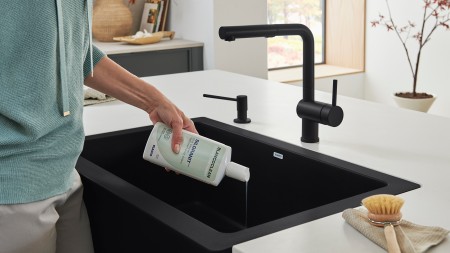
Image Source: cdn.blanco.com
Interpreting Granite Composite Sinks
Granite composite sinks are a popular pick for kitchens. They mix crushed granite stone with strong resins. This blend makes sinks that are tough, last a long time, and look nice. They can handle heat, scratches, and chips better than some other materials. They come in many colors, from plain black and gray to bright white and brown. This makes them fit well in many kitchen styles.
These sinks feel solid and heavy. They look a bit like natural stone but cost less. Brands like Blanco make sinks called Silgranit, which is a type of granite composite. Keeping these sinks clean is key to making them stay looking new and shiny. Dirt, food bits, soap, and hard water can build up over time. This can make your sink look dull or stained. Knowing how to clean it right is important.
Why Cleaning Your Composite Sink Matters
Cleaning your granite composite sink is more than just making it look nice. A clean sink is also more germ-free. Food bits left behind can grow germs. Regular cleaning washes these germs away.
Here are some key reasons why cleaning matters:
- Looks: Cleaning helps the sink keep its rich color and finish. It stops it from looking dull or old.
- Life Span: Getting rid of harsh stuff like tough stains helps keep the sink’s surface strong. This means it lasts longer.
- Germs: Sinks are busy places. Cleaning often stops germs from spreading where you wash food and dishes.
- Stopping Stains: Regular washing stops stains from setting in, making big cleaning jobs less needed later.
Think of it like brushing your teeth. A little work every day or week keeps bigger problems away. Your sink works hard for you, so giving it a little care makes a big difference.
Gathering Your Cleaning Supplies
Before you start cleaning, get everything you need ready. Having your supplies close makes the job faster and easier. You likely have many of these items in your home already.
Here is a list of helpful things to have:
- Mild dish soap (like the kind for washing dishes by hand)
- Warm water
- Soft cloth or sponge (microfiber cloths are great)
- Nylon scrub brush (one that won’t scratch)
- Baking soda
- White vinegar
- Spray bottle
- Hydrogen peroxide (for tough stains)
- Rubbing alcohol (for shine)
- Mineral oil (for shine and protection)
- Rubber gloves (to keep your hands nice)
Table: Simple Cleaning Supplies
| Item | Use | Notes |
|---|---|---|
| Mild Dish Soap | Everyday cleaning | Gentle on the sink |
| Warm Water | Rinsing and cleaning | Helps soap work better |
| Soft Cloth/Sponge | Wiping and scrubbing gently | Microfiber is good |
| Nylon Brush | Gentle scrubbing for stubborn bits | Must not scratch |
| Baking Soda | Mild scrub, odor remover | Good for paste |
| White Vinegar | Fights hard water stains, germs | Mix with water in spray |
| Hydrogen Peroxide | For colored stains (coffee, tea) | Rinse well after use |
| Rubbing Alcohol | Helps water spots dry clear, adds shine | Use small amount |
| Mineral Oil | Brings back shine, protects surface | Food-grade is best |
Make sure your scrub tools are soft. Steel wool pads or harsh scrubbers can scratch the composite material. A scratched sink can trap dirt and stains more easily, making it harder to clean later.
Step-by-Step Guide to Daily Cleaning
Cleaning your granite composite sink often is the best way to keep it looking new. Doing a quick clean each day, maybe after you finish using the kitchen for the night, takes just a few minutes. This stops most problems before they start.
Here are the steps for daily cleaning:
- Rinse the Sink: Use warm water to rinse away any food bits, dirt, or soap scum. Get the sides and bottom.
- Apply Soap: Put a few drops of mild dish soap on a wet, soft cloth or sponge.
- Wipe Down: Gently wipe the whole sink surface. Rub in small circles. Clean the bottom, sides, and around the drain.
- Rinse Again: Rinse all the soap away with warm water. Make sure no soapy film is left.
- Dry the Sink: This is a very important step! Use a dry, soft cloth (like microfiber) to dry the entire sink. Drying prevents water spots and hard water buildup. Wipe down the sides and bottom until no water drops are left.
This quick routine stops most dirt and grime from sticking to the sink. It keeps your sink looking clean and helps prevent water spots.
Tackling Common Sink Problems
Even with daily care, problems can pop up. Hard water stains, soap scum, and deep grime need a bit more work. Luckily, you can fix most of these with simple things.
Getting Rid of Soap Scum
Soap scum looks like a white or gray film. It builds up from soap mixing with minerals in water. It can make your sink look dirty and dull. Knowing how to get rid of soap scum on composite sink is easy.
Here is how to fight soap scum:
- Make a Mix: Mix equal parts white vinegar and water in a spray bottle. Vinegar is great at breaking down soap scum.
- Spray the Sink: Spray the vinegar mix all over the sink, focusing on the areas with soap scum.
- Let It Sit: Let the spray sit on the surface for 5-10 minutes. This gives the vinegar time to work.
- Scrub Gently: Use a soft cloth or nylon brush to scrub the areas with scum. You should see the film start to come off.
- Rinse Well: Rinse the sink fully with warm water to wash away the vinegar and scum.
- Dry: Dry the sink right away with a clean, dry cloth. This stops new water spots from forming.
For tough scum, you might need to do this twice. Or you can make a paste with baking soda and a little water. Put the paste on the scum, let it sit, then scrub gently and rinse.
Removing Hard Water Stains
Hard water stains are white or chalky marks left when water with high mineral content dries on the surface. They can be tough to remove, especially if they have been there a long time. You need specific steps to remove hard water stains from composite sink.
Here is how to tackle hard water marks:
- Vinegar Soak: White vinegar is also the best friend for hard water stains. Soak paper towels in white vinegar.
- Cover Stains: Place the vinegar-soaked paper towels directly onto the hard water stains. Make sure the stain is fully covered.
- Let It Sit: Let the paper towels sit on the stains for 15-30 minutes, or even longer for very tough stains. The vinegar’s acid helps break down the mineral deposits.
- Scrub: Remove the paper towels. Use a nylon brush or a non-scratch scrubbing pad to gently scrub the stained areas.
- Rinse: Rinse the sink thoroughly with water.
- Dry: Dry the sink completely with a clean cloth.
If stains are still there, you can try a baking soda paste after the vinegar soak. Apply the paste, rub gently, and rinse. For extremely stubborn stains, a cleaner made for mineral deposits (like CLR or Lime-A-Way, used carefully and diluted as per instructions) might be needed, but always test in a small, hidden spot first and rinse very well. Vinegar is usually strong enough for most hard water marks.
Deep Cleaning for a Fresh Look
Sometimes your sink needs a deep clean to bring it back to life, especially if it looks dull or has built-up grime. Deep cleaning granite composite sink helps remove dirt trapped in the texture and restore its look.
Here is how to do a deep clean:
- Clear the Sink: Take everything out of the sink.
- Rinse: Rinse the sink with warm water.
- Apply Baking Soda: Sprinkle baking soda all over the wet sink surface. Baking soda is a mild abrasive and helps lift dirt.
- Scrub: Use a damp, soft cloth or a nylon brush. Gently scrub the baking soda into the sink surface. Work in small circles. Get into the corners and around the drain. The baking soda paste helps lift stains and dirt.
- Let It Sit: Let the baking soda paste sit on the surface for about 10-15 minutes.
- Rinse Thoroughly: Rinse the sink completely with warm water. Make sure all the baking soda is gone.
- Vinegar Rinse (Optional): For extra cleaning and shine, spray a 50/50 mix of vinegar and water over the sink after rinsing the baking soda. Let it bubble for a minute, then rinse again very well. (Don’t mix baking soda and vinegar directly in a closed container, it makes a lot of gas).
- Dry Completely: Dry the sink fully with a clean, dry cloth.
- Add Shine (Optional): For extra shine, put a few drops of mineral oil on a clean cloth and rub it into the sink surface. Buff off any extra oil. This helps repel water and dirt.
This deep cleaning method helps remove grime that daily cleaning might miss. It can make your sink look much brighter.
Best Cleaning Products and Alternatives
Choosing the right cleaner is key for your granite composite sink. Using the wrong things can harm the surface.
Finding the Best Cleaner
What is the best cleaner for granite composite sink? For daily cleaning, mild dish soap and warm water are perfect. They clean without being harsh.
For tougher jobs:
- Baking Soda: Great for a gentle scrub and paste.
- White Vinegar: Works well on soap scum and hard water stains.
- Isopropyl Alcohol (Rubbing Alcohol): Good for a quick wipe down to remove water spots and add a bit of shine.
- Hydrogen Peroxide: Can help with colored stains like tea or coffee. Apply, let sit briefly, then rinse.
- Special Composite Cleaners: Some brands make cleaners just for composite sinks. These are usually safe, but check the sink maker’s guide first.
Always test any new cleaner in a small, hidden area first.
Natural Cleaning Methods
Many people prefer natural ways to clean composite sink surfaces. These methods use simple household items and avoid harsh chemicals.
Natural options include:
- Baking Soda Paste: Mix baking soda with a little water to make a paste. Use it to scrub away dirt and light stains. It’s a gentle abrasive.
- Vinegar Spray: Mix equal parts white vinegar and water. Use it in a spray bottle to clean surfaces, fight soap scum, and disinfect a bit.
- Lemon Juice: Like vinegar, lemon juice is acidic and can help with some stains and leave a fresh smell. Don’t leave it on colored sinks for too long, as acid can sometimes affect resin over long contact.
- Borax: For a stronger natural option, a paste of borax and water can tackle tougher stains. Use gloves and rinse well.
These natural methods are often effective and safer for your home and the environment.
What Not to Use on Composite Sink
It’s just as important to know what to avoid using on your granite composite sink. Some products or tools can damage the surface for good.
Table: What to Avoid
| Item | Why Avoid? |
|---|---|
| Steel Wool Pads | Will scratch the surface easily |
| Harsh Abrasive Cleaners | Can dull the finish and scratch |
| Strong Acids | Can damage the resin or color (e.g., drain cleaners) |
| Strong Alkali Cleaners | Can damage the resin or color (e.g., oven cleaners) |
| Paint Strippers | Will ruin the sink surface |
| Acetone/Nail Polish Remover | Can damage the resin |
| Harsh Chemicals | Can discolor, weaken, or pit the material |
| Metal Utensils (dropped) | Can cause chips or deep scratches |
| Very Hot Pots/Pans | Can cause thermal shock or damage the resin (use a trivet) |
Knowing what not to use on composite sink helps you keep it safe and looking good for years. Always read cleaner labels and the sink maker’s care instructions.
Keeping Your Sink Shiny
A clean sink is nice, but a shiny sink looks amazing. Granite composite sinks can lose their shine over time due to water, soap, and use.
Restoring the Shine
You can bring back the bright look to your sink. Restoring the shine to composite sink takes just a few extra steps after cleaning.
Here is how to make it shine again:
- Clean First: Start with a freshly cleaned and dried sink. Make sure all soap and grime are gone.
- Use Mineral Oil: Get a clean, soft cloth or a paper towel. Put a few drops of food-grade mineral oil on the cloth.
- Rub It In: Rub the oil into the sink surface. Cover the bottom, sides, and top edges. The oil fills in the tiny pores in the material, making the color deeper and the surface look smoother and shinier.
- Wipe Away Extra: Use a second clean, dry cloth to wipe away any extra oil. You don’t want the sink to feel oily, just to look enriched and shiny. Buff gently.
Do this after deep cleaning or whenever your sink looks dull. The oil also helps repel water, which can help prevent water spots.
Preventing Future Problems
The best way to deal with sink problems is to stop them from happening. Prevent water spots on composite sink surfaces and other issues with simple habits.
Tips for prevention:
- Dry After Every Use: This is the single most important tip. Use a cloth to quickly dry the sink after washing dishes or rinsing food. This stops hard water spots and soap scum from forming.
- Rinse Food Waste: Rinse away food bits quickly. Don’t let food sit and dry in the sink.
- Avoid Harsh Stuff: Don’t put harsh chemicals, strong acids, or strong bases in the sink.
- Use a Sink Protector: A sink grid or mat can protect the bottom from scratches or chips from falling items. Make sure to clean under the grid regularly.
- Don’t Put Hot Pots Directly: Always use a trivet or pot holder for very hot pots and pans. Extreme heat can damage the resin.
- Regular Quick Clean: A fast wipe down with soapy water and a rinse each day stops buildup.
Making these simple things part of your kitchen routine keeps your sink looking good and reduces the need for hard scrubbing later.
Long-Term Sink Care
Taking good care of your granite composite sink over time ensures it stays beautiful and works well for many years. Composite sink maintenance tips focus on consistency and avoiding damage.
Key maintenance actions:
- Daily Drying: As mentioned, drying after each use is the best thing you can do.
- Weekly Cleaning: Do a slightly more thorough cleaning once a week using mild soap and perhaps a baking soda paste for a gentle scrub.
- Address Stains Quickly: Don’t let stains sit. Clean up spills like coffee, tea, or wine as soon as you can.
- Monthly Deep Clean/Shine: A monthly deep clean using baking soda, followed by applying mineral oil, will keep the sink looking its best and protect the surface.
- Check Your Water: If you have very hard water, consider a water softener for your home. This helps not just your sink but also other appliances and fixtures.
- Use the Right Tools: Only use soft cloths, sponges, or nylon brushes. Never use metal pads or harsh scrapers.
- Be Careful with Heavy Items: Try not to drop heavy pots or pans into the sink, as this could cause chips.
Consistent care is less work than fixing problems later. A few minutes regularly keeps your sink looking new.
Cleaning Blanco Silgranit Sink
Blanco Silgranit sinks are a type of granite composite sink. They are known for their durability and color options. The cleaning methods for Blanco Silgranit sink models are the same as for other granite composite sinks.
Blanco themselves recommend these simple steps:
- Daily: Rinse with water and wipe with a sponge. Dry with a microfiber cloth to stop water spots.
- Weekly: Use Blanco’s recommended cleaner (like their Activ Powder) or a mild abrasive like baking soda paste. Scrub gently with a soft brush or sponge. Rinse very well.
- For Stains: Use baking soda paste or a solution of 50/50 white vinegar and water. For tough colored stains (tea, coffee), a weak solution of bleach or hydrogen peroxide (diluted, applied briefly, and rinsed thoroughly) can be used, but baking soda and vinegar are usually enough and gentler. Always rinse completely.
- For Hard Water: Use vinegar or a calcium/lime cleaner (like CLR), but test first and follow instructions carefully.
- For Shine: A little mineral oil can help keep the color rich and repel water.
Always check the specific care guide that came with your Blanco sink, as they might have very specific product recommendations or things to avoid for their exact material finish. But in general, gentle cleaning, avoiding harsh chemicals and tools, and drying are key.
Frequently Asked Questions (FAQ)
Here are some common questions about cleaning granite composite sinks.
Q: Can I use bleach on my granite composite sink?
A: Mild, diluted bleach can sometimes be used for very tough colored stains, but it should be used with caution. Mix a small amount of bleach with a lot of water, apply it briefly (for just a few minutes), and rinse very thoroughly. Do not let bleach soak for long periods, especially on colored sinks, as it can potentially affect the resin or color over time. Natural options like baking soda or hydrogen peroxide are often better and safer.
Q: My sink looks dull. How can I make it look new again?
A: After cleaning the sink thoroughly, make sure it is completely dry. Then, apply a small amount of food-grade mineral oil to a soft cloth and rub it into the sink surface. Wipe away any excess oil. This helps to deepen the color, hide scratches, and restore the sink’s original luster.
Q: Are there any cleaning products I should never use?
A: Yes, avoid harsh chemicals like oven cleaners, paint strippers, strong acids (like concentrated drain cleaners), or strong alkaline cleaners. Also, never use abrasive scrubbing pads like steel wool, as they will scratch and damage the surface permanently. Acetone or nail polish remover should also be avoided.
Q: How often should I clean my composite sink?
A: A quick rinse and dry after each use is highly recommended to prevent water spots. A gentle wipe down with mild soap daily or every other day is good. A more thorough cleaning to address any buildup should be done weekly. Deep cleaning and reapplying shine can be done monthly or as needed.
Q: What if my sink gets scratched?
A: Small surface marks might be less visible after cleaning and applying mineral oil. For deeper scratches or chips, it can be difficult to repair composite sinks perfectly. Some companies offer repair kits for small damages, but results can vary. The best approach is prevention by using caution with heavy items and avoiding abrasive cleaners/tools.
Q: Is it okay to pour boiling water down the sink?
A: Granite composite sinks are heat resistant, but sudden extreme temperature changes (thermal shock) can potentially cause damage over time. It’s best to let very hot liquids cool slightly before pouring them down, or run cold water at the same time. Always use a trivet for hot pots and pans set directly in the sink.
Final Thoughts
Keeping your granite composite kitchen sink clean and looking its best is not hard. It just takes a little regular care. By following simple steps like daily drying and using the right gentle cleaners, you can easily remove hard water stains from composite sink surfaces, get rid of soap scum on composite sink walls, and restore shine to composite sink basins.
Remember to avoid harsh chemicals and tools that can scratch or damage the surface. Things like mild soap, vinegar, baking soda, and mineral oil are your sink’s best friends. Brands like Blanco make sinks designed to last, and with the right cleaning methods for Blanco Silgranit sink or any other composite brand, you can enjoy a beautiful, shiny sink for many years. Use these composite sink maintenance tips to protect your investment and keep your kitchen looking great. A clean sink is a happy sink, and a happy kitchen!